How Much Rootgrow Do I Need?
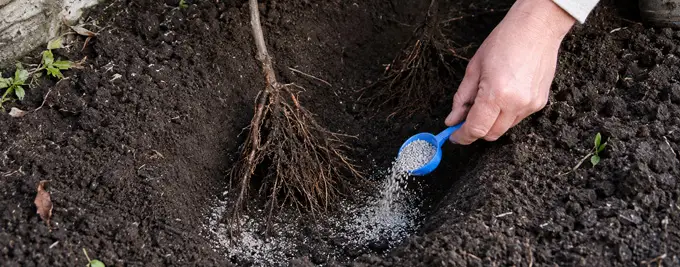
Rootgrow is used once when planting, but the amount required can vary considerably with the plant height, root type and container size.…
Read answerBrowse the latest practical questions from across the knowledge base.
Rootgrow is used once when planting, but the amount required can vary considerably with the plant height, root type and container size.…
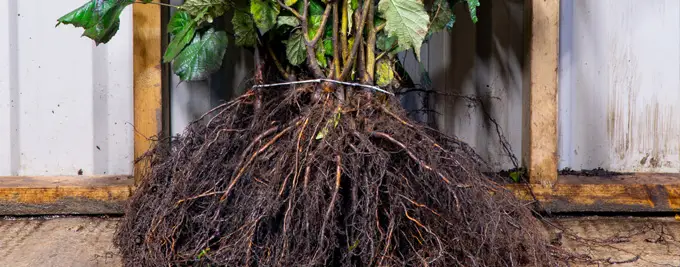
Read answerBare-root hedging is delivered while dormant, without a pot or surrounding soil to protect its roots. Correct storage keeps the roots in…
Read answerPot grown hedge plants are easier to hold before planting than bare root or root ball stock, but they still need regular…
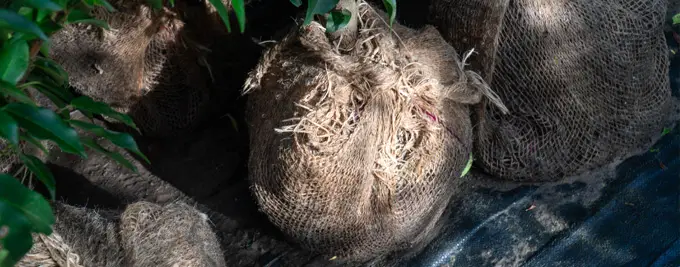
Read answerRoot-balled hedge plants are field-grown plants supplied with soil retained around their roots. Correct storage between delivery and planting helps protect the…
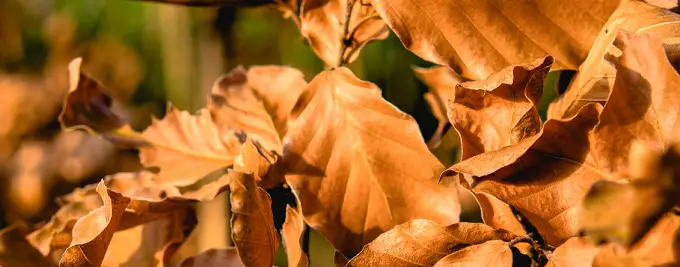
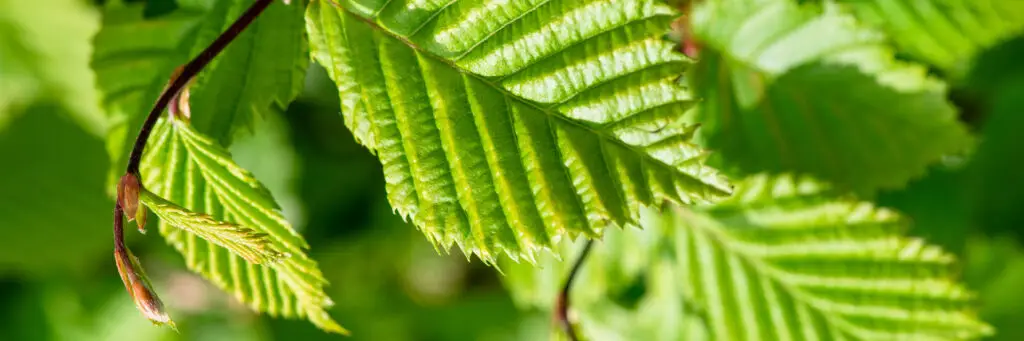
Read answerBeech hedging changes noticeably with the seasons, developing fresh green or purple foliage in spring and warm copper-brown tones during autumn. Its…
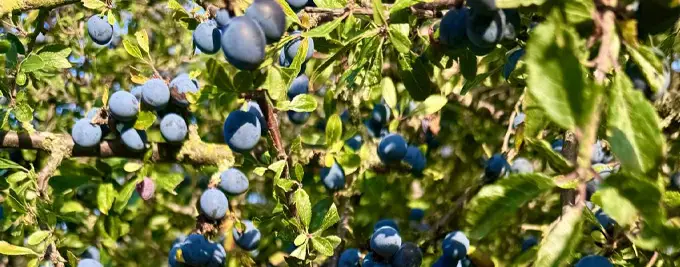
Read answerBlackthorn is best known for edible sloes, but that does not mean every part of the plant should be eaten. The stones,…
Read answerGreen Spire is an attractive evergreen hedge, but it is not a plant to treat as edible. Pet owners should prevent dogs…
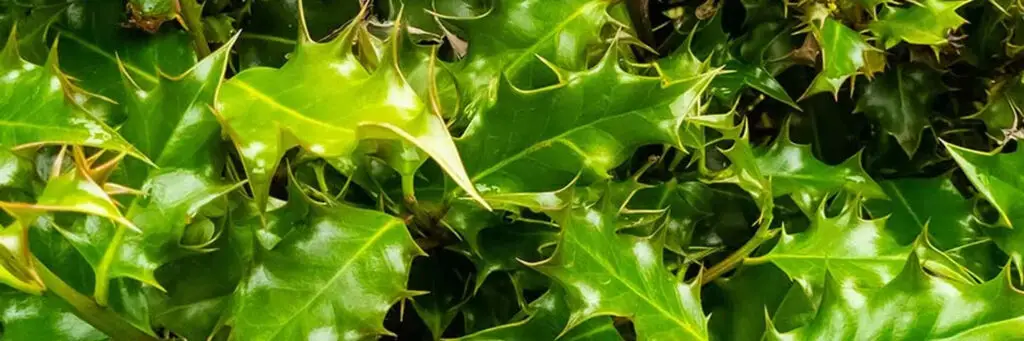
Read answerEnglish Holly is valued for dense evergreen foliage rather than rapid growth. Understanding its natural growth rate helps you choose the right…
Read answerMost mixed native hedges are dominated by deciduous species such as Hawthorn, Blackthorn, Field Maple and Hazel. Adding English Holly introduces a…
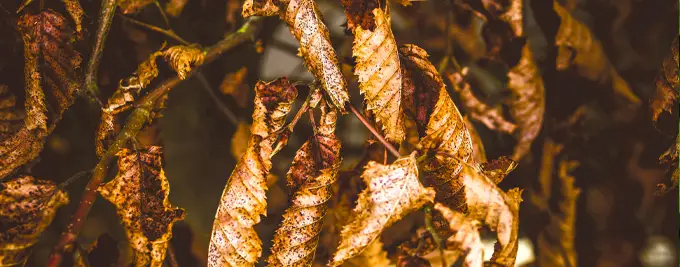
Read answerHornbeam is valued for its fresh green summer foliage, warm autumn colour and strong winter structure. Understanding how its leaves behave after…
Read answerHornbeam is a native deciduous hedge with a dense structure that can support birds, insects and small mammals. Its wildlife value depends…
Read answerLaurel is one of the UK's most popular evergreen hedges, but not every plant called Laurel has the same safety profile. This…
Read answerLaurel is one of the UK's most popular evergreen hedging plants, but dog owners quite reasonably want to know whether it is…
Read answerThere is conflicting gardening advice about Photinia Red Robin and pet safety. Veterinary toxicology sources support a cautious approach because Photinia foliage…
Read answerPrivet is often chosen for privacy, but its winter appearance is less predictable than that of a fully evergreen hedge. The variety,…
Read answerPrivet is a familiar garden hedge, but its leaves and berries are not edible. This guide explains the practical risk to people,…
Read answerYew is a familiar evergreen hedge, but its foliage, bark and seeds require particular care around animals. This guide explains the practical…
Read answerPhotinia Carré Rouge and Red Robin both provide evergreen foliage and colourful red new growth, but they differ noticeably in eventual size…
Read answer