
Is Hornbeam Evergreen? What Does It Look Like in Winter?
Hornbeam is valued for its fresh green summer foliage, warm autumn colour and strong winter structure. Understanding how its leaves behave after autumn will help you decide whether it provides enough winter screening for your garden.
Quick Answer
No. Common Hornbeam, Carpinus betulus, is deciduous rather than evergreen. Its green leaves turn yellow and gold in autumn before drying to brown. A regularly clipped hedge often retains some of these dead leaves through winter, particularly on younger growth, providing structure and partial screening. Leaf retention varies according to the hedge’s age, pruning, exposure and winter weather, so it should not be treated as guaranteed evergreen cover.
Quick Facts
| Botanical name | Carpinus betulus |
|---|---|
| Plant type | Deciduous broadleaf tree commonly grown as a hedge |
| Evergreen | No |
| Autumn colour | Yellow, gold and brown |
| Winter appearance | Dry golden-brown or darker brown leaves with visible grey branches |
| Winter leaf retention | Partial and variable, usually strongest on young clipped growth |
| Winter screening | Useful seasonal screening, but not guaranteed evergreen privacy |
| New spring growth | Fresh, bright green leaves |
| Compared with Beech | Hornbeam usually retains fewer winter leaves |
What does a Hornbeam hedge look like in winter?
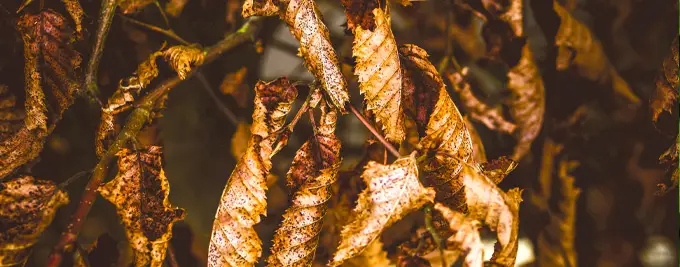
A Hornbeam hedge changes noticeably through the seasons. Its strongly veined green leaves turn yellow and gold during autumn before fading to dry shades of golden-brown, tan or darker nut-brown.
During winter, a clipped hedge may continue to carry a proportion of these dry leaves. The foliage is no longer green or actively growing, but it softens the appearance of the bare branches and gives the hedge warm seasonal colour.
The amount of visible foliage normally reduces as winter progresses. Wind, heavy rain and frost may gradually remove some leaves, while others remain attached until new spring growth begins. The pale grey stems and dense network of branches become more noticeable wherever the leaves have fallen.
Why does Hornbeam keep some of its leaves?
The retention of dead leaves on a deciduous plant is known as marcescence. Hornbeam does not remain evergreen. Instead, some of its dead autumn leaves stay attached to the shoots after they have turned brown.
This behaviour is generally most noticeable on young growth and regularly clipped hedges. A mature Hornbeam growing freely as a tree is more likely to lose a greater proportion of its leaves than a formal hedge that produces plenty of young shoots.
Trimming an established Hornbeam hedge in mid to late summer can help maintain dense young growth and may improve winter leaf retention. It cannot guarantee that every leaf will remain attached throughout winter.
Does every Hornbeam hedge retain leaves in winter?
No. Some Hornbeam hedges retain a substantial covering of brown leaves, while others become noticeably more open.
Winter leaf retention can be affected by:
- The age and maturity of the hedge
- How regularly it has been clipped
- The timing of its most recent trim
- Exposure to strong winds
- Severe or prolonged winter weather
- The amount of young growth on the hedge
- The general health and density of its branches
Sheltered, regularly maintained hedges often retain more foliage than Hornbeam growing on exposed or windy boundaries. Hopes Grove also notes that Hornbeam tends to lose more winter foliage in colder and windier gardens.
A newly planted bare-root hedge may also look fairly open during its first few winters. The plants need time to branch, thicken and knit together, so the appearance of a young hedge should not be compared directly with a mature clipped boundary.
Does Hornbeam provide privacy during winter?
Hornbeam can provide useful winter structure and partial screening, but it should not be described as a fully evergreen privacy hedge.
The retained brown leaves, closely spaced branches and dense framework help interrupt views through the hedge. However, the level of screening will vary, and gaps are usually more visible than they are during summer.
Hornbeam may be suitable where you want:
- A traditional hedge with seasonal colour
- Some winter screening without permanent green foliage
- A hedge for heavier clay or moisture-retentive ground
- A formal boundary that responds well to clipping
- A hardy hedge for cold or partially shaded positions
Customers who require dependable green foliage throughout winter should compare suitable evergreen privacy hedging rather than relying on Hornbeam to provide complete year-round cover.
How does Hornbeam compare with Beech in winter?
Hornbeam and Green Beech are both deciduous hedging plants that can retain dry foliage through winter, but they do not look identical.
Hornbeam leaves have strongly impressed veins and sharply toothed edges. In winter, they normally become yellow-brown or darker nut-brown. Beech leaves are smoother, with gently wavy edges, and usually develop a warmer copper or orange-brown colour.
Beech generally retains its winter foliage more consistently. Hornbeam often loses a greater proportion of its leaves, particularly on exposed sites, but is usually more dependable on heavier clay, colder ground and moisture-retentive soil.
How can you improve the winter appearance of a Hornbeam hedge?
Begin formative pruning while the hedge is young so that it develops plenty of branches close to the ground. A dense branch framework remains valuable even where some winter leaves are lost.
Once the hedge is established, trim it during mid to late summer, commonly in August. Remove the current season’s excessive extension growth while retaining enough young growth to support a dense hedge and encourage winter foliage retention.
Good establishment also matters. Keep newly planted Hornbeam watered during dry weather, control grass and weeds around the roots and avoid allowing the planting area to remain permanently waterlogged.
For complete guidance covering planting, spacing, watering, feeding and pruning, read the Hornbeam Hedging Care Guide.
Gwynne's Grower's Tip
Do not judge Hornbeam by the amount of foliage held on one hedge during one particular winter. A sheltered hedge may remain quite well covered, while the same plant on an exposed boundary can lose many more leaves. Concentrate on building a dense framework of branches from the base and give the hedge its main trim in late summer. The retained brown foliage is a useful seasonal benefit, but the underlying branch structure is what provides dependable shape and screening when winter weather removes more leaves than expected.
More Hornbeam Advice
For more detailed growing advice or to view the plants available from our nursery, use the links below.
Related Products
Products from our nursery that are relevant to this advice.

Useful Planting Essentials
Selected products that may help with planting, establishment and ongoing hedge care.
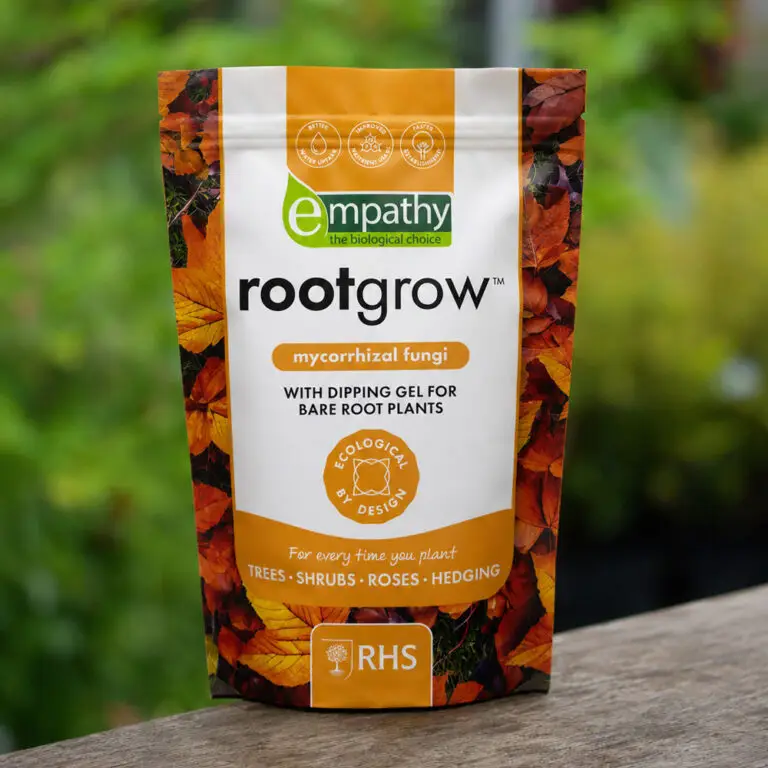
Rootgrow Mycorrhizal Fungi
Rootgrow can be applied at planting so the product is in direct contact with the roots, where appropriate for the plant and planting method.
View product
Hedge Feed
Hedge Feed provides balanced nutrition where established hedging would benefit from feeding as part of normal care.
View product
Hedge Irrigation
A hedge irrigation system can make it easier to water a new hedge consistently, particularly on longer runs and during dry weather.
View product
Hedge Compost & Mulch
Compost and mulch can support soil preparation, moisture retention and weed suppression when used appropriately around new hedging.
View product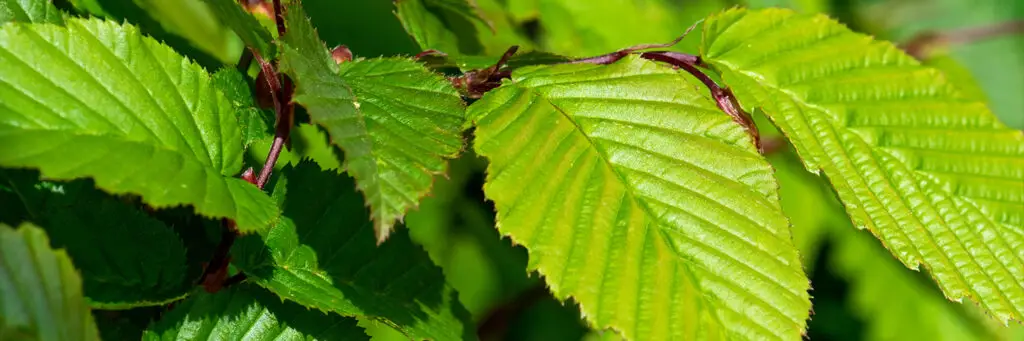
When Is the Best Time to Plant Hornbeam Hedging?
Hornbeam can be planted in several different forms, and the best planting time depends mainly on whether the plants are supplied bare…
Read answer
How Fast Does a Hornbeam Hedge Grow?
Hornbeam is a dependable native hedging plant, but the time it takes to form a useful screen depends on more than the…
Read answer
When Should I Prune a Hornbeam Hedge?
Hornbeam responds well to regular clipping, but routine trimming, formative pruning and major renovation are best carried out at different times. Choosing…
Read answer
Is Hornbeam Good for Wildlife?
Hornbeam is a native deciduous hedge with a dense structure that can support birds, insects and small mammals. Its wildlife value depends…
Read answer
What Do Hornbeam Leaves Look Like?
Hornbeam has distinctive textured foliage that changes noticeably through the seasons. Learning to recognise the leaf shape, veins and toothed edges can…
Read answer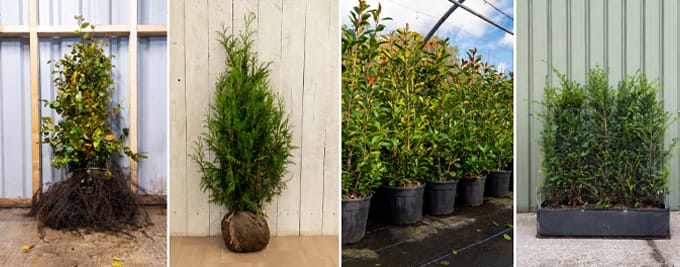
What Are the Different Hedging Root Types?
Bare root, root ball, pot-grown and instant hedging suit different budgets, planting times and levels of initial coverage. Understanding how each is…
Read answer
Is Privet Evergreen?
Privet is often chosen for privacy, but its winter appearance is less predictable than that of a fully evergreen hedge. The variety,…
Read answer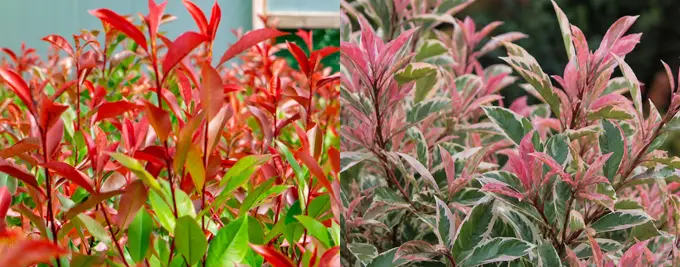
Photinia Pink Marble vs Red Robin: Which Is Better for Hedging?
Photinia Pink Marble and Red Robin are both evergreen Photinia cultivars, but they create very different hedges. Red Robin is the more…
Read answer