
Flowering Hedge Plants
Flowering hedging transforms a simple garden boundary into a living wall of colour, scent and wildlife activity. Unlike plain green screens, flowering hedges deliver seasonal blooms alongside privacy, making them the perfect choice for gardeners who want their boundaries to work harder.
This guide is aimed at UK home gardeners choosing flowering hedging plants for small and medium gardens in 2025 and beyond. Whether you’re replacing a tired fence or starting from scratch, you’ll find practical advice on the best flowering hedges for your specific situation.
- Price From £0.95 Shop Now This product has multiple variants. The options may be chosen on the product page
Blackthorn or Sloe is a thorny, native deciduous hedge plant which produces white flowers in spring, followed by attractive green leaves and Sloe's in the autumn.
- Price From £2.10 Shop Now This product has multiple variants. The options may be chosen on the product page
Box Leaf Honeysuckle Hedge is a dense, fast growing species with small glossy green leaves, scented white flowers in the spring and purple berries in the autumn. Ideal for formal...
- Price From £2.60 Shop Now This product has multiple variants. The options may be chosen on the product page
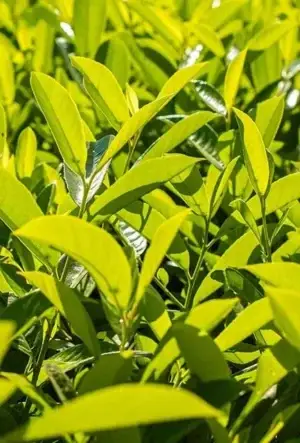
Cherry Laurel is a hugely popular vigorous, dense evergreen hedge with large glossy bright green leaves that is perfect for reducing road noise and providing privacy.
 Price From £1.20 Shop Now This product has multiple variants. The options may be chosen on the product page
Common Dogwood is best known for its bright orange stems that offer a splash of colour throughout the winter. It has green ovate leaves turning deep red in the autumn...
- Price From £1.60 Shop Now This product has multiple variants. The options may be chosen on the product page
Common Privet is a popular form of evergreen / semi evergreen hedge. Very fast growing with dark green ovate leaves and lovely white flowers that are produced in the summer.
- Price From £18.95 Shop Now This product has multiple variants. The options may be chosen on the product page
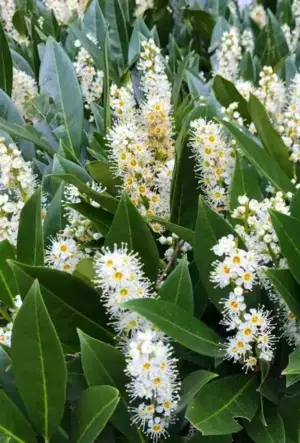
Compact Laurel is a dense, evergreen hedge with glossy dark green pointed foliage and an abundance of scented white flowers in the spring followed by black berries in the autumn.
- Price From £14.95 Shop Now This product has multiple variants. The options may be chosen on the product page
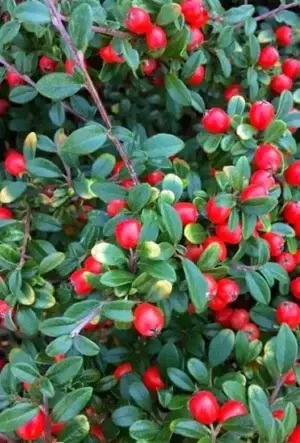
Bearberry Cotoneaster is a vigorous, flat growing, evergreen shrub that will spread to around 2m, with small, rounded ovate leaves and small white flowers in early summer, followed by bright...
- Price From £2.20 Shop Now This product has multiple variants. The options may be chosen on the product page
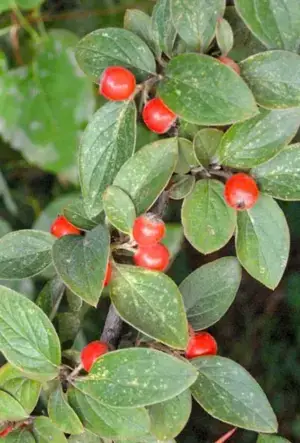
Cotoneaster franchetii is a fast growing dense evergreen hedging plant with grey-green ornate foliage. It produces blush white flowers in the spring which are followed by attractive orange berries.




What is flowering hedging and why choose it?
Flowering hedging refers to shrubs and plants grown in a line to form living boundaries, selected primarily for their blooms rather than just green screening. These hedges combine the practical benefits of a fence with the beauty of a flower border.
Privacy comes naturally as flowering shrubs mature into dense barriers. Pollinators including bees, butterflies and other pollinators flock to the nectar-rich blooms throughout the growing season. Year-round interest is achievable when you select plants with staggered flowering times, colourful berries and attractive foliage.
Key benefits include seasonal colour bursts from spring through to autumn, fragrant flowers that fill your outdoor space with scent, noise filtering that can reduce traffic sounds by 5-10 decibels, and wildlife habitat providing food and shelter for birds, insects and small mammals. Flowering hedges also offer a softer, more natural look compared with close-board fencing.
Informal flowering hedges differ from tightly clipped formal hedges like yew or privet. While topiary and formal hedging require frequent shearing that removes flower buds, informal flowering hedges need only light annual pruning. This relaxed approach suits most domestic gardens where customers want blooms rather than bowling-green precision.
How to choose the right flowering hedge for your garden
Selecting the right flowering hedge depends on your space, soil conditions, available sunlight, and what matters most to you—whether that’s privacy, scent, wildlife value or speed of growth.
Height Think about the mature size you need. Low hedges under 1m work well along paths and vegetable gardens. Medium hedges of 1-2m suit front gardens and internal boundaries. Tall hedges above 2m provide serious privacy and screening for back garden boundaries.
Garden size In smaller gardens, compact species like Cotoneaster and Pyracantha won’t overwhelm the space. Larger plots can accommodate vigorous growers like Cherry Laurel or Hawthorn.
Soil type Check whether you have chalky, clay, sandy or loamy soil. Lavender thrives in well drained soil with an alkaline pH, while camellias demand acid conditions. Hydrangeas famously change bloom colour based on soil pH—acidic soil produces blue flowers, alkaline gives you pink.
Aspect Full sun suits Oleaster and most roses. Part shade works for cherry laurel and many viburnums. Full shade limits your options but Taxus baccata (yew) and some laurels cope where light levels are poor.
Maintenance Consider how much time you want to spend with secateurs. Slow-growing shrubs like camellia need minimal attention. Vigorous plants like privet or Rosa rugosa demand frequent clipping to stay tidy.
Security If deterring unwanted visitors is a priority, thorny choices such as hawthorn or pyracantha create a dense barrier that’s difficult to push through while still looking attractive.