Bird Friendly Hedging Plants
Bird-friendly hedging

Bird Friendly Hedging Plants

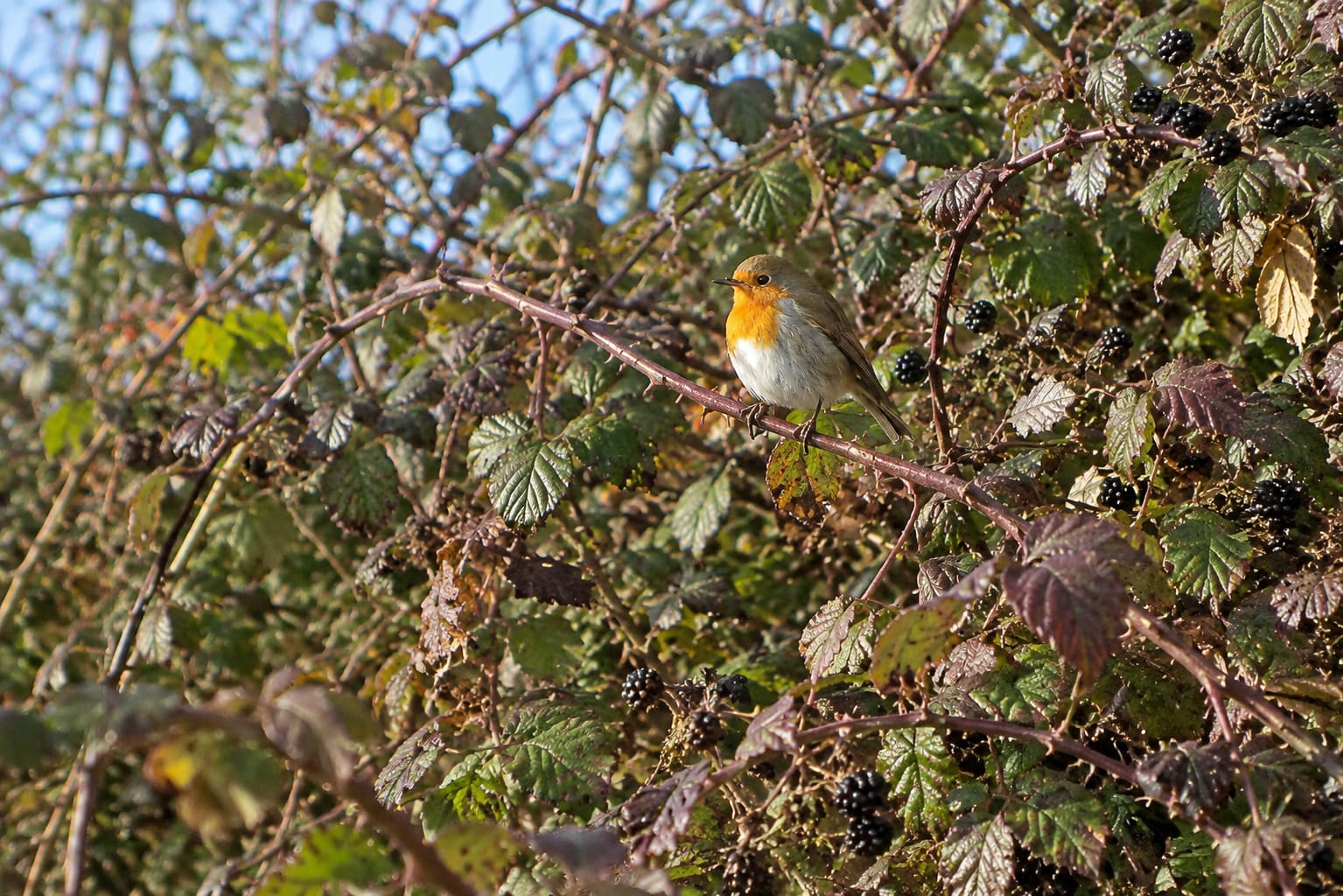
Browse bird friendly hedging plants chosen for food, shelter and nesting structure. Compare native mixes, thorny hedges, berrying evergreens and single-species options for gardens, rural boundaries and wildlife planting. The best choice depends on your soil, available space, whether thorns are suitable and how much winter cover you want, so choose the hedge for the site as well as its value to birds.
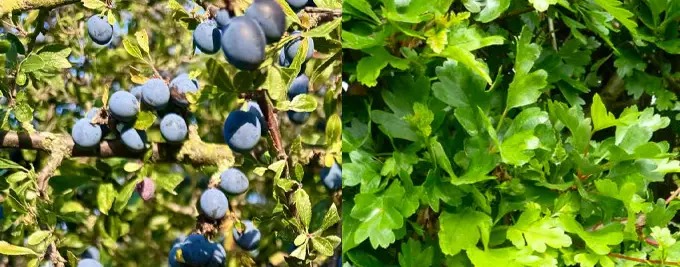
  • SALEBlackthorn hedging plantsBlackthorn HedgePrunus spinosaBlackthorn or Sloe is a thorny, native deciduous hedge plant which produces white flowers in spring, followed by attractive green leaves and Sloe's in the autumn.DeciduousFast 30-60cm per yearBare RootPot GrownPrice From £0.95Shop now
  • Common Dogwood hedging plantsCommon Dogwood HedgeCornus sanguineaCommon Dogwood is best known for its bright orange stems that offer a splash of colour throughout the winter. It has green ovate leaves turning deep red in…Colourful FoliageMedium 20-40cm per yearBare RootPot GrownPrice From £1.20Shop now
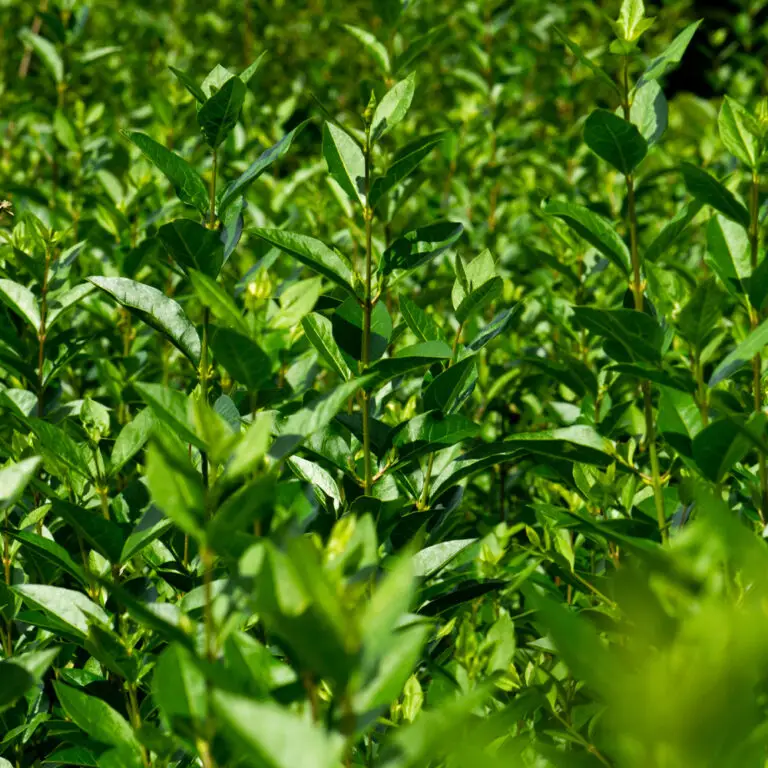
  • SALEPrivet Hedging Plants (Ligustrum ovalifolium)Common Privet HedgeLigustrum ovalifoliumCommon Privet is a popular form of evergreen / semi evergreen hedge. Very fast growing with dark green ovate leaves and lovely white flowers that are produced in…FloweringFast 30-60cm per yearBare RootRoot BalledPot GrownInstant HedgingPrice From £1.60Shop now
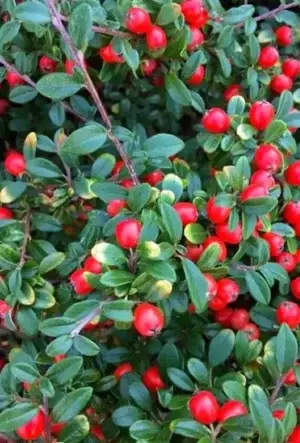
  • Cotoneaster dammeri hedging plantCotoneaster dammeri HedgeBearberry CotoneasterBearberry Cotoneaster is a vigorous, flat growing, evergreen shrub that will spread to around 2m, with small, rounded ovate leaves and small white flowers in early summer, followed…EvergreenSlow 10-20cm per yearPot GrownPrice From £14.95Shop now
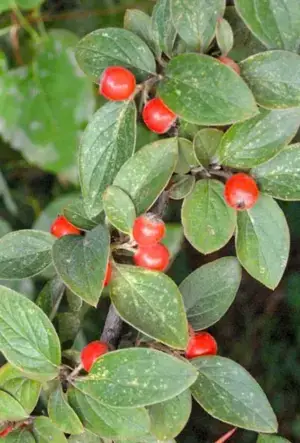
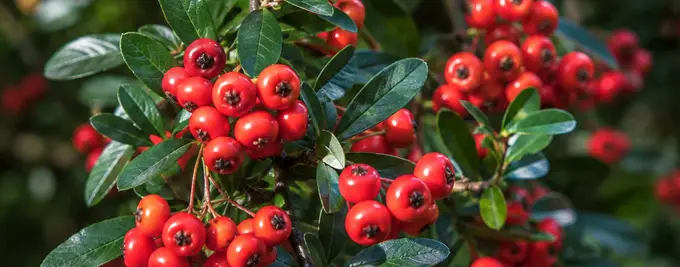
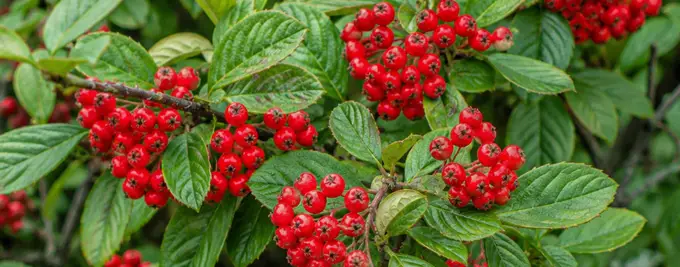
  • Cotoneaster franchetii hedging plantsCotoneaster franchetii HedgeFranchet's CotoneasterCotoneaster franchetii is a fast growing dense evergreen hedging plant with grey-green ornate foliage. It produces blush white flowers in the spring which are followed by attractive orange…Colourful FoliageMedium 20-40cm per yearBare RootPot GrownPrice From £2.20Shop now
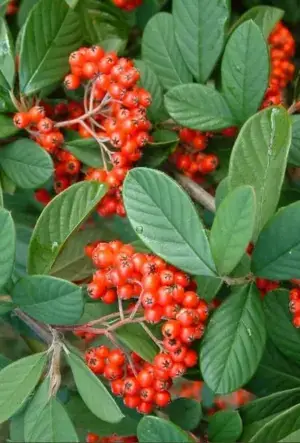
  • SALECotoneaster lacteus hedging plantsCotoneaster lacteus HedgeLate CotoneasterCotoneaster lacteus is a fast growing large evergreen hedging plant with glossy dark green leaves. It produces large clusters of white flowers in the spring, which are followed…Colourful FoliageMedium 20-40cm per yearPot GrownPrice From £10.95Shop now
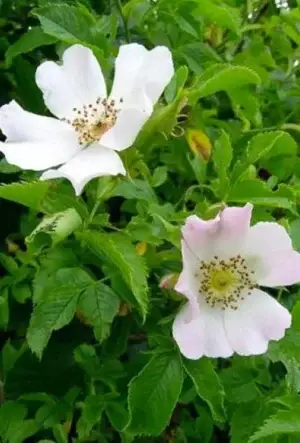
  • Dog Rose hedging plantsDog Rose HedgeRosa caninaDog Rose or Wild Rose is a thorny, rambling deciduous plant with green leaves that produces beautiful pink-white flowers in the spring followed by attractive orange hips.Colourful FoliageFast 30-60cm per yearBare RootPot GrownPrice From £1.25Shop now
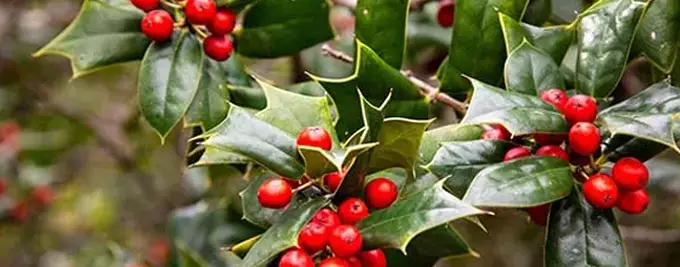
  • SALEEnglish Holly hedging plantsEnglish Holly HedgeIlex aquifoliumEnglish Holly is an attractive, native evergreen hedging plant with spiky glossy green foliage and produces white flowers in the spring.EvergreenSlow 10-20cm per yearRoot BalledPot GrownInstant HedgingPrice From £3.50Shop now

Mixed Native Hedge or Hawthorn Hedge?

Both are strong bird-friendly choices, but they suit different garden styles and buying priorities.
CompareMixed Native HedgingHawthorn Hedging
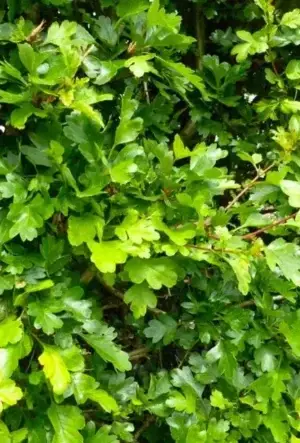
Seasonal varietySeveral species can spread flowers, fruit, seeds and shelter across the seasonsSpring blossom, dense thorny structure and autumn haws from one dependable species
AppearanceVaried, informal and naturally suited to wildlife or countryside-style plantingMore uniform and easier to maintain as one consistent hedge
SpaceBest where there is room for a broader, more varied hedgeUseful where you want a simpler defined boundary
ThornsDepends on the mix; many wildlife mixes contain Hawthorn or BlackthornThorny, so consider paths, gates and frequently used areas
Winter lookMostly seasonal unless the chosen mix includes evergreen speciesDeciduous, with a dense woody framework remaining through winter
Choose whenYou want broader seasonal variety and a natural mixed habitatYou want a traditional bird-friendly hedge with a more uniform appearance
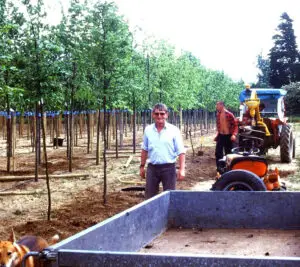
Gwynne Bodsworth, founder and grower at Hedging Plants Direct
Expert nursery advice

Gwynne's Grower's Tip

For birds, I would not choose a hedge only by how many berries it produces. A useful hedge needs structure as well as food: dense branching for shelter and potential nesting sites, flowers and insects through spring, then fruit, seeds or nuts later in the year. A mixed native hedge gives the widest seasonal variety, while Hawthorn, Holly or Pyracantha can work well where you want a more uniform boundary. If berries matter, remember that very hard, frequent clipping can remove flowering and fruiting growth. Get the plant right for the soil, space and exposure first, because a struggling hedge will never make good cover.
Helpful answers

Frequently asked questions

01What Makes a Hedge Bird Friendly?

A bird-friendly hedge provides useful structure as well as seasonal food. Dense branching and foliage can offer shelter and potential nesting sites, while flowers support insects and berries, haws, hips, seeds or nuts can provide food at different times of year.

The strongest choice is a hedge that provides those benefits while also suiting the soil, exposure and available space.

02Is a Mixed Native Hedge Better for Birds Than One Species?

A mixed native hedge usually provides a wider range of flowers, fruit, seeds and shelter because several species contribute at different times. It is often the best choice where wildlife value and a natural appearance are the main priorities.

A single-species hedge such as Hawthorn can still be highly valuable and may be easier to keep as a uniform garden boundary.

03Do Bird-Friendly Hedges Need to Be Evergreen?

No. Evergreen foliage can provide useful winter cover, but many excellent bird-friendly hedges are deciduous. Hawthorn, Blackthorn, Hazel, Field Maple and other native species can provide blossom, insects, fruit, seeds and dense branch structure through the year.

Choose evergreen plants where winter screening is also important rather than assuming evergreen automatically means better for birds.

Helpful next steps

Growing Advice for Bird Friendly Hedging Plants

Browse all Q&A

Choosing Bird Friendly Hedging Plants

Bird-friendly hedging works best when the planting gives birds more than one benefit. Dense branching provides shelter and potential nesting structure, while flowers support insects and later berries, haws, hips, seeds or nuts can add seasonal food. The best balance of those features depends on the boundary you are planting.

Mixed or Single-Species?

A mixed native hedge is a strong choice where wildlife value and a natural appearance are the priorities because different species can contribute at different times of year. A single-species hedge such as Hawthorn can be easier to keep uniform and may suit a smaller or more formal boundary.

Match the Hedge to the Site

Before choosing for berries or blossom, check the soil, exposure, available width and whether thorns are suitable beside paths, play areas or regularly used access points. Evergreen species can add winter cover, while deciduous native hedges usually provide more obvious seasonal change. The product range above lets you compare species, root types and starting sizes so you can balance bird value with the practical needs of the garden.