
Do Birds Eat Holly Berries?
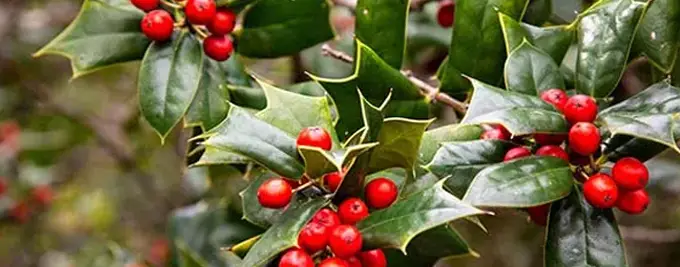
Holly berries are one of the most recognisable features of an English Holly hedge in winter. As well as providing seasonal colour, they can become a useful natural food source for several familiar British garden birds.
Quick Answer
Yes. Many UK birds eat Holly berries, particularly during autumn and winter. Blackbirds, Song Thrushes, Mistle Thrushes, Redwings, Fieldfares, Blackcaps and Woodpigeons are among the species known to feed on them. Holly berries can remain on the plant into late winter or early spring, making them useful when many other fruits have already disappeared. Only pollinated female Holly plants produce berries.
Quick Facts
| Do birds eat Holly berries? | Yes, several UK bird species feed on them |
|---|---|
| Common visitors | Blackbird, Song Thrush, Mistle Thrush, Redwing, Fieldfare, Blackcap and Woodpigeon |
| Main feeding period | Autumn through winter, with berries often remaining into early spring |
| Which Holly plants produce berries? | Pollinated female plants |
| Value to wildlife | Winter food plus evergreen shelter and nesting cover |
Which UK birds eat Holly berries?
English Holly, Ilex aquifolium, provides fruit for several of Britain’s familiar berry-eating birds.
The British Trust for Ornithology specifically lists Holly berries as being favoured by:
- Blackbirds
- Song Thrushes
- Mistle Thrushes
- Redwings
- Fieldfares
- Blackcaps
- Woodpigeons
These include resident garden birds as well as winter visitors such as Redwings and Fieldfares. British Trust for Ornithology also records Holly as one of the garden plants used by Blackcaps during the colder months.
Holly is particularly associated with Mistle Thrushes. A bird may defend a berry-rich Holly against other birds, effectively keeping the fruit as its own winter food supply.
When do birds eat Holly berries?
Holly berries ripen during autumn and can remain on the plant well into winter. If they are not eaten, some can still be present in early spring.
That longevity is one reason Holly is valuable to wildlife. By late winter, many softer fruits and berries have already been eaten, while Holly can still be carrying fruit. British Trust for Ornithology describes Holly as a significant late-winter food source for this reason.
A Holly hedge covered in berries during the early part of winter therefore does not mean birds are ignoring it. Those berries may become more useful as other natural food sources disappear.
Mistle Thrushes can also influence how long berries remain because they sometimes guard fruiting Holly and prevent other birds from feeding freely.
Why is Holly useful to birds beyond its berries?
The berries are only one part of Holly’s wildlife value.
Its dense evergreen foliage provides year-round shelter and potential nesting cover. Unlike deciduous hedges that lose their leaves during winter, established Holly retains a thick structure through the colder months.
Spring flowers also provide nectar and pollen for insects, while the foliage supports species including Holly Blue butterfly caterpillars. This combination of food, shelter and evergreen cover makes Holly particularly useful in wildlife-focused planting.
For gardeners wanting an evergreen boundary with wildlife value, English Holly can therefore perform several jobs within the same hedge rather than simply producing berries.
Why do some Holly hedges have no berries?
Not every English Holly plant will produce berries.
Common Holly is normally dioecious, which means male and female flowers are carried on separate plants. Only female plants can develop berries, and their flowers must first be pollinated by a compatible male Holly flowering nearby.
A lack of berries does not necessarily mean there is anything wrong with the hedge. Possible reasons include:
- the plants are male
- there is no suitable male pollinator nearby
- the plants are still too young to flower strongly
- flowering shoots have been removed by pruning
- weather or poor pollinator activity reduced fruit set
Heavy annual clipping can make a particular difference because Holly must be allowed to flower before berries can develop.
More detailed advice on pollination, pruning and berry production is covered in the Holly Hedging Care Guide.
Can birds eat Holly berries if people should not?
The fact that wild birds naturally eat Holly berries does not mean the berries are suitable for people.
BTO identifies Holly berries as dangerous to humans and states that eating them can cause nausea and vomiting. Hedging Plants Direct similarly recommends treating the berries as ornamental rather than edible and keeping fallen berries away from young children and pets where ingestion is a concern.
The useful distinction is simple: several wild British bird species naturally feed on Holly berries, but people should not use bird feeding behaviour as an indication that a berry is safe for human consumption.
How can I make a Holly hedge more useful for birds?
If wildlife and winter berries are priorities, avoid clipping every section of the hedge into a very narrow formal line.
Leaving some flower-bearing shoots uncut gives female plants a better chance of setting berries. A slightly broader hedge also provides more cover than a tightly clipped hedge.
When pruning Holly:
- check carefully for active bird nests before cutting
- retain some flowering shoots where berries are wanted
- avoid unnecessary heavy clipping of berry-producing growth
- allow some sections to develop a slightly more natural structure
Hedging Plants Direct’s Holly care guide recommends this less intensive approach where wildlife value and winter berries are important.
Gwynne's Grower's Tip
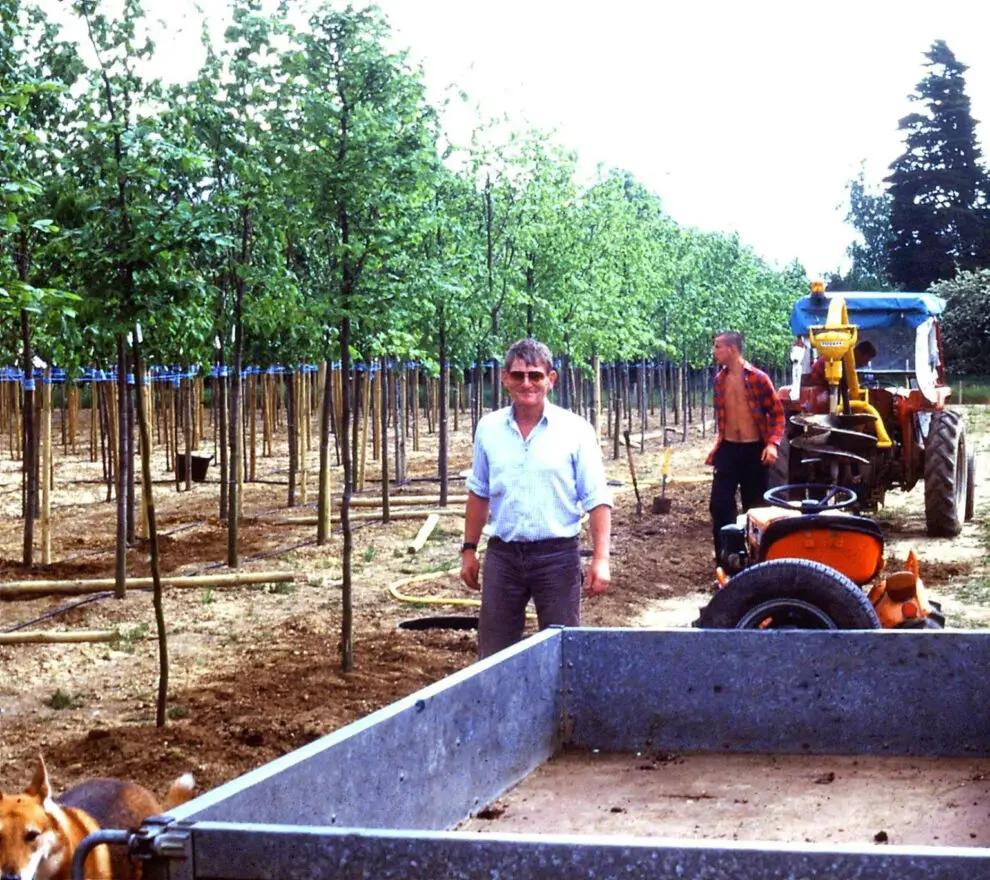
If you want Holly primarily for wildlife, don't worry about keeping every part of the hedge perfectly clipped. Leave some of the best flowering shoots alone and let sections become slightly broader. Those flowers are what can become berries later in the year, so repeatedly cutting them away will reduce the crop. If an established Holly has healthy growth but very few berries, I would look at pollination and pruning before reaching for fertiliser. Always check carefully for active nests before trimming.
More Holly Advice
For more detailed growing advice or to view the plants available from our nursery, use the links below.
Related Products
Products from our nursery that are relevant to this advice.

What Are the Different Hedging Root Types?
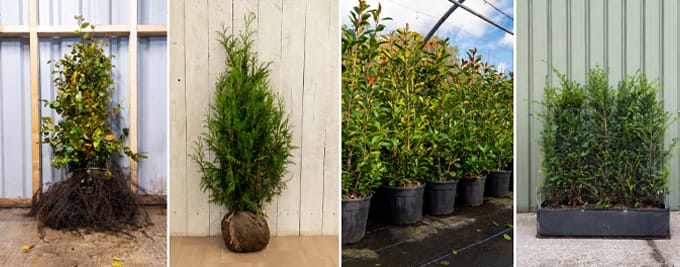
Bare root, root ball, pot-grown and instant hedging suit different budgets, planting times and levels of initial coverage. Understanding how each is…
Read answer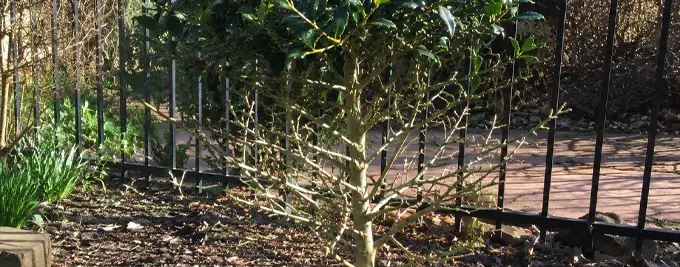
Do Deer and Rabbits Eat Holly Hedging?
Holly's tough, spiny leaves can give the impression that deer and rabbits will leave it alone. In practice, young English Holly can…
Read answer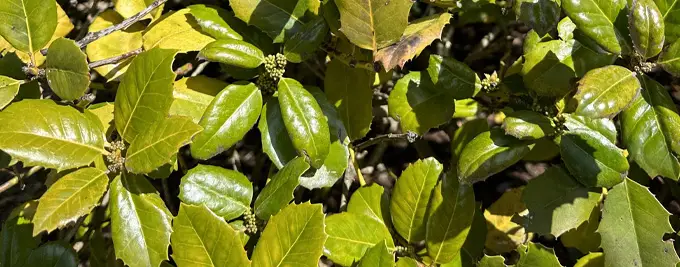
What Is Holly Transplant Shock and How Long Does It Last?
A newly planted or moved Holly can temporarily lose its glossy appearance, drop leaves or make little new growth while its roots…
Read answer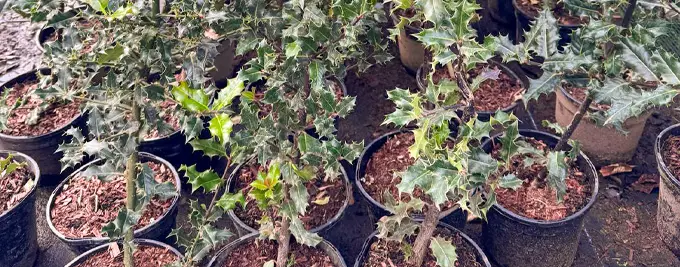
Can Holly Be Grown as a Hedge in Pots or Containers?
A row of English Holly can create evergreen structure and screening on patios, courtyards and other places where planting directly into the…
Read answer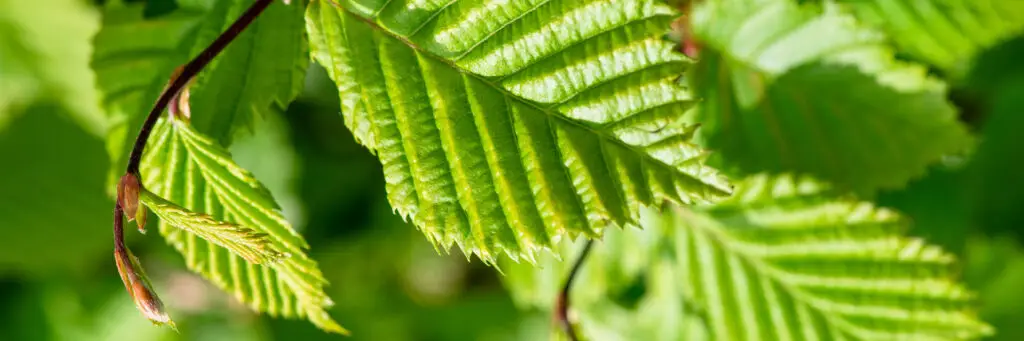
Is Hornbeam Good for Wildlife?
Hornbeam is a native deciduous hedge with a dense structure that can support birds, insects and small mammals. Its wildlife value depends…
Read answerDo Deer and Rabbits Eat Holly Hedging?
Holly's tough, spiny leaves can give the impression that deer and rabbits will leave it alone. In practice, young English Holly can…
Read answer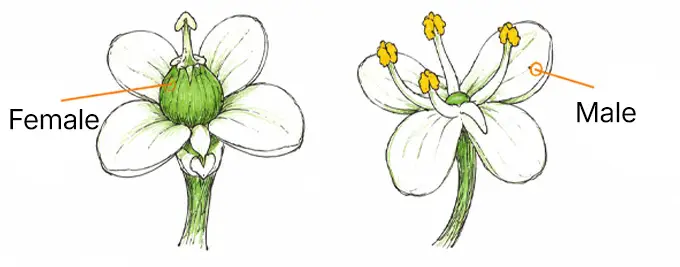
How Can You Tell Male and Female Holly Plants Apart?
Male and female English Holly plants can look almost identical for most of the year. The easiest time to tell them apart…
Read answer
When Should Hedges Be Cut to Avoid Nesting Birds?
Hedges provide valuable nesting cover for many British garden birds. Planning routine trimming around the breeding season reduces the risk of damaging…
Read answer