
Hedging Plants for Full Sun
Hedging for bright, sunny positions

Hedging Plants for Full Sun

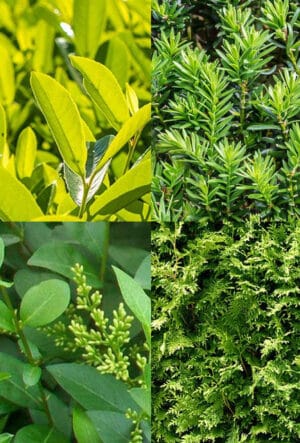
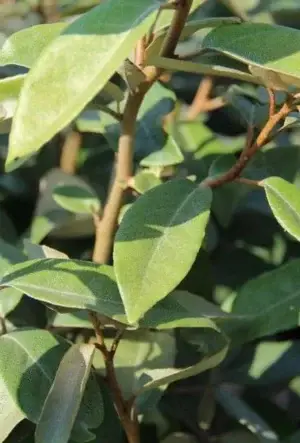
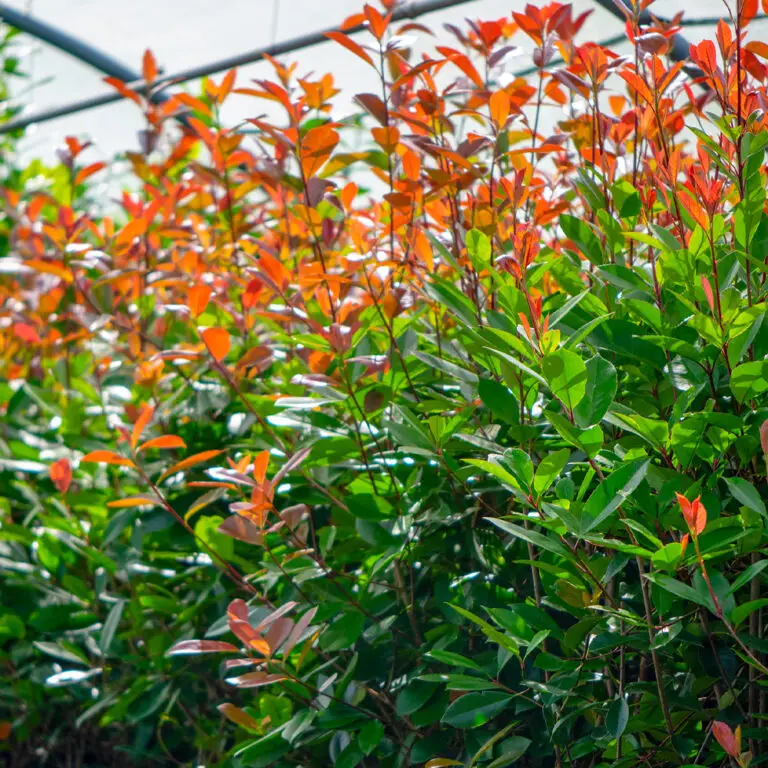
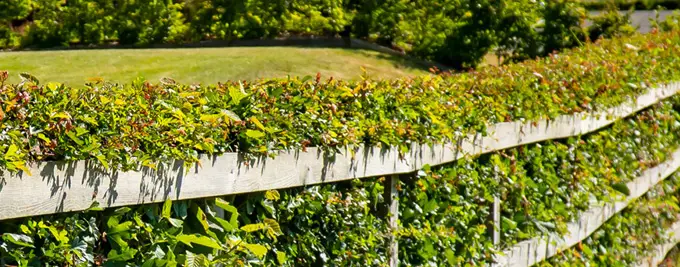
Shop hedging plants for full sun, from colourful evergreen screens to traditional formal and native hedges. A bright position gives you a wide choice, but sunlight is only part of the decision: soil moisture, drainage, wind and available space still matter. Photinia Red Robin colours particularly well in good light, while Laurel, Privet, Yew, Beech, Pyracantha and Oleaster are among the many useful sunny-site options. Choose the hedge by the finish you want as well as the amount of sun.
  • SALEBlackthorn hedging plantsBlackthorn HedgePrunus spinosaBlackthorn or Sloe is a thorny, native deciduous hedge plant which produces white flowers in spring, followed by attractive green leaves and Sloe's in the autumn.CoastalDeciduousBare RootPot GrownPrice From £0.95Shop now
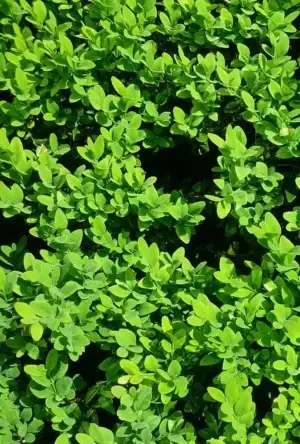
  • SALEBox hedging plantsBox Hedge(Buxus Sempervirens)Box hedge is a dense, slow growing species, it has small glossy green leaves and a compact growing habit, which makes it ideal for formal hedges and topiary.Full ShadeEvergreenBare RootRoot BalledPot GrownPrice From £2.40Shop now
  • SALEBox Leaf Honeysuckle hedging plantsBox Leaf Honeysuckle HedgeLonicera nitidaBox Leaf Honeysuckle Hedge is a dense, fast growing species with small glossy green leaves, scented white flowers in the spring and purple berries in the autumn. Ideal…CoastalBox AlternativeBare RootPot GrownPrice From £2.10Shop now
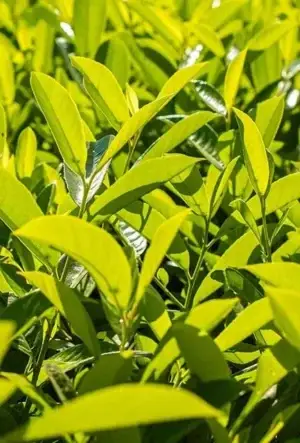
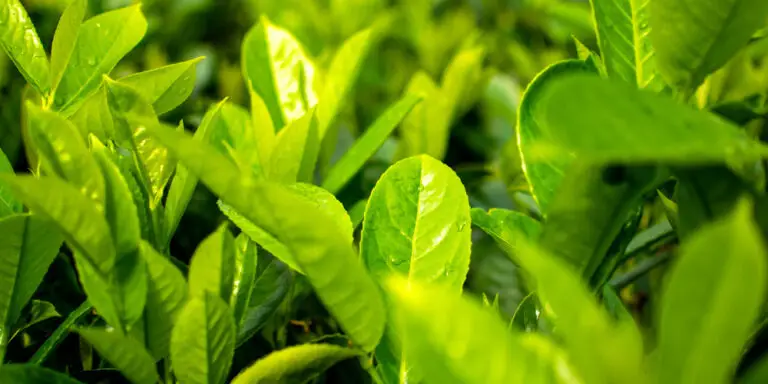
  • SALECherry Laurel (Prunus laurocerasus)Cherry Laurel HedgePrunus laurocerasus RotundifoliaCherry Laurel is a hugely popular vigorous, dense evergreen hedge with large glossy bright green leaves that is perfect for reducing road noise and providing privacy.CoastalEvergreenBare RootRoot BalledPot GrownInstant HedgingPrice From £2.60Shop now
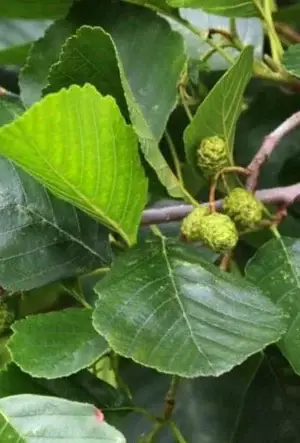
  • Common Alder hedging plantsCommon Alder HedgeAlnus glutinosaAlnus glutinosa is a fast growing, native, deciduous plant that has glossy, dark green foliage and brown catkins in the autumn that thrives in wet soil.CoastalDeciduousBare RootPot GrownPrice From £1.35Shop now
  • Common Dogwood hedging plantsCommon Dogwood HedgeCornus sanguineaCommon Dogwood is best known for its bright orange stems that offer a splash of colour throughout the winter. It has green ovate leaves turning deep red in…Full SunColourful FoliageBare RootPot GrownPrice From £1.20Shop now
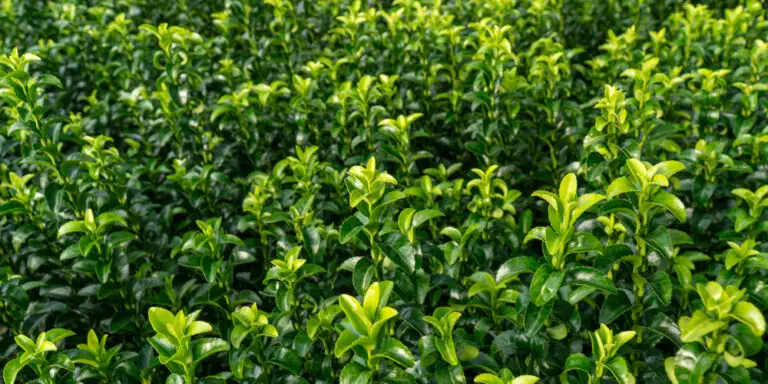
  • SALEPrivet Hedging Plants (Ligustrum ovalifolium)Common Privet HedgeLigustrum ovalifoliumCommon Privet is a popular form of evergreen / semi evergreen hedge. Very fast growing with dark green ovate leaves and lovely white flowers that are produced in…CoastalFloweringBare RootRoot BalledPot GrownInstant HedgingPrice From £1.60Shop now
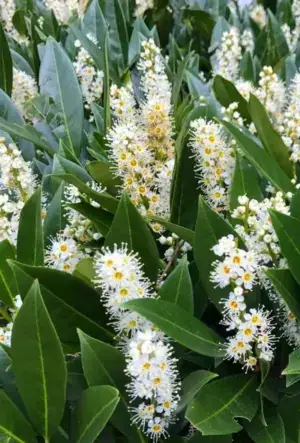
  • SALECompact Laurel hedging plantsCompact Laurel HedgePrunus laur. 'Otto Luyken'Compact Laurel is a dense, evergreen hedge with glossy dark green pointed foliage and an abundance of scented white flowers in the spring followed by black berries in…ExposedEvergreenPot GrownPrice From £18.95Shop now

Photinia Red Robin or Laurel for Full Sun?

Both make evergreen garden screens in sunny positions, but they offer different foliage, growth rates and finished character.
ComparePhotinia Red Robin HedgingLaurel Hedging
Main appealBright red new foliage with glossy evergreen leavesDense dependable evergreen screening and strong privacy
Full sunExcellent; good light usually gives the strongest red colourExcellent, provided the roots have suitable moisture and drainage
Growth rateMedium, commonly around 20–40cm a year once establishedVaries by Laurel; Cherry Laurel is usually the faster privacy option
Hedge characterColourful, ornamental and slightly softer in appearanceBold, dense and strongly screening
ExposureBest away from the harshest cold drying windsCherry and Portuguese Laurel suit many exposed sites once established
Choose whenSeasonal foliage colour is as important as evergreen screeningFast, dense privacy is the main priority
Gwynne Bodsworth, founder and grower at Hedging Plants Direct
Expert nursery advice

Gwynne's Grower's Tip

A sunny position gives you plenty of choice, but I would not select a hedge on light levels alone. An open south-facing boundary can also be dry, windy or reflected by heat from paving and walls, which changes what will establish most easily. Photinia is a good example: full sun gives the strongest red foliage, but the roots still need reliable moisture and the young growth prefers some protection from severe cold winds. Yew, Privet and Oleaster can all suit sunny sites too, but they create very different finished hedges. Decide first whether you want fast privacy, colour, a formal clipped finish or extra toughness, then match that choice to the soil and exposure.
Helpful answers

Frequently asked questions

01What Are the Best Hedge Plants for Full Sun?

Photinia Red Robin, Laurel, Privet, Yew, Beech, Pyracantha and Oleaster are all useful choices for sunny positions when the soil and exposure also suit them. The best plant depends on whether you need evergreen privacy, faster growth, seasonal colour, a formal clipped hedge or extra tolerance of wind and dry ground.

Full sun alone should not be used as the only selection factor.

02Does Full Sun Mean a Hedge Must Be Drought Tolerant?

No. Full sun describes the amount of direct light a site receives, while drought tolerance describes how well a plant copes when moisture is limited. A sunny border with moisture-retentive soil can support plants that would struggle on a very dry sandy bank.

Check the soil, drainage and summer moisture as well as the amount of sunlight before choosing.

03Which Evergreen Hedge Has the Best Colour in Full Sun?

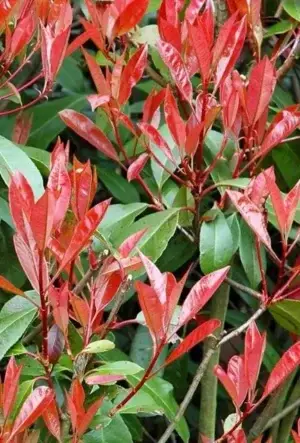
Photinia Red Robin is one of the strongest choices where colourful evergreen foliage is the priority. Its new shoots emerge bright red and the colour is normally strongest in full sun or bright partial shade.

Golden Privet and variegated Oleaster can also give brighter foliage in sunny positions, while Pyracantha adds seasonal flowers and colourful berries.

Helpful next steps

Growing Advice for Hedging Plants for Full Sun

Photinia Red RobinCare GuidePhotinia Red Robin Hedging Care Guide: Planting, Spacing and PruningPhotinia Red Robin Hedging Care Guide: Planting, Spacing and Pruning Photinia Red Robin hedging grows best in fertile, humus-rich soil that is moist but well drained, in full…Read care guide Euonymus Green Spire forming a low evergreen hedgeCare GuideEuonymus Hedging Care Guide: Planting, Spacing and PruningEuonymus Hedging Care Guide: Planting, Spacing and Pruning Euonymus hedging grows best in moist but well-drained soil, with thorough watering during establishment and light pruning suited to the…Read care guide Mixed native hedge beside an informal country garden in the UKCare GuideNative Mixed Hedging Care Guide: Planting, Spacing and PruningNative Mixed Hedging Care Guide: Planting, Spacing and Pruning A mixed native hedge establishes successfully when the species suit the site, the planting line is thoroughly prepared, the…Read care guide Established Laurel hedge with glossy evergreen foliageCare GuideLaurel Hedging Care Guide: Planting, Spacing and PruningLaurel Hedging Care Guide: Planting, Spacing and Pruning Laurel hedging establishes best when you choose the right type for the site, plant it at the same depth it…Read care guide Privet HedgingCare GuidePrivet Hedging Care Guide: Planting, Spacing and PruningPrivet Hedge Care Guide: Planting, Spacing and Pruning Privet hedging establishes best in moist but well-drained soil when it is planted at the same depth it was growing…Read care guide Dogwood hedge - CornusCare GuideDogwood Hedge Care Guide: Planting, Spacing and PruningPractical UK advice for planting, spacing, watering, feeding, pruning and maintaining Dogwood hedging, including winter stem colour, wildlife value and common problems.Read care guide

Choosing Hedging Plants for Full Sun

A sunny boundary can support a wide range of hedging, so the best choice usually comes down to what you need the hedge to do. Photinia Red Robin is particularly useful where bright new foliage is part of the design, while Laurel provides strong evergreen privacy, Privet gives vigorous economical coverage and Yew creates a slower-growing formal screen.

Sunlight Is Only One Part of the Site

Full sun does not automatically mean dry soil. Some sunny borders retain plenty of moisture, while others become hot and dry because they are sandy, exposed or beside paving and walls. Check drainage and summer moisture before choosing, especially when planting larger evergreen plants with substantial leaf area.

Colour, Privacy or Toughness?

Use Photinia where foliage colour matters, Laurel where fast dense screening is the priority and Yew for a controlled formal evergreen hedge. Oleaster is particularly useful when the sunny position is also windy, exposed or coastal. For flowers, berries and thorny security, Pyracantha is another strong sunny-site option. Match the plant to the complete site rather than treating sunlight as the only requirement.