
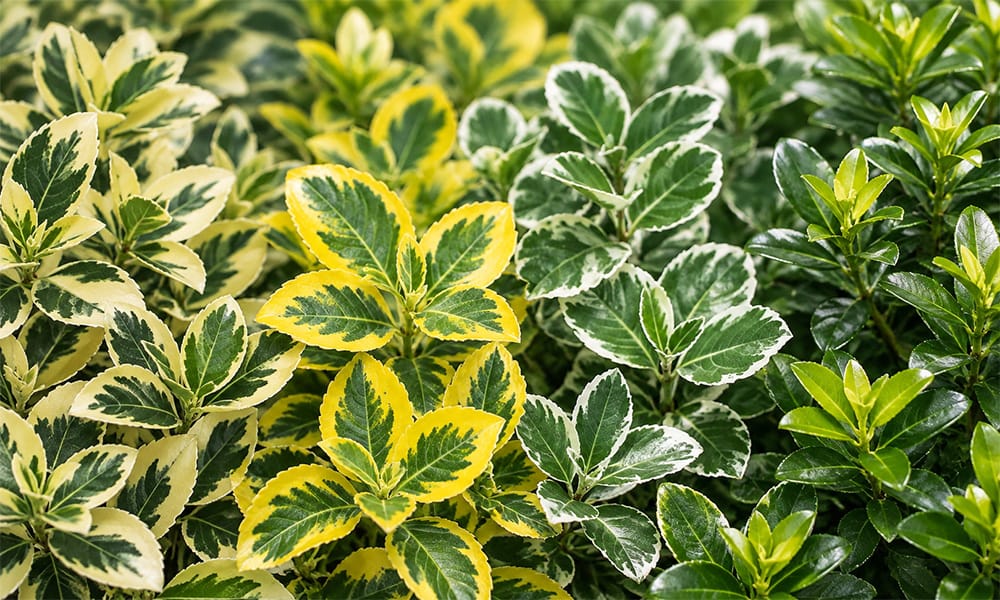
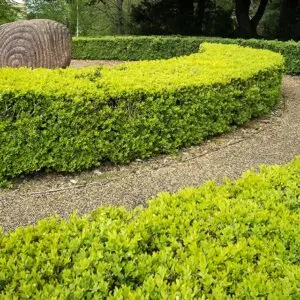
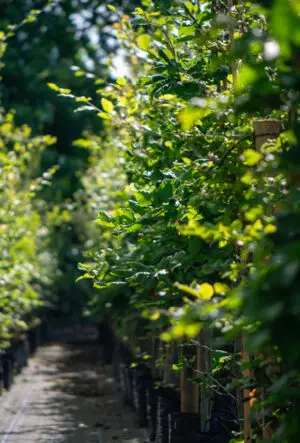
Euonymus Hedging is an attractive, evergreen hedging species, with variegated or dark green foliage and is an ideal choice for edging or low growing hedges.
Choose the right Euonymus hedge
Choose by the finish you want rather than by the Euonymus name alone.
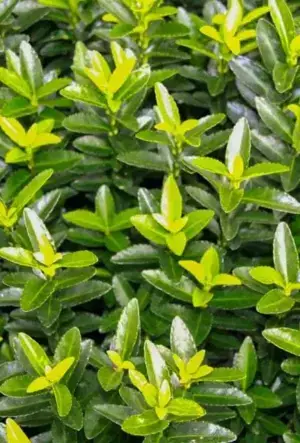
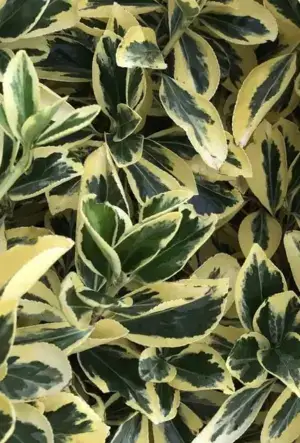
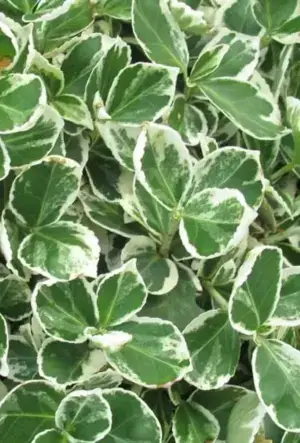
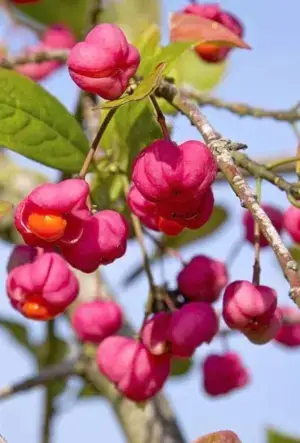
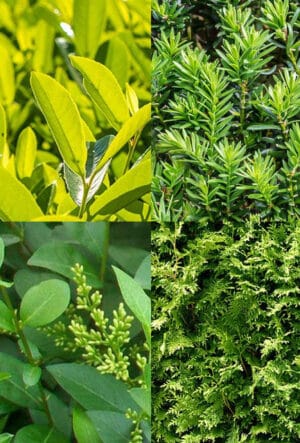
Euonymus Green SpireGreen Spire has small dark evergreen leaves and narrow upright growth for neat edging, parterres and low formal hedges.Euonymus Jean HuguesJean Hugues gives a dense evergreen finish similar to Green Spire but develops a slightly broader, bushier outline.Euonymus BravoBravo has broader cream-variegated foliage and suits decorative evergreen boundaries where colour matters more than a traditional Box-like finish.Native SpindleNative Spindle is deciduous, taller and more informal, with autumn colour and ornamental fruits rather than year-round evergreen structure.



Expert nursery advice
Gwynne's Grower's Tip
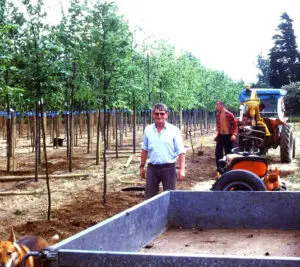
When someone asks me for Euonymus, I first ask what finish they want. Green Spire is usually my starting point for a narrow, small-leaved Box-style hedge, while Jean Hugues is denser and a little broader. Bravo is a different look altogether, with larger variegated foliage, and native Spindle is deciduous rather than an evergreen formal hedge. I would also choose the starting size to suit the job: smaller pot-grown plants can be economical for a long run, while larger seasonal root-balled plants give more immediate structure. For a tall privacy screen, I would normally choose a different hedge species.
Helpful answers
Frequently asked questions
01Which Euonymus japonicus Should I Choose?
Choose Green Spire for the narrowest, most Box-like dark green formal hedge. Jean Hugues gives a similarly dense evergreen finish but is usually broader and bushier. Bravo has larger cream-variegated leaves and creates a more decorative, shrub-like hedge. Silver Queen, Emerald 'n' Gold and Emerald Gaiety are lower, spreading choices for colourful edging and smaller boundaries. Native Spindle is not an evergreen Euonymus japonicus cultivar; it is a deciduous native shrub for informal and wildlife-focused hedging.
02Is Euonymus a Good Alternative to Box Hedging?
Yes. Green Spire is one of the closest Euonymus choices for a small-leaved, dark green formal hedge, with Jean Hugues another strong option. Because they are Euonymus rather than Buxus, they are not hosts for Box blight or Box tree caterpillar. They are not problem-free plants, however, and should still be matched to the site and monitored for Euonymus-specific pests and diseases.
03Why Choose Euonymus Hedging?
Euonymus offers compact evergreen choices for low formal hedges, edging and Box alternatives, plus variegated cultivars for year-round colour. The range also includes native Spindle for informal and wildlife-focused planting. Most evergreen cultivars suit smaller spaces and respond well to clipping, but the genus is varied, so choose by final height, width, foliage and intended hedge style rather than treating every Euonymus as interchangeable.
04Is Euonymus Evergreen or Deciduous?
Green Spire, Jean Hugues, Bravo, Silver Queen, Emerald 'n' Gold and Emerald Gaiety are evergreen under normal UK conditions. Native Spindle, Euonymus europaeus, is deciduous and loses its leaves in autumn. If winter screening matters, check the exact botanical name and product description rather than assuming every Euonymus is evergreen.
05How Many Euonymus Plants Do You Need?
There is no single spacing for the whole Euonymus range. Plant density varies with cultivar, starting height and root type. Small pot-grown Green Spire and Jean Hugues are normally planted more closely than larger root-balled specimens, while broader plants such as Bravo need more room. Use the plants-per-metre figure shown against the exact live product variation as the final ordering guide.
06Where Does Euonymus Hedging Grow Best?
Most Euonymus grows well in full sun or partial shade in reasonably fertile, moist but well-drained soil. Upright green-leaved cultivars usually form their densest formal growth with good light, while variegated forms show their clearest colour in sun or bright partial shade. Euonymus fortunei cultivars generally tolerate more shade than upright Euonymus japonicus. Avoid permanently waterlogged ground and choose carefully for very exposed sites.
Helpful next steps
Browse all Q&A Expert growing advice
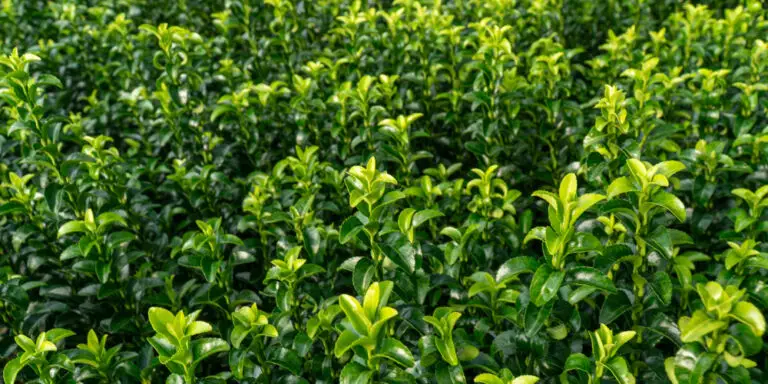
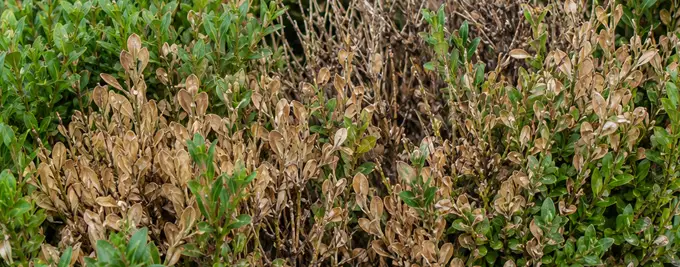 Q&ACan I Replace a Box Hedge With Green Spire After Box Blight?Green Spire is one of the closest Euonymus alternatives to a neat low Box hedge. A previous box-blight outbreak does not infect Green Spire, but cleaning the old…Read answer
 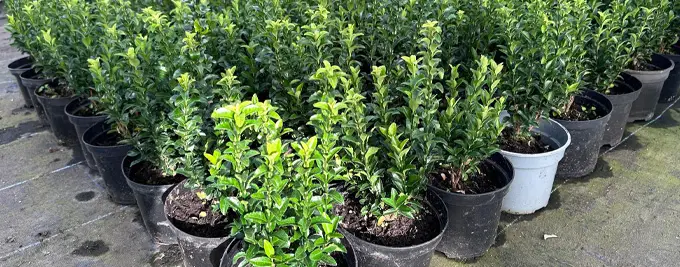 Q&ACan Euonymus Green Spire Be Grown in Pots?Green Spire's naturally upright, compact habit makes it well suited to container growing. Pots do, however, need more regular watering and root management than plants growing in open…Read answer
  Q&AIs Euonymus Green Spire Poisonous to Dogs and Cats?Green Spire is an attractive evergreen hedge, but it is not a plant to treat as edible. Pet owners should prevent dogs and cats from chewing the foliage,…Read answer
  Q&ADo Deer or Rabbits Eat Euonymus Green Spire?Green Spire should not be regarded as reliably browse-proof. The amount of damage depends heavily on local animal pressure, alternative food and how accessible young plants are.Read answer