Laurel Hedging Plants

Laurel Hedging Plants

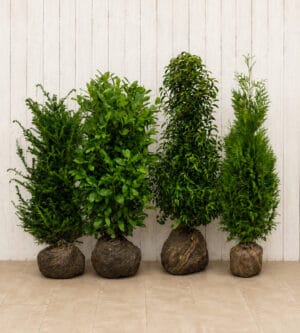
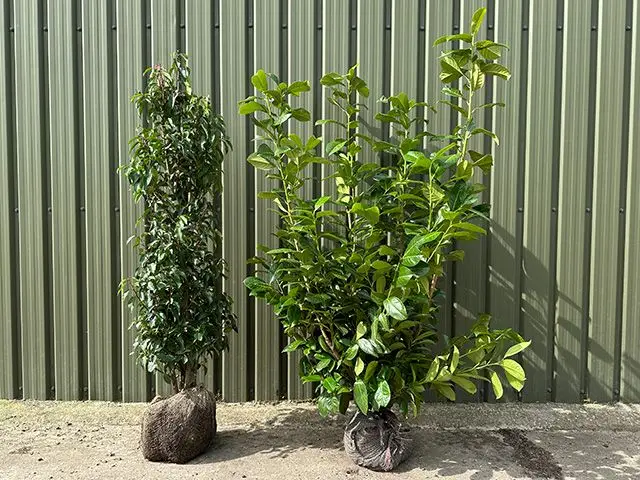
Shop our range of Laurel hedging plants for year-round privacy, screening and structure in UK gardens and landscaping projects. Choose from vigorous Cherry Laurel, refined Portuguese Laurel, narrow-growing Upright Laurel, low-growing Compact Laurel and aromatic Sweet Bay, with a selection of sizes and root types available.

Hedging Plants Direct is a family-run nursery business established in 1982. We supply Laurel hedge plants to homeowners, gardeners, landscapers, developers, trade and commercial customers across the UK. Browse the plants below to compare current sizes, prices, availability and recommended planting densities.

Cherry Laurel or Portuguese Laurel?

These are the two main Laurel choices when customers want evergreen screening but prefer different growth habits and finishes.
CompareCherry LaurelPortuguese Laurel
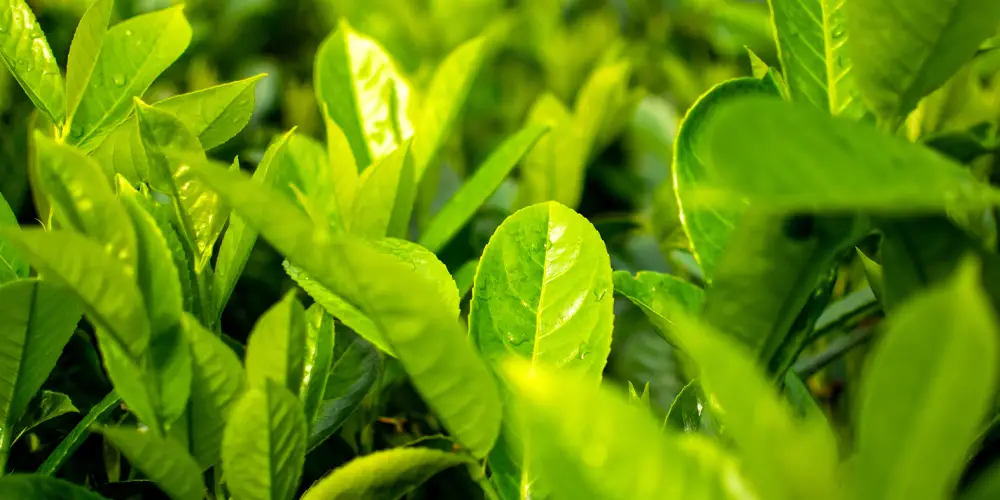
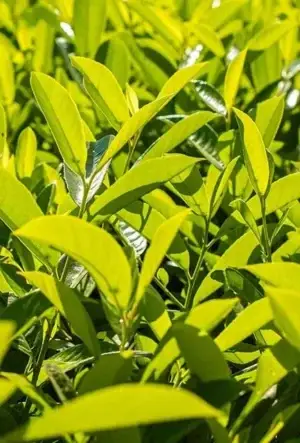
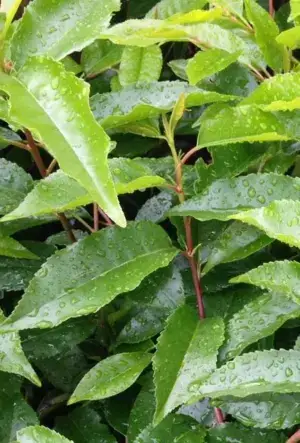
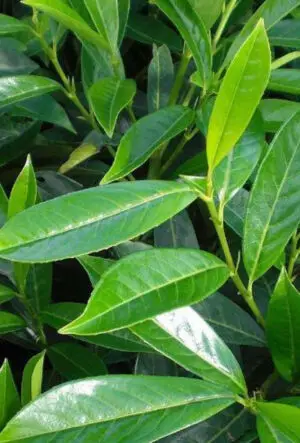
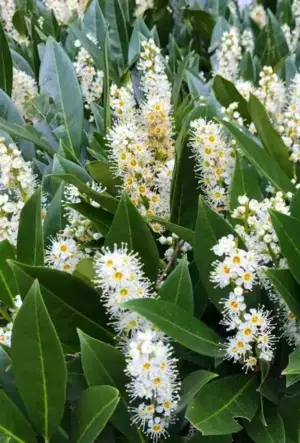
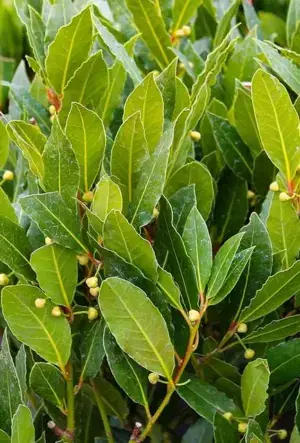
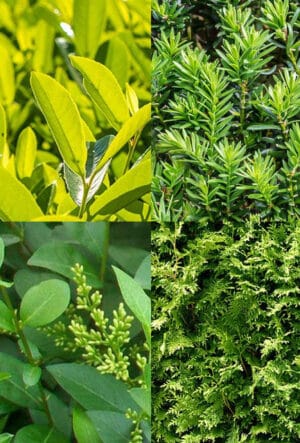
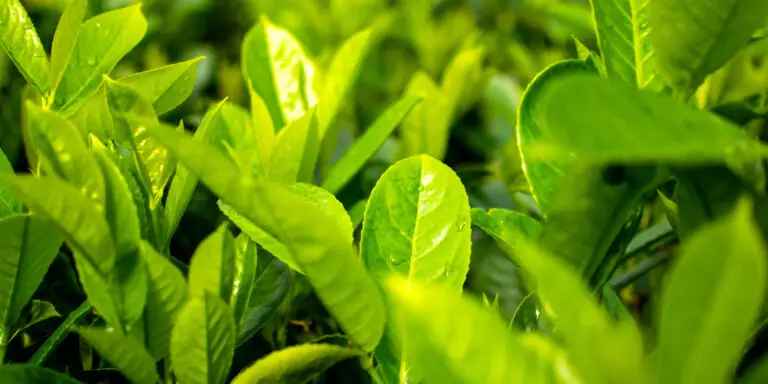
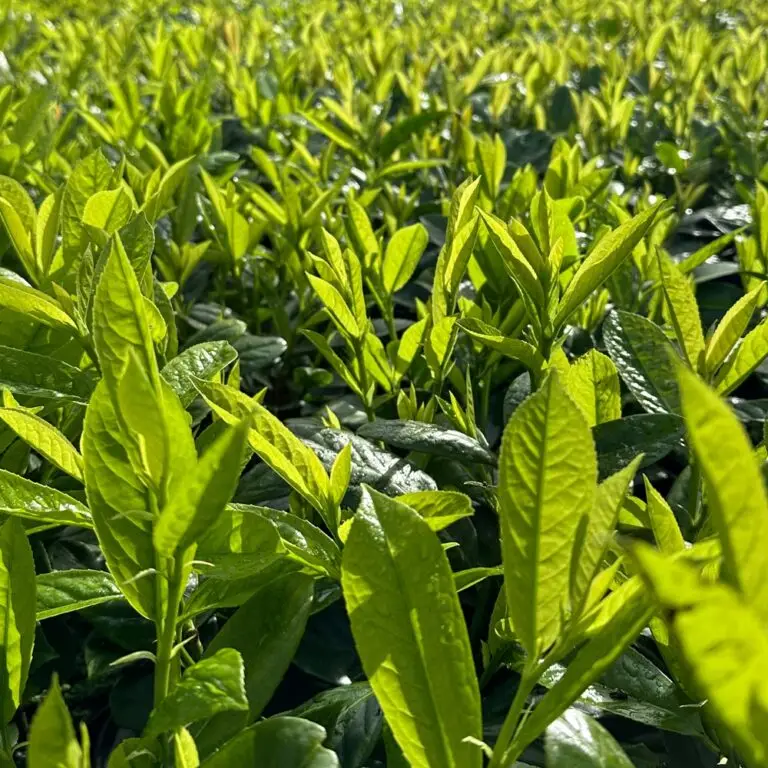
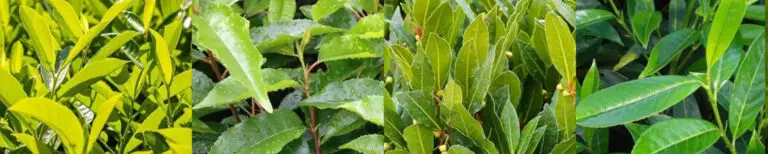
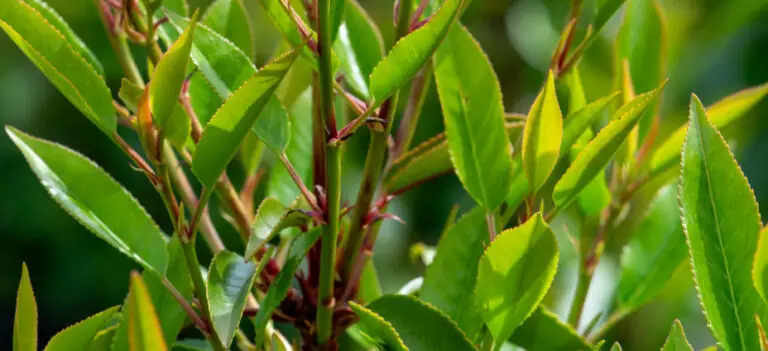
AppearanceLarge, glossy bright-green leavesSmaller dark-green leaves with reddish stems
Growth habitVigorous, broad and denseNeater, more refined and easy to clip formally
Typical growth rateApproximately 30-60cm a year once establishedApproximately 20-40cm a year once established
Best suited toRapid privacy, larger boundaries and shaded sitesFormal gardens, driveways and chalky or alkaline soils
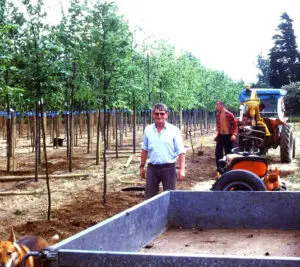
Gwynne Bodsworth, founder and grower at Hedging Plants Direct
Expert nursery advice

Gwynne's Grower's Tip

When choosing Laurel, I would decide on the natural growth habit before choosing the starting size. A taller plant gives quicker initial impact, but it will not change how wide, compact or formal that variety naturally wants to become. Measure the space you can realistically give the mature hedge, particularly beside paths, driveways and boundaries, then choose the Laurel type to suit that space. Once the variety is right, you can decide whether a smaller seasonal plant or a larger pot-grown, root-balled or instant option gives you the balance of budget and immediate screening you want.

Laurel root types and seasonal availability

After choosing your Laurel variety, compare the root types offered on its product page. Not every variety is available in every format.

  • Pot grown: plants with an established root system in a pot. A flexible choice when your planting date falls outside the bare-root or rootball season.
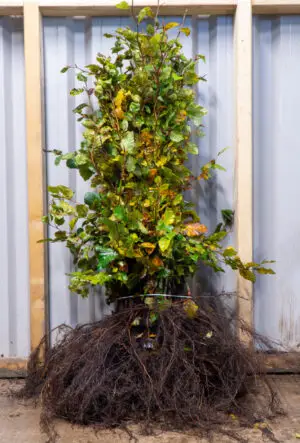
  • Bare root: an economical option for longer hedge runs, supplied during the dormant season and best planted promptly after delivery.
  • Root balled: field-grown plants lifted with soil around their roots. Larger sizes offer more initial height, with seasonal availability.
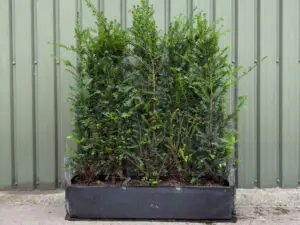
  • Instant hedging: established hedge sections for projects needing more immediate screening. Allow for careful handling and reliable watering while they establish.

Check the current sizes, prices and availability on your chosen product before ordering. Mixed-format orders may be dispatched together once all plants are available, so check the estimated dispatch information when combining pot-grown plants with bare-root or root-balled hedging. Our delivery information explains seasonal pre-orders and delivery arrangements.

Helpful answers

Frequently asked questions

01Why Choose Laurel Hedging?
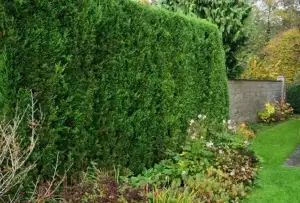
  • Evergreen coverage: Laurel retains its foliage throughout the year, creating a permanent garden boundary and screen.
  • A choice of growth habits: The range includes vigorous broad hedges, refined formal varieties, narrow-growing screens and compact low hedging.
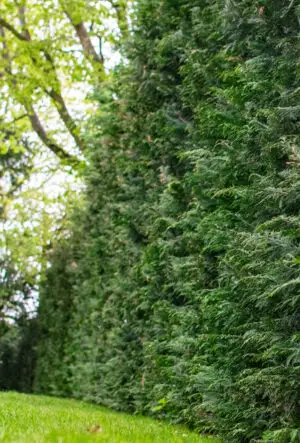
  • Useful for privacy: Cherry, Portuguese and Upright Laurel can all form dense evergreen screening when planted and maintained correctly.
  • Suitable for sun or shade: Cherry and Portuguese Laurel are especially useful where light levels vary along a boundary.
  • Responds well to pruning: Laurel can be maintained at a practical garden height and shaped to suit formal or informal planting.
  • Choice of sizes and root types: Selected varieties are available as pot-grown, bare-root, root-balled or instant hedging plants.
  • Garden habitat: Dense evergreen growth provides shelter and potential nesting cover. Where flowers and fruits are allowed to develop, selected Laurels can also provide seasonal resources for wildlife.
No hedge plant is completely resistant to pests, diseases or browsing animals. Healthy growth depends on choosing the right plant for the site, preparing the soil correctly and providing suitable care during establishment.
02How Many Laurel Plants Do You Need?
The correct number of Laurel plants depends on the variety, plant height, root type and density required. Small bare-root plants are normally positioned much closer together than large pot-grown, root-balled or instant hedging plants.
Each product size displays its recommended number of plants per metre. Use that size-specific figure rather than applying one universal Laurel spacing. This will give the plants enough room to establish while creating the intended level of coverage.
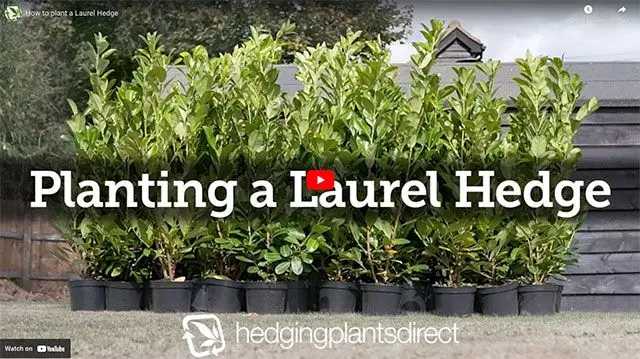
For detailed examples and approximate distances between plants, read our Laurel hedge spacing and care guide.
03Where Does Laurel Hedging Grow Best?
Most Laurel hedging grows well in full sun or partial shade. Cherry and Portuguese Laurel can also tolerate considerable shade, although growth may be slower where light is very limited or the plants must compete with established tree roots.
Laurel performs best in moist but well-drained ground. Cherry Laurel adapts to many common UK soil types, while Portuguese Laurel is particularly useful on chalky or alkaline soil. Compact Laurel may struggle on poor, shallow chalk, and Sweet Bay needs a sheltered position with freely draining soil.
Avoid planting Laurel in ground that remains continuously waterlogged. Where drainage is poor, improve the wider planting area or address the underlying drainage problem before ordering substantial plants.
04Which Laurel is best for fast privacy?
Cherry Laurel is normally the first choice for a fast, broad privacy hedge, with Upright Laurel offering similar vigour where a narrower screen is required. Both can grow approximately 30-60cm a year after establishment in favourable conditions, although growth will vary with soil, moisture, exposure and pruning.
05Which Laurel makes the most formal hedge?
Portuguese Laurel is an excellent choice for a formal hedge because its smaller leaves, reddish stems and neat growth respond well to clipping. Sweet Bay can also create a refined formal hedge in a warm, sheltered position, although it normally grows more slowly.
06Which Laurel is best for a small garden?
Compact Laurel is best where a low hedge is required. Upright Laurel may be more suitable where height is needed but planting width is restricted. Vigorous Cherry Laurel can also be maintained in smaller spaces, but it requires more regular pruning and enough room for its naturally broad growth.
Helpful next steps

Expert Laurel advice

Browse all Q&A