
Is Laurel Poisonous to Dogs?
Laurel is one of the UK's most popular evergreen hedging plants, but dog owners quite reasonably want to know whether it is safe around their pets. The answer depends partly on which type of Laurel you have and, most importantly, whether the plant is eaten.
Quick Answer
Yes. Cherry Laurel, Portuguese Laurel and the commonly grown cultivars of Cherry Laurel should be treated as harmful to dogs if eaten. Sweet Bay, Laurus nobilis, is a different plant and its leaves are used in human cooking, but it should not be regarded as safe for dogs to eat either. The main risk is ingestion rather than simply having a Laurel hedge in the garden. If your dog has chewed or eaten Laurel, particularly an unknown amount, contact your vet for advice.

Quick Facts
| Cherry Laurel | Harmful to dogs if eaten |
|---|---|
| Portuguese Laurel | Cherry Laurel cultivars, so treat as harmful if eaten |
| Upright & Compact Laurel | Cherry Laurel cultivars, so treat as harmful if eaten |
| Sweet Bay Laurel | Culinary for humans but not safe for dogs to eat |
| Main risk | Eating or chewing leaves, seeds, fruit or other plant material |
| If your dog eats Laurel | Contact your vet promptly and identify the plant if possible |
Which types of Laurel are poisonous to dogs?
The word “Laurel” is used for several different evergreen plants, so it helps to know exactly which type is growing in your garden.
At Hedging Plants Direct, our Laurel hedging range includes Cherry Laurel, Portuguese Laurel, Upright Laurel, Compact Laurel and Sweet Bay. They may all be called Laurel, but they are not botanically identical.
Cherry Laurel
Cherry Laurel, Prunus laurocerasus, should be treated as harmful to dogs if eaten. The RHS specifically lists Cherry Laurel as harmful to dogs, rabbits and rodents if ingested.
Cherry Laurel contains naturally occurring cyanogenic glycosides. When susceptible plant material is chewed or crushed, these compounds can release hydrogen cyanide. This is why eating the plant is the concern rather than a dog simply walking or playing beside an established hedge.
Upright Laurel, Prunus laurocerasus ‘Caucasica’, and Compact Laurel, Prunus laurocerasus ‘Otto Luyken’, are cultivars of Cherry Laurel rather than separate dog-safe Laurels. They should therefore also be treated as plants that dogs should not eat.
Portuguese Laurel
Portuguese Laurel, Prunus lusitanica, is also classed by the RHS as harmful to dogs if eaten. It should not be considered a pet-safe alternative to Cherry Laurel simply because it has smaller leaves or a different growth habit.
Portuguese Laurel remains an excellent evergreen hedging plant in a suitable location, but households with dogs that regularly chew plants should take the potential for ingestion into account when choosing a hedge.
What about Sweet Bay Laurel?
Sweet Bay, Laurus nobilis, needs a little more explanation.
It is botanically different from Cherry and Portuguese Laurel and its aromatic leaves are the genuine bay leaves traditionally used in human cooking. That does not, however, mean that dogs should be allowed to eat the plant.
The ASPCA lists Laurus nobilis as toxic to dogs, with eugenol and other essential oils identified as toxic principles. Ingestion may cause vomiting or diarrhoea, while swallowing whole leathery leaves can also present an obstruction risk.
For dog owners, the simplest rule is therefore not to regard any of the Laurels in our hedging range as something a pet should be encouraged or allowed to eat.
How dangerous is a Laurel hedge to a dog?
Having a Laurel hedge in your garden is not the same thing as your dog being poisoned by it.
The important factor is ingestion. The risk depends on the Laurel involved, which part of the plant has been eaten, how much has been eaten or chewed, and the individual animal. Because of these variables, there is no sensible universal number of leaves or berries that can be described as a safe amount.
The RHS notes that serious poisoning from garden plants is uncommon in the UK, but it also advises seeking veterinary advice where an animal is suspected of eating a poisonous plant.
Many established gardens contain plants that are potentially harmful if eaten. If your dog has never shown any interest in chewing plants, an existing Laurel hedge does not automatically need to be removed. Greater caution is sensible with puppies, habitual plant-chewers or dogs that regularly pick up and swallow objects in the garden.
Which parts of Laurel should dogs avoid?
For practical purposes, dogs should be prevented from eating any part of Cherry, Upright, Compact or Portuguese Laurel.
Particular attention should be paid to:
- freshly cut leaves and shoots
- hedge trimmings left on the ground
- fallen leaves
- fruit and seeds
- branches that a dog may pick up and chew
Fresh pruning material can be especially tempting to a curious dog simply because it has suddenly appeared at ground level.
After trimming a Laurel hedge, collect the cut material rather than leaving piles where pets have access to them. The RHS similarly advises gardeners not to leave prunings or uprooted potentially harmful plants within reach of pets.
What should I do if my dog eats Laurel?
If you know or suspect that your dog has eaten Laurel, contact your vet for advice rather than waiting to see whether symptoms develop.
If possible, tell the vet:
- which type of Laurel you think the dog has eaten
- which part of the plant was involved
- approximately how much may have been eaten
- when it happened
- the size and approximate weight of your dog
Taking a clear photograph or a small plant sample can also help with identification. The RHS recommends seeking veterinary advice when a poisonous plant has been eaten and taking a sample of the plant where possible.
Depending on the plant and quantity involved, signs can range from digestive upset to more serious effects. Do not assume that the absence of immediate symptoms means an ingestion can be ignored.
Can you safely grow Laurel if you have a dog?
For many households, yes. A dog does not become poisoned simply by being near a Laurel hedge.
The decision is more about your individual dog’s behaviour.
If your dog generally ignores shrubs and hedge plants, sensible garden management such as clearing pruning debris and fallen fruit can considerably reduce opportunities for ingestion.
If you have a puppy or a dog that deliberately chews leaves, branches or garden plants, it may be preferable to either restrict access to the hedge or choose a different hedging species.
Our complete Laurel hedging care guide explains the differences between Cherry, Portuguese, Upright, Compact and Sweet Bay Laurel if you are trying to identify the Laurel already growing in your garden.
The important distinction is simple: Laurel can be an attractive and practical hedge, but it should be treated as an ornamental plant around dogs rather than something they are allowed to chew or eat.

Gwynne's Grower's Tip
"If you already have a mature Laurel hedge and your dog has always ignored it, I wouldn't automatically assume the hedge has to come out. The time I'd be particularly careful is after pruning, because suddenly there are fresh leaves and branches lying at a dog's level. We always recommend clearing Laurel trimmings away promptly. If you're choosing a new hedge for a puppy or a dog that you already know likes chewing plants, that's when I'd give the choice of species much more thought."
More Laurel Advice
For more detailed growing advice or to view the plants available from our nursery, use the links below.
Related Products
Products from our nursery that are relevant to this advice.


Useful Planting Essentials
Selected products that may help with planting, establishment and ongoing hedge care.

Rootgrow Mycorrhizal Fungi
Rootgrow can be applied at planting so the product is in direct contact with the roots, where appropriate for the plant and planting method.
View product
Hedge Feed
Hedge Feed provides balanced nutrition where established hedging would benefit from feeding as part of normal care.
View product
Hedge Irrigation
A hedge irrigation system can make it easier to water a new hedge consistently, particularly on longer runs and during dry weather.
View product
Hedge Compost & Mulch
Compost and mulch can support soil preparation, moisture retention and weed suppression when used appropriately around new hedging.
View product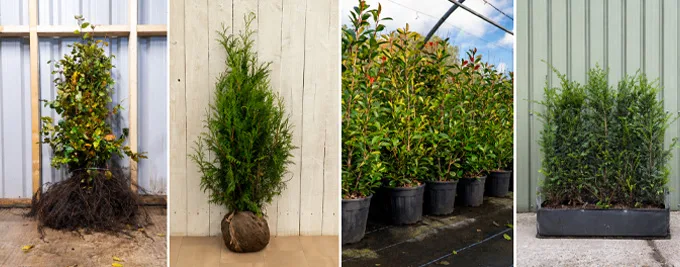
What Are the Different Hedging Root Types?
Bare root, root ball, pot-grown and instant hedging suit different budgets, planting times and levels of initial coverage. Understanding how each is…
Read answer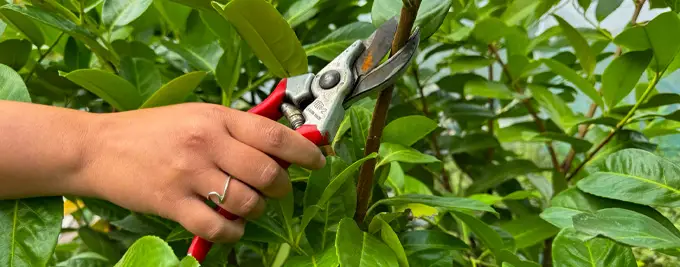
When Should I Prune a Laurel Hedge?
Laurel hedges are forgiving plants, but choosing the right time to prune helps them recover cleanly and keeps the hedge dense and…
Read answerAre Laurel Berries Poisonous?
Laurel hedges can produce attractive dark berries after flowering, but the name "Laurel" covers several different plants. Their fruit is not identical,…
Read answer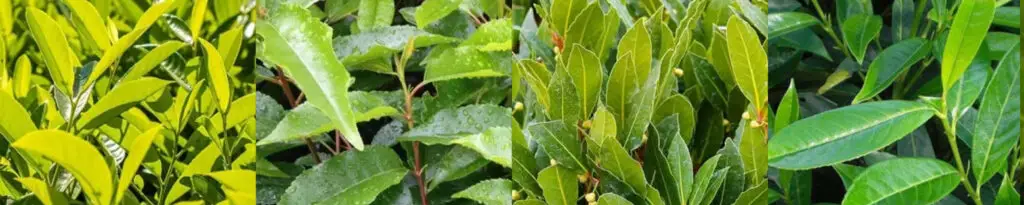
Is Laurel Hedging Poisonous?
Laurel is one of the UK's most popular evergreen hedges, but not every plant called Laurel has the same safety profile. This…
Read answer
Is Euonymus Green Spire Poisonous to Dogs and Cats?
Green Spire is an attractive evergreen hedge, but it is not a plant to treat as edible. Pet owners should prevent dogs…
Read answerAre Laurel Berries Poisonous?
Laurel hedges can produce attractive dark berries after flowering, but the name "Laurel" covers several different plants. Their fruit is not identical,…
Read answerIs Laurel Hedging Poisonous?
Laurel is one of the UK's most popular evergreen hedges, but not every plant called Laurel has the same safety profile. This…
Read answer
Is Photinia Red Robin Poisonous to Dogs?
There is conflicting gardening advice about Photinia Red Robin and pet safety. Veterinary toxicology sources support a cautious approach because Photinia foliage…
Read answer