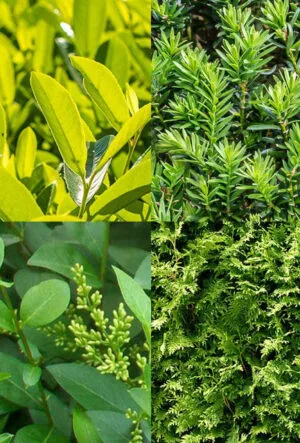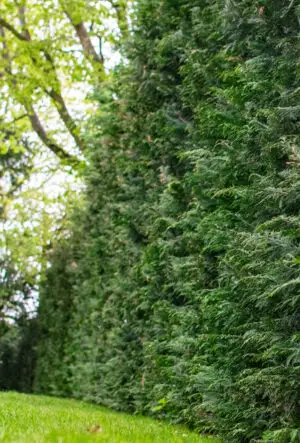
Hedging plants for dry sites are selected for ground that regularly becomes moisture-limited during warmer weather. Once established, drought tolerant hedge plants such as Oleaster, Yew, Hawthorn and Box can cope better with dry conditions than more moisture-demanding alternatives. Choose according to sun or shade, exposure, required hedge height and whether you want evergreen screening, a native boundary or a low formal hedge. Newly planted hedging still requires reliable moisture while its roots establish, so drought tolerance should not be mistaken for a no-watering option.
Choose the Right Hedge for a Dry Site
Start with the hedge style and the other conditions on the site, then compare suitable drought-tolerant plants and available sizes below.
Tough evergreen screeningChoose Oleaster for resilient evergreen screening where dry ground may also be combined with wind, exposure or coastal conditions.Formal evergreen hedgeChoose English Yew for a dense, controlled evergreen hedge where drainage is good and slower, refined growth suits the project.Native & exposed boundaryChoose Hawthorn for a hardy native hedge suited to natural boundaries, exposed positions and a wide range of well-drained soils.Low formal hedgingChoose Box for compact formal edging and low hedges where a slow-growing evergreen with small foliage is the priority.
- SALE
 Blackthorn HedgePrunus spinosaBlackthorn or Sloe is a thorny, native deciduous hedge plant which produces white flowers in spring, followed by attractive green leaves and Sloe's in the autumn.DeciduousFast 30-60cm per yearBare RootPot Grown
 - SALE
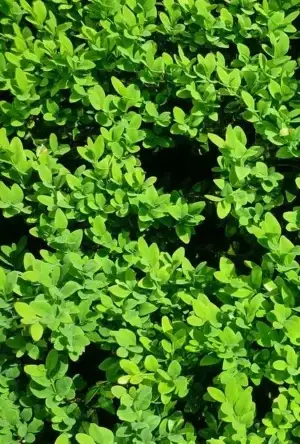
 Box Hedge(Buxus Sempervirens)Box hedge is a dense, slow growing species, it has small glossy green leaves and a compact growing habit, which makes it ideal for formal hedges and topiary.EvergreenSlow 10-20cm per yearBare RootRoot BalledPot Grown
 - SALEBox Leaf Honeysuckle HedgeLonicera nitidaBox Leaf Honeysuckle Hedge is a dense, fast growing species with small glossy green leaves, scented white flowers in the spring and purple berries in the autumn. Ideal…Box AlternativeFast 30-60cm per yearBare RootPot Grown
- SALECommon Privet HedgeLigustrum ovalifoliumCommon Privet is a popular form of evergreen / semi evergreen hedge. Very fast growing with dark green ovate leaves and lovely white flowers that are produced in…FloweringFast 30-60cm per yearBare RootRoot BalledPot GrownInstant Hedging
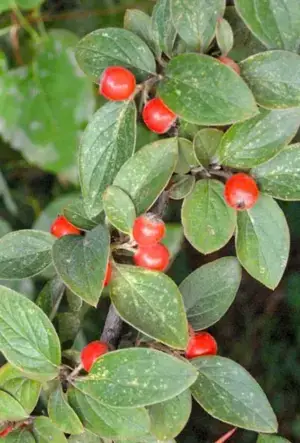
- Cotoneaster franchetii HedgeFranchet's CotoneasterCotoneaster franchetii is a fast growing dense evergreen hedging plant with grey-green ornate foliage. It produces blush white flowers in the spring which are followed by attractive orange…Colourful FoliageMedium 20-40cm per yearBare RootPot Grown
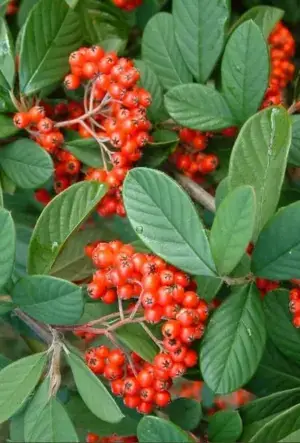
- SALECotoneaster lacteus HedgeLate CotoneasterCotoneaster lacteus is a fast growing large evergreen hedging plant with glossy dark green leaves. It produces large clusters of white flowers in the spring, which are followed…Colourful FoliageMedium 20-40cm per yearPot Grown
- SALEEnglish Yew HedgeTaxus baccataChoose English Yew for a dense, controlled evergreen hedge where drainage is good and slower, refined growth suits the project.EvergreenMedium 20-40cm per yearBare RootRoot BalledPot GrownInstant Hedging
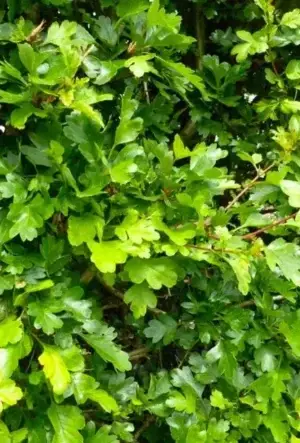
- SALEHawthorn HedgeCrataegus monogynaHawthorn, Quickthorn, Whitethorn or May Hedging also known as Crataegus monogyna is a popular thorny, deciduous hedging species that provides seasonal interest, with pure white flowers in the…DeciduousMedium 20-40cm per yearBare RootRoot BalledPot Grown




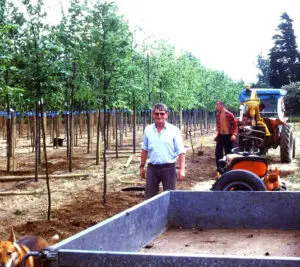
Expert nursery advice
Gwynne's Grower's Tip
The important thing with a dry site is to work out why it is dry. A sunny, free-draining bank is different from dry ground beneath established trees, where the new hedge is competing with mature roots for moisture. I would choose the plant for that complete situation rather than simply looking for the fastest grower. Oleaster is particularly useful where dryness combines with exposure, Yew can suit drier shaded positions with good drainage, and Hawthorn is a dependable choice for tougher native boundaries. Even drought-tolerant species still need moisture while a new root system establishes.
Helpful answers
Frequently asked questions
01What Are the Best Hedge Plants for Dry Sites?
Oleaster, English Yew, Hawthorn and Box are useful choices for different types of dry site. Oleaster is particularly valuable where dry ground is also windy or exposed, Yew suits a more formal evergreen hedge where drainage is good, Hawthorn is a hardy native option and Box suits lower formal hedging. The best choice depends on light, exposure, soil and the finished hedge you want.
02Is Dry Soil the Same as Sandy Soil?
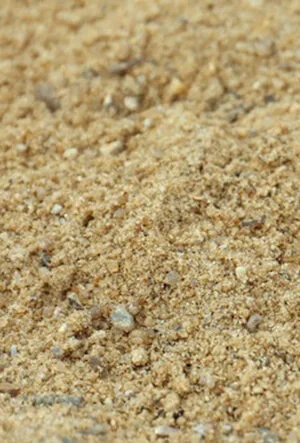
No. Sandy soil describes the texture and drainage of the soil, while a dry site is defined by limited available moisture around the roots. Sandy soil often becomes dry quickly, but dry conditions can also occur on chalky ground, beside walls and paving, on sunny banks or beneath established trees. Use the Sandy Soil category when soil texture is the main issue and this category when persistent dryness is the main constraint.
03Which Evergreen Hedge Is Best for a Dry Site?
Oleaster is one of the strongest evergreen choices where dry conditions are combined with sun, wind or exposure once established. English Yew is another useful option where a more formal, slower-growing hedge is wanted and drainage is good. The right evergreen depends on the amount of sunlight, exposure, final height and how dry the site becomes in summer.