

Hedge Plants for Wet Soil & Damp Ground
Hedging for damp and wet ground

Hedge Plants for Wet Soil & Damp Ground

Shop hedge plants for wet soil and damp ground, including native, informal and traditional options for moisture-retentive sites. The right choice depends on whether your ground is simply damp after rain or remains waterlogged for long periods. Alder is one of the strongest choices for genuinely wet ground, while Hornbeam, Dogwood and selected native hedging suit many moisture-retentive sites that still drain. Choose according to the severity of the wetness as well as the hedge style you want.

Alder or Hornbeam for Wet Ground?

Both suit moisture-retentive sites, but Alder is the stronger choice where the ground becomes genuinely wet or waterlogged.
CompareAlder HedgingHornbeam Hedging
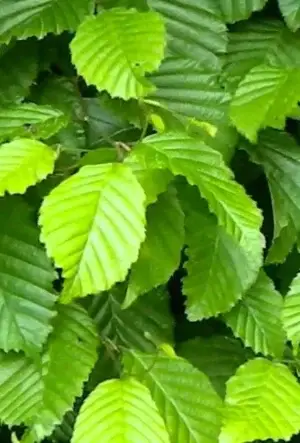
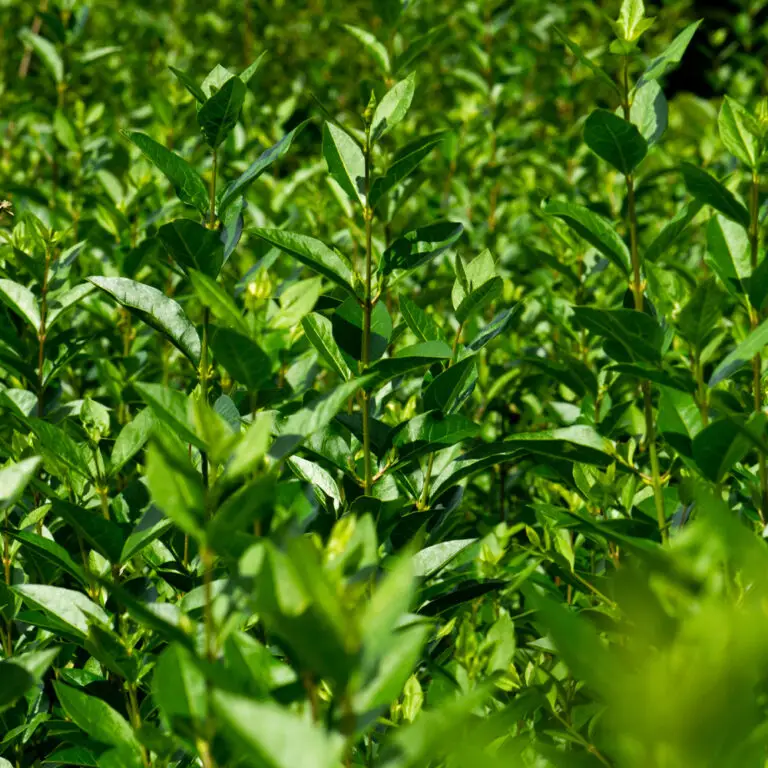
Wet groundVery strong choice for wet and seasonally waterlogged groundBest for damp, heavy and moisture-retentive soil that still drains
Standing waterMore tolerant of prolonged wet conditionsShould not be left with roots in stagnant water for long periods
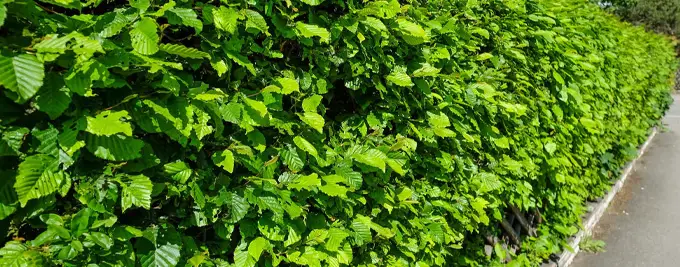
Hedge styleInformal, natural and rural in characterSuitable for formal or informal clipped hedging
Winter appearanceDeciduous with open winter structureDeciduous but clipped hedges may retain some brown leaves
GrowthFast growing in favourable wet conditionsMedium growth with a dense branching structure
Choose whenThe site is genuinely wet and moisture tolerance is the priorityYou want a traditional hedge on heavy damp ground that is not permanently flooded
Gwynne Bodsworth, founder and grower at Hedging Plants Direct
Expert nursery advice

Gwynne's Grower's Tip

Before choosing a hedge for a wet site, I would look at what the ground is doing a day or two after heavy rain. There is a big difference between soil that stays damp and roots sitting in stagnant water for long periods. Hornbeam and Dogwood are useful on moisture-retentive ground, but I would not treat them as plants for permanent flooding. Alder is a much stronger starting point where the site is genuinely wet. Also check whether the problem is seasonal or constant: a low winter water table can make a site look far worse in January than it does through the growing season. Match the plant to the real conditions rather than the soil label alone.
Helpful answers

Frequently asked questions

01What Is the Best Hedge for Wet Soil?

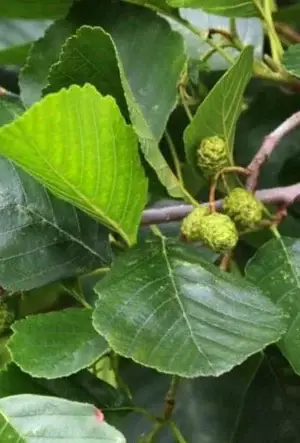
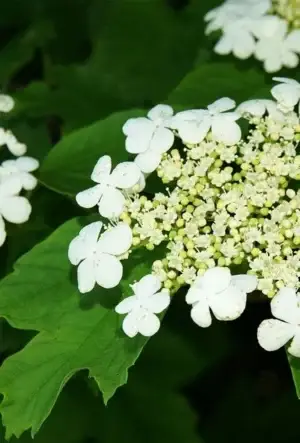
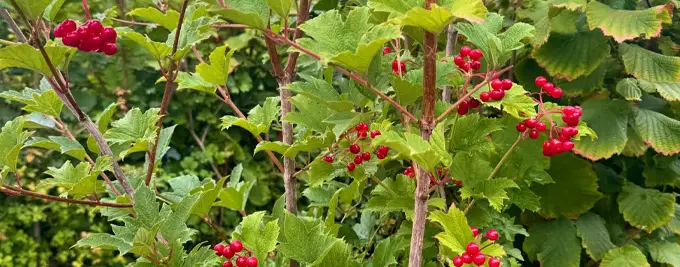
Alder is one of the strongest choices where the ground is genuinely wet or becomes seasonally waterlogged. Hornbeam, Dogwood, Guelder Rose and selected native hedging can also suit damp or moisture-retentive sites where conditions are less extreme.

The best choice depends on how long the ground stays saturated, the soil type, available space and the style of hedge required.

02Can Hornbeam Grow in Wet Soil?

Hornbeam is well suited to heavy, damp and moisture-retentive soils and generally copes with these conditions better than Beech. It should not, however, be treated as a hedge for prolonged stagnant water or permanent flooding.

Where the planting line remains genuinely waterlogged for long periods, Alder is usually the stronger starting point.

03Is Damp Ground the Same as Waterlogged Soil?

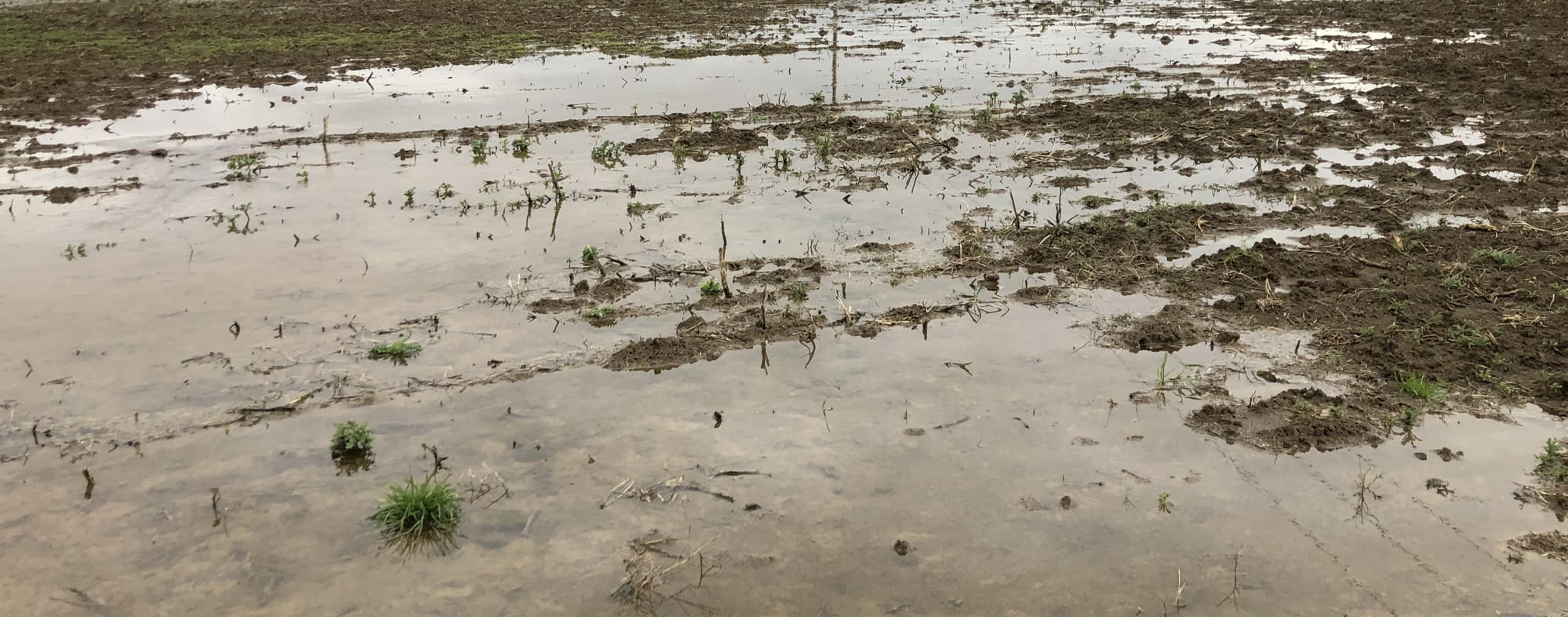
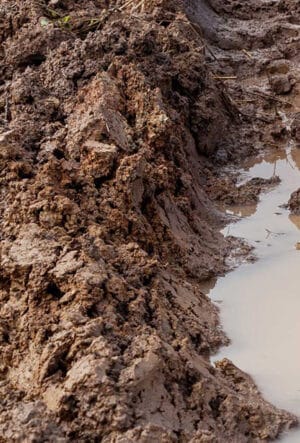
No. Damp or moisture-retentive soil holds water but still allows air back around the roots as it drains. Waterlogged soil remains saturated for long periods, which greatly reduces the range of hedge plants that can grow successfully.

Watch what happens after sustained rain. If the ground remains saturated or holds standing water well after surrounding areas have drained, choose from the most wet-tolerant plants rather than a general heavy-soil hedge.

Helpful next steps

Growing Advice for Hedge Plants for Wet Soil & Damp Ground

Choosing Hedge Plants for Wet Soil and Damp Ground

Wet sites vary considerably. Some planting lines are simply moisture-retentive after rain, while others become saturated for weeks or flood during winter. That difference should drive the plant choice. Alder is one of the strongest options for genuinely wet ground, while Hornbeam and Dogwood suit many damp or heavy sites where excess water still moves away from the roots.

Damp Soil or Waterlogged Ground?

A moisture-retentive soil can support a much broader range of hedging than permanently waterlogged ground. If the planting line remains saturated for long periods, avoid assuming that a plant described as suitable for heavy or clay soil will also tolerate stagnant water. The wetter the site, the more selective the range needs to be.

Choose the Hedge Style as Well as the Moisture Tolerance

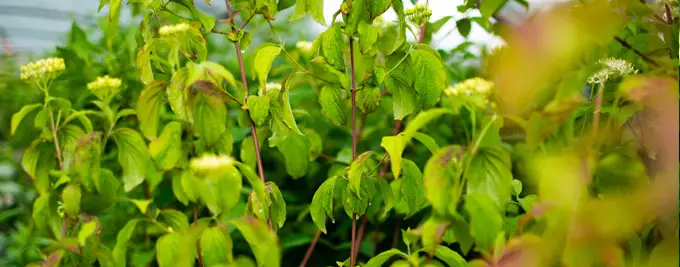
Use Hornbeam where a clipped traditional hedge is wanted, Dogwood for informal seasonal colour and wildlife value, and Alder where wet-ground tolerance is the overriding priority. Native mixed hedging can also work on damp sites, but check the exact species composition because individual plants within a mixture do not all have identical moisture tolerance.