Native Mixed Hedging Care Guide: Planting, Spacing and Pruning
A mixed native hedge establishes successfully when the species suit the site, the planting line is thoroughly prepared, the plants are set at the correct density, and weeds and moisture are managed for at least the first two growing seasons. Most traditional packs are planted as bare-root whips in two staggered rows during dormancy, while pot-grown and instant options provide greater flexibility. This guide explains how to choose, plant, space, water, protect and prune the different products in our native mixed hedging range.
Mixed native hedging should not be treated as one uniform plant. Hawthorn, Blackthorn, Field Maple, Hazel, Holly, Dog Rose, Guelder Rose, Dogwood, Hornbeam and Beech have different growth habits and site preferences. The pack composition changes the hedge’s wildlife value, thorniness, winter appearance, eventual width and management. Check the exact product description whenever one species is particularly important to the project.
Reviewed by Gwynne Bodsworth, Founder and GrowerLast reviewed 14 August 2026
Expert nursery advice
Gwynne's Grower's Tip
“A good mixed native hedge is more than several plants placed in the same trench. The species must suit the soil, exposure and purpose of the boundary, and the young plants need careful watering, weed control and formative pruning before they can develop into a dense, useful hedgerow.”
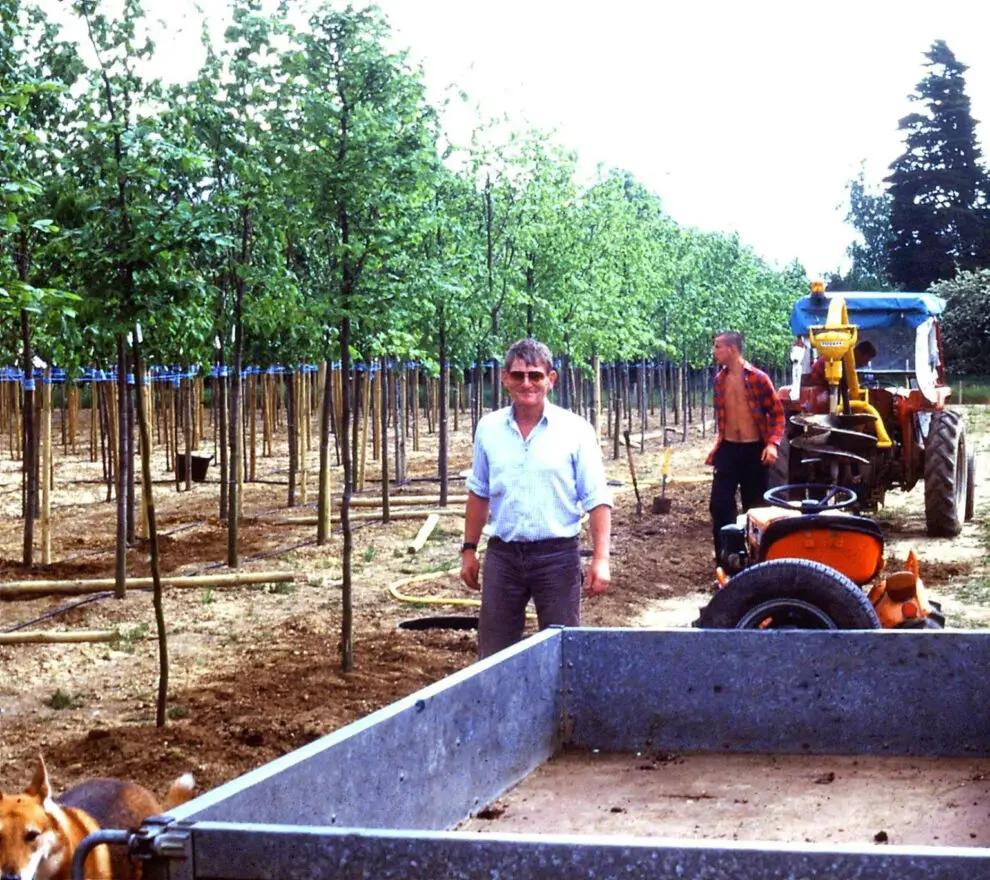
Gwynne Bodsworth• Founder and Grower, Hedging Plants Direct
“The Garden Wildlife Mix adds Holly, Dog Rose and Guelder Rose to the core native species, giving a longer season of flowers, fruits and colour. I like it where customers want a useful boundary but also want the hedge to become an attractive part of the garden rather than simply a line between two spaces.”
“The Field Wildlife Mix is a dependable starting point for a traditional country-style hedge. Hawthorn and Blackthorn provide a strong framework, while Field Maple and Hazel add variation in leaf shape, autumn colour and structure. It is a sensible mix for field edges, rural boundaries and gardens that need to blend into the surrounding landscape.”
“Around paddocks, the hedge should never be treated as the only stock-proof barrier. Establish the plants behind suitable fencing, keep horses away from the young growth and inspect the boundary regularly. This mix has been selected for livestock settings, but good fencing, pasture management and checking for self-seeded poisonous plants remain essential.”
“CountryHedge is useful when a project needs an immediate species-rich boundary rather than waiting for small whips to join together. The troughs are substantial, so correct trench preparation and deep watering are critical. The hedge looks established on day one, but the roots still need time and consistent care to grow into the surrounding soil.”
“The Thornless Mix is a practical choice beside paths, play areas and access routes where Hawthorn, Blackthorn and Dog Rose would be inconvenient. Field Maple, Hazel, Guelder Rose and three Dogwoods still create a varied hedge, with coloured winter stems adding interest after the leaves have fallen.”
“A grant-funded hedge has to meet the current agreement, not merely resemble a traditional hedge. Check the approved specification before ordering, prepare the full planting strip, keep accurate records and allow for protection and replacement plants. The planting work is only the beginning; establishment and evidence are equally important.”
“The Green and Purple Beech Mix is different from a species-rich wildlife pack. It creates a more uniform, formal hedge with contrasting foliage, and a well-trimmed Beech hedge can retain dry leaves through much of winter. Give it free-draining soil and avoid planting Beech where the ground remains wet.”
A mixture of deciduous native shrubs and small trees, sometimes with Holly or leaf-retaining Beech
Evergreen or deciduous
Deciduous
Typical growth rate
Often about 20–60cm a year once established, depending on species, soil, exposure and pruning
Preferred position
Full sun or partial shade; choose the mix to suit exposure and soil
Soil
Most reasonably fertile soils with workable structure; avoid prolonged waterlogging unless a specifically suitable mix is chosen
Watering
Water thoroughly at planting and during dry periods for the first two growing seasons
Pruning period
Formative pruning in the first two winters; established wildlife hedges are often cut lightly in late winter or on a rotation
Feeding
Usually little is required in normal soil; mulch and use a spring top dressing only where justified
Hardiness
Generally hardy in UK conditions, with tolerance varying by species
Typical hedge height
About 1.5–3m for many garden and field hedges; larger if allowed to develop naturally
Planting season
Bare root from autumn to early spring; pot grown year-round in suitable weather; BN11 must follow the active agreement
Root types commonly available
Bare root, pot grown and instant trough-grown units
About Native Mixed hedging
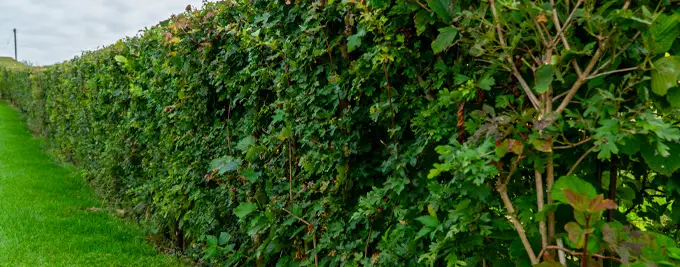
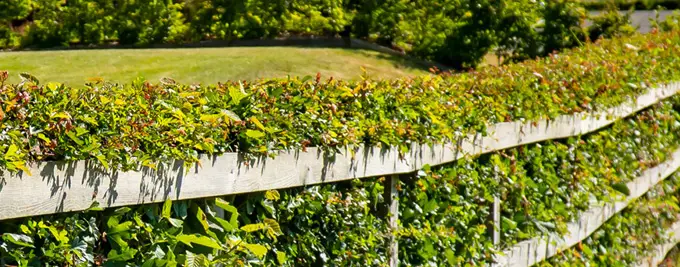
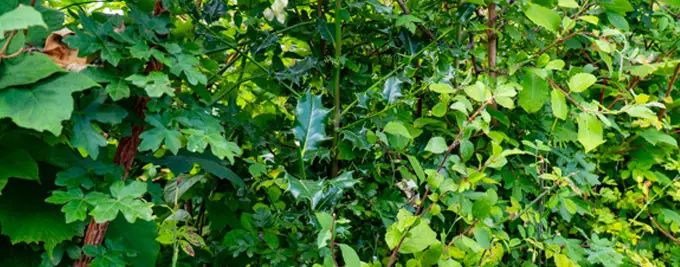
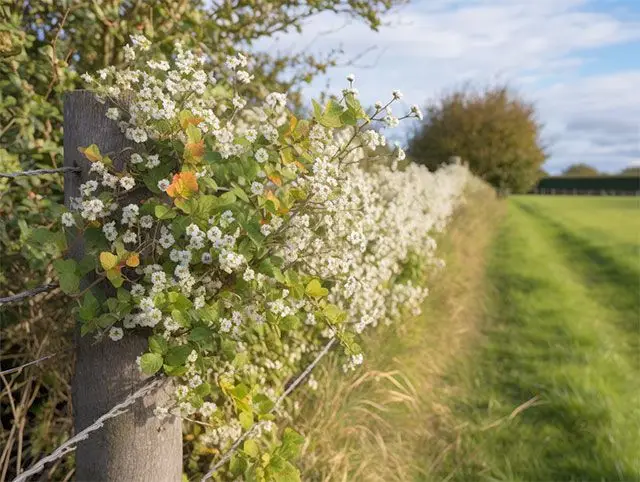
Native mixed hedging combines several woody species within one boundary rather than using a single plant throughout. Traditional British hedgerows often contain a strong structural species such as Hawthorn, supported by Blackthorn, Hazel, Field Maple and other locally appropriate shrubs. As their branches interweave, they create a dense boundary with different flowers, leaves, fruits, stems and growth patterns.Most packs in this category are predominantly deciduous. They provide changing seasonal interest and filter wind during winter, but they should not be sold as a completely evergreen privacy screen. Holly may add evergreen foliage to the Garden Wildlife Mix and Instant CountryHedge, while a clipped Beech hedge often retains dry copper-coloured leaves through much of winter.
Common species found in mixed native hedges
Hawthorn, Crataegus monogyna: a strong, thorny framework plant with spring blossom and autumn haws.
Blackthorn, Prunus spinosa: dense thorny growth, early white blossom and sloes; it can sucker into adjoining ground.
Field Maple, Acer campestre: tolerant and attractive, with lobed foliage and yellow autumn colour.
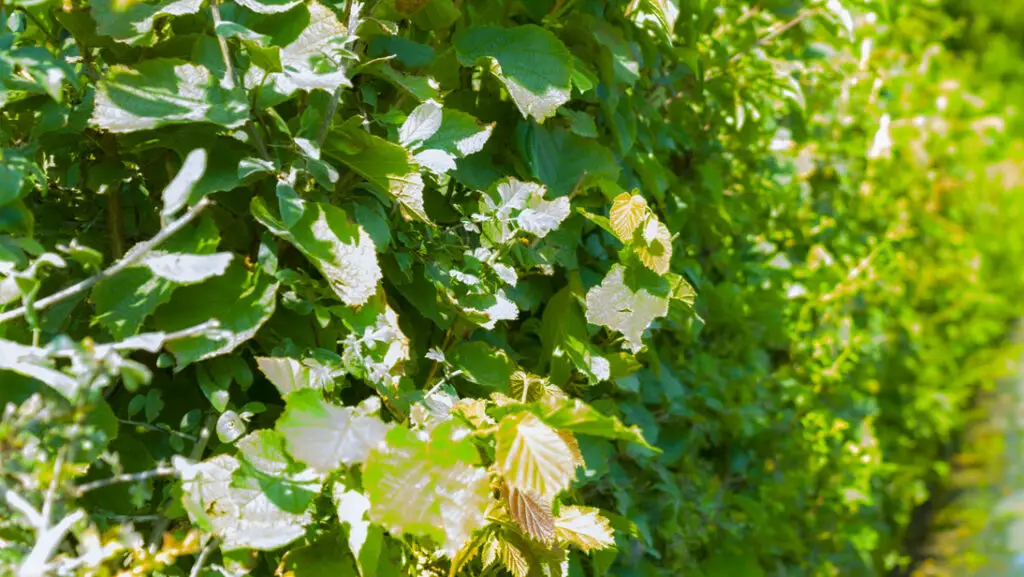
Hazel, Corylus avellana: broad leaves, catkins and nuts where growth is allowed to mature.
Holly, Ilex aquifolium: evergreen structure and berries on female plants where pollination and pruning allow.
Dog Rose, Rosa canina: arching thorny stems, pale flowers and red hips.
Guelder Rose, Viburnum opulus: white flowers, red berries and strong autumn colour; it prefers moisture-retentive soil.
Dogwoods, Cornus species and cultivars: dense growth and coloured winter stems, especially after renewal pruning.
Hornbeam, Carpinus betulus: robust and more tolerant than Beech of heavier or damper soil.
Beech, Fagus sylvatica: a formal hedge plant for free-draining soil, often retaining dry leaves in winter when clipped annually.
Choosing the right Native Mixed hedge
Choose the mix by purpose first and appearance second. Consider whether the hedge is for a field boundary, a wildlife garden, a paddock, a path, a grant agreement or an immediate development screen. Also consider the available width, because a wildlife-rich mixed hedge generally performs better when it is allowed to become broader than a formal single-species hedge.
Comparison of the native mixed hedging products covered by this guide.
More formal colourful hedges with winter leaf retention
A same-species colour mix rather than a species-rich wildlife pack; unsuitable for persistently wet soil
Best native mix for wildlife
The Garden Wildlife Mix and Instant CountryHedge contain the greatest variety of flowering, fruiting and structural plants in this range. The Field Wildlife Mix is also valuable, especially when it is allowed to become broad and dense. Wildlife value depends on management as well as species: a hedge cut tightly every year before berries mature will provide less food than one trimmed lightly or in alternate sections.
Best mix for a traditional field boundary
Field Wildlife Hedging Mix is the straightforward choice for a robust, thorny, traditional-looking boundary. Hawthorn and Blackthorn form the defensive framework, while Hazel and Field Maple add structure and seasonal variation.
Best mix beside paths and play areas
Thornless Hedging Mix avoids Hawthorn, Blackthorn and Dog Rose, making routine access easier. It still becomes a substantial woody hedge, so allow enough width and keep paths clear through planned pruning.
Best mix for immediate screening
Instant CountryHedge provides a connected, pre-grown hedge from planting day. It is especially useful where planning, ecological or landscape requirements call for immediate structure. The foliage may look established, but the trough roots still need time and consistent care to grow into the surrounding soil.
Best mix around horses and livestock
The product named Horse Safe Hedging Mix is designed for paddock boundaries and excludes several commonly avoided hedge plants. However, no living hedge should be relied upon as the only stock-proof barrier or treated as a veterinary guarantee. Maintain a secondary fence, prevent browsing during establishment and remove poisonous self-seeded plants.
Best mix for a formal colourful hedge
Green and Purple Beech Hedging Mix creates the most uniform formal result. It is composed entirely of Green and Purple forms of European Beech rather than a random native species blend. It is best in free-draining soil and is normally clipped in August to encourage winter leaf retention.
When to plant Native Mixed hedging
Plant bare-root mixed hedging during dormancy, normally from November to March or early April depending on weather and nursery supply. Autumn planting gives roots time to settle into moist soil, while late-winter planting can be useful on heavy clay. Pot-grown mixes and instant hedging can be planted at other times, provided the ground is workable and irrigation is available.
Bare-root packs
Most Field, Garden, Horse Safe, Thornless, BN11 and Beech packs are offered bare root. Plant them promptly after delivery and protect the roots from sun and drying wind. Open one bundle at a time, keep the remainder wrapped and damp, and never leave whips lying uncovered along the planting line.
Pot-grown mixes
Pot-grown Field and Garden Wildlife mixes can be planted throughout the year. Avoid frozen, waterlogged or baked ground, and avoid midsummer planting unless the site can be watered reliably. Water each pot before planting because dry pot compost can repel water after it is placed in the ground.
Instant CountryHedge
Instant troughs can be planted throughout much of the year, but autumn and spring usually reduce establishment stress. Do not plant heavy units into saturated ground or during extreme heat. Arrange machinery and access before delivery so the roots are not left exposed while the trench is prepared.
BN11 planting dates
For a Countryside Stewardship BN11 claim, follow the current agreement and government specification. The 2026 Capital Grants requirements state that planting must take place between 1 November and 31 March. Frozen or waterlogged conditions still justify delaying until the ground is suitable within the permitted period. Where the site is clay, the official advice recommends planting in March.
Where to plant Native Mixed hedging
Sun and shade
Most traditional hedge species establish best in full sun or partial shade. Hazel, Hawthorn, Holly and Hornbeam tolerate some shade, but dense shade beneath mature trees can produce weak, one-sided growth and severe root competition. Product filters that say “full shade” should not replace a site assessment.
Soil type and drainage
Mixed native hedging is adaptable because different species respond differently, but no standard pack suits every wet or compacted site. Hawthorn, Field Maple and Hornbeam cope with a wide range of soils. Guelder Rose tolerates moisture-retentive ground, while Beech needs better drainage and can fail in persistently wet clay. Improve structure over a broad strip rather than creating enriched individual holes that fill with water.
Coastal and exposed positions
The Field and Garden Wildlife mixes include robust species used in exposed landscapes. Young plants can still be damaged by salt-laden wind, drought and wind-rock. Plant in the cooler season, protect the roots from drying, keep the soil moist and use permeable shelter where exposure is severe.
Local landscape and provenance
For countryside and ecological schemes, choose species already characteristic of the local area. Soil, altitude, exposure and historic hedgerows can guide the main component. BN11 guidance calls for locally occurring native species and allows one locally characteristic main species, such as Hawthorn, Blackthorn or Hazel, to form up to 70% of the mix.
Space from boundaries, paths and services
Allow enough width for mature branches, future trimming and access to both sides. A wildlife hedge may reasonably reach 1.5–3m wide if allowed to develop. Keep thorny mixes away from narrow paths and gates. Locate underground services before digging and leave visibility splays unobstruct
How to prepare the planting area
Measure the actual hedge line. Exclude gateways, access points and planned gaps before ordering packs.
Mark two rows. Standard five-plant packs use staggered rows about 30cm apart; BN11 requires rows 40cm apart.
Clear competing vegetation. Remove turf, perennial weeds, brambles and thick grass from the planting strip.
Prepare enough width. A garden hedge benefits from a broad weed-free strip; BN11 requires at least 1.5m.
Relieve compaction. Cultivate the soil so it is friable without smearing wet clay.
Correct drainage before planting. Do not place plants into a trench that holds water after rain.
Improve poor soil moderately. Blend peat-free hedge planting compost with the existing soil where organic matter will improve structure and moisture retention.
Water pot-grown and instant roots. Saturate dry compost before removing pots or positioning trough units.
Keep bare roots covered. Open only one bundle at a time and carry roots in a damp bag or bucket.
Apply optional mycorrhizal fungi correctly. Use Rootgrow against the roots in accordance with its label.
Do not place strong fertiliser in the trench. Concentrated feed can damage new roots and does not compensate for poor preparation.
How to plant a Native Mixed hedge
Lay out the plants before digging. Mix species irregularly rather than planting each species in a separate block.
Use the correct density. Standard packs contain five plants for each metre; BN11 uses at least six; CountryHedge uses one trough per metre.
Dig a continuous trench or slit plant suitable whips. A trench makes accurate rows and soil improvement easier.
Set the previous soil mark at ground level. Do not bury stems or leave roots exposed.
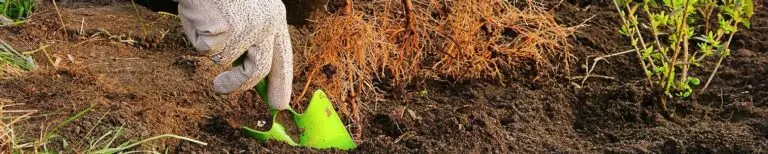
Spread bare roots naturally. Avoid bending long roots back into a small hole.
Loosen pot-bound outer roots. Tease circling roots gently so they can grow into the surrounding soil.
Keep instant trough root balls intact. Position adjoining units closely without open gaps.
Backfill carefully. Work soil around every root and remove large air pockets.
Firm the soil. Use the heel gently so each plant is stable without compacting the entire trench.
Water thoroughly. Wet the original roots and the surrounding prepared soil, not only the surface.
Mulch the line. Apply Hedge Bio Mulch, keeping it clear of stems.
Install protection where needed. Fit stock fencing, rabbit netting, guards or shelters according to the site risk.
Record the planting. Photograph long, commercial and grant-funded hedges and note planting date, species, height and protection.
Planting bare-root whips
Bare-root whips are economical and quick to handle, but exposed roots can dry in minutes on a bright or windy day. Keep roots damp, plant to the nursery soil mark and spread them into loose soil. Replace failed plants during the next dormant season after correcting the cause.
Planting pot-grown native hedging
Remove the pot, check for circling roots and plant the top of the root ball level with the surrounding soil. Pot-grown plants carry more compost than a bare-root whip, so check moisture inside the original root ball throughout the first season.
Planting Instant CountryHedge
Prepare a level trench wide and deep enough for the 85cm trough root system, with the finished soil level matching the top of the root ball. Place units end to end so their branches overlap naturally. CountryHedge is grown in compost containing feed for its initial period, so avoid adding concentrated fertiliser at planting. Water every unit slowly and check the far end of the irrigation line.
Native Mixed hedge spacing and plants per metre
Pack products are sold by the metre. When a product calculator shows “one per metre”, it means one complete metre pack, not one individual whip. Standard packs contain five plants for each metre of finished hedge. They are arranged in two staggered rows, normally 30cm apart, with plants about 40cm apart along each row.
Current Hedging Plants Direct densities and layouts for the products covered by this guide.
Product or format
Plants or units per metre
Row spacing
Layout note
Field Wildlife Mix
5 plants
30cm
Two staggered rows; plants about 40cm apart along each row
Garden Wildlife Mix
5 plants
30cm
Mix species irregularly rather than in blocks
Horse Safe Mix
5 plants
30cm
Plant behind a separate stock-proof fence
Thornless Mix
5 plants
30cm
Allow room for spreading Hazel and Dogwood stems
Green and Purple Beech Mix
5 plants
30cm
Distribute Purple Beech evenly for a balanced colour effect
Countryside Stewardship BN11
At least 6 plants
40cm
Two staggered rows using compliant 45–60cm two-year transplants
Instant CountryHedge
1 trough unit
Single continuous line
Each unit fills approximately one metre of finished hedge
Calculating the number of packs
Measure the hedge length in metres and order one standard metre pack for each metre. A 12m Field Wildlife hedge needs 12 packs, containing 60 plants in total. A 12m BN11 hedge requires a compliant supply of at least 72 plants. A 12m CountryHedge run needs 12 trough units, excluding gateways or intentional gaps.
Single or double row?
The standard wildlife packs and BN11 specification use a double staggered row because it creates a broad, interlocking hedge. Do not change a grant-funded layout without approval. A single row can suit a narrow domestic scheme using individually selected plants, but it will not match the density or habitat structure of the supplied metre packs.
Watering and establishment
Water immediately after planting and whenever the root zone begins to dry during the first two growing seasons. A new hedge may be dormant above ground while its fine roots remain vulnerable. Deep, condition-led watering is more effective than a token daily sprinkle.
Immediately after planting
Apply enough water to settle soil around the roots. Revisit the line and straighten plants that have sunk or leaned. On a long hedge, test several points rather than assuming the first section represents the whole run.
First growing season
Check beneath the mulch weekly in dry weather. Sandy ground, wind-exposed slopes and raised banks dry fastest. Clay needs less frequent irrigation but should be monitored for saturation. Keep a weed-free strip because grass removes a large share of the moisture available to small whips.
Second growing season
Roots should be spreading beyond the original planting slit, but prolonged drought can still cause dieback. Continue deep watering during dry spells, especially where plants are protected by guards or where mature trees compete for water.
Using hedge irrigation
A correctly installed hedge irrigation system is useful on long garden, commercial and development schemes. Position the pipe close to both rows, test flow at the furthest point and inspect soil rather than relying on the timer. Instant units require substantially more water than small bare-root whips.
Signs of drought
Young leaves wilt, curl or become crisp at the edges.
New shoots stop extending.
One species declines faster than the rest of the mix.
The soil is dry several centimetres below the mulch.
Newly planted Beech keeps brown leaves but fails to produce healthy buds.
Signs of waterlogging
Soil remains saturated long after rain.
Plants yellow or die in the lowest section of the trench.
Roots become dark, soft or smell stagnant.
Growth is weak despite regular feeding.
Water stands around CountryHedge trough roots.
How and when to feed Native Mixed hedging
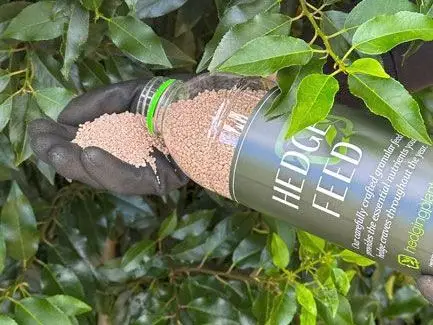
Most mixed native hedges need little fertiliser when planted into reasonable soil. Establishment depends more on weed control, water and soil structure than heavy feeding. Where soil is poor or spring growth is weak, apply a balanced Hedge Feed as a top dressing according to its label, then water if rain is not expected.
Do not feed bare roots directly in the planting slit. Avoid high-nitrogen feeding late in summer because soft growth may be damaged by winter weather. CountryHedge is supplied in compost containing feed for its initial establishment period, so additional fertiliser at planting is unnecessary unless the current product instructions change.
Renewing an organic mulch in late winter or early spring improves soil condition, reduces moisture loss and suppresses weeds. On BN11 schemes, follow the current agreement and agricultural hedgerow rules before applying fertiliser near the hedge.
How and when to prune a Native Mixed hedge
Formative pruning
Young deciduous hedges benefit from formative pruning that encourages branches near the base. In the first winter after planting and the following winter, shorten strong upright and side shoots by about one third where appropriate, cutting just above a healthy bud. BN11 requires the new hedge to be trimmed within the first two years while allowing it to become taller and wider at each cut.
Pruning an established wildlife hedge
For the greatest flowers and berries, avoid cutting every face back to the same point each year. Trim alternate sections or sides in different years, or cut every two to three years where the situation and rules allow. Late winter retains fruit for birds longer, while a light late-summer trim can be used for a more formal garden hedge after checking for active nests.
Beech hedge pruning
Green and Purple Beech should normally be trimmed in August. This encourages the hedge to retain its latest flush of dry leaves during winter. Avoid severe late-autumn cutting and do not disturb active nests.
Dogwood management
Dogwood produces its brightest winter stems on young wood. In a Thornless or Horse Safe mixed hedge, do not cut every Dogwood stem to the ground annually because that creates gaps. Instead, remove a proportion of older stems in late winter on a rotation.
Renovating an overgrown native hedge
Many deciduous native species respond to hard winter renovation, coppicing or hedge laying, but the right method depends on age, condition and legal status. Renovate in sections where possible, retain habitat and seek specialist advice for old countryside hedgerows, protected boundaries or grant-funded schemes.
Bird nesting and agricultural rules
Check for active nests before every cut. It is an offence to damage or destroy a wild bird’s nest while it is in use or being built. Agricultural hedgerows are also subject to cutting restrictions, commonly including 1 March to 31 August, with limited exemptions. Private garden status does not remove the protection for active nests.
Native Mixed hedge growth rate and eventual size
Mixed hedges do not grow at one speed. Hawthorn, Blackthorn, Hazel and Dogwood may make 30–60cm in a favourable year once established, while Holly and young Beech are often slower. The category’s 20–40cm annual figure is a sensible mixed average, but it should not be presented as a guarantee for every species.
Indicative growth characteristics within a mixed native hedge.
Species or group
Indicative annual extension
Natural tendency
Management implication
Hawthorn and Blackthorn
Often 30–60cm
Dense thorny framework; Blackthorn can sucker
Need width control near paths and boundaries
Hazel and Dogwood
Often 30–60cm
Broad vigorous multi-stem growth
Thin or renew selected stems to prevent domination
Field Maple and Hornbeam
Often 20–40cm
Strong hedge structure with autumn colour
Respond well to regular formative pruning
Holly
Often 10–20cm
Slower evergreen component
Do not let faster neighbours completely shade it
Guelder Rose and Dog Rose
Often 20–40cm
Flowering and fruiting arching growth
Leave some older growth uncut for wildlife value
Beech
Often 20–40cm
Formal dense hedge with leaf retention when clipped
Trim in August and maintain on free-draining soil
A new bare-root hedge may show limited shoot growth in its first year while roots establish. A well-managed five-plant-per-metre hedge can begin to join after two or three growing seasons, but a dense mature hedgerow takes longer. Allowing the hedge to reach 1.8–2.4m and a reasonable width increases habitat value where the site permits.
Seasonal Native Mixed hedge care calendar
Seasonal tasks for new and established native mixed hedging.
Period
Main tasks
Important checks
January–February
Plant bare root when soil is workable; formative prune young hedges; repair guards and fences
Frozen ground, waterlogging, livestock pressure and active nests
March
Complete bare-root and BN11 planting within permitted dates; plant clay sites when workable
Drying winds, weed growth and the start of nesting activity
April–May
Check bud break, water new hedges, renew mulch and replace failed stock where season permits
Rabbit damage, aphids, mildew and dry original root balls
June–July
Maintain irrigation, keep the strip weed free and inspect guards
Drought, strimmer damage, browsing and active nests
August
Trim Beech; lightly shape formal garden hedges after nest checks
Heat stress and premature cutting of berrying species
September–October
Plan new schemes, prepare ground, order bare-root packs and leave fruits for wildlife
Local provenance, grant approval, drainage and delivery access
November–December
Plant bare-root packs, BN11 schemes and replacements; mulch and record work
Root drying, poor firming, wind-rock and missing protection
Protecting a new native hedge
Browsing and accidental damage can destroy more plants than pests or disease. Select protection according to the site rather than fitting the same guard everywhere.
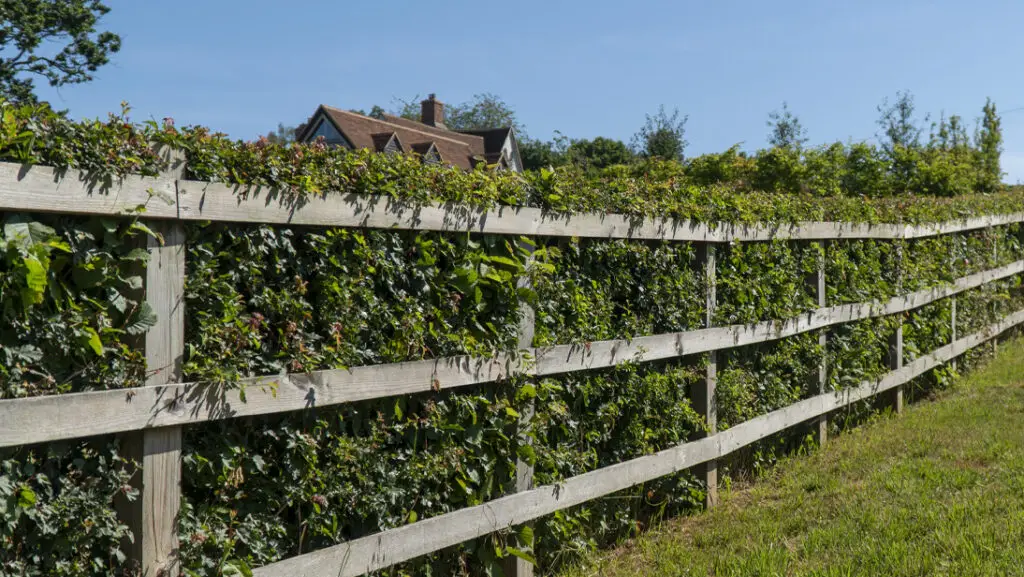
Rabbits, hares and deer
Rabbit netting or suitable spiral rabbit guards can protect bare-root whips where browsing is known. Larger guards or deer fencing may be needed on high-risk sites. Individual guards can restrict basal branching and become difficult to remove, so inspect them regularly and remove them once the plants are established.
Livestock
Use a secure fence separate from the hedge. BN11 requires fencing at least 1.2m from the hedge centre, or as close to the bank base as possible where a bank exists. The Horse Safe product page recommends keeping livestock at least 2m from the new hedge until it establishes.
Mowers and strimmers
Keep machinery away from young stems. A nylon strimmer line can ring-bark a whip in seconds. Maintain a visible weed-free strip, use mulch and hand weed close to plants.
Wind and construction activity
Firm plants after winter storms and correct rocking before roots tear. On development sites, protect the line from vehicles, stored materials, spoil, compaction and concrete washout. Use suitable plant protection where machinery or pedestrian traffic creates a genuine risk.
Native Mixed hedge pests, diseases and common problems
A mixed hedge rarely fails uniformly unless the cause is environmental. Begin by comparing the site, soil moisture and protection along the line. If one species declines while the others remain healthy, investigate a species-specific pest or disease.
Common native hedge symptoms and practical first actions.
Symptom
Likely causes
How to check
First action
No spring leaf growth
Dead bare roots, drought, failed establishment or late dormancy
Scratch a small stem and look for green tissue; inspect roots
Water if dry, allow for species timing and replace confirmed dead plants next season
Yellow leaves
Waterlogging, drought, nutrient stress or normal autumn colour
Check the season, soil moisture and whether low-lying plants are affected
Correct water conditions before feeding
Brown leaf edges
Drought, wind scorch, salt exposure or root damage
Check exposure and moisture below mulch
Water deeply if dry and improve temporary shelter
Plants snapped or stripped
Rabbit, hare, deer, livestock or machinery damage
Look for tooth marks, footprints and missing bark
Install suitable protection and prune to sound wood
Blackened hooked Hawthorn shoots
Possible fireblight
Inspect for scorched tips and discoloured wood
Seek diagnosis and remove affected wood with disinfected tools
White growth beneath bark and sudden decline
Possible honey fungus
Look for fungal sheets, bootlace-like strands or autumn mushrooms
Obtain diagnosis before replanting and remove infected woody material appropriately
Powdery coating on Hawthorn
Powdery mildew, often worsened by dry roots
Look for a removable white coating and crowded foliage
Improve watering consistency and airflow
Sparse base
Insufficient formative pruning, weeds, shade or guards left too long
Inspect lower light and branching
Improve light and weed control, then prune in stages
Establishment failure
The most common causes are roots drying before planting, planting too deeply, poor firming, drought, waterlogging, weeds and browsing. Replace failures during the next suitable season, but correct the cause first.
Fireblight on Hawthorn
Fireblight can affect Hawthorn and related rose-family plants. Shoot tips appear scorched and may bend into a hook. Symptoms can resemble frost or drought damage, so obtain a sound diagnosis. Cut affected growth well back into healthy wood and disinfect tools between cuts. Commercial fruit growers may need more specialised advice because Hawthorn hedges can act as a source of infection.
Honey fungus
Honey fungus attacks roots and can kill sections of a woody hedge. Hawthorn is frequently recorded as a host, while Field Maple, Beech, Hornbeam, Holly, Hazel, Dogwood and Rose may also be affected. Look for white fungal sheets beneath bark, black bootlace-like rhizomorphs and honey-coloured mushrooms in autumn.
Aphids, caterpillars and mites
Native hedge plants support insects, so the presence of feeding damage does not automatically justify control. Healthy established plants normally tolerate light populations. Encourage predators and intervene only where a correctly identified pest threatens establishment.
Is the plant dead or dormant?
Different species break bud at different times. Holly remains evergreen, Hawthorn may leaf early, and Hazel or Beech may be later depending on weather. Scratch a small area of bark: green tissue indicates life. Brittle brown stems and dry lifeless roots indicate failure.
Wildlife and environmental value
A species-rich hedge can provide nectar, pollen, caterpillar food, berries, hips, nuts, nesting cover and protected routes between habitats. Hawthorn blossom supports insects and its haws feed birds. Blackthorn flowers early and produces sloes. Hazel provides catkins and nuts. Dog Rose produces flowers and hips, while Guelder Rose adds flowers and red fruit.
Structure matters as much as the species list. A broad hedge with dense lower branches, occasional taller growth and an undisturbed base offers more niches than a thin line cut tightly to the same dimensions every year. Where space allows, retain a grassy or wildflower margin and allow some fruiting sections to escape annual cutting.
Cutting berrying hedges in alternate years or late winter preserves more food for wildlife. Avoid active nests at all times. Agricultural land may also require a two-metre buffer from the hedge centre where cultivation and fertiliser or pesticide use is restricted.
Native Mixed care by root type
Bare-root native packs
Bare-root plants are supplied dormant and are best planted promptly between autumn and early spring. Keep roots covered, firm the soil thoroughly and protect the hedge from browsing. Water during the first spring and summer even though the plants arrived without leaves.
Pot-grown native packs
Pot-grown plants can be planted year-round but require careful moisture checks. Loosen circling roots, water the pot before planting and inspect the original compost after planting. They provide flexibility rather than immunity from drought.
Instant CountryHedge
Instant units provide immediate foliage and structure but have the largest concentrated root systems. Prepare the trench before delivery, position units without gaps, irrigate deeply and avoid additional feed during the initial period unless current product instructions advise it.
Root-balled plants
The current mixed packs are not generally sold as traditional individual root balls. If a bespoke commercial mix includes root-balled specimens or hedgerow trees, plant during the cooler lifting season, keep each ball intact and follow the species-specific spacing and staking plan.
Frequently asked questions about Native Mixed hedging
What is the best time to plant a mixed native hedge?
The best time for bare-root mixed native hedging is usually November to March, while plants are dormant and soil is naturally moist. Pot-grown and instant hedging can be planted at other times if the ground is workable and watering is reliable. BN11 planting must follow its stricter 1 November to 31 March window.
How many native hedge plants do I need per metre?
Standard Hedging Plants Direct wildlife, horse-safe, thornless and Beech metre packs contain five plants per metre. BN11 requires at least six plants per metre. Instant CountryHedge uses one trough unit per metre. A calculator showing one item per metre on a pack page refers to one complete metre pack, not one individual whip.
How far apart should native hedge rows be?
Standard five-plant packs are planted in two staggered rows about 30cm apart, with plants about 40cm apart along each row. BN11 requires two staggered rows 40cm apart. Follow the product or agreement specification rather than applying one layout to every project.
How quickly does a mixed native hedge grow?
Most mixed native hedges average about 20–40cm of annual extension, although vigorous Hawthorn, Blackthorn, Hazel and Dogwood may make 30–60cm once established. Holly is slower. The first year may show limited shoot growth while roots establish.
How long does a native hedge take to fill out?
A five-plant-per-metre hedge can begin to join after two or three growing seasons when planted and maintained correctly. A dense mature hedgerow takes longer. Starting size, formative pruning, water, weeds, browsing and soil conditions are more important than height at delivery alone.
Should a mixed native hedge be planted in a double row?
Yes, the supplied wildlife packs are designed for two staggered rows because this produces a broad, interlocking hedge. BN11 also requires a double row. A single row may suit a narrow domestic design using separately selected plants, but it will not deliver the same density.
How often should I water a newly planted native hedge?
Water thoroughly at planting, then check the soil regularly through dry weather during the first two growing seasons. Frequency depends on soil, wind, rainfall and plant format. Sandy and exposed sites dry quickly, while clay must be checked for waterlogging.
Does native mixed hedging need fertiliser?
Usually not in reasonably fertile soil. Weed control, water and mulch are more important during establishment. Apply a balanced hedge feed in spring only where soil is poor or growth is weak. Do not place concentrated fertiliser against bare roots or feed heavily late in the season.
When should I prune a mixed native hedge?
Use winter formative pruning during the first two years to encourage a dense base. Established wildlife hedges can be cut lightly in late winter, in alternate sections or every two to three years where appropriate. Beech is usually trimmed in August. Check for active bird nests before every cut.
Can a mixed native hedge grow in shade?
Partial shade suits many native hedge plants, including Hazel, Holly, Hawthorn and Hornbeam. Deep shade beneath mature trees creates strong competition and can cause sparse growth. Choose shade-tolerant species and expect slower establishment.
Can mixed native hedging grow in clay soil?
Yes, provided the clay is not permanently waterlogged or severely compacted. Hawthorn, Field Maple and Hornbeam are generally adaptable, while Beech requires better drainage. Prepare a broad strip and avoid smearing wet clay. Current BN11 advice recommends March planting on clay sites.
Is mixed native hedging evergreen?
No, most traditional mixed native hedging is predominantly deciduous. Holly adds some evergreen foliage, and clipped Beech often retains dry leaves through winter, but the hedge should not be marketed as a fully evergreen screen. Its winter structure still filters wind and provides habitat.
Which native hedge mix is best for wildlife?
Garden Wildlife Mix and Instant CountryHedge contain the broadest range of flowering and fruiting plants, while Field Wildlife Mix also provides excellent habitat. Management is equally important: allow width, retain a dense base and avoid cutting every berrying section each year.
Is Horse Safe Hedging completely safe for horses?
No plant mix should be treated as a veterinary guarantee or the only paddock barrier. The Horse Safe Mix is selected for livestock settings, but horses should be kept behind a separate secure fence, denied access to young growth and pasture boundaries checked regularly for poisonous self-seeded plants.
What is the best hedge mix beside a path?
Thornless Hedging Mix is the most practical option beside paths, access routes and play areas because it excludes Hawthorn, Blackthorn and Dog Rose. It still becomes a broad woody hedge, so leave room for Hazel and Dogwood growth and trim before branches obstruct the route.
Why are some plants in my mixed hedge growing faster?
Different species naturally grow at different rates. Hawthorn, Blackthorn, Hazel and Dogwood often outpace Holly and young Beech. Use selective pruning to stop vigorous plants smothering slower neighbours, and check that slower plants are not dry, shaded or damaged.
Why has part of my native hedge died?
Localised death usually points to dry roots, waterlogging, browsing, planting depth, poor firming or machinery damage. Compare the soil and protection along the line. If white fungal growth, bootlace-like strands or repeated woody-plant deaths are present, obtain advice about honey fungus before replanting.
Can I plant a native hedge for a Countryside Stewardship grant?
Yes, where the land, agreement and proposal meet the current scheme rules. The 2026 BN11 item requires locally occurring native species, compliant two-year-old 45–60cm plants, at least six plants per metre, a 1.5m prepared strip, protection, replacement of failures and detailed evidence.
Related hedge advice
Useful planting, pruning and hedge-care advice from our nursery.
Learn how you can easily plant a hedge with our comprehensive step-by-step guide. From picking the right species to planting techniques and after care.
Enjoy healthy, lush hedges with our comprehensive guide on how to fertilise your hedge. Discover the importance of using the right types of hedge fertiliser
Compare native hedge plants for UK gardens and find the right species or prepared mixture for wildlife, screening, clay soil, shade and rural boundaries.
Explore the complete native mixed hedge plant range to compare wildlife, field, thornless, horse, stewardship, Beech and instant options. Each product page explains the current species composition, available heights, root types, pack quantities and seasonal availability. Where a particular species, provenance or grant specification is essential, confirm the details before ordering.
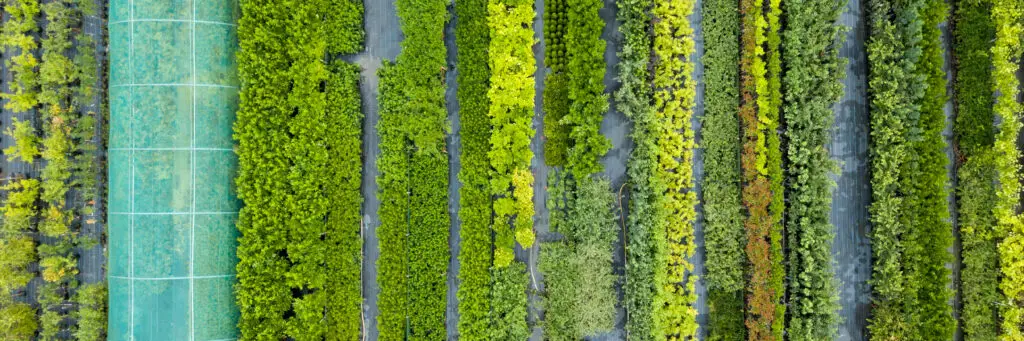
Hedging Plants Direct is a family-run nursery business established in 1982 and supplies retail, trade and commercial customers across the UK. Bare-root packs are seasonal, pot-grown plants offer greater planting flexibility and CountryHedge provides immediate structure. Mixed-format orders may be dispatched together when all plants are available.