
Hedging care & growing guide
Blackthorn Hedge Care Guide: Planting, Spacing and Pruning
Blackthorn is a hardy native deciduous hedge that establishes best in a weed-free, well-prepared planting line with good drainage, correct spacing and reliable watering during its first growing seasons. Our Blackthorn hedging range is currently available as bare-root and pot-grown plants, with planting density varying according to the size and root type selected.
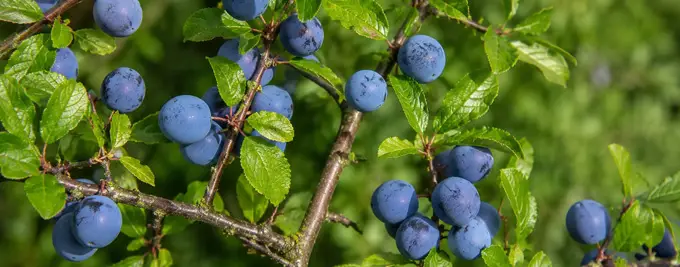
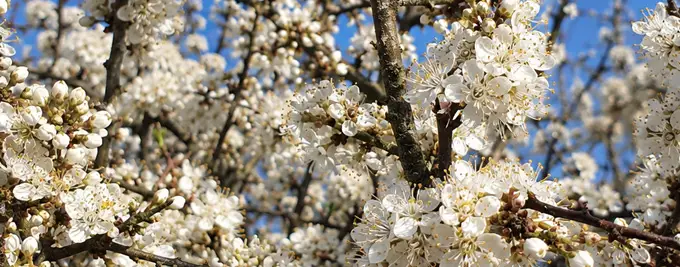
Also known as Sloe or Prunus spinosa, Blackthorn develops dense thorny growth, white blossom in early spring and blue-black sloes later in the year. It is particularly useful for native, wildlife and defensive hedges, but its thorns and natural tendency to produce suckers mean that the planting position needs more thought than with a compact ornamental hedge.
This guide explains how to choose, plant, space, water, feed and prune Blackthorn in UK conditions, together with advice on growth rate, controlling suckers, winter appearance, wildlife value and common establishment, pest and disease problems.
Expert nursery advice
Gwynne's Grower's Tip
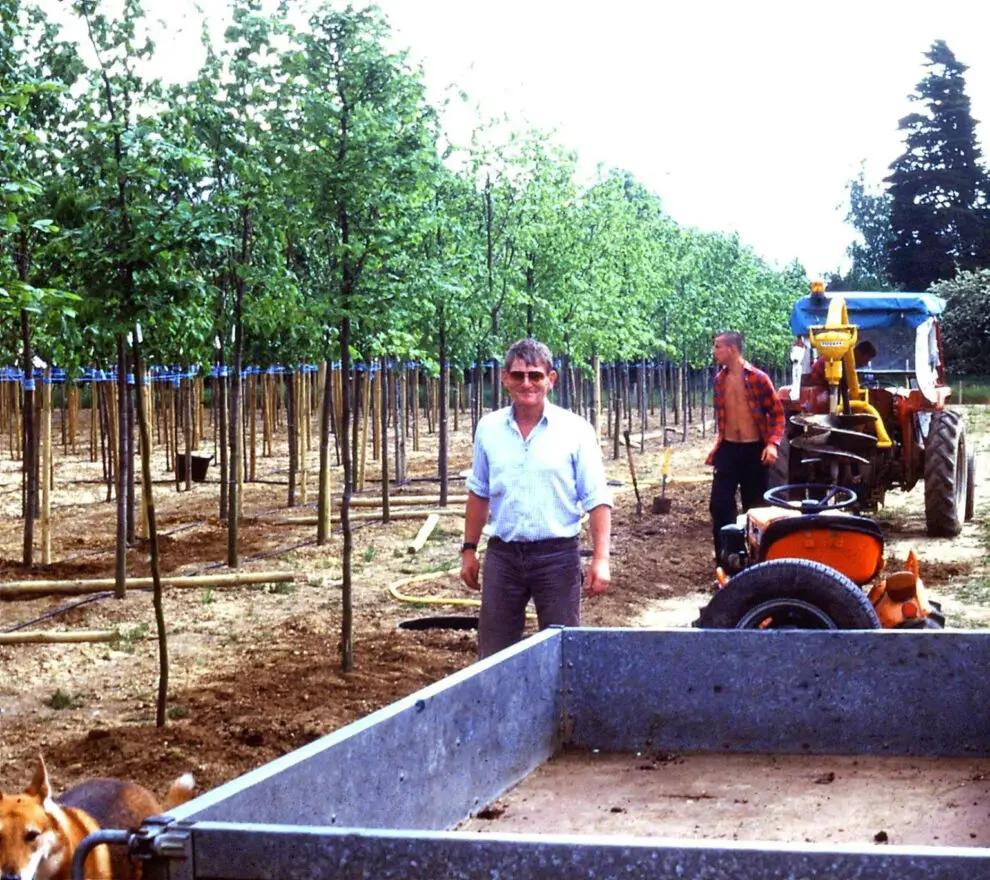
Blackthorn makes its best hedge when you give it enough room to behave naturally but start managing its shape while the plants are still young. Keep the planting strip free from grass, water properly during establishment and encourage branching from low down rather than allowing a few long shoots to race upwards. Remember that it is thorny and naturally produces suckers, so think about nearby paths and borders before you plant. If flowers and sloes are important, avoid cutting every new shoot off each year.
From our nursery
Visit our Blackthorn hedges

Blackthorn Hedge
Our Blackthorn Hedge is one species offered in several starting sizes, with bare-root plants useful for economical winter planting and pot-grown plants giving more flexibility over planting time. Whichever format you choose, allow for its thorny mature growth and natural suckering habit. For long rural, wildlife or defensive boundaries it is a particularly useful plant, while smaller gardens need more regular width and sucker control.
Not sure which Blackthorn hedge to choose?
Compare the available plants, formats and starting sizes in the complete range.
Explore our complete Blackthorn hedging rangeBlackthorn hedge quick-care summary
| Botanical name | Prunus spinosa |
|---|---|
| Plant type | Native thorny shrub or small tree |
| Evergreen or deciduous | Deciduous |
| Typical growth rate | About 30–60cm a year once established |
| Preferred position | Full sun to partial shade; exposed or sheltered |
| Soil | Most moist, well-drained soils |
| Watering | Water at planting and through dry periods while establishing |
| Pruning period | Light summer pruning; check for active nests first |
| Feeding | Usually light; balanced spring feed where needed |
| Hardiness | H7; very hardy in UK conditions |
| Typical hedge height | Commonly maintained at about 1.5–3m |
| Planting season | Bare root in dormancy; pot grown year-round in suitable weather |
| Root types commonly available | Bare root and pot grown |
Blackthorn suckers, thorns and controlling spread
Blackthorn naturally produces shoots from its spreading root system. This helps it form dense native thickets but can also move growth beyond the intended hedge line. Regularly removing unwanted young suckers and allowing enough maintenance space is easier than waiting until woody stems have established in lawns or borders.
Suckering is a normal Blackthorn growth habit rather than a disease. New shoots can emerge from roots beyond the main stems, gradually broadening an unmanaged hedge into a thicket.
When suckering is useful
On field edges, wildlife boundaries and informal rural hedgerows, some natural spread can help Blackthorn fill gaps and create dense cover.
When suckering becomes a problem
In smaller gardens it may send shoots into lawns, borders or the far side of a narrow boundary. Consider this before planting rather than assuming the hedge will always remain exactly on its original line.
How to control unwanted Blackthorn suckers
- inspect both sides of the hedge during the growing season;
- remove unwanted young shoots before they become thick woody stems;
- cut lawn suckers as part of regular mowing where appropriate;
- trace persistent shoots back towards their origin when practical and remove them cleanly without unnecessary damage to the main hedge;
- keep enough access beside the hedge to carry out this work safely.
Managing Blackthorn thorns
Wear sturdy gloves and eye protection for pruning and maintenance. Avoid positioning a Blackthorn hedge so close to a narrow path that routine growth projects into pedestrians. Collect cut stems carefully because strong thorns remain sharp after pruning.
About Blackthorn hedging
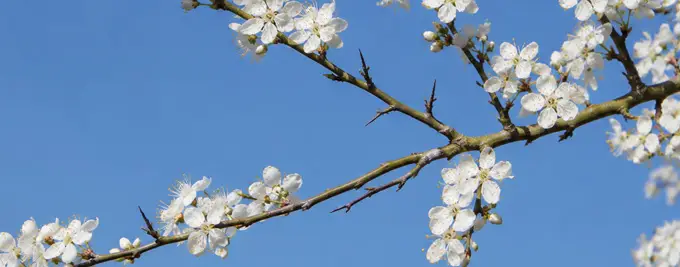
Blackthorn, Prunus spinosa, is a native deciduous shrub or small tree valued for dense thorny growth, very early white blossom and autumn sloes. It can form either a clipped garden hedge or a broader rural hedgerow, but its natural suckering habit and sharp thorns should be considered when choosing where to plant it.
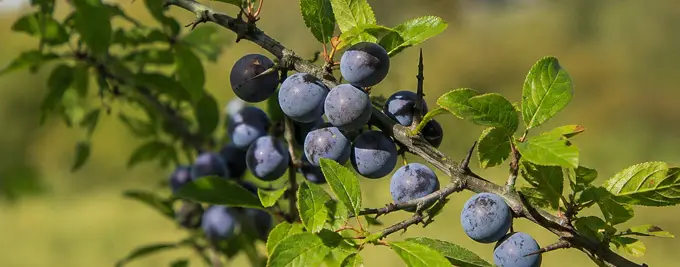
Blackthorn, also called Sloe, belongs to the rose family, Rosaceae. It is widespread in native hedgerows and develops a dense network of dark woody stems armed with sharp thorns. The white flowers usually appear on bare branches early in spring before the new leaves fully emerge, followed later by small blue-black fruits known as sloes.
The foliage is deciduous, so Blackthorn loses its green leaves in autumn. Its dense twiggy framework still provides physical structure through winter, but it should not be chosen where an evergreen visual screen is essential.
What makes Blackthorn useful as a hedge?
- Dense, thorny branches can create a strong physical boundary.
- Early flowers provide an important seasonal resource for pollinating insects.
- Sloes provide autumn food for wildlife when fruit is allowed to develop.
- The plant is very hardy and suited to many exposed rural sites.
- It combines naturally with species such as Hawthorn, Hazel and Field Maple in native hedgerows.
- Its ability to sucker can help fill gaps in an informal boundary.
That same suckering habit can be less convenient beside lawns, paths and ornamental borders, where new shoots may appear beyond the original planting line. Blackthorn is therefore particularly well suited to rural gardens, field boundaries, wildlife schemes and locations where there is enough width to manage it properly.
Our current Blackthorn Hedge is offered in both bare-root and pot-grown formats, with the appropriate planting density depending on the size selected.
Choosing the right Blackthorn hedge
Choose Blackthorn when you want a hardy, thorny, wildlife-rich deciduous boundary rather than year-round green screening. It performs especially well in sunny rural or exposed positions and can be maintained as a hedge, but its suckers and thorns make it less convenient beside narrow paths, children's play areas or very small ornamental borders.
Blackthorn is most useful where its natural characteristics solve a genuine planting problem. A site with enough width for a dense native hedge will generally suit it better than a narrow strip beside a frequently used path.
Blackthorn is a strong choice for
- native and wildlife hedges;
- rural and countryside boundaries;
- thorny or defensive boundaries;
- exposed positions;
- informal hedgerows;
- larger gardens where suckers can be controlled without constant conflict with neighbouring planting;
- mixed native hedges with Hawthorn, Hazel, Field Maple and other compatible species.
Think carefully before using Blackthorn for
- very narrow borders;
- hedges immediately beside children's play areas;
- frequently used gateways and narrow paths;
- positions where suckering into a lawn or valuable planting would be difficult to manage;
- sites where dense evergreen privacy is required throughout winter;
- deep shade where flowering and fruiting are important.
Sun and shade
Full sun is the safest choice where the aim is dense growth, plentiful blossom and sloes. Blackthorn can tolerate some partial shade, particularly as part of a mixed hedgerow, but flowering and fruiting are normally reduced as light levels fall. Deep shade combined with root competition from established trees is a poor position for establishing a new hedge.
Formal or informal?
Blackthorn can be clipped into a relatively neat hedge, although its thorny stems and vigorous shoots give it a more natural appearance than very fine-leaved formal species. Allowing selected shoots to mature rather than trimming every surface repeatedly will normally produce more flowers, sloes and wildlife value.
When to plant Blackthorn hedging
Bare-root Blackthorn is planted while dormant, normally from late autumn to early spring, while pot-grown Blackthorn can be planted throughout the year when the soil is workable. Avoid planting into frozen, saturated or exceptionally dry ground, and be prepared to water pot-grown plants much more carefully when planting during warm weather.
Bare-root Blackthorn
Plant bare-root Blackthorn during the dormant period, normally from November through to March depending on weather and nursery availability. Autumn planting works well on free-draining ground because the soil is still relatively warm and naturally moist. On heavy ground that remains wet through winter, waiting until later in the dormant season can be safer.
Keep the exposed roots damp from the moment the plants arrive until they are back in the soil. If planting has to be delayed, protect the roots from sun, wind and frost and heel the plants temporarily into suitable soil if necessary.
Pot-grown Blackthorn
Pot-grown plants can be planted throughout the year provided the ground is not frozen or waterlogged and adequate watering is available. Spring and autumn are usually easier than the hottest part of summer because the roots experience less moisture stress.
When to postpone planting
- when the ground is frozen solid;
- when planting holes immediately fill with standing water;
- during very hot, dry or windy weather unless irrigation can be maintained;
- when bare roots cannot be protected from drying during the planting work;
- when heavy machinery would compact saturated soil around the new hedge.
Where to plant Blackthorn hedging
Plant Blackthorn in full sun or light partial shade in soil that drains freely while retaining enough moisture for establishment. It is very hardy and useful on exposed and coastal sites, but permanent waterlogging, severe compaction, deep shade and intense root competition can still cause poor establishment.
Light
Choose full sun where possible, especially when blossom and sloes are important. Light partial shade is acceptable, but Blackthorn should not be treated as a true deep-shade hedge.
Soil and drainage
Blackthorn is adaptable to many ordinary UK garden soils and is commonly associated with chalky and loamy ground. Good drainage remains important. Heavy clay does not automatically rule it out, but compacted clay that remains saturated for long periods should be improved or drained before planting.
On very light sandy ground, moisture management becomes the greater problem. Incorporating suitable organic matter into the existing soil and maintaining mulch after planting can help slow moisture loss.
Exposure and coastal conditions
Established Blackthorn is robust and can suit exposed landscapes and coastal planting. New plants are more vulnerable than mature hedges, so exposed sites still require careful watering and protection from wind-rock while roots establish.
Paths, fences and boundaries
Allow enough room to reach the hedge safely for future pruning and to prevent thorny branches narrowing paths or gateways. There is no useful universal distance from a wall or fence because the correct setback depends on the intended finished width and whether maintenance access is required on one or both sides.
Also consider the ground beyond the hedge line. Blackthorn can produce suckers away from the original stems, so planting directly beside a formal lawn, narrow border or neighbouring planting may create more maintenance than a broader rural position.
How to prepare the planting area
Prepare a continuous, weed-free planting strip before Blackthorn arrives. Loosen compacted soil, correct serious drainage problems and mix soil improver with the existing ground only where useful. Bare roots must remain moist, while pot-grown root balls should be thoroughly watered before planting.
- Mark the hedge line. Measure the full run, excluding gateways and other permanent openings, and use a string line where a straight hedge is required.
- Remove grass and perennial weeds. Young Blackthorn should not have to compete with established turf for moisture during its first growing seasons.
- Check drainage. If test holes remain full of water after rainfall, correct the drainage problem rather than assuming a hardy native hedge will tolerate permanently saturated soil.
- Loosen compacted ground. Break up the planting strip rather than creating isolated polished holes within hard soil.
- Use a trench where practical. A continuous trench is particularly useful for closely spaced bare-root plants and makes consistent depth and soil preparation easier.
- Improve poor soil moderately. Where additional organic matter will improve structure, mix peat-free hedge planting compost into the excavated soil instead of filling the trench entirely with compost.
- Do not create a rich layer beneath the roots. A soft layer can settle and leave plants too deep, while concentrated fertiliser can damage new roots.
- Water pot-grown plants before planting. A dry root ball can remain dry even when the surrounding soil looks wet.
- Protect bare roots. Open bundles progressively and keep unused plants covered so roots are never left exposed to drying wind or sun.
- Apply mycorrhizal fungi correctly if selected. The product must contact the roots directly and should be applied according to its current instructions.
How to plant a Blackthorn hedge
Plant Blackthorn at the same depth it was previously growing, spread bare roots naturally or keep the pot-grown root ball intact, then backfill, firm gently and water thoroughly. Set out the plants at the correct size-specific density before digging so spacing remains consistent along the hedge.
- Set out the plants first. Use the plants-per-metre figure for the exact Blackthorn size and root type selected.
- Dig the trench or holes. Make the prepared area wide enough for roots to sit naturally without bending them sharply back on themselves.
- Check planting depth. The previous soil mark or root collar should finish approximately level with the surrounding ground.
- Prepare bare roots. Keep them damp and spread them naturally through the loosened soil. Remove only broken or badly damaged root ends with clean tools.
- Prepare pot-grown plants. Remove the container carefully and loosen only tightly circling outer roots. Do not destroy the whole root ball.
- Position every plant upright. Step back occasionally to check the line before filling the trench completely.
- Backfill gradually. Work the excavated soil between the roots and remove large air pockets.
- Firm gently. The plants should stand securely without the entire root zone being heavily compacted.
- Water thoroughly. Wet the full original root area and surrounding prepared soil rather than merely sprinkling the surface.
- Mulch the planting line. Apply a suitable organic mulch over moist, weed-free soil, leaving a clear gap immediately around each stem.
- Protect where necessary. Young native hedging can still be damaged by rabbits, deer, livestock or machinery even though mature Blackthorn becomes very thorny.
Planting bare-root Blackthorn
Bare-root plants have very little stored moisture around the roots once lifted. Handle them in small batches, keep roots covered and plant as promptly as practical. The transition between stem and root should not be buried deeply.
Planting pot-grown Blackthorn
Water the pot thoroughly before planting. After planting, continue checking the moisture inside the original root ball because its compost can dry at a different rate from the surrounding soil.
Blackthorn hedge spacing and plants per metre
Blackthorn spacing varies with the supplied size and root type. Hedging Plants Direct currently specifies 4–6 plants per metre, ranging from approximately 17cm centres for 40–60cm bare-root plants to 25cm centres for larger bare-root and pot-grown plants. Always use the density shown for the exact product variation ordered.
There is no single correct Blackthorn planting distance for every plant we sell. Our current live Blackthorn data uses a higher density for smaller bare-root plants and fewer plants per metre as starting size increases.
| Blackthorn size and root type | Plants per metre | Approx. spacing |
|---|---|---|
| Bare Root 40–60cm | 6 per metre | 17cm centres |
| Bare Root 60–90cm | 5 per metre | 20cm centres |
| Bare Root 90–120cm | 5 per metre | 20cm centres |
| Bare Root 120–150cm | 4 per metre | 25cm centres |
| Pot Grown 40–60cm | 4 per metre | 25cm centres |
| Pot Grown 60–90cm | 4 per metre | 25cm centres |
| Pot Grown 90–120cm | 4 per metre | 25cm centres |
Single or staggered double row?
A single row creates a perfectly useful Blackthorn hedge in many gardens. A staggered double row can be considered where a broader traditional hedgerow is required, but do not automatically double the number of plants ordered. The figures above are Hedging Plants Direct's current ordering densities per linear metre; check the project specification before changing the total density.
Why starting size changes the density
Smaller whips have narrower initial crowns, so more plants are used to close the line evenly. Larger plants already occupy more space and need sufficient soil, moisture and light to establish. Planting substantially closer than the specified density does not automatically create a healthier hedge and can increase competition.
Watering and establishment
Water Blackthorn thoroughly immediately after planting and keep checking moisture through dry weather during its first growing seasons. Frequency should respond to rainfall, soil type, wind and plant format rather than a rigid timetable. Deep watering at root level is more useful than frequent light sprinkling.
New Blackthorn is hardy but not drought-proof. Until new roots grow into the surrounding soil, each plant depends heavily on the relatively small volume of soil immediately around its original root system.
Immediately after planting
Water slowly and thoroughly to settle the soil around the roots and remove large air pockets. Check that water is penetrating to the lower root zone rather than simply running along the surface.
During the first growing season
Check moisture below the surface regularly during dry periods. Sandy soils and exposed sites can dry quickly, while heavy clay may still be wet at root depth even when the surface looks dry. Water when the root zone is starting to dry rather than applying water automatically regardless of conditions.
Pot-grown plants
Direct some water onto the original root ball. Potting compost and surrounding garden soil can hold moisture differently, and a dry root ball can sometimes remain dry while nearby soil is damp.
Signs of too little water
- wilting or dull foliage during active growth;
- premature yellowing and leaf drop;
- weak shoot extension;
- dry, crumbly soil around the roots;
- dieback following hot or windy weather.
Signs of excessive moisture or poor drainage
- persistent yellowing despite wet soil;
- little new root or shoot growth;
- soil remaining saturated for long periods;
- root decline or stem dieback.
Maintain a weed-free strip and mulch over moist ground to reduce evaporation. Keep mulch away from direct contact with the stems.
How and when to feed Blackthorn hedging
Established Blackthorn usually needs little fertiliser in ordinary garden soil. Feeding is most useful where growth is weak because the soil is genuinely nutrient-poor, or when a new hedge begins active growth. Use a balanced feed at the labelled rate rather than forcing soft growth with excessive nitrogen.
Feeding should support good establishment, not compensate for poor drainage, drought, deep planting or heavy weed competition. Blackthorn growing in reasonably fertile soil can form a strong hedge without intensive annual feeding.
Feeding a new hedge
Avoid putting concentrated fertiliser directly against bare roots when planting. Once active growth begins, a balanced surface-applied hedge feed can be used where additional nutrition is justified. Follow the current product rate and water the soil after application when required.
Feeding an established hedge
Consider feeding in spring if the hedge is making consistently weak growth despite adequate light, water and root space. If growth and leaf colour are already healthy, extra fertiliser may provide little benefit.
Do not overfeed
Heavy applications, particularly of high-nitrogen fertiliser late in the growing season, can encourage soft growth rather than a naturally balanced hedge. Apply only the recommended quantity.
Mulch and organic matter
An organic mulch can improve the root environment by reducing weed competition and slowing moisture loss. It should be regarded as part of soil management rather than a substitute for correcting poor structure or drainage.
How and when to prune a Blackthorn hedge
Prune Blackthorn lightly to encourage a dense base and control its thorny width, but remember that it belongs to the Prunus group and can be affected by silver leaf. For routine branch removal, dry summer conditions are preferable where practical. Always check carefully for active bird nests before cutting.
Blackthorn responds well to formative pruning, but the timing deserves more care than a simple instruction to cut every hedge in winter. As a Prunus, it is susceptible to silver leaf disease, whose spores are most abundant during damp autumn and winter weather.
Formative pruning
During the early years, shorten excessively long side shoots where necessary to encourage branching lower down the hedge. The aim is to create a broad, dense base rather than a row of tall bare stems.
Maintenance pruning
Once the hedge reaches its intended size, trim only enough to retain the required height and width. Keep the base at least as wide as the upper part so light continues to reach the lower branches.
Where significant live wood needs removing, choose a dry period in late spring or summer where practical. RHS guidance specifically recommends mid-summer pruning for Blackthorn when silver leaf is a concern.
Flowers and sloes
Blackthorn flowers on established shoots. Repeatedly clipping every young extension can greatly reduce blossom and therefore the amount of fruit produced later. Where wildlife and sloes matter, leave selected areas less tightly trimmed or manage different sections in different years.
Renovating an overgrown hedge
Blackthorn is capable of producing vigorous new shoots after substantial cutting, but renovate a large neglected hedge carefully rather than assuming every old stem should be removed at once. Staged work preserves more structure and habitat and makes regrowth easier to manage.
Birds and legal considerations
Check the full hedge carefully for active nests before starting work and postpone cutting wherever a nest is in use. Agricultural hedgerows in England may also be subject to statutory seasonal cutting restrictions, so land managers should check the current rules before work begins.
Safety
Wear sturdy gloves, eye protection and suitable clothing. Blackthorn thorns are long and rigid, and cut branches should be collected rather than left on lawns, paths or vehicle routes.
Blackthorn hedge growth rate and eventual size
Blackthorn can make approximately 30–60cm of annual extension once established in favourable conditions, although young plants may grow more slowly while developing roots. An unclipped plant can reach around 4–5m, while many garden and field hedges are maintained at approximately 1.5–3m.
Hedging Plants Direct currently describes Blackthorn as a moderate-to-fast-growing hedge capable of approximately 30–60cm of growth a year. This is a useful planning range rather than a guarantee.
What affects Blackthorn growth?
- available light;
- soil moisture and drainage;
- weed competition;
- starting plant size;
- root establishment;
- exposure;
- pruning intensity;
- soil fertility;
- competition from established trees and shrubs.
The establishment phase
A newly planted hedge may make modest top growth while roots establish. This does not necessarily indicate a problem. Consistent moisture and a weed-free root zone normally matter more than attempting to force rapid growth with fertiliser.
Eventual height
Blackthorn can develop into a shrub or small tree around 4–5m tall if left unmanaged. A clipped hedge can be kept substantially lower. About 1.5–3m is practical for many garden and field hedges, depending on the purpose and available width.
Width should also be planned. An informal Blackthorn hedgerow can become broad because of both side shoots and suckers, whereas regular cutting can maintain a narrower boundary.
Seasonal Blackthorn hedge care calendar
Blackthorn care changes with the season. Winter is primarily a bare-root planting period, spring brings early blossom and renewed watering needs, summer is the main establishment and carefully timed pruning period, and autumn is useful for pot-grown planting, mulching and allowing sloes to mature.
| Period | Main Blackthorn tasks | Important checks |
|---|---|---|
| January–February | Plant bare-root Blackthorn when soil is workable; inspect guards, ties and mulch | Frozen ground, waterlogging, rabbit or deer damage |
| March–April | Complete dormant-season planting as stock and conditions allow; enjoy early blossom; begin checking newly planted hedges for moisture | Drying winds, late frost, developing bird nests |
| May–June | Control weeds, water during dry spells and check new shoot development | Aphids, caterpillars, drought and active nests |
| July | Where legally appropriate and no nests are active, carry out necessary summer pruning or remove diseased Prunus wood in dry weather | Silver leaf symptoms, drought and nesting wildlife |
| August–September | Continue watering young hedges in dry weather; allow fruiting sections to develop sloes | Heat stress, fruit damage, vigorous suckers |
| October | Plant pot-grown Blackthorn in suitable soil; mulch established planting strips and plan winter bare-root work | Drainage and space for future width |
| November–December | Plant bare-root stock as conditions permit; keep new plants weed-free and inspect protection | Waterlogging, frost and exposed roots |
Seasonal timing should always respond to actual weather rather than the calendar alone. A dry April may require more establishment watering than a wet June.
Blackthorn pests, diseases and common problems
Most problems in newly planted Blackthorn hedges are caused by establishment conditions rather than disease. Start by checking planting depth, soil moisture, drainage, weeds and root condition. Genuine Blackthorn problems include aphids, caterpillars, silver leaf, blossom wilt and occasional fruit disorders such as pocket plum.
Yellow leaves after planting
Likely causes: transplant stress, dry roots, excessive moisture, poor drainage or normal seasonal yellowing.
Check the soil below the surface rather than diagnosing from leaf colour alone. If the soil is dry through the root zone, water deeply. If it remains saturated, improve drainage and stop adding water automatically. Remember that healthy Blackthorn is deciduous and naturally yellows before leaf fall in autumn.
Brown or crispy foliage
Likely causes: drought, drying wind, root damage or severe establishment stress.
Check whether the affected plant has a dry root zone and compare it with neighbouring plants. Correct the cause before feeding. Fertiliser will not repair roots that cannot access water.
Blackthorn hedge not growing
Slow growth in the first season is not necessarily failure. Check whether the plant is alive by looking for flexible shoots, healthy buds and living green tissue immediately beneath a very small scratch in the bark. Then investigate planting depth, weeds, moisture and root competition.
Sparse growth at the base
This can develop when young plants are allowed to grow upwards without sufficient branching or when the lower hedge is heavily shaded. Use appropriate formative pruning and maintain a wider base so light reaches the lower shoots.
Silver leaf
Silver leaf can affect Prunus. Leaves develop an abnormal silvery appearance and affected branches may die back. True silver leaf can be distinguished from stress-related false silvering by staining within affected wood. Remove diseased wood back into healthy tissue using clean tools and dispose of infected material appropriately. Routine pruning is safer during the summer when infection pressure is lower.
Blossom wilt
Flowers and nearby shoots may turn brown and die. Remove affected material where practical and improve general hedge health and airflow. Avoid assuming every brown shoot is blossom wilt; frost and drought can create superficially similar symptoms.
Pocket plum on sloes
The fungus Taphrina pruni can distort developing sloes, producing elongated or shrivelled fruit rather than normal dark rounded sloes. Remove affected fruit where practical and dispose of it away from the hedge.
Aphids and caterpillars
Small infestations on an established native hedge are often part of the normal wildlife food chain. Check whether damage is genuinely threatening the plant before considering control. Encouraging predators and maintaining good plant health are preferable to unnecessary pesticide use.
Browsing and physical damage
Young Blackthorn plants are less defensive than a mature thorny hedge. Rabbits, deer and livestock can damage tender shoots, while strimmers can destroy the lower bark. Use physical protection where the site risk justifies it and keep machinery clear of the stems.
Can damaged Blackthorn recover?
Yes, Blackthorn can regenerate strongly when roots remain healthy. First remove the cause of damage and establish whether living buds or basal shoots remain. A plant with completely dead roots will not recover, but one that has lost top growth may still produce new shoots from the base.
Blackthorn wildlife and environmental value
Blackthorn provides several different wildlife resources during the year: early spring flowers for pollinators, foliage for insect larvae, dense thorny nesting cover and autumn sloes for birds. A broad, lightly managed hedge generally provides more habitat and fruit than one clipped tightly to the same outline every year.
Blackthorn's wildlife value comes from the combination of its flowers, foliage, fruit and physical structure rather than from any one feature.
Early blossom
The white flowers appear very early in spring, often before the leaves, providing pollen and nectar at a time when comparatively few woody plants are flowering.
Insects
Blackthorn foliage is used by caterpillars of several moth species and also supports specialist butterflies. Insect-rich foliage then becomes part of the food supply for birds and other animals using the hedge.
Nesting and shelter
The dense thorny branch structure provides protected cover. Allowing the lower hedge to remain dense and leaving some variation in height and width creates more useful habitat than a thin hedge repeatedly cut to exactly the same dimensions.
Sloes
The blue-black fruits mature later in the year and are eaten by wildlife. If fruit is a priority, avoid trimming all flowering and fruiting growth annually.
Manage for wildlife as well as appearance
- check for active nests before all cutting;
- allow some shoots to flower and fruit;
- avoid unnecessary pesticide use;
- retain a dense base;
- consider rotational rather than identical annual cutting on an informal hedge;
- keep some undisturbed ground cover beneath or beside the hedge where appropriate.
Blackthorn care by root type
Hedging Plants Direct currently supplies Blackthorn as bare root and pot grown. Bare-root plants require dormant-season planting and strict protection against root drying, while pot-grown plants offer a wider planting window but their original compost root ball must be checked carefully for moisture after planting.
Bare-root Blackthorn
- Plant during dormancy while the ground is workable.
- Unpack promptly and keep the roots damp and protected from wind, sun and frost.
- Spread roots naturally rather than forcing them into a small hole.
- Use the size-specific density shown for the exact plant ordered.
- Water immediately after planting even when the surrounding soil appears damp.
- Replace failures during the following dormant season after first correcting the cause.
Pot-grown Blackthorn
- Plant throughout the year in suitable weather.
- Water the container thoroughly before removing it.
- Gently loosen tightly circling outer roots where necessary.
- Keep the top of the root ball approximately level with the surrounding soil.
- Monitor moisture inside the original root ball throughout dry weather.
- Provide more intensive watering if planting during spring or summer.
Blackthorn is not currently shown by Hedging Plants Direct as a root-balled or instant single-species product, so those formats should not be presented as standard Blackthorn options in this guide.
Frequently asked questions about Blackthorn hedging
Is Blackthorn evergreen?
No. Blackthorn, Prunus spinosa, is deciduous and normally loses its green leaves in autumn. Its dense network of dark thorny branches remains visible through winter, so it still creates a physical boundary, but it does not provide the year-round green screening of an evergreen hedge.
What does a Blackthorn hedge look like in winter?
A Blackthorn hedge is leafless in winter, with a dense framework of dark, thorny branches. Mature sloes may sometimes remain for part of the colder season, but Blackthorn should not be expected to provide green winter foliage. Its structure can still offer shelter and create a strong physical boundary.
How fast does a Blackthorn hedge grow?
Blackthorn can typically produce around 30–60cm of annual extension once established in suitable conditions. Actual growth varies with soil, moisture, sunlight, exposure, weed competition and pruning. Newly planted hedging may grow more slowly at first while its roots establish.
How many Blackthorn plants do I need per metre?
Hedging Plants Direct currently recommends between four and six Blackthorn plants per metre depending on the exact size and root type. For example, 40–60cm bare-root plants are listed at six per metre, while the current pot-grown sizes are listed at four per metre. Always check the selected variation before ordering.
When is the best time to plant Blackthorn?
Bare-root Blackthorn is best planted while dormant, normally between late autumn and early spring. Pot-grown Blackthorn can be planted throughout the year when the soil is workable and sufficient water is available. Avoid planting into frozen or waterlogged soil or during extreme heat.
When should a Blackthorn hedge be pruned?
Light pruning is best carried out with Blackthorn's susceptibility to silver leaf in mind. RHS guidance recommends mid-summer pruning where silver leaf is a concern because infection pressure is lower than during damp autumn and winter weather. Always check for active bird nests before cutting.
Can Blackthorn grow in shade?
Blackthorn can tolerate some partial shade, but full sun is preferable for dense growth, abundant blossom and good fruiting. Deep shade, particularly beneath mature trees where roots also compete for water, is a poor choice if you want the hedge to flower and fruit strongly.
Does Blackthorn spread?
Yes. Blackthorn naturally produces root suckers and can gradually spread beyond its original planting line. This is useful in an informal rural hedgerow but may require regular control beside lawns, paths and ornamental borders. Removing unwanted suckers while they are young is generally easier than dealing with established woody stems.
How tall does a Blackthorn hedge grow?
Unpruned Blackthorn can develop into a shrub or small tree around 4–5m tall. A maintained hedge can be kept much lower, with roughly 1.5–3m suitable for many garden and field boundaries. The appropriate finished height depends on the purpose, available width and maintenance access.
Does Blackthorn need feeding?
Not usually in fertile garden soil. Feed in spring if growth remains weak after checking water, drainage, weeds and light. A balanced hedge fertiliser can be useful where nutrition is genuinely limited, but overfeeding will not correct poor planting or root problems.
Is Blackthorn good for wildlife?
Yes. Blackthorn produces early flowers for pollinating insects, its leaves support several moth and butterfly caterpillars, dense thorny growth provides nesting cover and its sloes are eaten by birds. Wildlife value is normally greater when some sections are allowed to flower and fruit rather than being tightly clipped every year.
Will Blackthorn grow in clay soil?
Blackthorn can grow in clay where the soil remains reasonably aerated and drains adequately. Persistent winter waterlogging is a different problem and should be corrected before planting. On heavy ground, avoid working or compacting the soil while it is saturated.
Can Blackthorn tolerate an exposed or coastal position?
Yes. Established Blackthorn is very hardy and is useful on many exposed and coastal sites. Newly planted hedging is less resilient than an established thicket, so protect its roots from drying and maintain reliable watering while it becomes established.
Can Blackthorn and Hawthorn be planted together?
Yes. Blackthorn and Hawthorn are commonly combined in native hedging because both form dense thorny structure and suit many similar sites. Blackthorn flowers particularly early and produces sloes, while Hawthorn produces later blossom and red haws, increasing seasonal variety within the hedge.
Is Blackthorn suitable beside a path?
Blackthorn can be used beside a path only where there is enough width to keep its thorny shoots safely contained. It is a poor choice immediately beside a narrow, frequently used route or children's play area. Leave maintenance access and control suckers before they spread into the path edge.
Related hedge advice
Useful planting, pruning and hedge-care advice from our nursery.
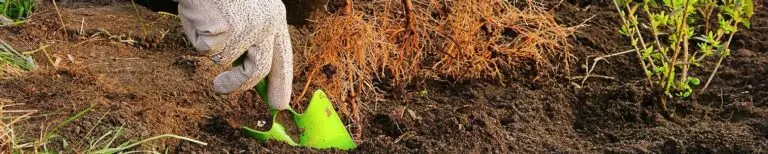
How to Plant a Hedge – Growing and Caring for Hedging Plants
Learn how you can easily plant a hedge with our comprehensive step-by-step guide. From picking the right species to planting techniques and after care.
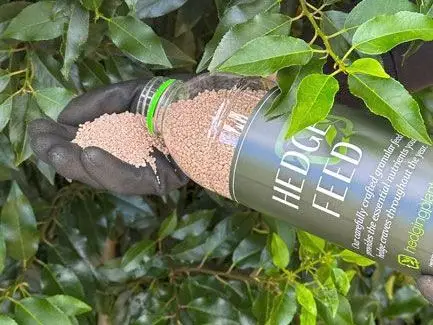
How to Fertilise a Hedge – Essential Tips for Healthy Growth
Enjoy healthy, lush hedges with our comprehensive guide on how to fertilise your hedge. Discover the importance of using the right types of hedge fertiliser
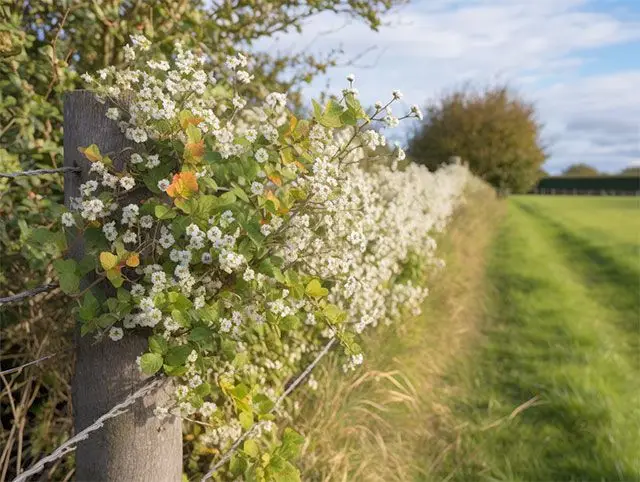
Native Hedge Plants UK: What to Choose for Your Garden
Compare native hedge plants for UK gardens and find the right species or prepared mixture for wildlife, screening, clay soil, shade and rural boundaries.
More Blackthorn questions
Useful answers from our Blackthorn hedging knowledge base.
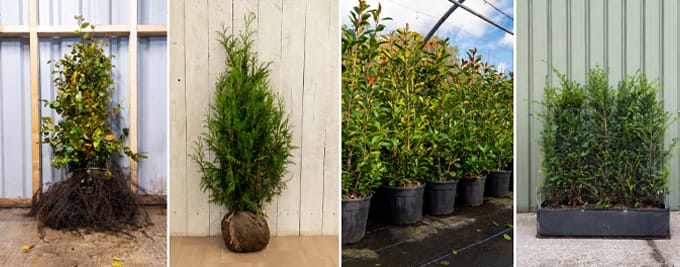
What Are the Different Hedging Root Types?
Bare root, root ball, pot-grown and instant hedging suit different budgets, planting times and levels of initial coverage. Understanding how each is supplied makes it easier to choose the right format for your project.
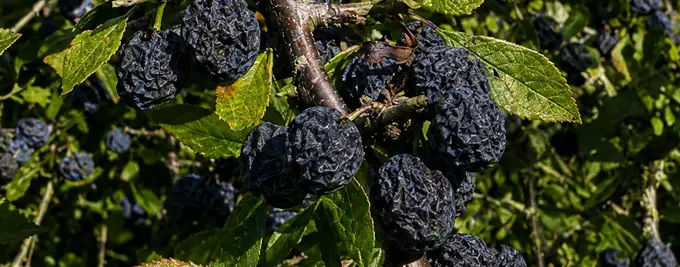
Why Are the Sloes on My Blackthorn Shrivelled or Distorted?
Not every shrivelled sloe has the same cause. Strong distortion, elongation and hollow fruit are characteristic signs of pocket plum, while simple drying can also follow weather or plant stress.
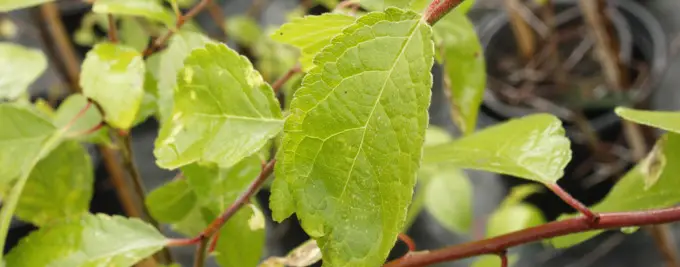
Why Are My Blackthorn Leaves Turning Silver?
Silvery foliage on Blackthorn deserves a closer look because true silver leaf is a recognised Prunus disease. Similar-looking silvering can also follow environmental stress, so the wood and branch health matter.
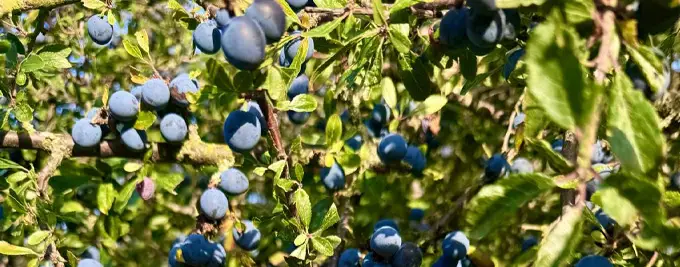
Why Doesn’t My Blackthorn Hedge Produce Many Sloes?
A healthy Blackthorn hedge does not produce the same crop of sloes every year. The first question is whether the hedge flowered well, because fruit can only develop from successfully pollinated blossom.
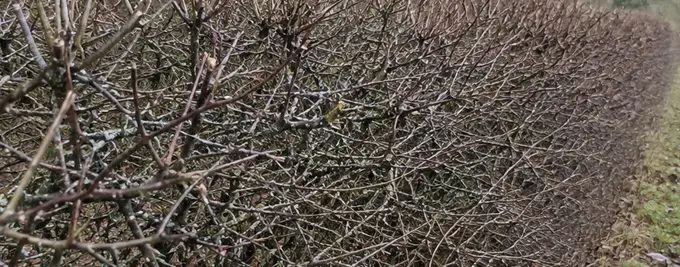
What Does a Blackthorn Hedge Look Like in Winter?
Blackthorn changes noticeably through the seasons. In winter it loses its leaves, leaving a dense network of dark, thorny branches rather than an evergreen screen.
Why Are My Blackthorn Flowers Turning Brown and Wilting?
Blackthorn flowers very early in the year, so browned blossom can follow weather damage as well as disease. The condition of the nearby leaves and shoot tips helps narrow down the cause.