
Why Are My Blackthorn Leaves Turning Silver?
Silvery foliage on Blackthorn deserves a closer look because true silver leaf is a recognised Prunus disease. Similar-looking silvering can also follow environmental stress, so the wood and branch health matter.
Quick Answer
Silvery Blackthorn leaves can be a symptom of true silver leaf disease, caused by Chondrostereum purpureum, especially where silvering is accompanied by branch dieback. However, drought, cold or other stress can produce false silvering. Check an affected branch for abnormal dark staining in the wood. If true silver leaf is suspected, remove affected wood back beyond the staining into healthy tissue and carry out routine Blackthorn pruning in dry summer conditions rather than autumn or winter.
Quick Facts
| Possible disease | Silver leaf |
|---|---|
| Pathogen | Chondrostereum purpureum |
| Important accompanying symptom | Branch dieback |
| Useful diagnostic clue | Dark staining inside affected wood |
| Lower-risk pruning period | Dry summer conditions |
Does silver foliage always mean silver leaf disease?
No. True silver leaf is an important disease of Prunus, including Blackthorn, but environmental stress can create a similar silvery appearance. Drought, cold damage and other stresses can cause ‘false silver leaf’ without the fungus being present.
The pattern of symptoms and the condition of the wood help separate the two.
What are the signs of true silver leaf on Blackthorn?
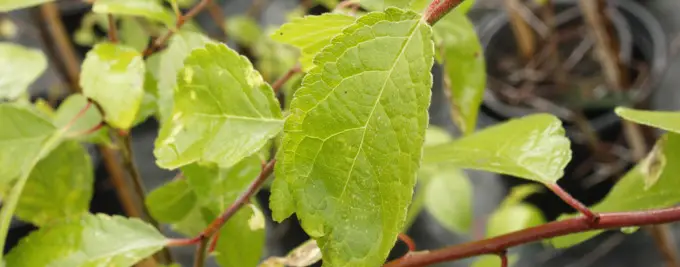
Leaves on one branch or section may develop a distinct silvery sheen, and the affected branch can begin to die back. If a suspect branch is cut, true infection is often associated with an irregular dark stain inside the wood.
False silvering caused by stress does not normally produce the same internal staining. If the entire hedge changes appearance after drought or severe weather but the stems remain healthy, investigate growing conditions as well as disease.
What should you do if Blackthorn has silver leaf?
Where true silver leaf is strongly suspected, remove affected branches back beyond the discoloured wood into healthy tissue. Clean pruning tools after cutting diseased material and remove the infected prunings from the area.
Do not remove more of the hedge than necessary simply because a few leaves look pale. Confirm the pattern first and work progressively back to healthy wood.
Can pruning time reduce the risk?
Yes. Silver leaf fungi enter through wounds, and susceptible Prunus plants are generally safer to prune in summer, when conditions are drier and the risk of infection is lower than during the main autumn and winter spore period.
This is why our Blackthorn hedge care guide recommends carrying out routine pruning in suitable dry summer conditions.
What if the hedge is newly planted and silvering after stress?
Check soil moisture, root establishment and whether the plant has suffered drying winds, waterlogging or other recent stress. Newly planted Blackthorn hedging can show foliage problems for reasons unrelated to fungal disease, so branch dieback and wood staining are useful clues before making major cuts.
Gwynne's Grower's Tip
The useful check is not simply 'are the leaves silver?' Look at whether the symptom is confined to a branch and whether that branch is declining. If we have to remove a suspect branch, the cut wood gives another clue because true silver leaf can show dark internal staining. Avoid cutting a Blackthorn heavily in cool, wet autumn or winter weather when routine work can wait for a dry summer spell.
More Blackthorn Advice
For more detailed growing advice or to view the plants available from our nursery, use the links below.
Related Products
Products from our nursery that are relevant to this advice.

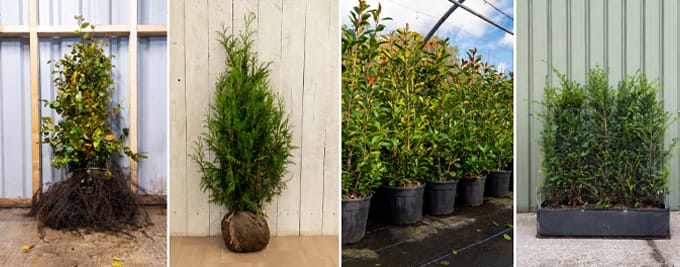
What Are the Different Hedging Root Types?
Bare root, root ball, pot-grown and instant hedging suit different budgets, planting times and levels of initial coverage. Understanding how each is…
Read answer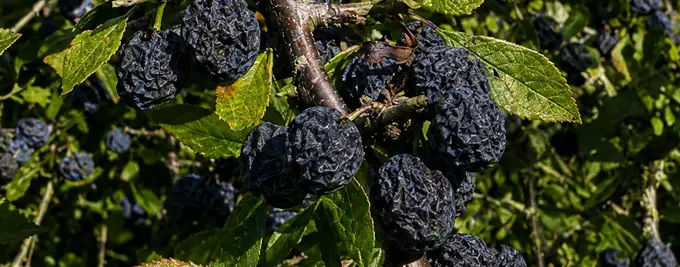
Why Are the Sloes on My Blackthorn Shrivelled or Distorted?
Not every shrivelled sloe has the same cause. Strong distortion, elongation and hollow fruit are characteristic signs of pocket plum, while simple…
Read answer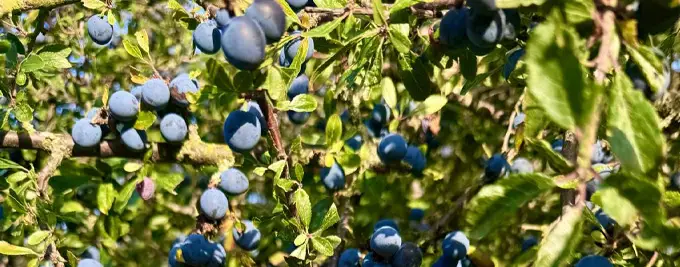
Why Doesn’t My Blackthorn Hedge Produce Many Sloes?
A healthy Blackthorn hedge does not produce the same crop of sloes every year. The first question is whether the hedge flowered…
Read answer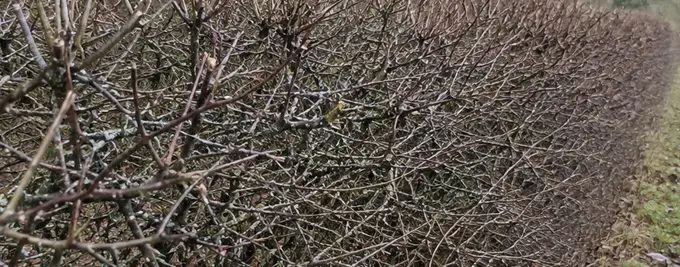
What Does a Blackthorn Hedge Look Like in Winter?
Blackthorn changes noticeably through the seasons. In winter it loses its leaves, leaving a dense network of dark, thorny branches rather than…
Read answer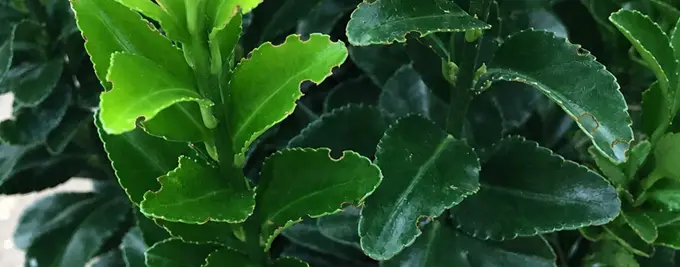
What Causes Notches Around Green Spire Leaves?
Neat-looking bites or irregular U-shaped notches around the edges of Green Spire leaves are a useful diagnostic clue. The visible leaf damage…
Read answer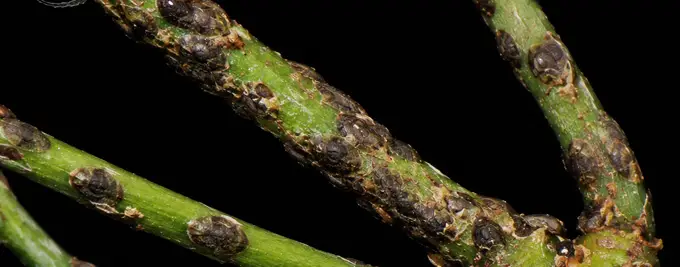
How Do I Identify and Deal With Euonymus Scale on Green Spire?
Euonymus scale is one of the more important pests to check for on Green Spire. Early infestations can be easy to miss…
Read answer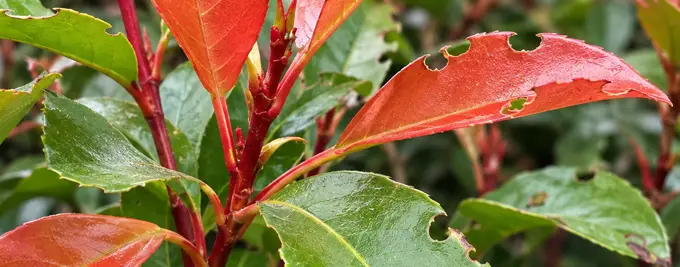
What Is Eating My Photinia Red Robin Leaves?
Missing pieces, holes or notches in Red Robin leaves can look alarming, but the pattern of damage usually gives a useful clue.…
Read answerWhy Are the Sloes on My Blackthorn Shrivelled or Distorted?
Not every shrivelled sloe has the same cause. Strong distortion, elongation and hollow fruit are characteristic signs of pocket plum, while simple…
Read answer