
Why Doesn’t My Blackthorn Hedge Produce Many Sloes?
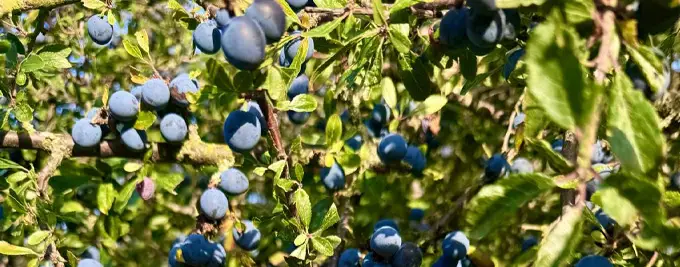
A healthy Blackthorn hedge does not produce the same crop of sloes every year. The first question is whether the hedge flowered well, because fruit can only develop from successfully pollinated blossom.
Quick Answer
A Blackthorn hedge may produce few sloes because it had little blossom, flowering shoots were clipped away, the site is too shaded, spring weather reduced pollination or fruit set, the hedge is still young, or summer stress caused developing fruit to drop. Start by asking whether it flowered well. Repeated tight pruning can reduce the established shoots that carry flowers, so a slightly looser pruning regime often suits hedges grown partly for sloes.
Quick Facts
| First check | Did the hedge flower well in spring? |
|---|---|
| Common management cause | Repeated heavy clipping of flowering wood |
| Best light for flowering | Full sun |
| Crop consistency | Varies from year to year |
| If fruit is distorted | Check separately for pocket plum |
Did your Blackthorn flower well in spring?
Start with the blossom. Sloes develop from Blackthorn’s spring flowers, so a hedge that produced very little blossom cannot carry a heavy fruit crop later in the year.
If there were few flowers, look first at pruning, shade and the maturity of the hedge. If there were plenty of flowers but little fruit followed, weather during flowering, pollination and later stress become more relevant.
Can pruning reduce the number of sloes?
Yes. Blackthorn flowers on established shoots. A hedge that is repeatedly clipped very tightly can lose much of the wood that would otherwise flower and fruit. This does not mean you should stop pruning a boundary hedge, but the regime should match your priority.
If fruit and wildlife value matter, allow a slightly looser framework and avoid removing all of the previous season’s growth. Our Blackthorn hedge care guide explains the balance between pruning and flowering.
Does Blackthorn need full sun to produce sloes?
Blackthorn tolerates some shade, but flowering and fruiting are generally better in good light. A hedge under the canopy of larger trees or in a heavily shaded boundary may grow reasonably well while producing fewer flowers and sloes than a hedge in a sunnier position.
Can the weather cause a poor sloe crop?
Yes. Blackthorn flowers early, so cold, wet or otherwise unfavourable spring weather can reduce pollinator activity or damage exposed blossom. Later drought stress can also affect developing fruit. This is one reason crops vary naturally between seasons even when the hedge itself appears healthy.
What if the hedge flowers but the sloes become abnormal?
Look closely at the fruit. Sloes that become elongated, hollow, pale, distorted or unusually shrivelled may be affected by pocket plum rather than a simple lack of fruit set. Brown, dead blossom and dying shoot tips can point towards blossom wilt.
Should you feed a Blackthorn hedge to make more fruit?
Do not make fertiliser the first response to a small crop. If the hedge is otherwise growing well, excessive feeding will not replace suitable light, flowering wood or favourable pollination conditions. Correct the underlying cause first.
If you are considering planting specifically for blossom and sloes, our Blackthorn hedging range provides the commercial planting information separately from this troubleshooting advice.
Gwynne's Grower's Tip
When somebody says their Blackthorn has no sloes, the first thing I would ask is, 'Did it have plenty of blossom?' That immediately narrows the problem. If blossom was scarce, look at pruning and shade. If blossom was excellent but fruit never followed, think about spring weather and fruit set. Avoid reaching straight for fertiliser, because a vigorous, heavily clipped hedge can still produce very few sloes if the flowering shoots keep being removed.
More Blackthorn Advice
For more detailed growing advice or to view the plants available from our nursery, use the links below.
Related Products
Products from our nursery that are relevant to this advice.

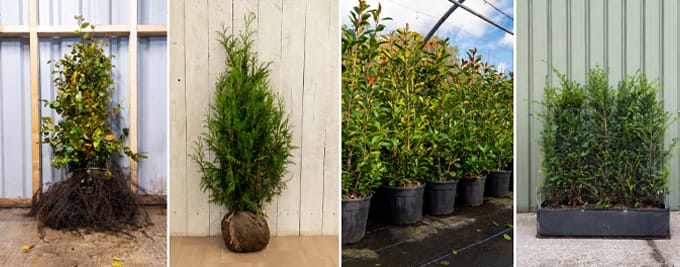
What Are the Different Hedging Root Types?
Bare root, root ball, pot-grown and instant hedging suit different budgets, planting times and levels of initial coverage. Understanding how each is…
Read answer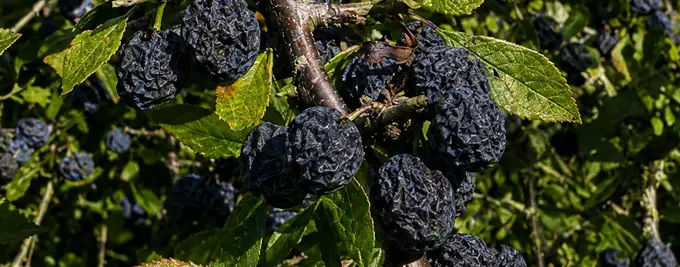
Why Are the Sloes on My Blackthorn Shrivelled or Distorted?
Not every shrivelled sloe has the same cause. Strong distortion, elongation and hollow fruit are characteristic signs of pocket plum, while simple…
Read answer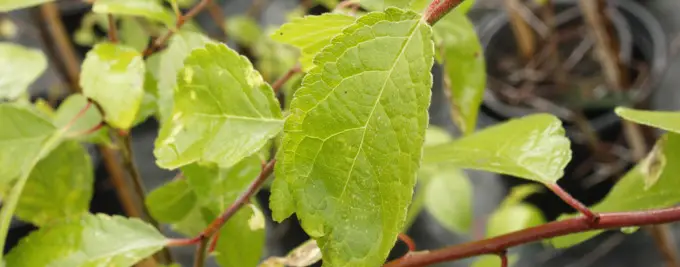
Why Are My Blackthorn Leaves Turning Silver?
Silvery foliage on Blackthorn deserves a closer look because true silver leaf is a recognised Prunus disease. Similar-looking silvering can also follow…
Read answer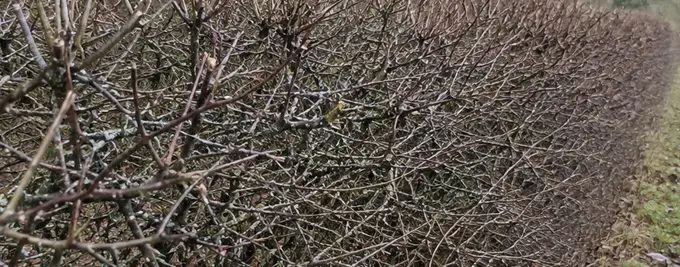
What Does a Blackthorn Hedge Look Like in Winter?
Blackthorn changes noticeably through the seasons. In winter it loses its leaves, leaving a dense network of dark, thorny branches rather than…
Read answer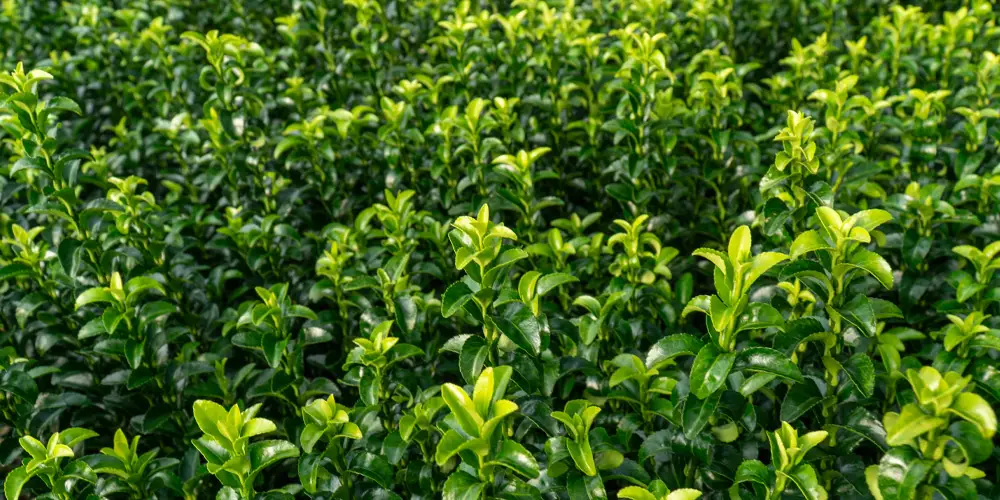
Euonymus Green Spire Problems: Causes and Fixes
Green Spire is a tough, reliable hedge, but a few problems turn up regularly. Here is how to recognise each one quickly,…
Read answer
Do Deer or Rabbits Eat Euonymus Green Spire?
Green Spire should not be regarded as reliably browse-proof. The amount of damage depends heavily on local animal pressure, alternative food and…
Read answer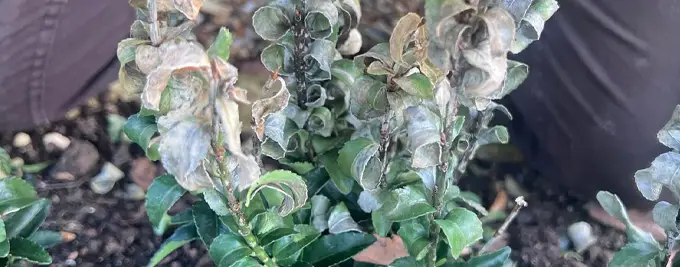
Can Frost or Wind-Damaged Green Spire Recover?
Evergreen Green Spire can show brown leaf edges, scorched foliage or leaf drop after cold drying winds. The visible damage can look…
Read answer
What Problems Can Photinia Red Robin Have in Pots?
Photinia Red Robin can grow well in containers, but a pot makes the roots more dependent on careful watering, drainage and regular…
Read answer