Blackthorn Hedging
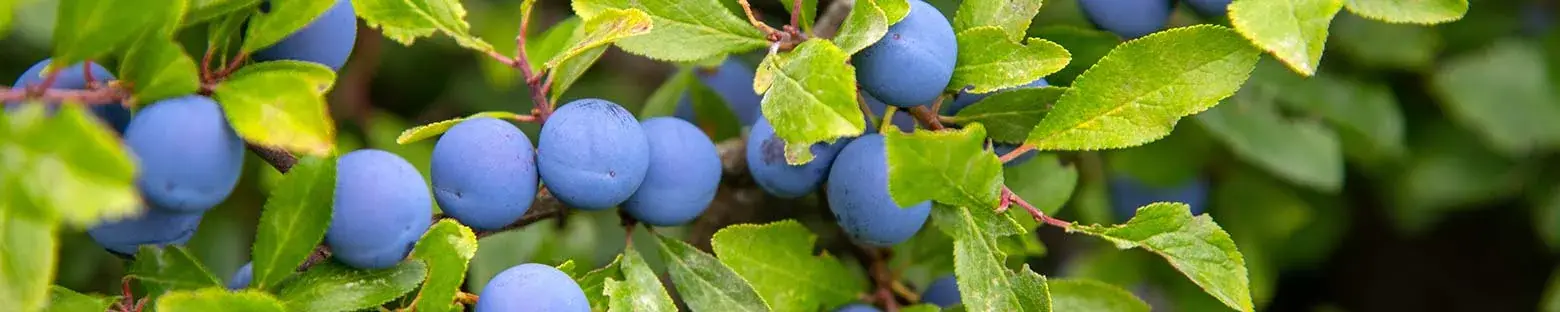
Blackthorn Hedging, also known as Prunus Spinosa is a popular thorny, deciduous hedge species that provides year round seasonal interest and produces sloes in the autumn that are a hit with birds and other wildlife.
- Price From £0.95 Shop Now This product has multiple variants. The options may be chosen on the product page
Blackthorn or Sloe is a thorny, native deciduous hedge plant which produces white flowers in spring, followed by attractive green leaves and Sloe's in the autumn.

What is Blackthorn?
Blackthorn, scientifically known as Prunus Spinosa, is not just a beautiful addition to a garden, but also a provider of valuable habitat and food source for wildlife. The densely packed branches offer shelter for many species of birds and small mammals, while the sloe berries produced in autumn are a great food source for many animals. Blackthorn is a deciduous shrub or small tree with an ultimate height of up to 5 metres tall. It has an upright, spiny growth habit with dark grey bark and oval-shaped leaves that turn yellow in autumn. In spring, it produces beautiful white flowers, followed by small round sloes in autumn. | 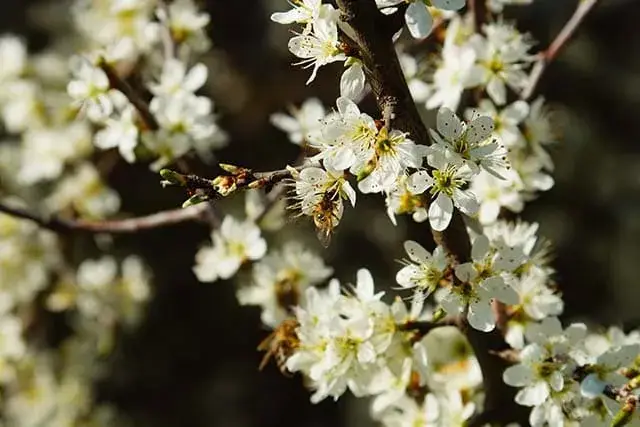 |
Blackthorn Prunus Spinosa Growth Rate
Blackthorn hedge plants exhibit a moderate growth rate, typically growing between 30-60 centimetres per year.
This allows it to quickly establish itself once planted, and provide an effective barrier or boundary in a relatively short span of time, even in a semi shade position.
Available Types of Beech Hedge Plants
Blackthorn are available as bare root and pot grown plants, each with their own advantages.

Bare Root Blackthorn Hedge Plants
Bare root Blackthorn plants are a cost-effective and eco-friendly solution for your hedging needs.
These plants are sold without soil around their roots, making them easy to transport and reducing their environmental impact.
As they’re usually sold during the dormant season, they’re ready to burst into life once planted, and they’re well-suited to a wide variety of soil types, making them a flexible choice for many gardeners.

Pot Grown Blackthorn Prunus Spinosa Hedges
Pot grown Blackthorn plants offer convenience and flexibility. These cell grown plants can be planted throughout the year, so there’s no need to wait for the dormant season.
The plants, already rooted in their pots, often establish more rapidly, and their survival rate tends to be higher.
This makes pot grown options a viable choice for gardeners seeking a more immediate impact from their hedging.