
Is Blackthorn Poisonous?
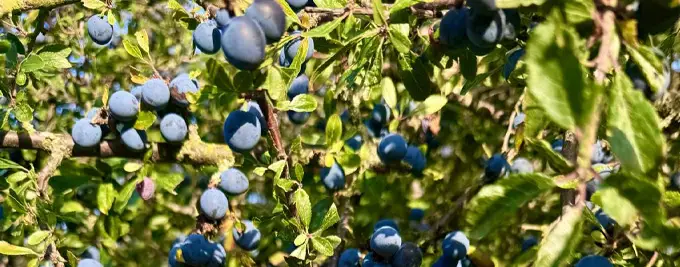
Blackthorn is best known for edible sloes, but that does not mean every part of the plant should be eaten. The stones, woody growth and very sharp thorns all deserve sensible caution.
Quick Answer
Blackthorn is not simply a 'poisonous hedge': the ripe flesh of its sloe fruit is edible and widely used. However, do not chew or crush the hard sloe stones or eat the kernels inside them, and do not treat leaves, stems or bark as food. Blackthorn also has long, sharp thorns that can cause puncture injuries, so gloves and careful siting are sensible around paths, children and pets.
Quick Facts
| Botanical name | Prunus spinosa |
|---|---|
| Ripe sloe flesh | Edible |
| Sloe stones/kernels | Do not chew or eat |
| Leaves and woody parts | Not for eating |
| Physical hazard | Long, sharp thorns |
Which parts of Blackthorn are edible?
The ripe flesh of the sloe, the blue-black fruit produced by Blackthorn, is edible. Sloes are naturally very tart and astringent, so they are usually cooked, preserved or infused rather than eaten by the handful straight from the hedge.
The hard stone is different. It should not be chewed, crushed or eaten, and the kernel inside it is not a food ingredient. Blackthorn belongs to the Prunus group, so the same sensible rule used with cherry, plum and related stones applies here.
Are Blackthorn leaves and stems safe to eat?
No part of a hedge should be treated as edible merely because its fruit can be used as food. Blackthorn leaves, stems, bark and roots are not parts we recommend eating. If you are gathering sloes, identify the plant accurately and use only sound, ripe fruit.
Are Blackthorn thorns dangerous?
The thorns are often the more immediate risk in a garden. Mature Blackthorn develops hard, sharp spines that make it an effective stock-proof and security hedge, but they can puncture skin. Wear sturdy gloves and long sleeves for pruning, picking or removing suckers, and avoid leaving thorny cuttings where people or animals can step on them.
This dense thorny habit is one reason a Blackthorn hedge suits boundaries where wildlife value and a strong physical barrier are wanted.
Where should you plant Blackthorn around a garden?
Allow enough space for the hedge to develop without pushing thorny growth directly into a narrow path, doorway or children’s play area. Blackthorn can also spread by root suckers, so its natural habit should be considered when choosing the planting position.
For pruning, sucker control and general management, see our Blackthorn hedge care guide.
Gwynne's Grower's Tip
With Blackthorn, we think about two different kinds of safety. There is the fruit question, where the ripe flesh is the useful part and the stone is left alone, and there is the practical issue of the hedge itself. The thorns are genuinely sharp. Give the hedge room, keep thorny clippings off lawns and paths, and wear proper gloves when pruning or picking fruit.
More Blackthorn Advice
For more detailed growing advice or to view the plants available from our nursery, use the links below.
Related Products
Products from our nursery that are relevant to this advice.

What Are the Different Hedging Root Types?
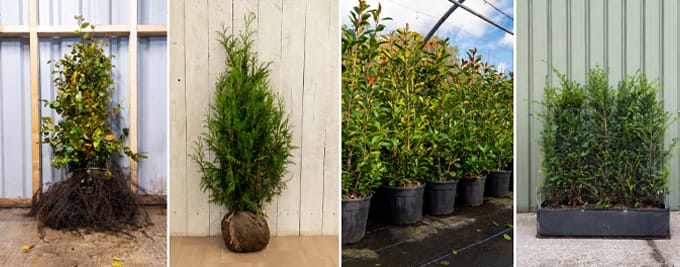
Bare root, root ball, pot-grown and instant hedging suit different budgets, planting times and levels of initial coverage. Understanding how each is…
Read answer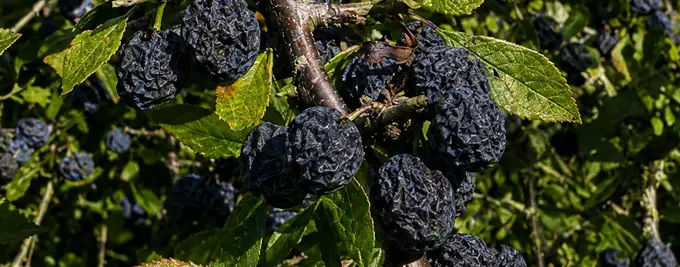
Why Are the Sloes on My Blackthorn Shrivelled or Distorted?
Not every shrivelled sloe has the same cause. Strong distortion, elongation and hollow fruit are characteristic signs of pocket plum, while simple…
Read answer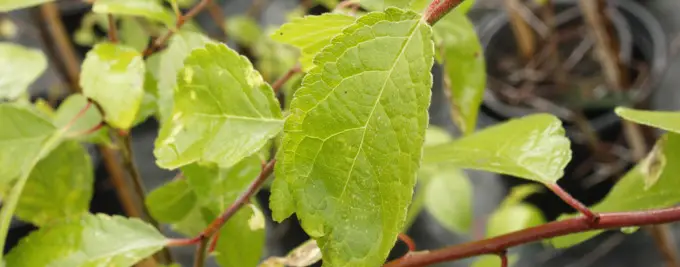
Why Are My Blackthorn Leaves Turning Silver?
Silvery foliage on Blackthorn deserves a closer look because true silver leaf is a recognised Prunus disease. Similar-looking silvering can also follow…
Read answerWhy Doesn’t My Blackthorn Hedge Produce Many Sloes?
A healthy Blackthorn hedge does not produce the same crop of sloes every year. The first question is whether the hedge flowered…
Read answer
Are Laurel Berries Poisonous?
Laurel hedges can produce attractive dark berries after flowering, but the name "Laurel" covers several different plants. Their fruit is not identical,…
Read answer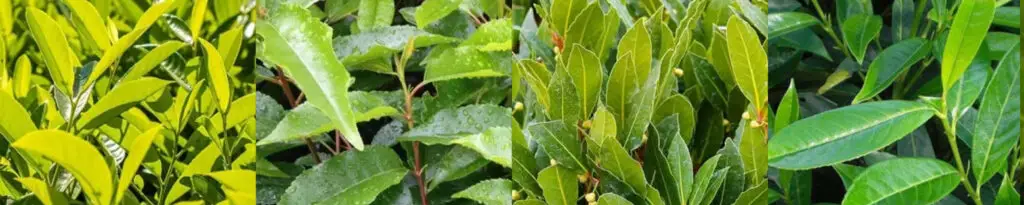
Is Laurel Hedging Poisonous?
Laurel is one of the UK's most popular evergreen hedges, but not every plant called Laurel has the same safety profile. This…
Read answer
Is Photinia Red Robin Poisonous to Dogs?
There is conflicting gardening advice about Photinia Red Robin and pet safety. Veterinary toxicology sources support a cautious approach because Photinia foliage…
Read answer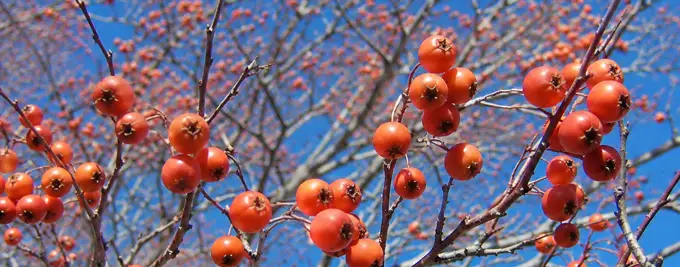
Can You Eat Hawthorn Berries?
The red fruits on Common Hawthorn are known as haws and have a long history of use in hedgerow recipes. The important…
Read answer