
Why Are the Sloes on My Blackthorn Shrivelled or Distorted?
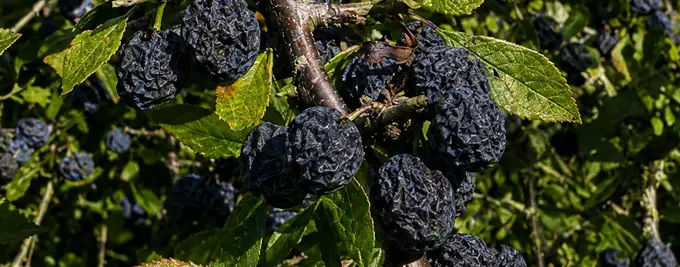
Not every shrivelled sloe has the same cause. Strong distortion, elongation and hollow fruit are characteristic signs of pocket plum, while simple drying can also follow weather or plant stress.
Quick Answer
If Blackthorn sloes become elongated, hollow, pale or strongly distorted, pocket plum is a likely cause. This fungal disease is caused by Taphrina pruni and can later leave affected fruit with a whitish coating before it shrivels and falls. Remove abnormal fruit promptly and, where infection repeatedly affects the same shoots, remove clearly affected growth. If fruit is merely small or dry without distortion, also consider drought, poor fruit set and general stress.
Quick Facts
| Likely disease when fruit is elongated/hollow | Pocket plum |
|---|---|
| Cause | Taphrina pruni |
| Typical fruit symptom | Distorted, elongated fruit with little or no normal stone development |
| Later symptom | Fruit may develop a pale or whitish coating, then shrivel |
| Immediate action | Remove and dispose of affected fruit |
What does pocket plum look like on Blackthorn?
Pocket plum affects developing fruit on Blackthorn and related Prunus plants. Instead of forming a normal rounded blue-black sloe with a hard stone, affected fruit becomes enlarged or elongated, often curved, hollow and much paler than healthy fruit.
As the disease develops, a whitish surface coating can appear. The abnormal fruit eventually darkens, shrivels and falls.
What causes distorted sloes?
Pocket plum is caused by the fungus Taphrina pruni. It is much easier to recognise when fruit is obviously misshapen than when the only symptom is a few small or dry sloes.
If your fruit looks normal in shape but is simply small, dry or dropping early, also consider weather, drought stress and an uneven natural crop before assuming disease.
What should you do with affected Blackthorn fruit?
Remove distorted fruit as soon as you notice it rather than leaving it to mature and shed spores. Where the same parts of the hedge are repeatedly affected, inspect the shoots for persistent abnormal growth and remove clearly diseased material where practical.
Dispose of affected fruit and prunings away from the hedge rather than leaving them caught in the branches. Clean pruning tools between affected and healthy sections.
Can pocket plum kill a Blackthorn hedge?
The most obvious effect is usually on the fruit crop. An established hedge can remain vigorous while producing a disappointing or abnormal crop, but repeated infection is still worth managing because it reduces usable sloes and can recur.
How can you reduce future problems?
Inspect fruit early in the season, remove obvious pocketed fruit promptly and keep the hedge open enough for reasonable air movement without stripping away all of its flowering wood. There are no amateur fungicides specifically recommended by the RHS for controlling pocket plum, so hygiene and removal of affected material are the practical garden measures.
For other Blackthorn symptoms, pruning and seasonal care, see our Blackthorn hedge care guide.
Gwynne's Grower's Tip
Pocket plum is easiest to spot by comparing fruit on the same hedge. A normal young sloe should develop towards a rounded fruit. If a group of fruits starts stretching into pale, twisted or hollow shapes, remove them early rather than waiting until autumn. If the problem returns in the same section next year, inspect that growth more closely and remove clearly affected shoots during suitable pruning weather.
More Blackthorn Advice
For more detailed growing advice or to view the plants available from our nursery, use the links below.
Related Products
Products from our nursery that are relevant to this advice.

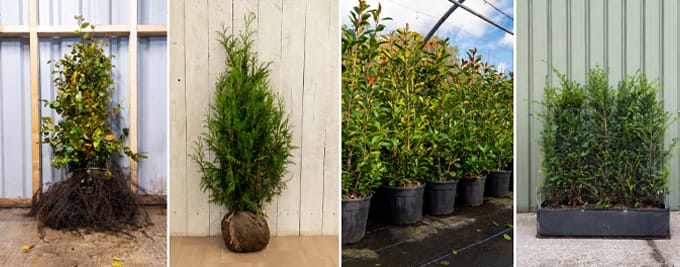
What Are the Different Hedging Root Types?
Bare root, root ball, pot-grown and instant hedging suit different budgets, planting times and levels of initial coverage. Understanding how each is…
Read answer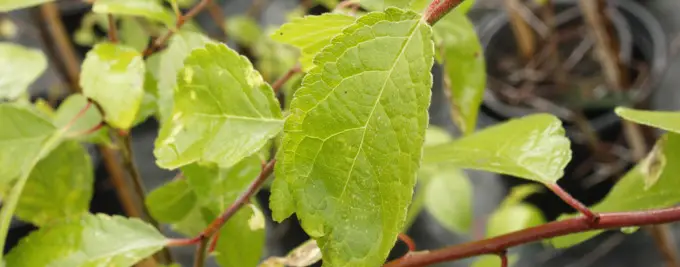
Why Are My Blackthorn Leaves Turning Silver?
Silvery foliage on Blackthorn deserves a closer look because true silver leaf is a recognised Prunus disease. Similar-looking silvering can also follow…
Read answer
Why Doesn’t My Blackthorn Hedge Produce Many Sloes?
A healthy Blackthorn hedge does not produce the same crop of sloes every year. The first question is whether the hedge flowered…
Read answer
What Does a Blackthorn Hedge Look Like in Winter?
Blackthorn changes noticeably through the seasons. In winter it loses its leaves, leaving a dense network of dark, thorny branches rather than…
Read answer
What Causes Notches Around Green Spire Leaves?
Neat-looking bites or irregular U-shaped notches around the edges of Green Spire leaves are a useful diagnostic clue. The visible leaf damage…
Read answer
How Do I Identify and Deal With Euonymus Scale on Green Spire?
Euonymus scale is one of the more important pests to check for on Green Spire. Early infestations can be easy to miss…
Read answer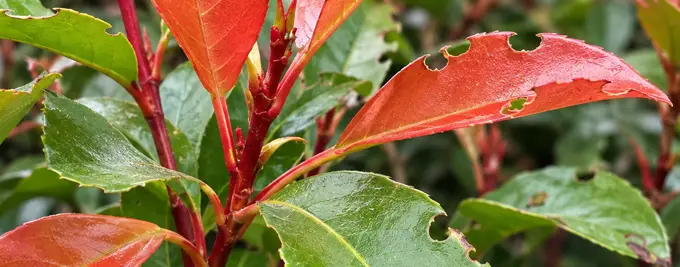
What Is Eating My Photinia Red Robin Leaves?
Missing pieces, holes or notches in Red Robin leaves can look alarming, but the pattern of damage usually gives a useful clue.…
Read answerWhy Are My Blackthorn Leaves Turning Silver?
Silvery foliage on Blackthorn deserves a closer look because true silver leaf is a recognised Prunus disease. Similar-looking silvering can also follow…
Read answer