
What Does a Blackthorn Hedge Look Like in Winter?
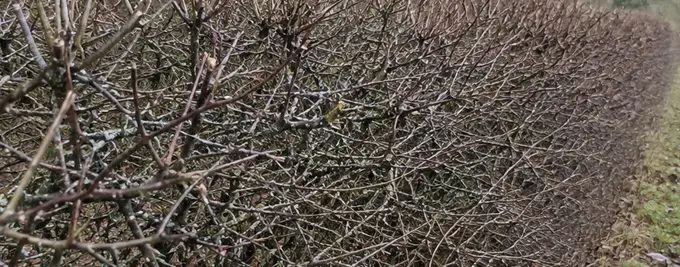
Blackthorn changes noticeably through the seasons. In winter it loses its leaves, leaving a dense network of dark, thorny branches rather than an evergreen screen.
Quick Answer
A Blackthorn hedge is normally leafless in winter because Prunus spinosa is deciduous. You should expect to see a dense framework of dark brown to almost black, thorny branches and twigs, with small buds along the shoots. A few blue-black sloes may remain after leaf fall if they have not been eaten or picked. Bare branches in winter are normal and do not by themselves mean the hedge is dead.
Quick Facts
| botanical name | Prunus spinosa |
|---|---|
| Plant type | Deciduous |
| Autumn colour | Soft shades of yellow and orange-yellow |
| Winter foliage | Leafless |
| Branch appearance | Dense, dark and thorny |
| Fruit in winter | Some sloes may remain |
| Evergreen privacy? | Useful structure, but not a solid evergreen screen |
Is Blackthorn supposed to lose its leaves in winter?
Yes. Blackthorn, Prunus spinosa, is a deciduous hedge plant. A healthy hedge normally loses its leaves in autumn and remains bare through winter before growth starts again in spring.
This is an important distinction if you are choosing a hedge primarily for year-round visual screening. Blackthorn can form a dense physical barrier, but it does not provide the solid green winter foliage of an evergreen hedge.
How can you recognise Blackthorn in winter?
Once the leaves have fallen, the hedge shows its dense network of dark brown to almost black twigs and branches. Older growth carries strong sharp thorns, and small buds can be seen along younger shoots. Some sloes may remain attached into colder weather, although birds and other wildlife often remove much of the crop.
The dense thorny framework is one reason Blackthorn hedging still provides useful shelter and a strong boundary when it is out of leaf.
How can you tell whether leafless Blackthorn is alive?
Winter leaf loss alone is not a problem. Look at the buds and younger stems rather than expecting foliage. As spring approaches, Blackthorn is also one of the earliest native hedging plants to flower, often producing white blossom before the hedge is fully in leaf.
If individual branches remain lifeless after the rest of the hedge has started into growth, or there is obvious dieback, damaged bark or discoloured wood, inspect those shoots separately rather than assuming the whole leafless hedge has failed.
Does Blackthorn give privacy in winter?
A mature, well-branched hedge can still interrupt views because of the density of its twiggy structure, but it will not create an opaque green screen. If complete winter foliage is essential, an evergreen species is usually a better primary choice. If wildlife value, spring blossom, sloes and a thorny native boundary matter more, Blackthorn remains a strong option.
Our Blackthorn hedge care guide explains the plant’s seasonal growth, pruning and fruiting in more detail.
Gwynne's Grower's Tip
Customers sometimes worry when a young Blackthorn hedge suddenly looks very bare in its first winter. That is exactly what a deciduous Blackthorn should do. The better checks are whether the stems are firm and whether healthy buds are present. We would not judge a Blackthorn hedge by winter leaf cover because there should not be any. Its winter value comes from the dense thorny framework rather than evergreen foliage.
More Blackthorn Advice
For more detailed growing advice or to view the plants available from our nursery, use the links below.
Related Products
Products from our nursery that are relevant to this advice.

What Are the Different Hedging Root Types?
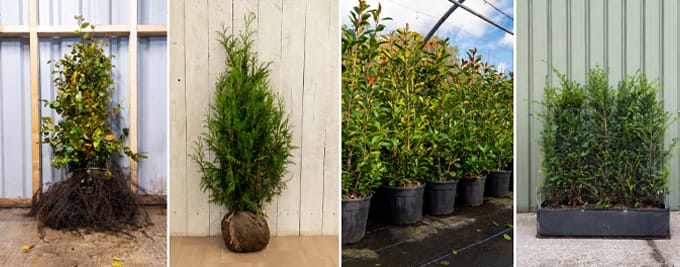
Bare root, root ball, pot-grown and instant hedging suit different budgets, planting times and levels of initial coverage. Understanding how each is…
Read answer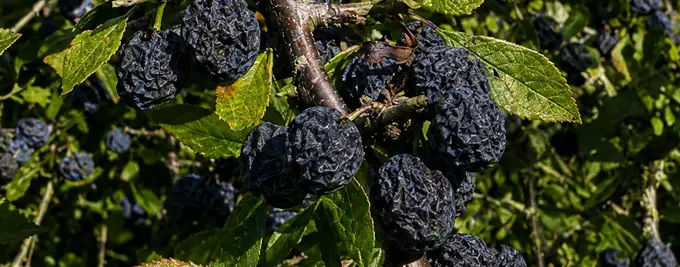
Why Are the Sloes on My Blackthorn Shrivelled or Distorted?
Not every shrivelled sloe has the same cause. Strong distortion, elongation and hollow fruit are characteristic signs of pocket plum, while simple…
Read answer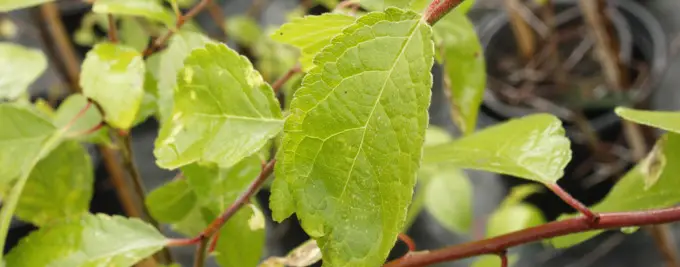
Why Are My Blackthorn Leaves Turning Silver?
Silvery foliage on Blackthorn deserves a closer look because true silver leaf is a recognised Prunus disease. Similar-looking silvering can also follow…
Read answer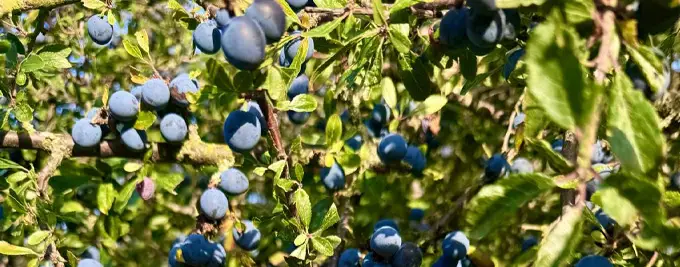
Why Doesn’t My Blackthorn Hedge Produce Many Sloes?
A healthy Blackthorn hedge does not produce the same crop of sloes every year. The first question is whether the hedge flowered…
Read answer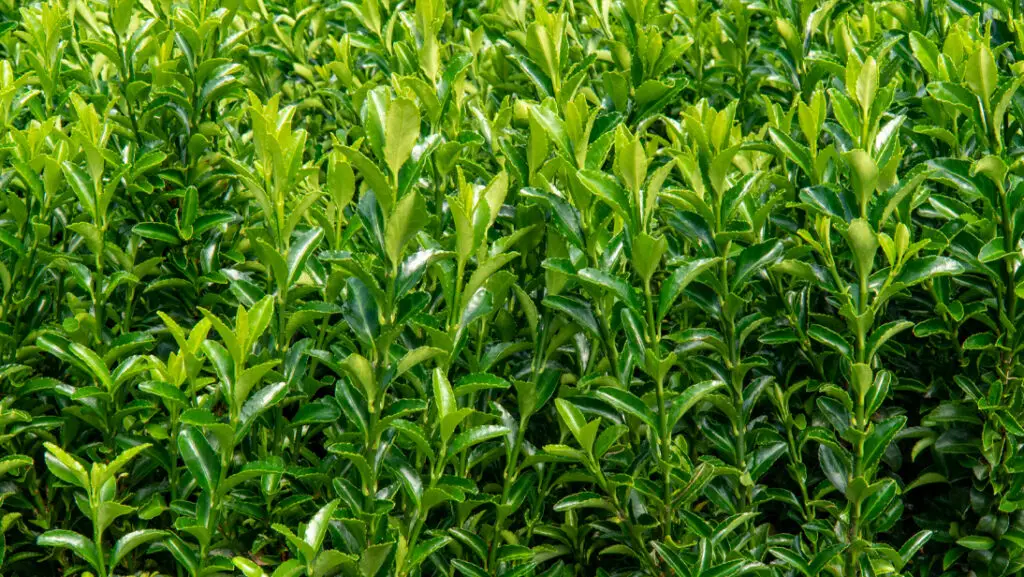
Euonymus Green Spire vs Jean Hugues: Which Hedge to Buy?
Green Spire and Jean Hugues are both dark green Euonymus japonicus varieties and both make excellent Box alternatives. The real difference is…
Read answer
Are Euonymus Green Spire and Green Rocket the Same Plant?
The names Green Spire and Green Rocket are often used interchangeably by nurseries, which makes buying confusing. Current authoritative plant databases do…
Read answer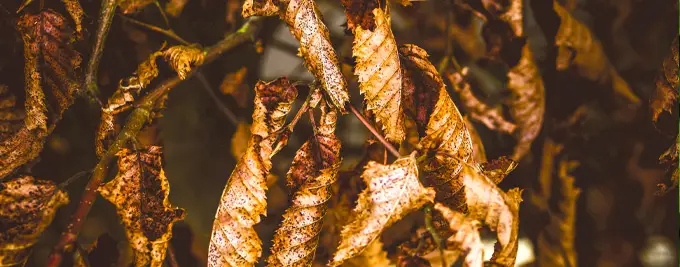
Is Hornbeam Evergreen? What Does It Look Like in Winter?
Hornbeam is valued for its fresh green summer foliage, warm autumn colour and strong winter structure. Understanding how its leaves behave after…
Read answer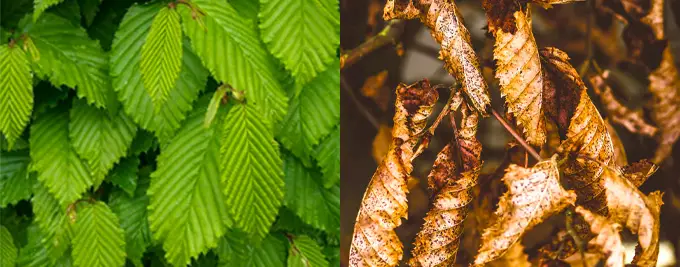
What Do Hornbeam Leaves Look Like?
Hornbeam has distinctive textured foliage that changes noticeably through the seasons. Learning to recognise the leaf shape, veins and toothed edges can…
Read answer