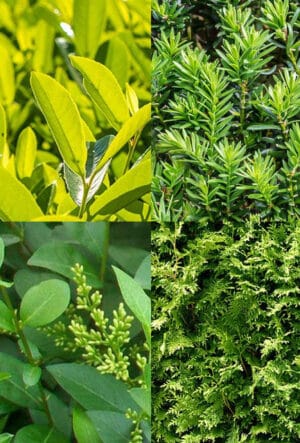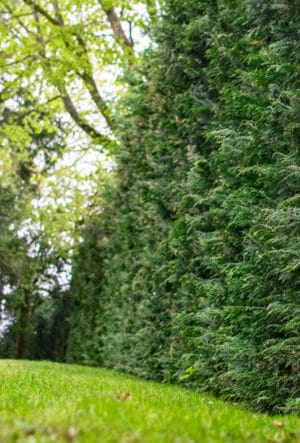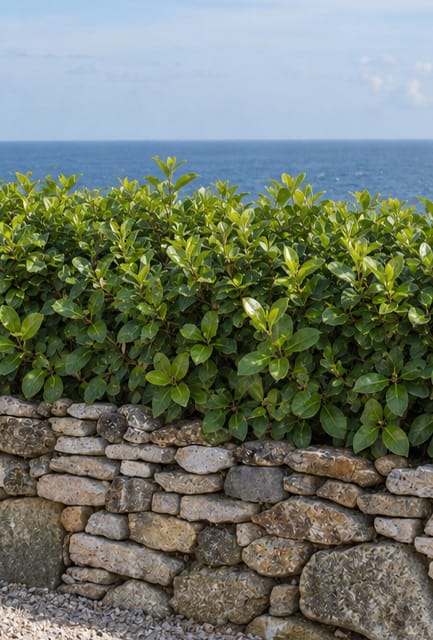
Coastal hedging plants are chosen for gardens where salt-laden winds, exposure and free-draining ground can make ordinary hedge choices unreliable. Our coastal range includes evergreen screening plants, native hedging and flowering options suited to seaside and exposed boundaries. Standard green Griselinia and Oleaster are particularly useful for evergreen coastal screening, while Hawthorn suits tougher native or rural-style hedges. Compare the plants below by winter foliage, growth rate, exposure and final hedge style, then choose the size and root type that suits your project.
Choose the right hedge for a coastal site
Start with the level of exposure and the finished hedge style you want, then compare suitable coastal plants and sizes below.
Classic coastal evergreenChoose standard green Griselinia for fresh evergreen foliage and dense screening in many milder coastal and seaside gardens.Tough evergreen screeningChoose Oleaster where evergreen privacy needs to cope with a particularly windy, exposed or salt-laden coastal position.Native coastal boundaryChoose Hawthorn for a hardy native deciduous hedge suited to natural, rural and wildlife-friendly boundaries in exposed locations.Flowers, berries & foliageExplore Cotoneaster where ornamental foliage, flowers and berries are important alongside tolerance of challenging coastal garden conditions.
- SALE
 Blackthorn HedgePrunus spinosaBlackthorn or Sloe is a thorny, native deciduous hedge plant which produces white flowers in spring, followed by attractive green leaves and Sloe's in the autumn.DeciduousFast 30-60cm per yearBare RootPot Grown
 - SALECommon Privet HedgeLigustrum ovalifoliumCommon Privet is a popular form of evergreen / semi evergreen hedge. Very fast growing with dark green ovate leaves and lovely white flowers that are produced in…FloweringFast 30-60cm per yearBare RootRoot BalledPot GrownInstant Hedging
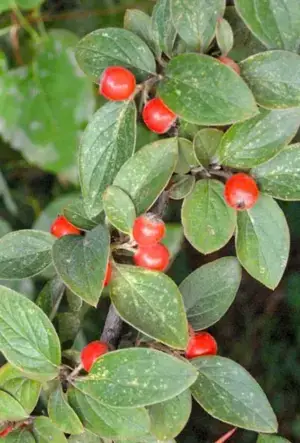
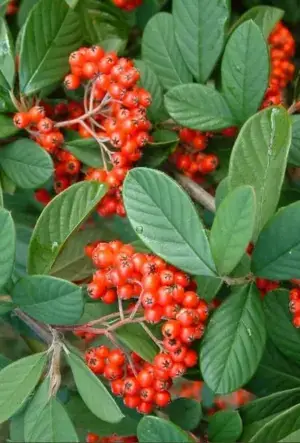
- Cotoneaster franchetii HedgeFranchet's CotoneasterCotoneaster franchetii is a fast growing dense evergreen hedging plant with grey-green ornate foliage. It produces blush white flowers in the spring which are followed by attractive orange…Colourful FoliageMedium 20-40cm per yearBare RootPot Grown
- SALECotoneaster lacteus HedgeLate CotoneasterCotoneaster lacteus is a fast growing large evergreen hedging plant with glossy dark green leaves. It produces large clusters of white flowers in the spring, which are followed…Colourful FoliageMedium 20-40cm per yearPot Grown
- SALEEnglish Holly HedgeIlex aquifoliumEnglish Holly is an attractive, native evergreen hedging plant with spiky glossy green foliage and produces white flowers in the spring.EvergreenSlow 10-20cm per yearRoot BalledPot GrownInstant Hedging
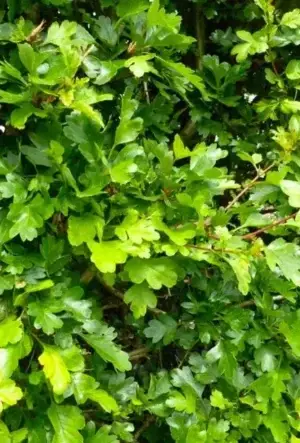
- SALEHawthorn HedgeCrataegus monogynaHawthorn, Quickthorn, Whitethorn or May Hedging also known as Crataegus monogyna is a popular thorny, deciduous hedging species that provides seasonal interest, with pure white flowers in the…DeciduousMedium 20-40cm per yearBare RootRoot BalledPot Grown
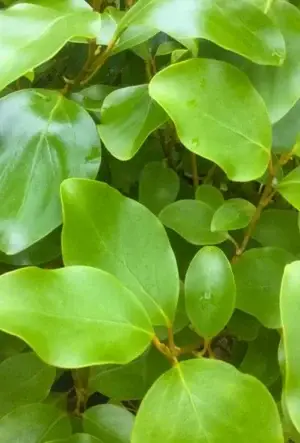
- SALENew Zealand Privet HedgeGriselinia littoralisGriselinia is a dense evergreen hedging plant with attractive glossy apple green leaves and thrives in coastal positions.EvergreenMedium 20-40cm per yearPot Grown
- Oleaster Gilt Edge HedgeElaeagnus x ebbingei 'Gilt Edge'Oleaster 'Gilt Edge' is an attractive, variegated evergreen species with dark green leaves that have yellow and lime-green edge and fragrant white flowers in the autumn.Colourful FoliageMedium 20-40cm per yearPot Grown



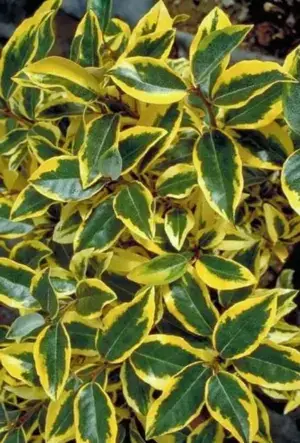
Griselinia or Oleaster for Coastal Hedging?
Both make useful evergreen coastal hedges, but their appearance, growth and suitability for the toughest exposed positions are different.
| Compare | Griselinia Hedging | Oleaster Hedging |
|---|---|---|
| Main appeal | Fresh apple-green foliage and a softer evergreen appearance | Tough silver-green evergreen foliage with excellent screening value |
| Coastal exposure | Very useful for many maritime and salt-exposed gardens once established | Particularly dependable where wind, salt exposure and dryness combine |
| Growth rate | Medium, typically around 20–40cm per year | Standard Oleaster is faster, typically around 30–60cm per year |
| Finished character | Bright, leafy and relatively formal when regularly clipped | Dense, robust and slightly more textured or informal |
| Cold exposure | Best suited to milder coastal areas; young plants benefit from protection from severe cold drying winds | Generally the tougher choice where the position is both exposed and demanding |
| Choose when | You want attractive bright-green evergreen screening in a suitable coastal climate | Maximum resilience and dependable evergreen screening are the priorities |
Expert nursery advice
Gwynne's Grower's Tip
With a coastal site, I would separate direct salt exposure from ordinary wind exposure. A sheltered garden some distance inland gives you far more choice than a boundary taking the full force of salt-laden onshore winds. For the harsher positions, Oleaster and standard green Griselinia are two of the first evergreens I would consider. Oleaster is particularly useful where exposure and dryness combine, while Griselinia gives a softer, bright-green finish in milder coastal gardens. For a native rural boundary, Hawthorn is a dependable alternative. Always choose for the complete site rather than the coastal label alone.
Helpful answers
Frequently asked questions
01What Are the Best Hedge Plants for Coastal Gardens?
Oleaster and standard green Griselinia are two of the strongest evergreen choices for many coastal gardens, particularly where salt-laden winds and exposure are important. Hawthorn is a useful native deciduous choice for tougher, more natural boundaries, while Cotoneaster offers ornamental foliage, flowers and berries. The best hedge depends on the severity of the exposure, soil, drainage and the finished style you want.
02Which Evergreen Hedge Is Best for Salt-Laden Winds?
Oleaster is particularly useful where a coastal boundary combines salt exposure, wind and comparatively dry conditions. Standard green Griselinia is another excellent coastal evergreen and is widely chosen for its dense apple-green foliage. On very exposed sites, consider the local climate as well as salt tolerance because young plants are more vulnerable than an established hedge.
03Is Coastal Hedging the Same as Windbreak Hedging?
Not exactly. Windbreak hedging is selected primarily to reduce exposure to strong winds, whether the site is inland or coastal. Coastal hedging must also cope with maritime conditions such as salt-laden air and, in many gardens, free-draining or drying ground. A plant that makes a good inland windbreak is not automatically the best choice beside the sea.