
Cotoneaster Hedge Plants
Cotoneaster hedge plants are a popular choice among gardeners looking for a low-maintenance yet visually appealing addition to their outdoor spaces.
These hardy shrubs are known for their dense growth habit, making them ideal for creating privacy screens or ornamental borders.
With a diverse range of species available, cotoneaster plants can offer year-round interest thanks to their glossy green leaves, attractive flowers in spring, and vibrant berries in autumn and winter.
Adaptable to a variety of soil types and conditions, cotoneaster hedges are not only beautiful but also practical for achieving a structured garden design.
 Price From £14.95 Shop Now This product has multiple variants. The options may be chosen on the product page
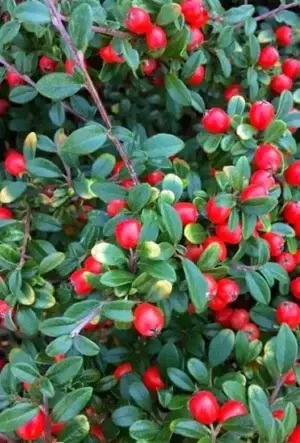
Bearberry Cotoneaster is a vigorous, flat growing, evergreen shrub that will spread to around 2m, with small, rounded ovate leaves and small white flowers in early summer, followed by bright...
- Price From £2.20 Shop Now This product has multiple variants. The options may be chosen on the product page
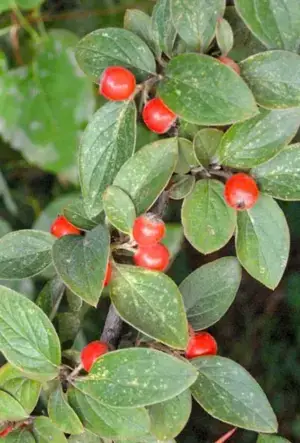
Cotoneaster franchetii is a fast growing dense evergreen hedging plant with grey-green ornate foliage. It produces blush white flowers in the spring which are followed by attractive orange berries.
- Price From £10.95 Shop Now This product has multiple variants. The options may be chosen on the product page
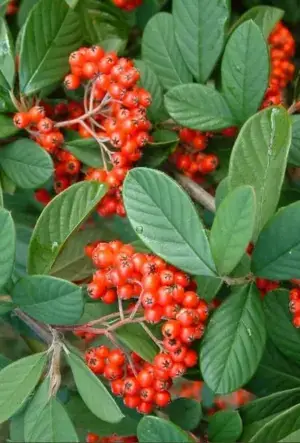
Cotoneaster lacteus is a fast growing large evergreen hedging plant with glossy dark green leaves. It produces large clusters of white flowers in the spring, which are followed by attractive...
What is Cotoneaster?
Cotoneaster is a genus of woody shrubs native to various regions in Asia, Europe, and North Africa. These plants are part of the Rosaceae family, which includes other well-known species such as roses and apples. The name “Cotoneaster” is derived from the Latin words ‘cotoneum,’ meaning quince, and ‘-aster,’ denoting resemblance, highlighting the similarity of cotoneaster fruits to those of the quince. With over 300 species within this genus, cotoneasters vary greatly in size, leaf type, flower color, and berry color, offering a wide range of options for gardeners. The versatility of cotoneaster plants makes them a favoured choice for different landscaping needs, whether it’s for ground cover, hedges, or even as standalone ornamental features in a garden. Apart from their aesthetic appeal, these plants are prized for their durability and ability to thrive in less than ideal conditions, including poor soil and drought. Cotoneasters also serve an important ecological role by providing food and shelter for a variety of wildlife, including birds and beneficial insects, further enhancing their value in a sustainable garden setting. |  |
Cotoneaster Growth Rates
Understanding the growth rates of different cotoneaster varieties is crucial for garden planning and maintenance. Generally, cotoneasters are considered to be moderate to fast growers. The rate at which they grow can be influenced by several factors including soil quality, water availability, and exposure to sunlight. For instance:
- Cotoneaster dammeri, known for its ground-covering ability, can spread rapidly under optimal conditions, with some varieties capable of spreading several feet in a single growing season.
- Cotoneaster franchetii tends to grow at a moderate pace, establishing itself quickly but not as aggressively as some of its counterparts, making it ideal for hedging that doesn’t require frequent trimming.
- Cotoneaster lacteus, on the other hand, is a more robust variety that can achieve significant height and spread, making it suitable for creating dense screens or large hedges.
When selecting a cotoneaster plant, it’s important to consider the space available and the desired speed of growth. For smaller gardens or those looking for quick coverage, fast-growing species like franchetti or lacteus may be preferred.
However, for gardeners seeking more controlled growth or with limited space, slower growing varieties like cotoneaster dammeri might be more appropriate.
Regular pruning can also influence the growth rate and shape of cotoneaster hedges, allowing gardeners to customize the appearance of their outdoor spaces to their liking.