
Hedging care & growing guide
Pyracantha Hedge Care Guide: Planting, Spacing & Pruning
Pyracantha is a hardy evergreen hedge that is straightforward to establish when planted in well-drained soil and watered carefully while its roots settle in. Our Pyracantha hedge plants are pot grown, so they can be planted throughout much of the year when the ground is workable, although autumn and winter usually provide easier establishment conditions.
This guide explains how to plant and space Pyracantha, establish a dense hedge, water and feed it correctly, prune without unnecessarily sacrificing flowers and berries, and diagnose common problems such as leaf drop, poor growth, pyracantha scab and fireblight.
It also covers the differences between our red, orange and yellow berrying varieties, how to train Pyracantha against walls and fences, and how to manage its sharp thorns safely.
Expert nursery advice
Gwynne's Grower's Tip
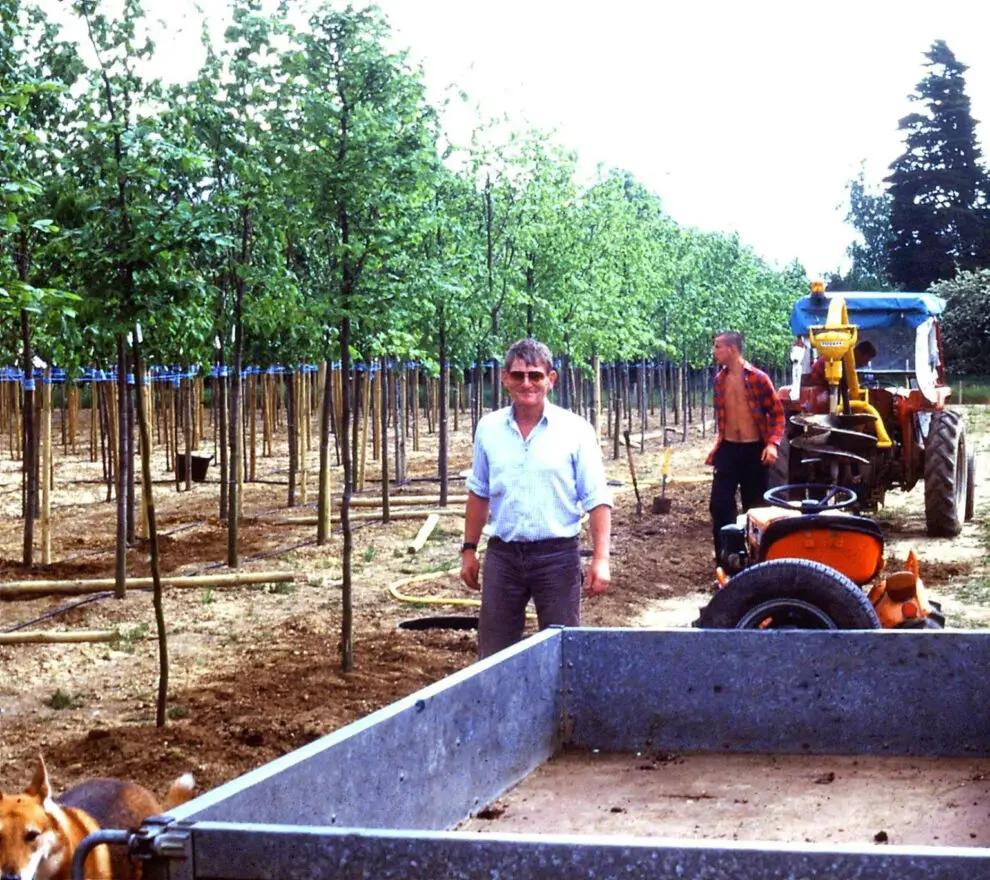
Pyracantha makes a very useful hedge when you want evergreen cover, seasonal colour and a genuinely thorny boundary. The main thing I would avoid is clipping it blindly like Privet. Most of the flowers are carried on established shoots, so repeated hard cutting can remove the wood that would have produced the berries. Get the spacing right when you plant, keep the original root balls moist while the hedge establishes, then use selective trimming to build a dense framework without taking all the flowering growth away.
From our nursery
Visit our Pyracantha hedges

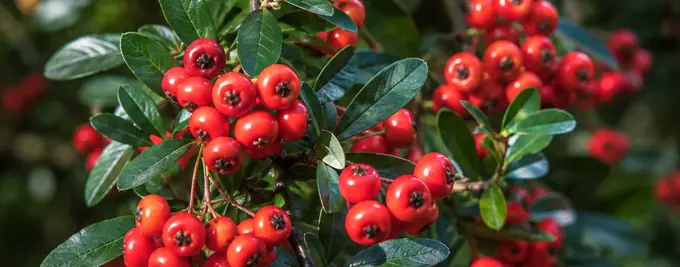
Red Pyracantha Hedge
Red Column is usually my choice when the customer wants the traditional Pyracantha look with strong red autumn and winter berries. It makes a dense, very thorny evergreen boundary and can also be trained against a wall or fence. Give it good light for the best berry display and avoid repeatedly cutting every new shoot back hard if flowering and fruit are important.

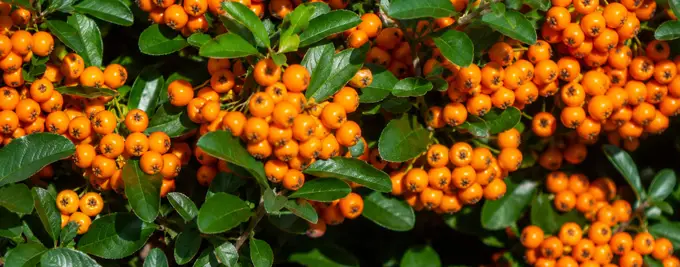
Orange Pyracantha Hedge
Orange Glow gives the same evergreen screening and thorny structure as the other Pyracantha choices but with warm orange berries. It works particularly well where you want a colourful security hedge rather than a plain green boundary. Allow the young plants to establish a good framework before trying to keep them too tightly clipped, then prune selectively to retain flowering and berrying wood.

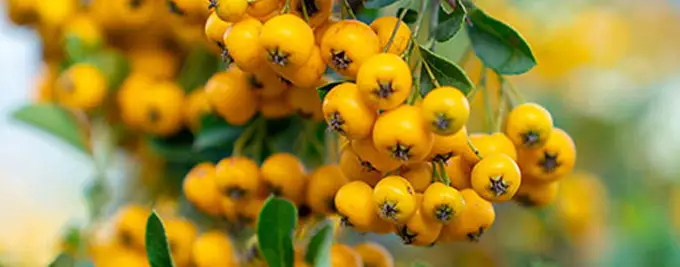
Yellow Pyracantha Hedge
Soleil d'Or is a good option when you want the security and evergreen foliage of Pyracantha but prefer bright yellow berries. It can be planted on its own or mixed with the red and orange forms for a longer run of varied colour. Like the other varieties, good light and sensible pruning help it flower and berry well while still forming a dense hedge.
Not sure which Pyracantha hedge to choose?
Compare the available plants, formats and starting sizes in the complete range.
Explore our complete Pyracantha hedging rangePyracantha hedge quick-care summary
| Botanical name | Pyracantha spp. and cultivars |
|---|---|
| Plant type | Thorny woody shrub / hedge |
| Evergreen or deciduous | Evergreen |
| Typical growth rate | Approx. 30–60cm per year in good conditions |
| Preferred position | Sun or partial shade; best berrying in good light |
| Soil | Moderately fertile and well drained; avoid waterlogging |
| Watering | Water well during establishment and prolonged dry spells |
| Pruning period | Spring to late summer; retain flowering and berrying wood |
| Feeding | Usually light; balanced spring feed where needed |
| Hardiness | H6 Quite Hardy |
| Typical hedge height | Commonly maintained around 1.5–3m |
| Planting season | Pot grown: year round if conditions are suitable; autumn/winter ideal |
| Root types commonly available | Pot grown |
About Pyracantha hedging
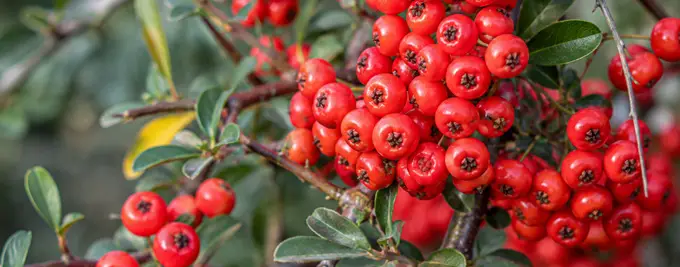
Pyracantha belongs to the rose family, Rosaceae, and combines evergreen foliage with clusters of white flowers followed by brightly coloured berries. Its long, sharp thorns and dense branching make it particularly useful where a hedge needs to provide both screening and a physical barrier.
The Hedging Plants Direct range currently contains three berry colours: Red Pyracantha 'Red Column', Orange Pyracantha 'Orange Glow' and Yellow Pyracantha 'Soleil d'Or'.
What is Pyracantha useful for?
- Evergreen boundary screening
- Dense thorny security hedging
- Autumn and winter berry colour
- Flowers for visiting insects
- Fruit and shelter for garden birds
- Training against walls and fences
- Mixed red, orange and yellow Pyracantha hedges
Pyracantha can be clipped into a relatively formal boundary, but it usually flowers and berries better when pruning is selective enough to retain some established flowering wood. This makes it slightly different to a hedge such as Privet, where repeated close clipping is normally the main objective.
Choosing the right Pyracantha hedge
Red, orange and yellow Pyracantha can all be used for screening, wildlife value and thorny boundaries. They can also be mixed along one hedge if you prefer several berry colours rather than a uniform finish.
| HPD variety | Berry colour | Current HPD position information | Useful for |
|---|---|---|---|
| Red Column | Red | Full sun, sheltered | Traditional red-berried Pyracantha hedging |
| Orange Glow | Orange | Full sun; exposed or sheltered | Warm orange seasonal colour |
| Soleil d'Or | Yellow | Full sun; exposed or sheltered | Bright yellow autumn and winter colour |
Is Pyracantha good for privacy?
Yes. Once established and regularly shaped, its evergreen foliage and branching can make a dense screen. It is particularly useful where privacy needs to be combined with a thorny physical barrier.
Is Pyracantha suitable for a small garden?
It can be, provided there is enough room to maintain it safely. Regular trimming controls its size, but its thorns make very narrow paths, children's play areas and frequently used doorways less suitable positions.
Will Pyracantha grow in shade?
Pyracantha tolerates partial shade, but good light normally produces stronger flowering and berrying. In a heavily shaded position, especially against a north-facing wall, expect fewer berries.
Is Pyracantha suitable for coastal gardens?
Do not assume that every Pyracantha cultivar has identical coastal tolerance. If the site is directly exposed to salt-laden winds, check the exact cultivar and local conditions before planting rather than relying on the general hardiness of the genus.
When to plant a Pyracantha hedge
Our current Pyracantha range is pot grown, so planting is not restricted to a short bare-root season. The main limitation is the weather rather than the calendar.
Best time to plant
Autumn through winter is often ideal because the soil is naturally cooler and usually remains moist for longer. Roots can begin establishing before the demands of warm spring and summer growth increase.
Spring planting
Spring planting is also suitable. Check the original root ball regularly because warm, windy weather can dry pot-grown plants quickly before their roots have spread into the surrounding soil.
Summer planting
Summer planting is possible with pot-grown Pyracantha, but it requires much closer attention to watering. Avoid planting during extreme heat or into very dry ground unless you can irrigate the complete root zone reliably.
When to delay planting
- When the ground is frozen solid
- When the planting area is waterlogged
- During extreme heat or drought if reliable irrigation is unavailable
- When soil has been compacted so severely that drainage cannot yet be corrected
Where to plant Pyracantha
Pyracantha is adaptable once established, but choosing the right position makes both establishment and future maintenance much easier.
Sun and shade
Full sun or partial shade is suitable. A hedge planted in good light will normally flower and berry more heavily than one in deep shade.
Soil and drainage
Most moderately fertile garden soils are suitable, including clay and freer-draining soils, provided excess water can escape. If water sits around the root zone for long periods, improve the drainage or choose another planting position before installing the hedge.
Planting beside a wall or fence
If Pyracantha is being trained against a wall or fence, leave approximately 50cm between the planting position and the structure where space allows. This reduces the effect of the dry rain shadow immediately at the base of a wall and gives the roots access to better soil.
Paths and access
Remember the mature plant is strongly thorny. Leave enough working room to prune both faces of the hedge safely and avoid positioning it where branches will repeatedly project into a narrow path, gateway or children's play area.
Competing vegetation
Clear grass, perennial weeds and vigorous neighbouring roots from the planting strip. Competition for water can be severe while a new pot-grown hedge is establishing.
How to prepare the ground for Pyracantha
- Mark the hedge line. Use a string line so the finished hedge follows the intended boundary.
- Remove competing weeds and grass. Clear the full planting strip rather than only a small circle around each plant.
- Check drainage. Break up compacted soil and correct persistent waterlogging before planting.
- Prepare a trench or individual holes. Either method works. The prepared soil should be wider than the root balls but no deeper than necessary.
- Improve poor soil where required. Mix a suitable soil conditioner such as Hedge Planting Compost into the excavated soil rather than replacing the complete planting area with compost.
- Water dry pots before planting. A dry root ball can remain dry even after the surrounding soil is watered.
- Prepare Rootgrow if using it. Apply mycorrhizal fungi so it contacts the root system directly and follow the product instructions.
Avoid adding a large quantity of concentrated fertiliser directly beneath the roots. Correct planting depth, good soil contact and reliable moisture are more important during initial establishment.
How to plant a Pyracantha hedge
- Set the plants out first. Position every Pyracantha at the correct spacing before digging so the hedge remains even.
- Water the pots. If the compost is dry, water thoroughly and allow the root ball to absorb moisture.
- Dig the trench or holes. Make them wide enough to loosen the surrounding soil while keeping the finished planting depth level with the original root ball.
- Remove each pot carefully. Support the root ball rather than pulling the plant out by its stems.
- Check the outside roots. Gently tease apart tightly circling outer roots without breaking the root ball to pieces.
- Apply Rootgrow if required. Follow the product instructions and make sure the material contacts the roots.
- Set the correct depth. The top of the root ball should finish approximately level with the surrounding soil, not buried deeply beneath it.
- Align the hedge. Turn plants where necessary so their branches overlap naturally and the strongest face points where it will be most visible.
- Backfill gradually. Work soil around the root ball and remove large air pockets.
- Firm gently. The plant should be stable without compacting the whole root zone into a hard mass.
- Water thoroughly. Apply enough water to moisten the original root ball and the prepared surrounding soil.
- Mulch the planting strip. Apply an organic mulch such as Hedge Bio Mulch over moist soil, leaving a small gap around each stem.
- Add support only where necessary. Larger plants in exposed positions may need temporary support while roots establish.
Pyracantha hedge spacing and plants per metre
Pyracantha spacing changes with the supplied plant size. Planting unnecessarily closely increases cost and competition, while planting too widely delays the point at which neighbouring plants join into a continuous hedge.
| Current plant size | Plants per metre | Approx. centre-to-centre spacing |
|---|---|---|
| 60–80cm Trellis, 5L pot | 3 per metre | About 33cm |
| 80–100cm Trellis, 5L pot | 3 per metre | About 33cm |
| 125–150cm Pot Grown | 2 per metre | About 50cm |
Set the plants in a straight single line for a normal clipped Pyracantha boundary hedge. The branches will progressively overlap as the plants establish and are shaped.
How many Pyracantha plants do I need?
Multiply the hedge length in metres by the recommended plants-per-metre figure for the exact plant size ordered. For example, a 10m hedge planted at three per metre requires approximately 30 plants.
Always check the live product before ordering because available sizes and planting densities can change.
Watering and establishing a Pyracantha hedge
Pot-grown plants can create a misleading watering problem: the surrounding garden soil may feel damp while the original compost inside the root ball has already become dry. Check moisture close to the root ball as well as further away.
Immediately after planting
Water every plant thoroughly. This settles soil around the roots and ensures the original compost begins establishment evenly moist.
During the first growing season
Inspect the soil regularly during dry, sunny or windy conditions. Push a finger or hand trowel below the surface near the root ball. If the soil at root depth is beginning to dry, water slowly and deeply. If it remains moist, wait and check again rather than watering automatically.
During hot or dry weather
Deep watering is more useful than repeatedly wetting only the surface. On longer hedge lines, a properly installed hedge irrigation system can make watering more consistent, but check several points along the run to make sure every plant is receiving water.
Signs of drought stress
- Wilting or dull foliage
- Dry soil within the original root ball
- Leaf browning or premature leaf drop
- Weak extension growth
- Premature loss of developing berries during prolonged drought
Signs of excessive moisture
- Persistently saturated soil
- General yellowing combined with poor growth
- Root decline despite apparently plentiful water
Once well established, Pyracantha normally becomes considerably less dependent on supplementary watering, although plants against sunny walls and hedges growing in unusually dry ground may still need help during prolonged drought.
How and when to feed Pyracantha
Pyracantha is not naturally a heavy feeder. A healthy established hedge in reasonably fertile soil may need little more than an annual organic mulch.
When feeding is useful
- Growth is consistently weak after establishment
- The soil is known to be poor or depleted
- A long-established hedge has become pale and lacks vigour
- Plants are recovering after corrective pruning and the soil is deficient
Where a balanced feed is appropriate, apply a product such as Hedge Feed in spring according to the product label and current application rate.
Poor berry production does not always mean the hedge needs feeding
Before adding fertiliser, check light levels, pruning, spring weather, drought stress and general plant vigour. Excessive clipping can remove flowering wood, while dry conditions may cause developing berries to drop.
Avoid heavy applications of high-nitrogen fertiliser late in the season because excessively soft new growth has less time to mature before winter.
How and when to prune a Pyracantha hedge
Pyracantha needs a slightly different approach from a hedge that is clipped simply for foliage. The aim is to balance a dense, tidy outline with enough mature growth to flower and produce berries.
Pruning a young Pyracantha hedge
During establishment, concentrate on building a well-branched framework from low down. Shorten unusually long or badly positioned shoots where necessary, but avoid continually shearing away all of the developing structure.
Pruning an established hedge
- Check carefully for active bird nests before starting.
- Wear strong gloves and suitable clothing because the thorns are long and sharp.
- Remove dead, damaged or clearly diseased shoots first.
- Shorten growth projecting well outside the required hedge line.
- Retain a reasonable amount of older flowering wood rather than cutting every shoot back to the same depth.
- Where berries have formed, trim around clusters where practical rather than automatically cutting them all away.
- Keep the hedge slightly narrower towards the top if necessary so light can reach the lower growth.
How often should Pyracantha be trimmed?
A neat Pyracantha hedge can be trimmed two or three times between spring and late summer. A more informal wildlife hedge may require less intervention.
Pruning Pyracantha against a wall
After flowering, shorten unwanted outward-facing shoots while retaining the permanent framework. In late summer, sideshoots can be shortened close to the developing berry clusters rather than cutting through them indiscriminately. Tie useful flexible shoots into the support where extra coverage is required.
Can an overgrown Pyracantha be cut back hard?
Yes. Pyracantha generally responds well to renovation pruning. For a badly overgrown evergreen plant, early spring is a sensible time for major renovation. Expect a temporary reduction in flowers and berries while a new framework develops.
Where a very large hedge needs drastic reduction, consider spreading the work over more than one season if retaining screening is important.
Pyracantha growth rate and eventual size
A healthy Pyracantha can establish a substantial screen relatively quickly, but annual growth figures should be treated as a guide rather than a guarantee.
How quickly does Pyracantha grow?
Our current Pyracantha products are listed at approximately 30–60cm of annual growth under good conditions. Newly planted plants may make less visible top growth while their root systems establish.
What affects Pyracantha growth?
- Available sunlight
- Soil structure and drainage
- Water during establishment
- Competition from grass and weeds
- Planting depth
- Pruning intensity
- Weather and exposure
- Pests, disease or root problems
How tall does Pyracantha grow?
Pyracantha is capable of becoming a large woody shrub if left unpruned. Our current product pages quote an overall potential of up to about 5m, while a managed hedge is normally maintained substantially lower according to the boundary and available space.
Regular pruning is therefore more important than the plant's theoretical maximum height when deciding whether Pyracantha is suitable for a particular garden.
Pyracantha seasonal care
| Season | Main Pyracantha jobs |
|---|---|
| Winter | Plant pot-grown hedging when the ground is workable. Check young plants after severe weather. Avoid unnecessary clipping of berrying branches. |
| Early spring | Inspect for winter damage, refresh mulch and feed only where required. Renovate badly overgrown plants if necessary. |
| Mid to late spring | Watch flowering growth, inspect for aphids and disease symptoms and begin selective shaping where necessary. |
| Early summer | Monitor moisture carefully in newly planted hedges. Avoid removing all flowering and young berrying growth. |
| Late summer | Carry out another light trim where needed and preserve visible berry clusters. Continue watering during drought. |
| Autumn | Good planting period. Check mulch, remove severe diseased debris and enjoy developing berry colour rather than pruning it away. |
Before any hedge cutting during the bird breeding season, inspect the plant thoroughly for active nests and postpone work where a nest is in use.
Pyracantha pests, diseases and common problems
Pyracantha leaves turning yellow
Start by checking the root zone. Persistently wet soil, poor drainage and root stress can cause widespread yellowing and weak growth. Newly planted plants may also struggle if the original potting compost has alternated between very dry and very wet conditions.
A small amount of older-leaf turnover is normal on an evergreen plant, but widespread yellowing, dieback or continued deterioration deserves investigation.
Pyracantha leaves turning brown
Brown leaves can follow drought, winter exposure, root damage, waterlogging or disease. Check whether the browning affects the whole plant uniformly or whether individual shoots have suddenly collapsed. Sudden localised blackening or dieback is more suspicious than gradual stress across the hedge.
Pyracantha losing leaves
Check soil moisture first, followed by the foliage itself. Dark spotting combined with substantial leaf fall can indicate pyracantha scab, while drought and root problems can also cause premature leaf loss.
Pyracantha scab
Pyracantha scab is a fungal disease. Typical symptoms include dark spots on the leaves, premature leaf fall, blackened flowers, disfigured or cracked berries and occasional shoot dieback.
Remove badly affected growth and fallen infected leaves and fruit, keep the hedge reasonably open and avoid leaving large amounts of infected debris beneath it. Do not automatically reach for a fungicide: current RHS guidance prioritises hygiene and cultural control and states that it does not recommend fungicides for pyracantha scab.
Fireblight
Fireblight is a bacterial disease that can affect Pyracantha and other members of the rose family. Look for flowers that suddenly wilt, shoots that shrivel and die, sunken cankers and, in wet conditions, bacterial ooze. Damage can have a characteristic scorched appearance.
Prune infected shoots promptly in dry conditions, cutting well back into visibly healthy wood and disinfecting tools between cuts. There are no chemical controls for fireblight.
Fireblight is no longer a notifiable disease in mainland Britain. Suspected cases on the Isle of Man or Channel Islands should be reported to the appropriate plant-health authority because the disease is not established there.
Woolly aphid and other sap-feeding pests
Inspect distorted young growth and stems for colonies before taking action. Small pest populations are often tolerated by an otherwise healthy hedge and may be controlled naturally by predators. Prune heavily infested shoots where practical and prioritise cultural or non-chemical control.
Pyracantha leaf-mining moth
Leaf miners create visible tunnels or blotches within leaves. Damage is usually more cosmetic than catastrophic on an established hedge. Maintain overall plant health and avoid unnecessary pesticide use where damage is limited.
Why is my Pyracantha not growing?
- Check whether the original root ball is dry.
- Check that the plant has not been buried too deeply.
- Look for waterlogging or compacted soil.
- Remove grass and weeds competing around the base.
- Check for root or stem damage.
- Inspect for disease if individual shoots are dying.
Why is my Pyracantha sparse at the bottom?
Long-term shading and repeatedly allowing the upper hedge to become wider than the base can reduce lower growth. Gradually reshape the hedge and encourage light to reach the bottom. Where the hedge is very old and bare, Pyracantha can tolerate renovation pruning, although recovery takes time.
Why does my Pyracantha have no berries?
Common causes include over-pruning, poor pollination during cold or wet spring weather, insufficient light, drought while fruit is developing, weak plant growth and late frost damage to flowers.
Can a damaged Pyracantha recover?
Often yes, provided the root system and lower framework remain healthy. Correct the original cause first. A plant suffering repeatedly from waterlogging or untreated disease will not recover simply because it has been fed or cut back.
Wildlife and environmental value
Pyracantha is useful because its wildlife value is not limited to one season. The flowers provide a food source for visiting insects, while the dense evergreen framework gives cover that persists through winter.
Flowers
Clusters of small white flowers appear before the berries develop. Leaving enough flowering wood during pruning helps preserve both the flowers and the fruit that follows.
Berries
The red, orange or yellow berries provide seasonal colour and are also taken by birds. The exact length of the display varies with weather, cultivar, berry production and how quickly wildlife feeds on the crop.
Nesting cover
The dense, thorny branch structure can offer protected nesting and sheltering sites. This is also why hedge cutting must stop if an active bird nest is found.
A wildlife-focused Pyracantha hedge does not need to look neglected. Selective pruning can keep paths and boundaries clear while retaining more flowers, berries and dense internal cover than repeated close shearing.
Pyracantha thorns and berry safety
The thorns are one of Pyracantha's most useful features for a security hedge, but they also affect where and how the plant should be maintained.
Working safely around Pyracantha
- Wear substantial gardening gloves and long sleeves.
- Use eye protection where you are cutting above shoulder height or working inside dense growth.
- Collect thorny prunings rather than leaving them where people or pets may step on them.
- Keep growth cut back from frequently used paths, gates and entrances.
- Think carefully before using Pyracantha immediately beside children's play areas.
Can you eat Pyracantha berries?
Treat Pyracantha fruit as ornamental and not for eating. Do not use berries from a Pyracantha hedge for food, and discourage children and pets from consuming them.
This is particularly important because older gardening material and some existing web pages give inconsistent advice about the berries. For public safety guidance, follow current authoritative plant-safety information rather than recipes or traditional uses.
Caring for pot-grown Pyracantha
Before planting
Keep the container out of prolonged drying conditions and water it thoroughly if the root ball is becoming dry.
At planting
Remove the pot, inspect the outside of the root system and gently loosen tightly circling roots. Plant with the top of the original root ball approximately level with the finished surrounding soil.
After planting
Monitor moisture inside the original root ball as well as in the surrounding ground. Until new roots have moved out into the soil, a plant can suffer drought even when the wider border appears moist.
Frequently asked questions about Pyracantha hedging
Is Pyracantha evergreen?
Yes. Pyracantha is an evergreen shrub, so a healthy hedge retains foliage through winter and can provide year-round screening. Individual older leaves will still be replaced naturally, and stressed plants may lose more foliage than normal.
How fast does a Pyracantha hedge grow?
How fast does a Pyracantha hedge grow?
How far apart should I plant Pyracantha?
How far apart should I plant Pyracantha?
When is the best time to plant Pyracantha?
When is the best time to plant Pyracantha?
When should I prune a Pyracantha hedge?
When should I prune a Pyracantha hedge?
Can Pyracantha be cut back hard?
Can Pyracantha be cut back hard?
Will Pyracantha grow in shade?
Pyracantha grows in partial shade, but it normally flowers and berries better where it receives more light. Deep shade, including some north-facing wall positions, can substantially reduce the berry display.
Does Pyracantha need feeding?
Usually not heavily. Healthy established Pyracantha in reasonably fertile soil often grows well without regular fertiliser. Where soil is poor or growth is weak, a balanced feed can be applied in spring according to the product instructions.
Why has my Pyracantha got no berries?
Common causes include excessive pruning, poor pollination during cold or wet spring weather, drought, low light, weak growth and late frost damage to the flowers. Check these factors before assuming the plant simply needs more fertiliser.
Why is my Pyracantha losing its leaves?
Leaf loss can result from drought, root stress, waterlogging or disease. Check soil moisture and drainage first, then examine the leaves for dark spots or blackened fruit that could indicate pyracantha scab.
What are the black spots on my Pyracantha?
Dark spots on leaves together with premature leaf fall, blackened flowers or damaged berries may indicate pyracantha scab. Remove badly infected growth and fallen diseased material and improve hygiene around the hedge rather than immediately relying on a fungicide.
How can I tell fireblight from Pyracantha scab?
Fireblight generally produces more sudden and severe shoot collapse, with wilted flowers, shrivelled shoots, cankers and sometimes bacterial ooze. Pyracantha scab more typically causes dark leaf spots, leaf fall and blackened or cracked fruit, although both can cause shoot dieback.
Are Pyracantha berries poisonous?
Pyracantha berries should be treated as ornamental and not eaten. Current RHS guidance for the Pyracantha cultivars in our range advises that the fruit is not for eating, including by pets.
Are Pyracantha thorns poisonous?
The main hazard from Pyracantha thorns is physical injury rather than their being treated as edible plant material. The thorns are very sharp, so wear sturdy gloves and protective clothing and clean any puncture wound promptly.
How far from a fence should I plant Pyracantha?
If Pyracantha is being trained along a wall or fence, around 50cm out from the structure is a useful starting point where space allows. This reduces the dry rain-shadow effect at the base and gives the roots better access to surrounding soil.
Related hedge advice
Useful planting, pruning and hedge-care advice from our nursery.
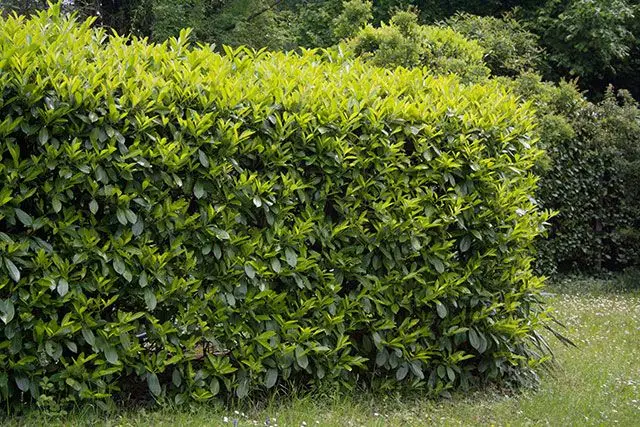
Best Hedges for Privacy in UK Gardens
Compare the best hedge plants for privacy in UK gardens, including evergreen, fast-growing and seasonal options for different soils, sites and screening needs
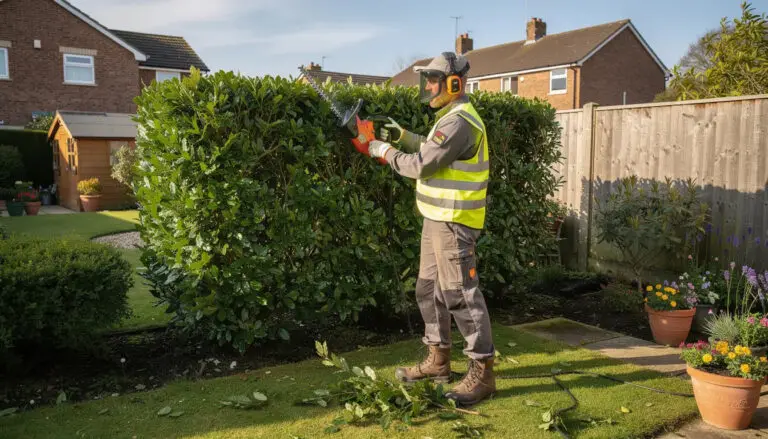
Best Time to Trim Hedges in the UK: A Comprehensive Guide
Best time to trim hedges in the UK explained: seasonal timing, nesting bird rules, hedge types, tools and aftercare. Get a neat, healthy hedge all year.

Fast Growing Hedge Plants – Best Choices for Quick Privacy and Year Round Coverage
Need quick privacy in the garden? Discover the best fast growing hedging plants and simple tips to establish a dense, healthy screen fast.