











Which Types of Hedge Plants Are Right for You?
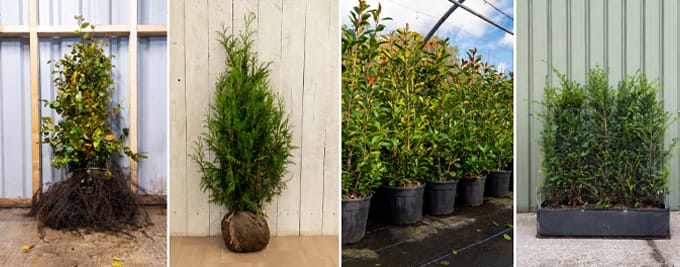
Choosing the right hedge plant depends on the purpose of the hedge, the growing conditions and the amount of maintenance you are comfortable with. Before ordering, consider the height you want the hedge to reach, whether you need year-round privacy and how quickly you would like it to establish.
You should also check the soil, drainage, available sunlight and exposure at the planting site. Some hedge plants tolerate wet ground or shade, while others are better suited to well-drained soil, full sun or coastal conditions.
Evergreen Hedge Plants for Privacy
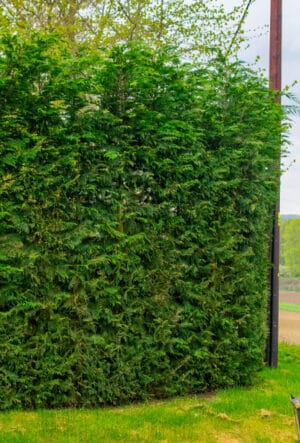
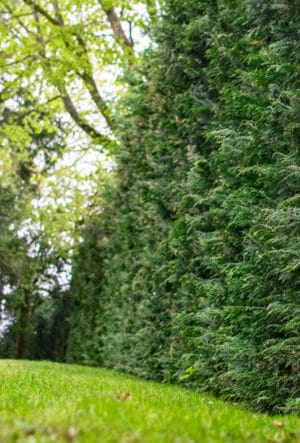
Evergreen hedge plants retain their foliage throughout the year, making them a popular choice for privacy, screening and clearly defined garden boundaries.
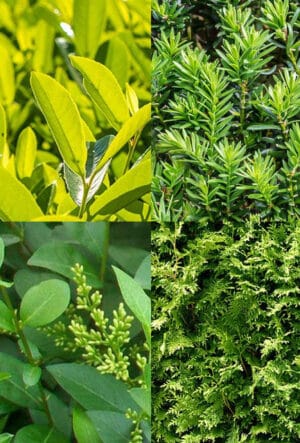
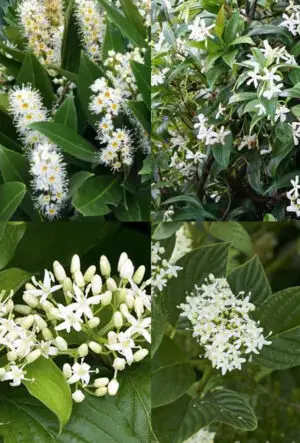
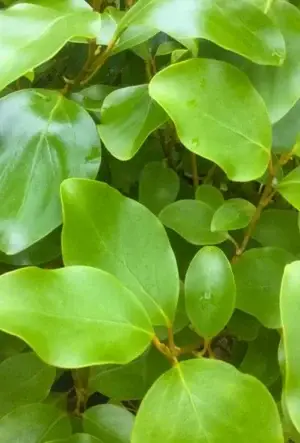
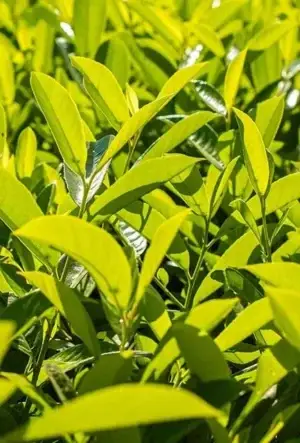
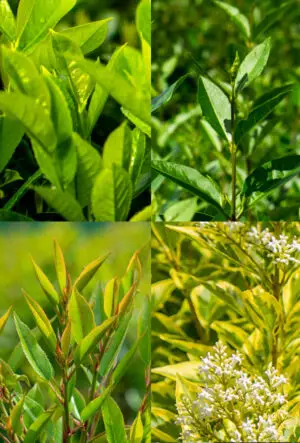
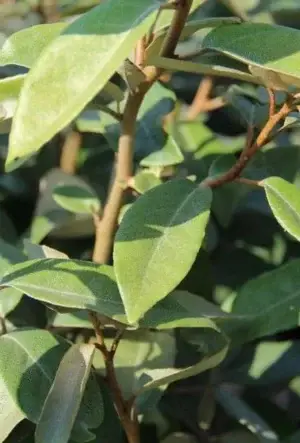
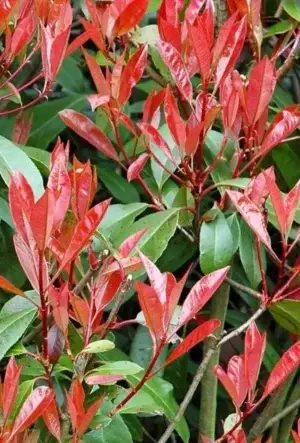
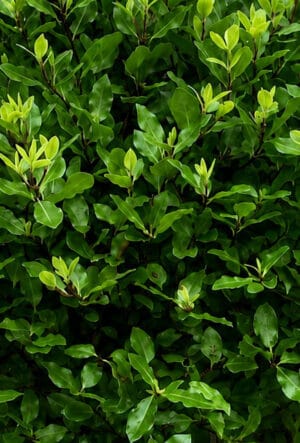
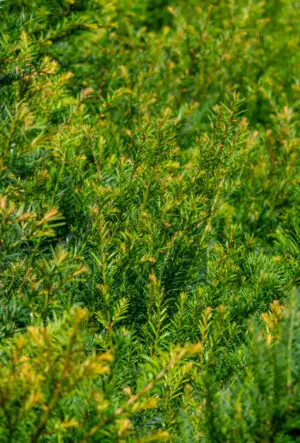
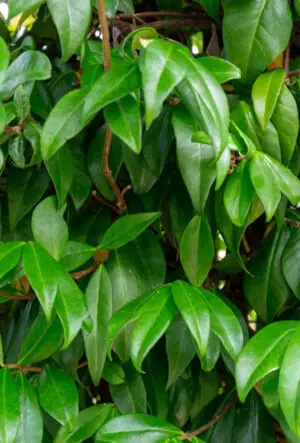
Popular evergreen species include Laurel, Yew, Privet, Griselinia, Photinia Red Robin, Holly and Euonymus. Growth rates and eventual heights vary considerably, so check the individual species and product information before deciding.
Faster-growing hedges can create coverage more quickly but generally need more frequent trimming. Slower-growing varieties may take longer to establish but can be easier to maintain as formal or compact hedges.
Deciduous and Native Hedge Plants
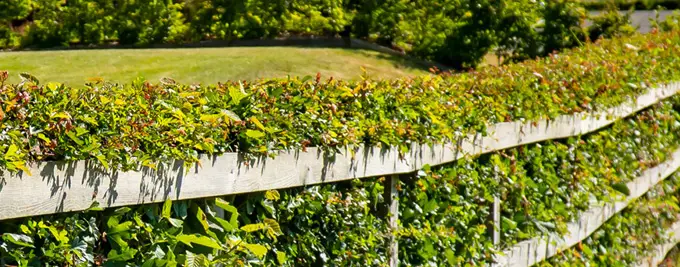
Deciduous hedging loses some or all of its leaves during winter but can provide attractive spring growth, autumn colour, flowers, berries and seasonal interest.
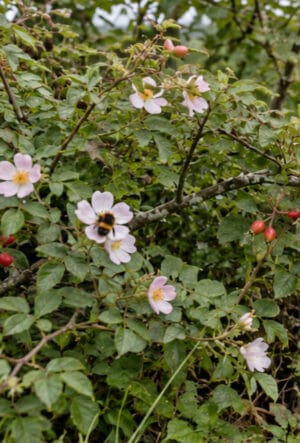
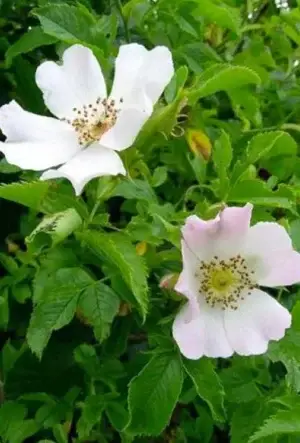
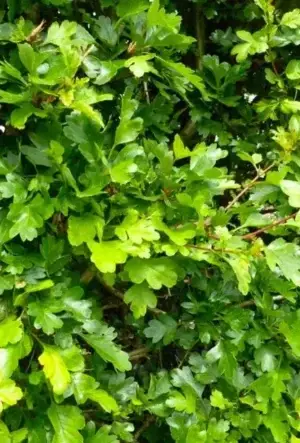
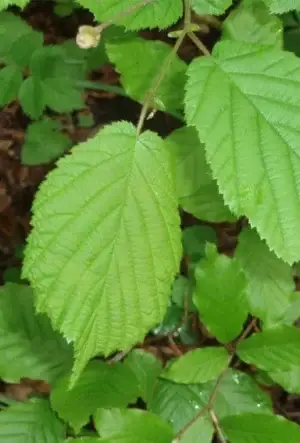
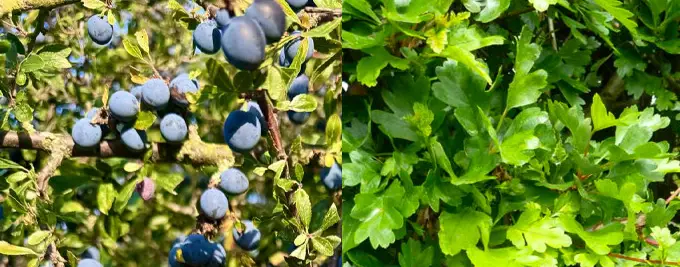
Native hedge plants such as Hawthorn, Blackthorn, Hazel, Field Maple and Dog Rose are well suited to traditional garden boundaries, rural planting schemes and wildlife-friendly hedgerows.
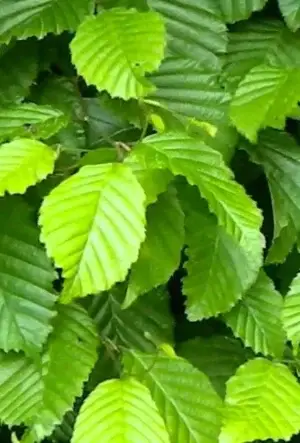
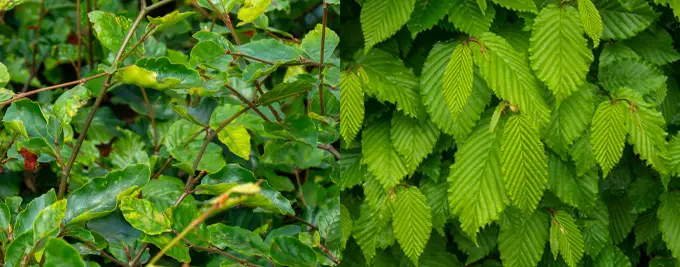
Beech and Hornbeam are also popular deciduous choices. They often retain some dry foliage during winter when regularly trimmed as a hedge, helping to provide additional seasonal screening.
Flowering and Wildlife-Friendly Hedging
Flowering hedge plants add colour and interest while still creating a practical garden boundary. Depending on the species, they may also provide nectar, fruit, berries or shelter for birds and insects.
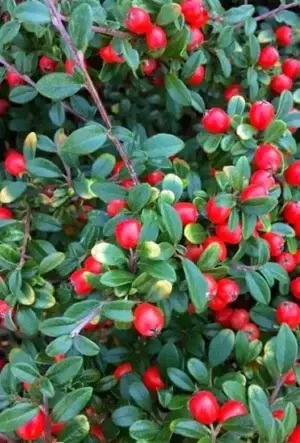
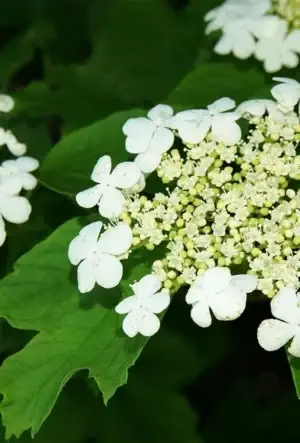
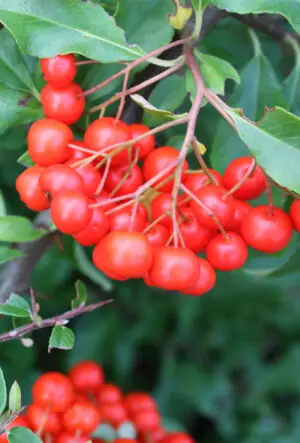
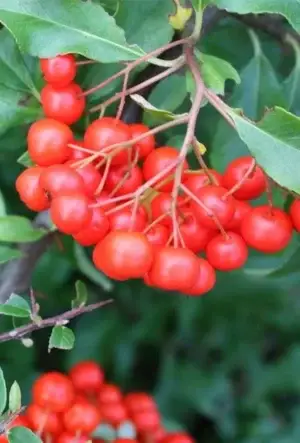
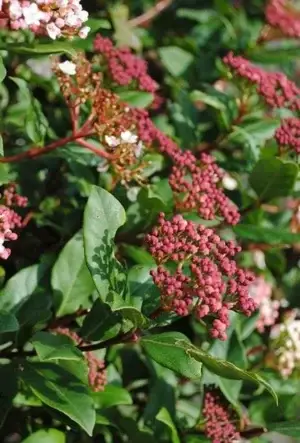
Options include Hawthorn, Dog Rose, Guelder Rose, Pyracantha, Cotoneaster and flowering evergreen shrubs. A mixed native hedge can combine several species to create a more varied boundary with a longer season of interest.
Formal and Low-Growing Hedge Plants
Compact hedge plants are useful for edging paths, dividing areas of a garden and creating neat formal boundaries.
Box has traditionally been used for low hedging and topiary, while alternatives include Euonymus, Lonicera nitida, Yew and other small-leaved evergreen plants. Consider the mature height and annual growth rate when choosing a hedge that needs to remain low and tidy.
Hedge Plants for Exposed or Difficult Sites
Some sites require tougher hedge plants that can cope with shade, wet soil, strong winds or coastal exposure.
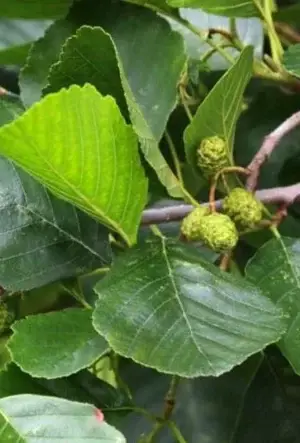
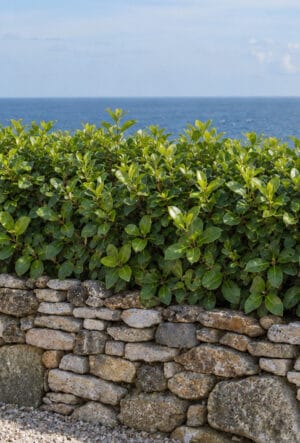
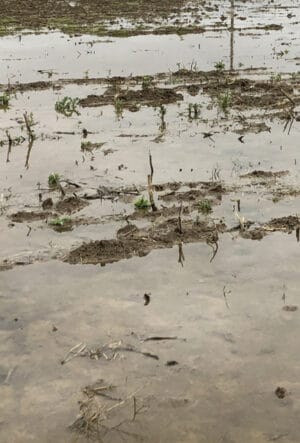
Hornbeam and Alder can be useful where the soil is heavier or retains more moisture. Griselinia, Elaeagnus and some Cotoneaster varieties may be suitable for exposed and coastal gardens.
The conditions can vary even within the same garden, so check the requirements of each species carefully before planting.