
What Are the Different Hedging Root Types?
Bare root, root ball, pot-grown and instant hedging suit different budgets, planting times and levels of initial coverage. Understanding how each is supplied makes it easier to choose the right format for your project.
Quick Answer
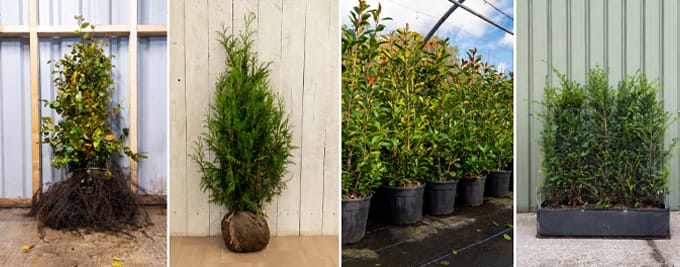
The four main hedging formats are bare root, root ball, pot grown and instant hedging. Bare root is usually the lowest-cost choice for dormant-season planting; root ball suits larger field-grown plants; pot-grown hedging offers the most flexible planting window; and instant hedging provides the greatest immediate coverage. "Instant" describes a pre-grown hedge section rather than one biological root system. The best choice depends on planting date, budget, access, plant size and how quickly you want the boundary to look established.
Quick Facts
| Main buying formats | Bare root, root ball, pot grown and instant hedging |
|---|---|
| Usually lowest cost | Bare root, especially for long hedge runs and larger quantities |
| Most flexible planting window | Pot grown, when the ground is workable and reliable watering is available |
| Greatest immediate impact | Instant hedging |
| Seasonal formats | Bare root and root ball, mainly during dormancy and subject to lifting conditions |
What does root type mean when buying hedging?
When nurseries refer to hedging root types, they are describing how the plants have been grown, lifted and supplied. The four main buying formats are bare root, root ball, pot grown and instant hedging.
The term is useful, but it is not completely literal. Bare root, root ball and pot grown describe how the root system is supplied. Instant hedging describes a mature, pre-grown section of hedge, which may be supplied in a trough, bag or established root section depending on the product.
Root type affects the planting window, purchase price, handling requirements and the amount of immediate coverage. It does not replace the need to choose a hedge species that suits your soil, position and available space.
How do the four hedging root types compare?
| Hedging format | How it is supplied | Typical planting or supply window | Usually best for | Important consideration |
|---|---|---|---|---|
| Bare root | Field-grown and lifted without soil around the roots | Dormant season, generally November to April, subject to species and weather | Long hedge runs and cost-conscious planting | Roots must be protected from drying and plants should be planted promptly |
| Root ball | Field-grown and lifted with soil retained around the roots, normally secured for handling | Seasonal, mainly during dormancy and suitable lifting conditions | Larger, more established individual plants | Root balls can be heavy, so access and lifting need planning |
| Pot grown | Grown and supplied in a container with compost around the roots | Generally throughout the year when the ground is workable and watering is available | Flexible planting dates and a broad choice of species and sizes | Plants installed during warm or dry weather need particularly dependable watering |
| Instant hedging | Mature plants pre-grown together as established hedge sections | Depends on the exact product and its underlying root format | Immediate height, structure and a more continuous appearance | Units are generally heavier and more expensive than younger plants |
What is bare root hedging?
Bare root hedging plants are grown in open ground and lifted while dormant, with the soil removed from around the roots. They are light to transport and usually the most economical way to plant a long boundary or a large quantity of hedging.
Many bare root plants are deciduous and arrive without leaves. This is normal during dormancy and is not, by itself, a sign that the plant is unhealthy. The exposed roots do need careful handling. Keep them covered, cool and moist, and prepare the planting area before delivery so they can be planted promptly.
Bare root is often the best choice when budget and total hedge length matter more than immediate density. It is less suitable when the planting work must take place outside the lifting season or when a finished screen is needed straight away.
What is root ball hedging?
Root ball hedge plants are also grown in the field, but they are lifted with a substantial ball of soil retained around the roots. The soil ball helps protect the root system during lifting, transport and planting.
Root-balled stock is commonly offered in larger sizes than young bare root plants and can provide more height and presence from the day it is planted. It can also offer good value compared with a pot-grown plant of a similar size.
The trade-off is weight. Larger root balls may require pallet delivery, more than one person to move them or suitable handling equipment. They are seasonal plants and still need close attention to watering while establishing. A taller root ball gives a head start, but it should not be confused with a fully knitted instant hedge.
What is pot-grown hedging?
Pot-grown hedge plants are raised and supplied in containers, with their roots held in growing medium until planting. This protects the roots during handling and gives customers the broadest choice of planting dates.
Pot-grown hedging can generally be planted throughout the year if the soil is neither frozen nor waterlogged and reliable watering is available. It is particularly useful for spring and summer projects, replacing gaps in an existing hedge or buying varieties that are not available bare root or root balled.
The pots add growing, handling and transport costs, so pot-grown plants may cost more than smaller bare root stock. They are not maintenance-free: plants set out in warm or dry conditions need thorough watering, and the original pot compost must not be allowed to dry out while roots move into the surrounding soil.
What is instant hedging?
Instant hedging is grown and clipped in advance so that several plants form an established section rather than a row of separate young plants. Many products are supplied in sections around one metre wide, but dimensions, root format and planting density vary, so the exact product specification should always be checked.
This format provides the greatest immediate height and structure and is useful where a new boundary needs to look established quickly. However, “instant” does not guarantee complete privacy in every case. Density depends on the species, supplied size and time of year, and deciduous instant hedges still lose their green leaves in winter.
Instant units are normally the most expensive and physically demanding option. Plan the route from the delivery point to the prepared trench, check the unit width and weight, and arrange the labour or machinery needed before the plants arrive.
Which hedging root type should you choose?
Choose bare root for value and long hedge runs
Bare root is usually the strongest option when you are planting during the dormant season, need a large quantity and are willing to wait for younger plants to fill out.
Choose root ball for larger seasonal plants
Root ball is useful when you want more initial height than smaller bare root plants can provide, but can plan the work around seasonal availability and safely handle the extra weight.
Choose pot grown for planting flexibility
Pot grown is normally the most practical choice outside the bare root and root ball season. It also works well for shorter runs, gap filling and projects where planting dates may change.
Choose instant hedging for immediate structure
Instant hedging suits projects where the appearance of the boundary from the outset matters more than keeping the initial cost and handling requirements down.
Does root type affect the finished hedge?
The same species can develop into a good mature hedge from different starting formats. Root type mainly changes what arrives, when it can be planted, how much it costs and how much early impact it provides. It does not guarantee the long-term result.
Smaller bare root plants can establish well and may gradually close some of the initial size difference, while larger plants provide more immediate presence but have a bigger root system and canopy to support. Whichever format you choose, suitable soil, correct planting depth, sensible spacing, weed control and consistent watering during establishment remain essential.
What other pot and root terms might you see?
Cell-grown and plug-grown plants have compact root systems held in small cells or plugs of growing medium. P7 and P9 usually describe small pots by their approximate dimensions. Container-grown and potted are often used as alternatives to pot grown.
These labels give useful information about the plant’s starting format, but they do not tell you everything about its height, age or density. Compare the full product specification, including plant height, pot or root size, quantity per metre and seasonal availability.
What should you check before ordering?
- Choose the species for the site before deciding how its roots should be supplied.
- Check the stated plant height, root or container specification and recommended number of plants or units per metre.
- Confirm the live availability and expected delivery period for seasonal plants.
- Prepare the planting area and read the relevant hedge planting guidance before the order arrives.
- Plan unloading and access carefully for root balls, large pots and instant hedge units.
- Make sure water will be available throughout establishment, especially for larger plants and warm-weather planting.
Gwynne's Grower's Tip
Choose the hedge species for the site first, then select the root format. For a long run, bare root can make the budget go much further, but the planting area must be ready and the exposed roots protected. With larger root balls and instant units, measure the access route from the delivery point to the trench before ordering and arrange enough help to move them safely. Whatever the starting size, thorough planting and dependable watering during establishment are more important than simply buying the biggest plant available.
More Beech Advice
For more detailed growing advice or to view the plants available from our nursery, use the links below.
Useful Planting Essentials
Selected products that may help with planting, establishment and ongoing hedge care.
Rootgrow Mycorrhizal Fungi
Rootgrow can be applied at planting so the product is in direct contact with the roots, where appropriate for the plant and planting method.
View product
Hedge Irrigation
A hedge irrigation system can make it easier to water a new hedge consistently, particularly on longer runs and during dry weather.
View product
Hedge Compost & Mulch
Compost and mulch can support soil preparation, moisture retention and weed suppression when used appropriately around new hedging.
View product
How Can I Make a Privet Hedge Grow Faster?
A Privet hedge can grow quickly once its roots are established, but dry soil, weed competition, deep shade and unsuitable pruning can…
Read answer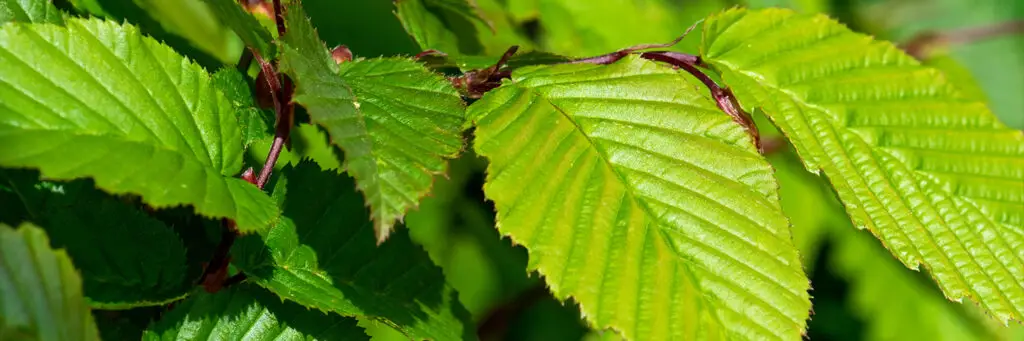
When Is the Best Time to Plant Hornbeam Hedging?
Hornbeam can be planted in several different forms, and the best planting time depends mainly on whether the plants are supplied bare…
Read answer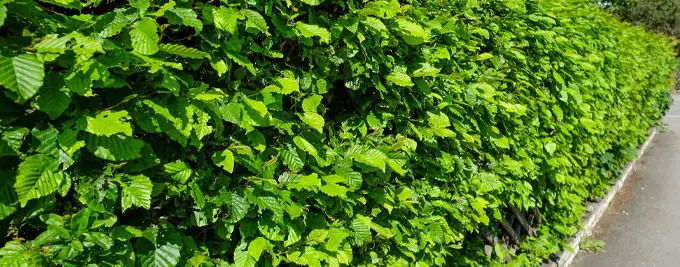
How Fast Does a Hornbeam Hedge Grow?
Hornbeam is a dependable native hedging plant, but the time it takes to form a useful screen depends on more than the…
Read answer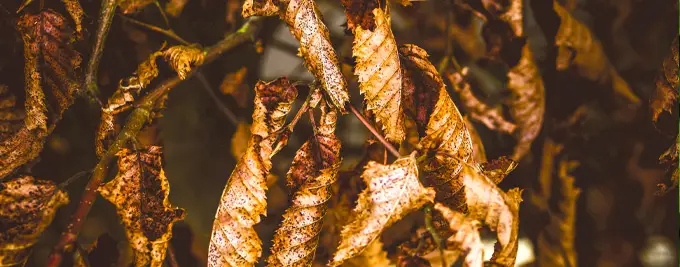
Is Hornbeam Evergreen? What Does It Look Like in Winter?
Hornbeam is valued for its fresh green summer foliage, warm autumn colour and strong winter structure. Understanding how its leaves behave after…
Read answerIs Hornbeam Evergreen? What Does It Look Like in Winter?
Hornbeam is valued for its fresh green summer foliage, warm autumn colour and strong winter structure. Understanding how its leaves behave after…
Read answer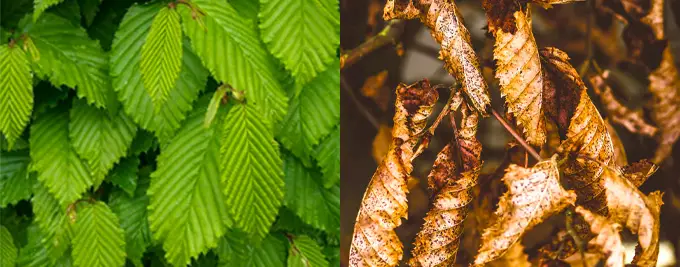
What Do Hornbeam Leaves Look Like?
Hornbeam has distinctive textured foliage that changes noticeably through the seasons. Learning to recognise the leaf shape, veins and toothed edges can…
Read answer
Is Privet Evergreen?
Privet is often chosen for privacy, but its winter appearance is less predictable than that of a fully evergreen hedge. The variety,…
Read answer
Photinia Pink Marble vs Red Robin: Which Is Better for Hedging?
Photinia Pink Marble and Red Robin are both evergreen Photinia cultivars, but they create very different hedges. Red Robin is the more…
Read answer