Privacy Hedge Plants
Privacy & screening

Privacy Hedge Plants

Browse privacy hedge plants for dense garden screening. Compare evergreen, fast-growing and instant hedging, then buy direct from our family-run nursery.

Cherry Laurel or Portuguese Laurel?

Both are evergreen privacy hedges, but they suit different priorities and garden styles.
CompareCherry LaurelPortuguese Laurel
Best forFast, broad evergreen privacy screensRefined, formal evergreen boundaries
Typical growthAbout 30–60cm a year once establishedAbout 20–40cm a year once established
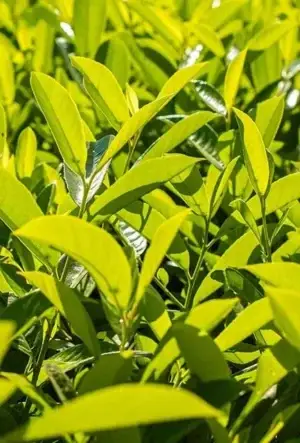
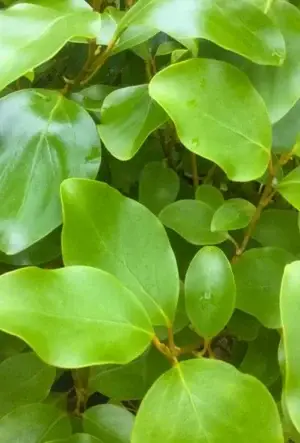
FoliageLarge, glossy bright-green leavesSmaller, darker leaves with reddish stems
Space & styleBest where a substantial hedge has room to developSuited to neat driveways, entrances and formal garden boundaries
Soil advantageAdaptable across many well-drained UK soilsParticularly useful on chalky or alkaline soils
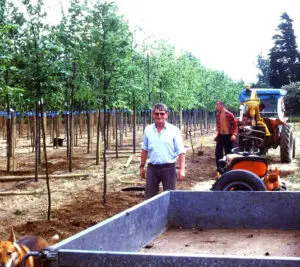
Gwynne Bodsworth, founder and grower at Hedging Plants Direct
Expert nursery advice

Gwynne's Grower's Tip

Customers often focus on annual growth rate, but starting size is what determines how much privacy you have on planting day. A small, fast-growing hedge can still leave gaps for a while, whereas taller pot-grown, root-balled or instant plants give more cover immediately. I would first decide how much screening you need in the first year, then choose a species that suits the width available and the amount of clipping you are prepared to do. That usually gives a better long-term hedge than simply buying the fastest-growing plant.
Helpful answers

Frequently asked questions

01What Is the Best Evergreen Hedge for Privacy?

Cherry Laurel, Portuguese Laurel, Yew, Photinia Red Robin and Griselinia can all make effective evergreen privacy hedges.

The best choice depends on the available space, soil, exposure, desired appearance and how quickly coverage is needed. Cherry Laurel is vigorous and broad, Portuguese Laurel has a more refined appearance, Yew is formal and slower growing, while Photinia provides colourful red young growth.

02What Is the Fastest-Growing Privacy Hedge?

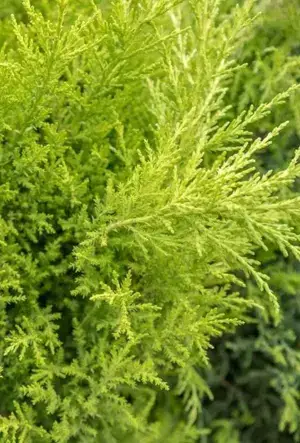
Leylandii is among the fastest-growing evergreen privacy hedge plants, but it requires regular trimming and sufficient space.

Cherry Laurel and Common Privet are also vigorous choices and may be easier to manage in many domestic gardens. The quickest species is not automatically the best species for every boundary.

03How Can I Get Privacy More Quickly?

Starting with taller pot-grown or root-balled plants will provide more immediate height than planting young whips. Instant hedging offers the greatest initial coverage because it is supplied in established sections.

Correct plant spacing and early formative pruning are also important. Widely spaced plants may grow tall without joining into a dense screen near the base.

04Do Privacy Hedges Stay Green All Year?

Only evergreen species provide dependable green foliage throughout winter.

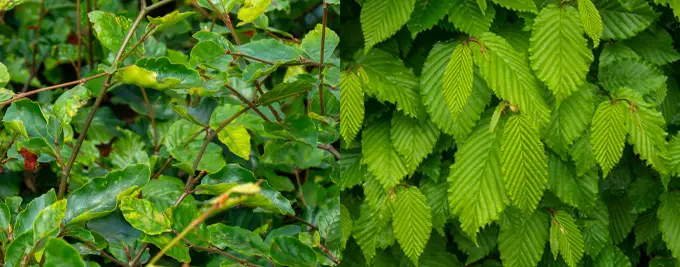
Privet is normally semi-evergreen and may lose more leaves in cold conditions. Beech and Hornbeam are deciduous but can retain dry foliage when regularly clipped. Customers needing consistent winter coverage should choose a suitable evergreen plant.

05Are Privacy Hedge Plants Low Maintenance?

No hedge is maintenance-free. Fast-growing species require regular trimming, while slower-growing plants take longer to reach the desired height.

All newly planted hedges need establishment watering, weed control and checks for damage. The maintenance required will depend on the species, hedge size and growing conditions.

Helpful next steps

More help choosing your hedge

Browse all Q&A

Choosing the Right Privacy Hedge Plants

The best privacy hedge depends on how much coverage you need, how quickly you want it and the conditions along the planting line. Before ordering, consider the maintained height and width, whether winter foliage is essential, the available sunlight, soil drainage and how often you are prepared to trim the hedge.

Fast-growing plants can close gaps sooner, but they usually need more regular pruning. Slower-growing species can be easier to control and may suit narrower or more formal boundaries.

Evergreen Privacy Hedges

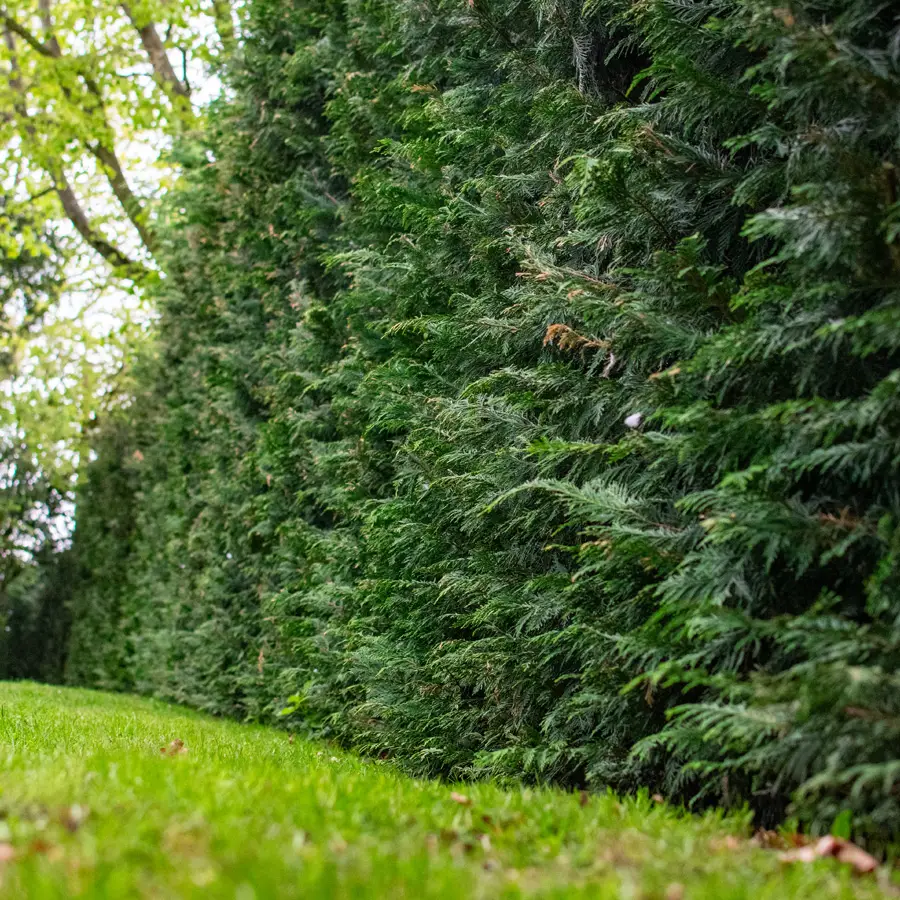
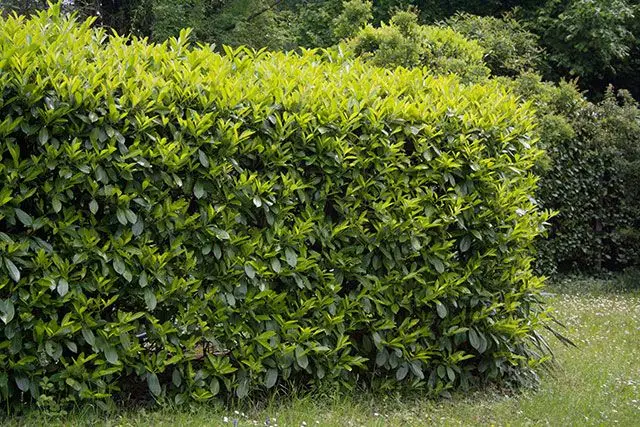
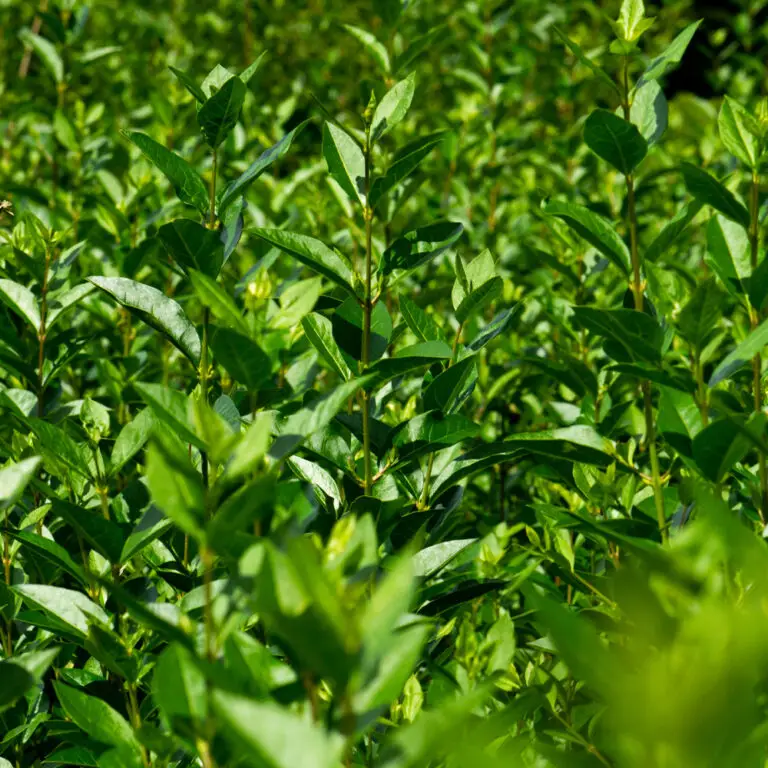
Evergreen hedging is usually the first choice where dependable year-round screening matters. Cherry Laurel is vigorous with broad glossy foliage and suits substantial screens where there is enough width. Portuguese Laurel has smaller, darker leaves and a more refined habit.

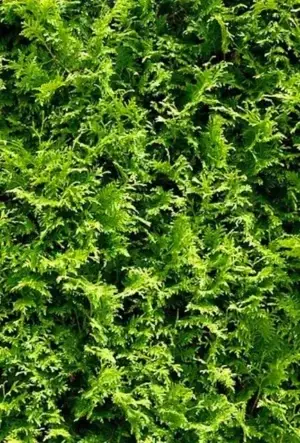
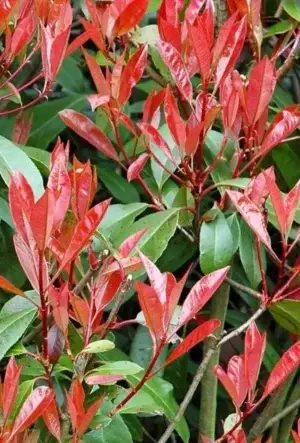
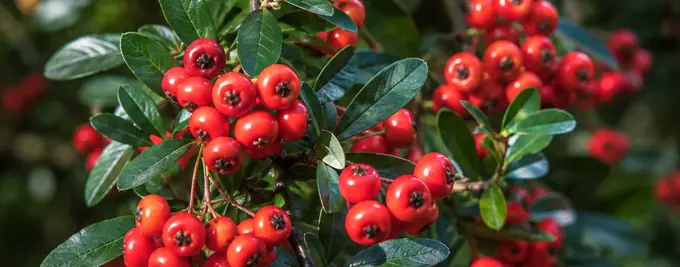
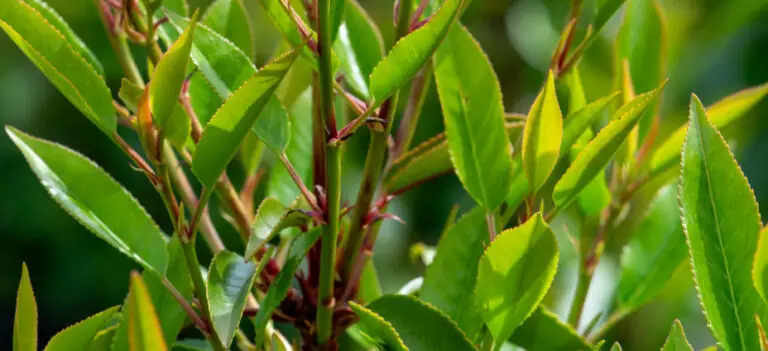
Yew hedging forms a dense, long-lived evergreen screen and responds well to clipping, while Photinia Red Robin adds bright red new growth. Griselinia is another useful evergreen option for suitable milder or coastal gardens.

For the widest choice of year-round screening plants, compare our evergreen hedge plants.

Fast-Growing and Seasonal Privacy Options

If faster coverage is the priority, compare vigorous species such as Cherry Laurel, Common Privet and Leylandii. Growth rate should not be considered on its own: a fast-growing hedge needs enough space and regular trimming to keep its height and width under control.

Privet hedging is vigorous and clips well, while Leylandii hedging can provide very rapid evergreen coverage where there is enough room for regular maintenance.

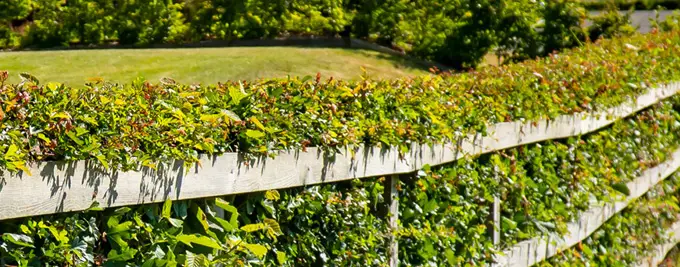
Beech and Hornbeam can also provide good seasonal screening and may retain dry foliage through winter when regularly clipped. Hornbeam is particularly useful on heavier soils, while Beech generally prefers freer-draining ground.

Choose the Starting Size and Root Type You Need

Starting size can make as much difference to initial privacy as annual growth rate. If you need meaningful coverage quickly, begin with larger plants or established hedge sections rather than relying only on future growth.

Pot-grown hedge plants are available in a broad range of sizes and can normally be planted throughout the year when reliable watering is available. Bare root hedging can be a cost-effective choice for longer boundaries during the dormant season, while root-balled hedging gives more initial size and structure.

For the greatest immediate coverage, instant hedging is supplied as established sections and provides substantially more screening from planting day.

Planning and Planting a Privacy Hedge

Measure the full planting length and decide the maintained height and width before ordering. Check the plants-per-metre recommendation for the exact size and root type you are buying rather than relying on one spacing figure for every species.

  • Decide whether winter screening is essential.
  • Check the available width and access for trimming.
  • Consider sun, shade, exposure, soil type and drainage.
  • Plan how the hedge will be watered while establishing.
  • Consider whether rabbits, deer or livestock are present.

For a fuller comparison, read our guide to the best hedges for privacy in UK gardens.

Establishment and Aftercare

Prepare the planting line by removing turf, thick grass and perennial weeds, then loosen compacted soil. Apply Rootgrow mycorrhizal fungi at planting according to the product instructions so it comes into direct contact with the roots.

New privacy hedges need thorough and consistent watering while establishing. On longer runs, a hedge irrigation system can make watering more consistent. Where browsing animals are a problem, suitable plant protection may be needed. Once the hedge is planted and beginning to establish, Hedge Feed can be applied according to the product instructions.

Buy Privacy Hedge Plants Direct from Our Nursery

Buy privacy hedge plants directly from our family-run nursery for garden boundaries, landscaping schemes and larger trade or commercial planting projects. Use the products above to compare current sizes, root types, prices and availability, or contact our nursery team if you need help choosing a suitable species or calculating quantities.