Slow Growing Hedge Plants
Fewer trims · Evergreen structure · Family nursery since 1982

Slow Growing Hedge Plants

Slow growing hedge plants put on roughly 10–20cm a year once established, so they stay neat with one trim a year and keep to the height and width you want. Choose from English Yew, Holly, Box, compact Euonymus, Osmanthus and Compact Laurel, in sizes from small pot-grown plants for edging to larger root-balled plants for instant structure.

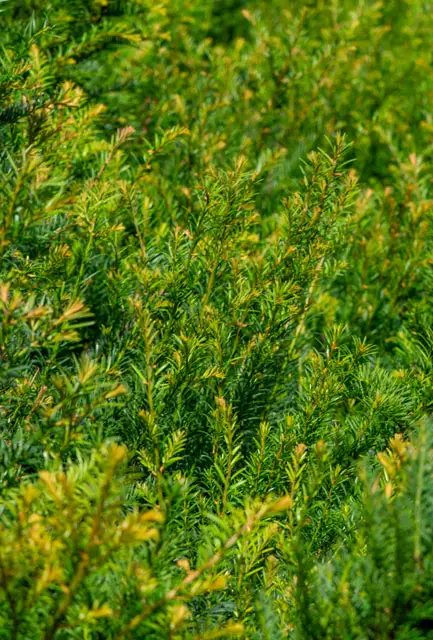
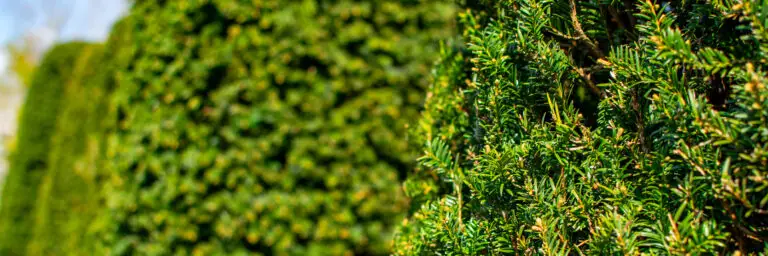
  • SALEEnglish Yew hedging plantsEnglish Yew HedgeTaxus baccataFor a formal hedge of 1–3m. Clips to the crispest finish of any hedge, grows in sun or deep shade and can be cut back hard.EvergreenMedium 20-40cm per yearBare RootRoot BalledPot GrownInstant HedgingPrice From £3.75Shop now
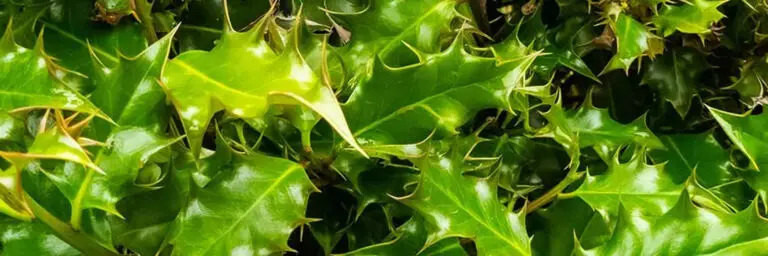
  • SALEEnglish Holly hedging plantsEnglish Holly HedgeIlex aquifoliumFor a native, prickly boundary. Dense evergreen cover that deters intruders and feeds wildlife, with berries on pollinated female plants.EvergreenSlow 10-20cm per yearRoot BalledPot GrownInstant HedgingPrice From £3.50Shop now
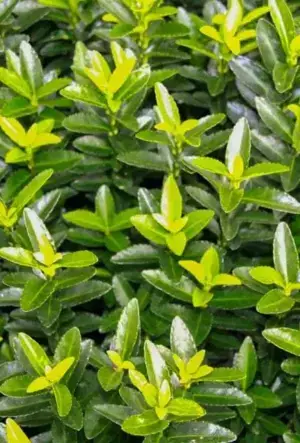
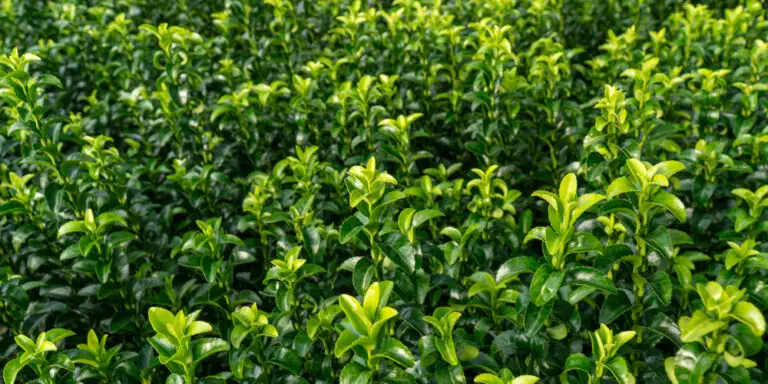
  • SALEEuonymus Green Spire hedging plantsEuonymus Green Spire Hedge PlantsEuonymus japonicus 'Green Spire'For low formal edging (30cm–1m). Our closest match to Box: small dark leaves, narrow upright growth and not affected by box blight.Box AlternativeSlow 10-20cm per yearRoot BalledPot GrownInstant HedgingPrice From £6.95Shop now
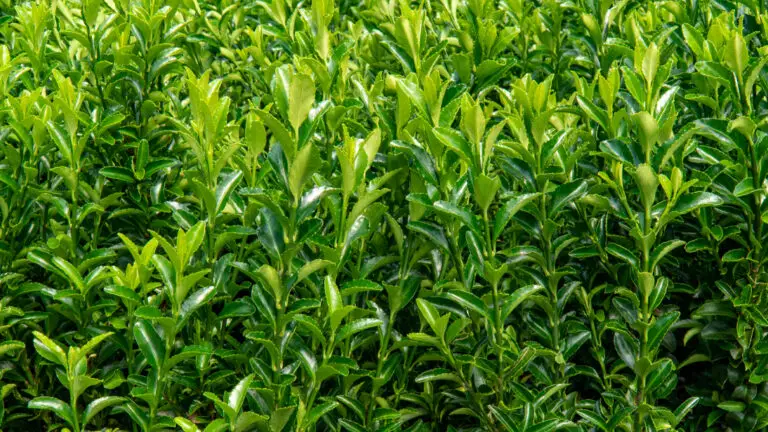
  • SALEEuonymus Jean Hugues hedging plantsEuonymus Jean Hugues HedgeEuonymus japonicus 'Jean Hugues'Euonymus japonicus 'Jean Hugues' is a dense, compact evergreen with glossy dark green foliage, ideal for low formal hedges, borders and Box-style planting where a fuller, bushier finish…Box AlternativeSlow 10-20cm per yearRoot BalledPot GrownInstant HedgingPrice From £6.95Shop now
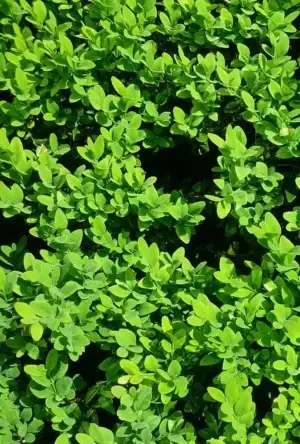
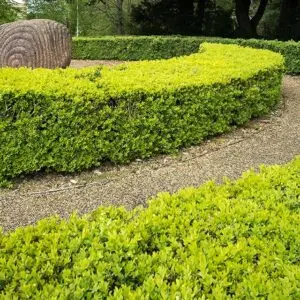
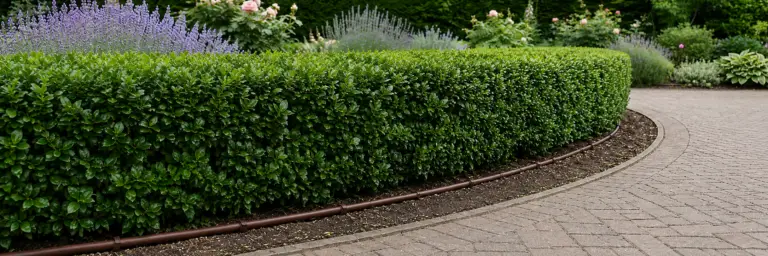
  • SALEBox hedging plantsBox Hedge(Buxus Sempervirens)Box hedge is a dense, slow growing species, it has small glossy green leaves and a compact growing habit, which makes it ideal for formal hedges and topiary.EvergreenSlow 10-20cm per yearBare RootRoot BalledPot GrownPrice From £2.40Shop now
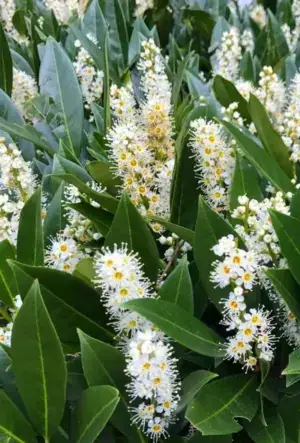
  • Osmanthus burkwoodii hedging plantOsmanthus HedgeOsmanthus × burkwoodiiFor a scented, informal hedge. Small glossy evergreen leaves and fragrant white flowers in spring, with very little trimming needed.Box AlternativeSlow 10-20cm per yearPot GrownPrice From £15.95Shop now
  • SALECompact Laurel hedging plantsCompact Laurel HedgePrunus laur. 'Otto Luyken'Compact Laurel is a dense, evergreen hedge with glossy dark green pointed foliage and an abundance of scented white flowers in the spring followed by black berries in…EvergreenSlow 10-20cm per yearPot GrownPrice From £18.95Shop now
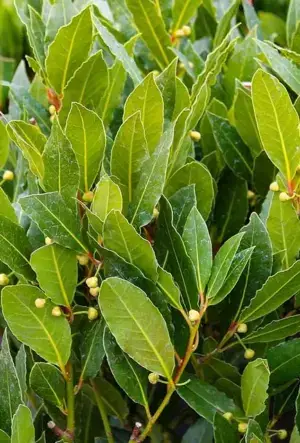
  • Sweet Bay Laurel hedging plantsSweet Bay Laurel HedgeLaurus nobilisSweet Bay Laurel is a dense, evergreen hedging plant with pale yellow flowers in the spring and aromatic dark green leaves which are perfect for cooking.EvergreenSlow 10-20cm per yearPot GrownPrice From £14.95Shop now

Slow growing or fast growing hedge?

The right choice depends on how soon you need cover and how much trimming you want to do afterwards.
CompareSlow growing hedgesFast growing hedges
Typical growthAbout 10–20cm a yearAbout 40–60cm or more a year
TrimmingUsually once a yearTwo or three times a year
Time to screenSeveral years from small plants; buy larger for sooner coverOften 2–3 seasons from small plants
Size controlEasy to keep low and narrowNeeds regular cutting to stay in bounds
Best forFormal hedges, edging, small gardensTall privacy quickly, long boundaries
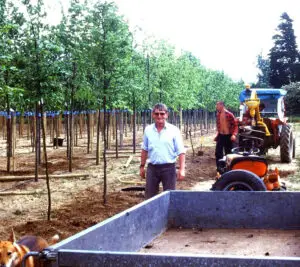
Gwynne Bodsworth, founder and grower at Hedging Plants Direct
Expert nursery advice

Gwynne's Grower's Tip

With a slow growing hedge, the size you plant is roughly the size you will have for the next couple of years, so buy the height you actually need. For a low edge, small pot-grown plants are fine. For a hedge you want to look established soon, spend the money on larger plants, ideally root-balled Yew or Holly in autumn and winter when they are best value.

The payoff comes later. A slow hedge needs far less cutting, stays the shape you set, and lasts for generations, which is why so many of the best formal hedges in the country are Yew.

Shop English Yew hedging →
Helpful answers

Slow growing hedge FAQs

01What is the best slow growing evergreen hedge?

For most gardens, English Yew. It stays dark green all year, clips into a very neat formal shape, grows in sun or shade and lives for centuries. For low edging under 1m, Euonymus Green Spire is the easiest Box-style choice, and English Holly is best where you also want a prickly, wildlife-friendly boundary.

02How tall do slow growing hedges get?

Most can be kept at whatever height you choose. Box and compact Euonymus are usually kept below about 1.2m, Holly, Osmanthus and Compact Laurel suit hedges up to around 2–3m, and Yew can be grown anywhere from a low edge to a tall screen. Each product page lists its typical height and growth rate.

03Are slow growing hedges lower maintenance?

Yes. Most need only one trim a year once established, usually in late summer, compared with two or three for fast hedges such as Leylandii or Privet. They are slower to fill in at first, so good preparation, watering and starting with healthy plants matters more.

Helpful next steps

Growing Advice for Slow Growing Hedge Plants

Browse all Q&A

Benefits and features of Slow Growing Hedge Plants

Slow growing hedging plants have many features and benefits for your garden including;

  • Lower maintenance: Slower growth means fewer trims, making them ideal low maintenance hedge plants for busy gardens.
  • Perfect for borders: Great as small hedge plants and small hedges for borders to define paths, lawns, and beds.
  • Neat, formal finishes: Box and Yew clip cleanly to create crisp shapes and tidy low hedges.
  • Evergreen structure: Enjoy year-round form with low growing evergreen shrubs UK favourites like Euonymus, Osmanthus, Holly, and Yew.
  • Better size control: Ideal if you want low hedge plants UK gardens can keep compact without constant cutting back.
  • Great for smaller spaces: Suits courtyards and front gardens where small hedging plants provide structure without taking over.
  • Reliable long-term performance: Slow growers establish into dense, lasting hedges that improve with age, especially Yew and Holly.