
When Should a Box Hedge Be Trimmed?
Box responds well to clipping, but the age of the hedge and the weather conditions both matter. Choosing the right time helps maintain dense, even growth while reducing the risk of scorch, soft regrowth and disease.
Quick Answer
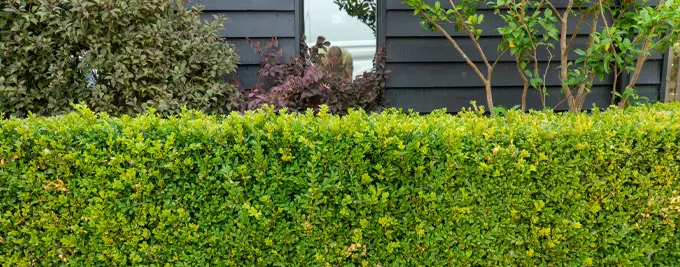
An established Box hedge is usually best given its main trim in August, once the spring growth has matured and firmed up. Young Box plants can be shortened by up to about one-third in May to encourage dense, bushy growth. Choose a dry, overcast day, use sharp, clean shears and avoid cutting wet foliage or drought-stressed plants. Always check carefully for active bird nests before starting.
Quick Facts
| Established Box hedge | Main trim during August |
|---|---|
| Young Box hedge | Formative trimming during May |
| Typical frequency | One main trim each year |
| Best weather | Dry, mild and overcast |
| Avoid trimming | During rain, frost, intense sun or severe drought |
| Before cutting | Check thoroughly for active bird nests |
| Recommended tools | Sharp, clean hand shears or hedge shears |
Why is August a good time to trim an established Box hedge?
August is usually the preferred time for the main annual trim of an established Box hedge, or Buxus sempervirens. By this point, the main flush of spring growth has normally matured and the hedge can be shaped without immediately producing large amounts of soft new growth.
Soft shoots produced after an early or heavy trim can be more vulnerable to drying winds, strong sunlight, cold weather and Box blight. Waiting until later in the summer also allows the hedge to retain a neat outline through much of autumn and winter.
The month should be treated as a practical guide rather than a fixed deadline. If August is exceptionally hot, dry or wet, wait for a suitable spell of mild, dry weather.
Does a young Box hedge need trimming at a different time?
Young and established Box hedges are trimmed for slightly different reasons.
Formative trimming for young Box plants
During the early years, the aim is to encourage branching and develop dense growth from the base of the hedge. Young, established plants can usually have their new stems shortened by up to about one-third in May.
This formative trim encourages the remaining shoots to branch rather than allowing the plants to become tall, narrow or open at the base.
Do not automatically prune Box immediately after planting. Allow newly planted hedging time to settle, particularly if it has recently been transplanted as bare root or root-balled stock. Remove only damaged or broken growth until the plants are established and actively growing.
Maintenance trimming for established Box hedges
Once the hedge has reached approximately the required height and width, routine trimming is mainly about retaining its outline.
For most established Box hedges, one careful trim during August is sufficient. A very formal hedge may occasionally need a small touch-up earlier in summer, but repeated heavy cutting is unnecessary and creates more cut surfaces through which disease may enter.
What weather is best for trimming Box?
Trim Box when the foliage is completely dry and the weather is mild. A dry, dull or lightly overcast day is preferable to bright sunshine.
Avoid trimming:
- During rain or while the leaves remain wet
- Immediately before heavy rain
- During frost or when frost is forecast
- In intense midday sunlight
- While the hedge is badly affected by drought
- During very hot or drying winds
Freshly exposed foliage can scorch in strong sunlight, particularly where the outer layer of leaves has been removed from a tightly clipped hedge.
Wet conditions are also important because Box blight spores spread more readily through moisture and contaminated clippings. If rain has recently fallen, allow the hedge to dry thoroughly before beginning.
Should Box hedges be checked for nesting birds?
Always inspect the full hedge before using shears or a hedge trimmer. Look through the outer foliage and into the centre, where a nest may be hidden from view.
Wild birds, their eggs and nests are protected while a nest is being built or used. If an active nest is found, postpone the work until the young birds have fledged and the nest is no longer in use.
Birds commonly nest during spring and summer, which overlaps with the normal Box trimming season. The presence of an active nest matters more than simply following a particular calendar date.
How often should a Box hedge be trimmed?
One main trim each year is normally enough for a healthy, established Box hedge. Slow annual growth and naturally compact foliage mean it does not usually require the frequent cutting associated with faster-growing species such as Privet or Lonicera.
An exceptionally formal hedge may receive a light additional touch-up, but continually shaving off small amounts of foliage can leave the plant with numerous fresh cuts and a very dense outer shell.
Slightly looser growth allows more air to circulate through the hedge. This is particularly useful where Box blight has previously been a concern.
How should an established Box hedge be trimmed?
Prepare the hedge and equipment before making the first cut.
- Inspect the plants. Check for active bird nests, Box tree caterpillar webbing, blackened stems, fallen leaves and patches of dieback.
- Clean and sharpen the shears. Blunt tools crush stems and leaves rather than making a clean cut. Disinfect tools before moving between separate Box hedges.
- Mark the required height. A string line can help maintain an even top along a long formal hedge.
- Trim the sides gradually. Remove small amounts at a time rather than making one deep cut.
- Keep the base slightly wider. A gentle taper allows light to reach the lower foliage and helps the hedge remain dense near ground level.
- Trim the top last. Check the shape regularly from a distance to avoid taking too much from one area.
- Remove all clippings. Clear cut material from the top, centre and base of the hedge. Damp clippings trapped inside the foliage can restrict airflow and contribute to unhealthy conditions.
For broader cutting techniques, see our guide to how and when to trim a hedge.
When should a Box hedge not be trimmed?
Postpone routine trimming if the hedge is wet, badly drought-stressed or showing unexplained browning and leaf loss.
Black streaks on stems, rapid leaf fall and distinct areas of dieback may indicate Box blight. Webbing, chewed leaves and green caterpillars suggest Box tree caterpillar activity.
Cutting through an affected hedge without cleaning the tools can move contaminated material into healthy areas. Identify the problem before carrying out routine shaping and follow the appropriate hygiene measures.
Our guide to Box hedge problems, pests and diseases explains the symptoms to check before trimming.
Is hard pruning carried out at the same time?
Hard renovation is different from routine hedge trimming. It involves cutting into older wood to reduce the height, width or overall size of an overgrown Box hedge.
Where substantial renovation is required, spring is generally more suitable than August because the plant has a full growing season in which to produce replacement growth.
Avoid heavily renovating a hedge that is newly planted, severely drought-stressed or suffering from an unidentified pest or disease. Correct those underlying problems before removing a large amount of growth.
Gwynne's Grower's Tip
I would rather give an established Box hedge one clean, well-timed trim than keep shaving small amounts from it every few weeks. Let the spring growth firm up, then choose a dry, dull day in August. Before starting, open the foliage with your hands and inspect the centre for bird nests, caterpillar webbing and suspicious blackened shoots. If the hedge is wet or showing unexplained dieback, stop and identify the problem first. Clean your shears between separate areas and remove every clipping from the top and inside of the hedge.
More Box Advice
For more detailed growing advice or to view the plants available from our nursery, use the links below.
Related Products
Products from our nursery that are relevant to this advice.

Useful Planting Essentials
Selected products that may help with planting, establishment and ongoing hedge care.
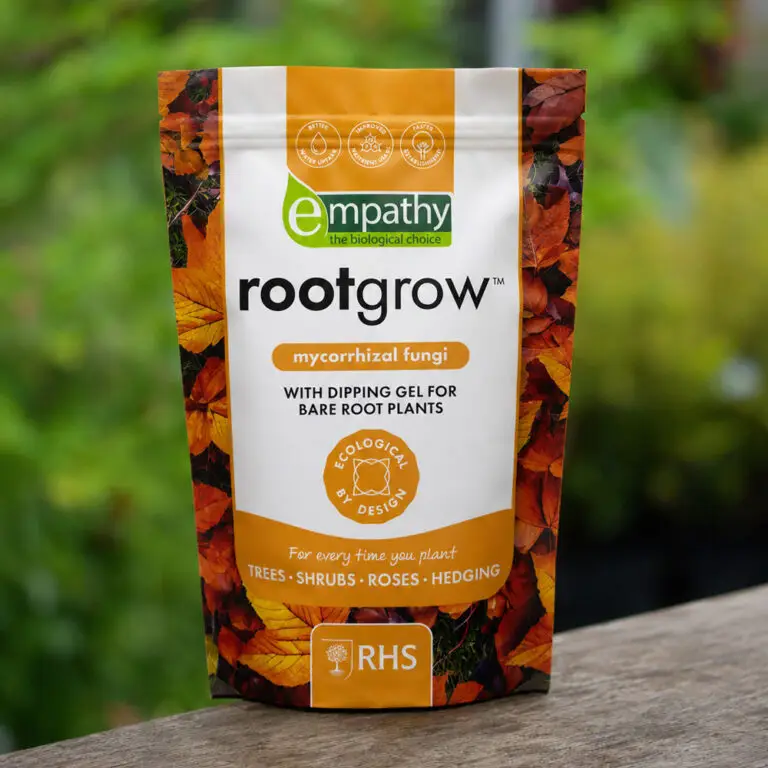
Rootgrow Mycorrhizal Fungi
Rootgrow can be applied at planting so the product is in direct contact with the roots, where appropriate for the plant and planting method.
View product
Hedge Feed
Hedge Feed provides balanced nutrition where established hedging would benefit from feeding as part of normal care.
View product
Hedge Irrigation
A hedge irrigation system can make it easier to water a new hedge consistently, particularly on longer runs and during dry weather.
View product
Hedge Compost & Mulch
Compost and mulch can support soil preparation, moisture retention and weed suppression when used appropriately around new hedging.
View product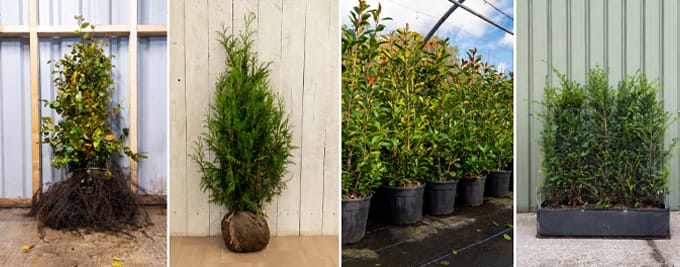
What Are the Different Hedging Root Types?
Bare root, root ball, pot-grown and instant hedging suit different budgets, planting times and levels of initial coverage. Understanding how each is…
Read answer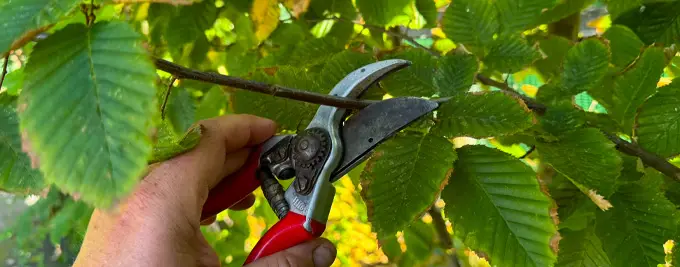
When Should I Prune a Hornbeam Hedge?
Hornbeam responds well to regular clipping, but routine trimming, formative pruning and major renovation are best carried out at different times. Choosing…
Read answer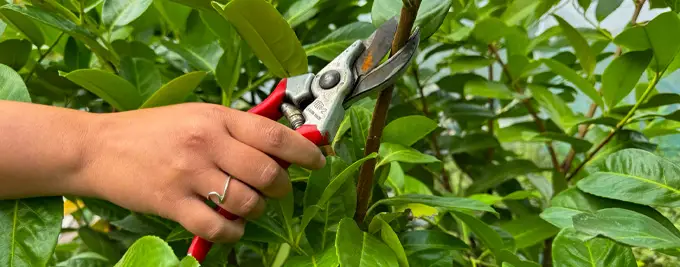
When Should I Prune a Laurel Hedge?
Laurel hedges are forgiving plants, but choosing the right time to prune helps them recover cleanly and keeps the hedge dense and…
Read answer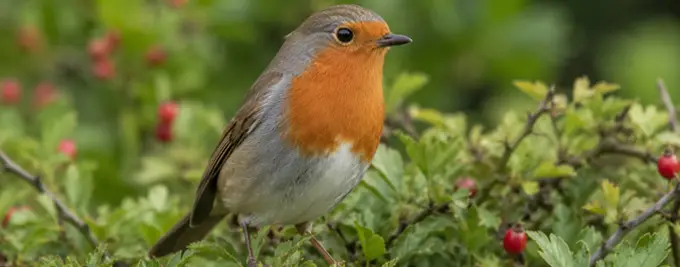
When Should Hedges Be Cut to Avoid Nesting Birds?
Hedges provide valuable nesting cover for many British garden birds. Planning routine trimming around the breeding season reduces the risk of damaging…
Read answer
How Do I Make a Beech Hedge Thicker?
A thin Beech hedge is often caused by weak formative pruning, shade at the base, dry roots, weed competition or gaps between…
Read answer