
How Do I Make a Beech Hedge Thicker?
A thin Beech hedge is often caused by weak formative pruning, shade at the base, dry roots, weed competition or gaps between plants. The right correction depends on whether the hedge is young, established, top-heavy or missing individual plants.
Quick Answer
To make a Beech hedge thicker, encourage side branching instead of allowing it to gain height unchecked. Shorten sparse leaders and long side shoots by up to one third while the plants are dormant, then trim an established hedge in August. Keep the base slightly wider than the top so light reaches the lower branches. Maintain a clear, mulched root zone, water deeply during dry periods and apply a balanced spring feed only if the soil is poor or growth remains weak.
Quick Facts
| Main annual trim | August |
|---|---|
| Sparse young plants | Shorten the leader and long side shoots by up to one third while dormant |
| Best hedge shape | Slightly wider at the base than at the top |
| Watering priority | Water thoroughly during the first two growing seasons and prolonged dry periods |
| Feeding | Use a balanced spring feed only where soil is poor or growth is weak |
| Typical fill-out time | Plants may begin joining after two to three growing seasons and become substantially denser over four to six years |
Why is my Beech hedge thin?
A Beech hedge may be thin because it has been allowed to grow upwards without enough formative trimming. Removing the growing tips from sparse shoots encourages the plants to produce more side branches, which gradually creates a denser framework.
The shape of the hedge also matters. A hedge that is wider at the top can shade its lower branches, eventually producing bare or open growth near the ground. Deep shade from buildings or mature trees, dry roots, waterlogged soil, grass and weed competition can cause similar problems.
| Where the hedge is thin | Likely causes | First action |
| Mostly at the bottom | Top-heavy shape, shade or weak formative pruning | Taper the sides so the base is wider and use staged pruning |
| Thin along the whole hedge | Young plants, dry roots, weeds or poor establishment | Check soil moisture, clear competing growth and mulch |
| Thin on one side | A wall, fence, building or tree is blocking light | Improve light where possible and avoid over-cutting the shaded side |
| One isolated gap | A missing, dead or severely weakened plant | Inspect drainage and roots before deciding whether to replace it |
| Sudden dieback in one section | Drought, waterlogging, root damage or disease | Identify the cause before feeding or replanting |
Prune a young Beech hedge to encourage branching
Where young Beech plants are tall but sparsely branched, shorten the leading shoot and the longest side shoots by up to one third during winter or shortly after dormant planting. This sacrifices a small amount of immediate height but encourages buds lower down the stems to produce additional shoots.
Well-branched plants do not need to be cut back automatically. Inspect each plant and concentrate on the long, dominant shoots that are pulling ahead of the rest of the hedge.
This formative pruning can be repeated during the second winter where necessary. Begin establishing the required width and shape while the plants are young, but avoid repeatedly cutting the top at its final height before the hedge has nearly reached that level.
Trim an established Beech hedge in August
An established Green, Purple or mixed Beech hedge normally needs one main trim in August. Cut the current season’s extension back to the established outline rather than allowing the hedge to become slightly wider every year.
Removing the growing tips encourages further branching and maintains a connected network of shoots. An August trim also gives the newest leaves time to mature, helping the hedge retain more of its copper-brown foliage after autumn.
Always check carefully for active bird nests before cutting. Nesting can occur outside simple calendar dates, so the hedge should be inspected each time rather than relying only on the month.
For complete seasonal pruning and maintenance information, see the Beech Hedging Care Guide.
Keep the base wider than the top
Shape the hedge so the bottom is slightly wider than the upper section. This tapered profile allows more daylight to reach the lower leaves and shoots, reducing the risk of the base becoming bare.
This is particularly important for a tall hedge or one growing beside a wall or fence. If the top has already become much wider than the bottom, correct the shape gradually rather than removing a large amount from both sides in one operation.
Use a string line or guide to maintain a straight outline, but judge the taper from the end of the hedge as well as from the front. The difference does not need to be dramatic. It only needs to prevent the upper growth from overhanging and shading the base.
Improve the root conditions before adding fertiliser
Pruning will not produce strong new growth if the hedge is struggling for water or competing with grass and weeds.
Keep a clear strip around the base of the hedge and apply an organic mulch in late winter or spring. Mulch helps retain moisture, improves the soil gradually and reduces competition, but it should not be piled directly against the stems.
New Beech hedging should be watered thoroughly during its first two growing seasons whenever the root zone begins to dry. Check beneath the mulch rather than judging moisture from the soil surface. Continue checking during prolonged dry periods in the second summer, particularly on sandy soil or exposed sites.
A correctly positioned hedge irrigation system can make watering a long hedge more consistent. Inspect several points along the line because a blocked pipe or poorly positioned outlet can leave individual plants dry.
Should I feed a thin Beech hedge?
Beech usually needs little fertiliser in reasonably fertile soil. Correct watering, drainage, weed control, light and pruning are generally more important.
Where the soil is poor or spring growth remains weak, apply a balanced Hedge Feed according to the product instructions. Apply it over moist soil around the root zone and avoid placing concentrated feed against the stems.
Do not assume that extra fertiliser will correct drought, waterlogging, deep shade or root disease. Feeding a badly drought-stressed or waterlogged hedge can add further stress without correcting the underlying problem.
How can I close a gap in a Beech hedge?
First establish whether the gap is simply between healthy plants or whether an individual plant has died.
A small gap between living plants can often be reduced by encouraging side growth from the neighbouring stems. Avoid repeatedly cutting those shoots back to the same narrow outline. Allow selected side shoots to extend into the opening, then lightly shorten their tips to encourage branching within the gap.
Where a plant has died or the gap is too large for neighbouring branches to cover, replacing the missing plant is usually more reliable. Before replanting, inspect the soil for standing water, severe dryness, damaged roots or signs that the original plant failed for a local reason.
Choose a replacement from the same type of Beech hedging and give it separate watering attention while its roots establish. Do not assume that a very large replacement will establish more quickly than a healthy, moderately sized plant.
Can an old Beech hedge be made thicker?
An established Beech hedge can usually respond well to renovation, but major reductions should be carried out while the hedge is dormant, normally in February and away from severe frost.
Where the hedge needs to be reduced by half or more, renovate it over two seasons. Cut one side and the top during the first winter, allow the hedge to produce new growth, and reduce the other side in a later winter. Delaying the second stage is sensible if recovery is weak.
This staged approach is more suitable for an old, overgrown hedge than trying to reduce the top and both sides heavily in one operation.
How long does a Beech hedge take to become thick?
A correctly spaced young Beech hedge may begin to join after two or three growing seasons. A substantially fuller hedge commonly develops over approximately four to six years, although this varies with the starting plant size, spacing, soil, light, watering, exposure and pruning.
The first growing season can be relatively slow because the plants are establishing roots. Visible branching should begin following suitable formative pruning, but a large gap or bare lower section may take several growing seasons to fill properly.
When is thinning a sign of a more serious problem?
Investigate further if one section suddenly loses leaves, stems die back progressively or the surrounding soil remains permanently wet.
Yellowing, stalled growth and sparse foliage can result from both drought and excess water, so check the soil below the surface before feeding. Root disease, physical damage and severe competition from nearby trees can produce similar symptoms.
Where several established plants are dying together, obtain a reliable diagnosis before removing the entire section or planting replacements. Correcting the cause is more important than immediately adding fertiliser or new plants.
Gwynne's Grower's Tip
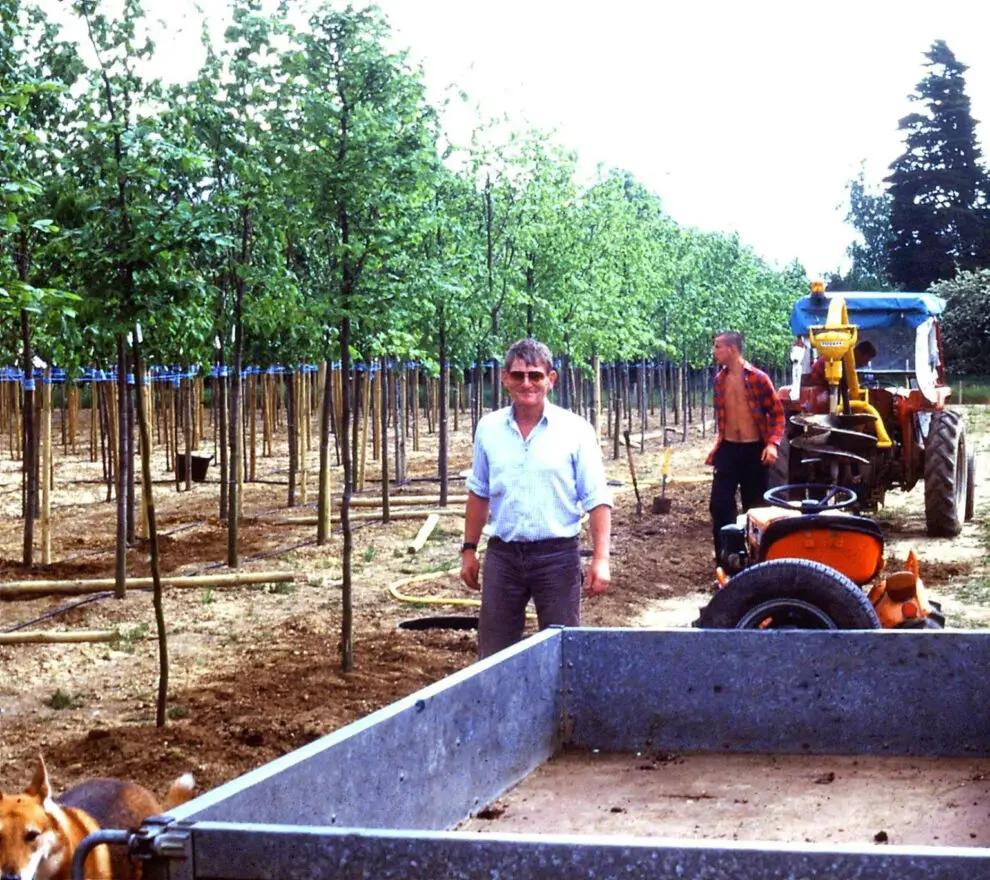
With a young Beech hedge, it is tempting to preserve every centimetre of height. In practice, a sparse plant often makes a better hedge when the longest leader and side shoots are shortened so it branches lower down. Look at the hedge from ground level as well as straight on. If the upper growth is shading the base, bring it back to a gentle taper. Then keep the planting strip clear, mulch the soil and water deeply in dry weather. I would only add feed after checking that the roots are neither dry nor sitting in wet ground.
More Beech Advice
For more detailed growing advice or to view the plants available from our nursery, use the links below.
Related Products
Products from our nursery that are relevant to this advice.


Useful Planting Essentials
Selected products that may help with planting, establishment and ongoing hedge care.

Rootgrow Mycorrhizal Fungi
Rootgrow can be applied at planting so the product is in direct contact with the roots, where appropriate for the plant and planting method.
View product
Hedge Feed
Hedge Feed provides balanced nutrition where established hedging would benefit from feeding as part of normal care.
View product
Hedge Irrigation
A hedge irrigation system can make it easier to water a new hedge consistently, particularly on longer runs and during dry weather.
View product
Hedge Compost & Mulch
Compost and mulch can support soil preparation, moisture retention and weed suppression when used appropriately around new hedging.
View product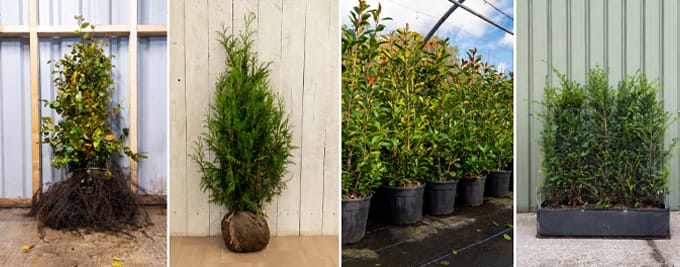
What Are the Different Hedging Root Types?
Bare root, root ball, pot-grown and instant hedging suit different budgets, planting times and levels of initial coverage. Understanding how each is…
Read answer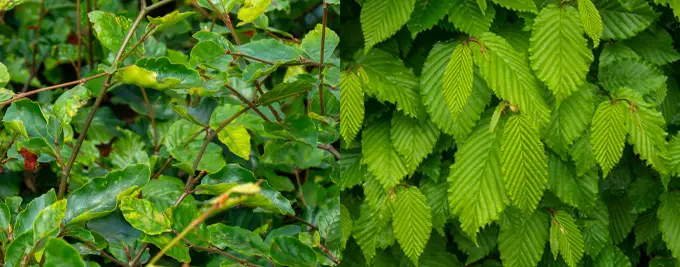
Beech or Hornbeam: Which Hedge Is Better?
Beech and Hornbeam create similarly dense, traditional-looking hedges, but they perform best in different conditions. The right choice depends mainly on your…
Read answer
Is Beech Evergreen? What Does a Beech Hedge Look Like in Winter?
Beech hedging changes noticeably with the seasons, developing fresh green or purple foliage in spring and warm copper-brown tones during autumn. Its…
Read answer
When Does a Beech Hedge Turn Green?
Beech hedges spend winter covered in copper-brown foliage, so the appearance of fresh leaves is one of their clearest seasonal changes. The…
Read answer
When Should I Prune a Hornbeam Hedge?
Hornbeam responds well to regular clipping, but routine trimming, formative pruning and major renovation are best carried out at different times. Choosing…
Read answer
When Should I Prune a Laurel Hedge?
Laurel hedges are forgiving plants, but choosing the right time to prune helps them recover cleanly and keeps the hedge dense and…
Read answer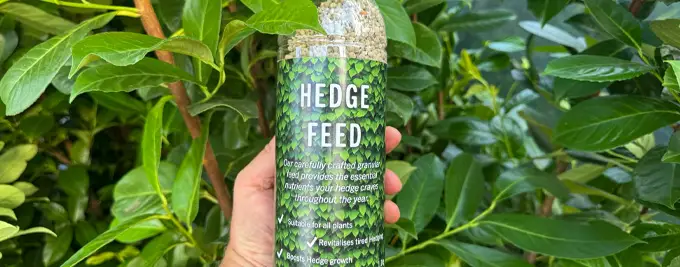
What Should I Feed a Laurel Hedge?
Laurel hedging is generally easy to maintain, but the right feed can help young, weak or recently pruned plants make healthy new…
Read answer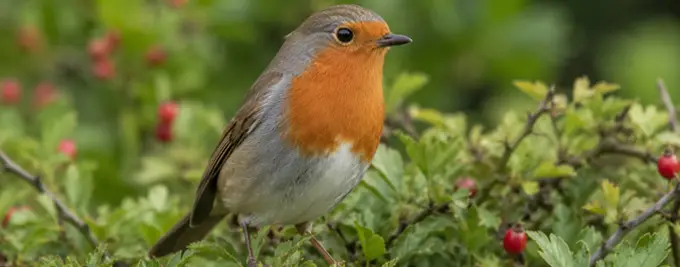
When Should Hedges Be Cut to Avoid Nesting Birds?
Hedges provide valuable nesting cover for many British garden birds. Planning routine trimming around the breeding season reduces the risk of damaging…
Read answer