
Hedging care & growing guide
Beech Hedging Care Guide: Planting, Spacing and Pruning
Beech hedging grows best in moist but well-drained soil, in sun or partial shade, with thorough watering during its first two growing seasons and one main trim in August once established. It is deciduous rather than evergreen, but a regularly clipped hedge normally retains much of its dry copper-brown foliage through winter. This guide explains how to choose, plant, space, water, feed, prune and troubleshoot the plants in our Beech hedging range.
Expert nursery advice
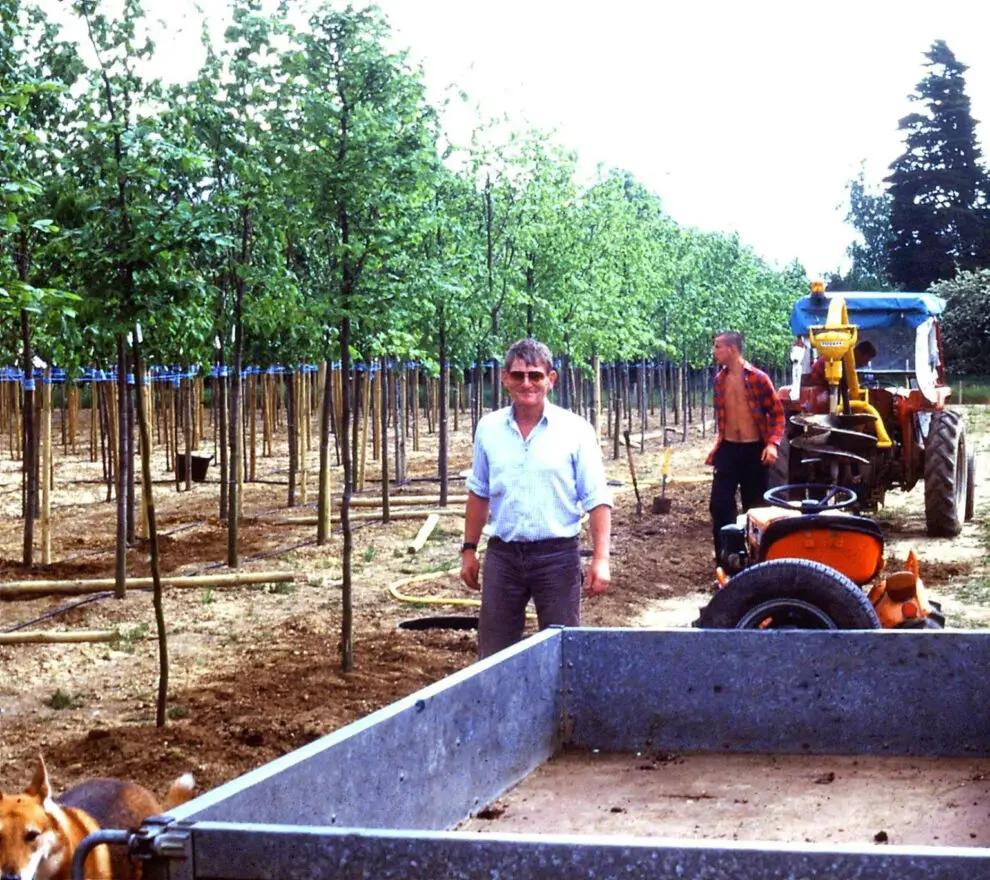
Gwynne's Grower's Tip
“Beech makes a particularly attractive formal hedge because it changes with the seasons while still holding much of its dry foliage through winter. The important point is to give it free-draining soil, water it properly while it establishes and trim it at the right time if you want dense growth and good winter leaf retention.”
From our nursery
Visit our Beech hedges

Green Beech Hedge
Green Beech is the traditional choice for customers who want a neat, long-lived hedge with fresh green summer foliage and warm copper colour through autumn and winter. It clips very well, but it does not like permanently wet ground. On heavy or poorly drained sites, I would first consider whether Hornbeam is the safer choice.

Purple or Copper Beech Hedge
Purple Beech gives the same formal structure as Green Beech but with much deeper foliage colour. I prefer it in a sunny position, where the leaves develop their strongest purple and copper tones. It works especially well as a feature hedge or as a contrast against green planting.

Green and Purple Beech Hedging Mix
The mixed pack is a good option when customers want more colour than a plain Green Beech hedge without making the whole boundary dark purple. The 75% green and 25% purple balance gives a natural contrast. Spread the Purple Beech evenly along the line rather than grouping it all at one end.
Not sure which Beech hedge to choose?
Compare the available plants, formats and starting sizes in the complete range.
Explore our complete Beech hedging rangeBeech hedge quick-care summary
| Botanical name | Fagus sylvatica |
|---|---|
| Plant type | Deciduous hedging tree |
| Evergreen or deciduous | Deciduous, often retaining copper-brown leaves through winter when clipped as a hedge |
| Typical growth rate | 30–60cm per year |
| Preferred position | Full sun or partial shade |
| Soil | Most well-drained soils, including clay, loam, sand and chalk; avoid waterlogged ground |
| Watering | Water regularly while establishing and during prolonged dry periods |
| Pruning period | Once in late summer, usually August |
| Feeding | Apply a general-purpose fertiliser in spring if needed; mulch annually |
| Hardiness | Fully hardy – RHS H6 |
| Typical hedge height | 1.5–5m |
| Planting season | Pot grown: year-round. Bare root/rootballed: November–March |
| Root types commonly available | Bare root, pot grown and rootballed |
About Beech hedging
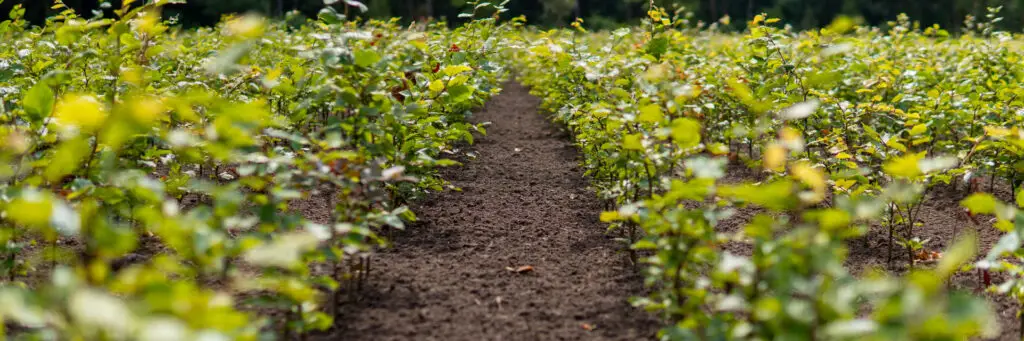
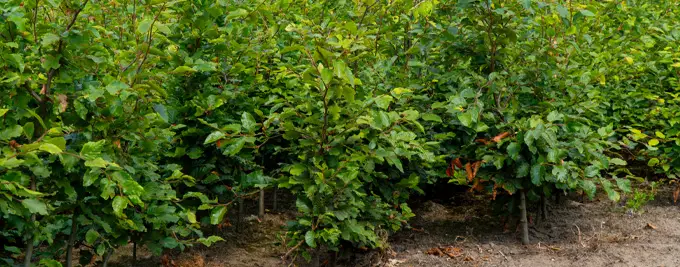
Common Beech, Fagus sylvatica, is a native British and European tree in the Fagaceae family. Left unpruned, it can become a very large tree, but regular clipping keeps juvenile shoots low and dense. This juvenile growth retains dead leaves during winter, a process known as marcescence, which gives Beech hedges more winter screening than many other deciduous species.
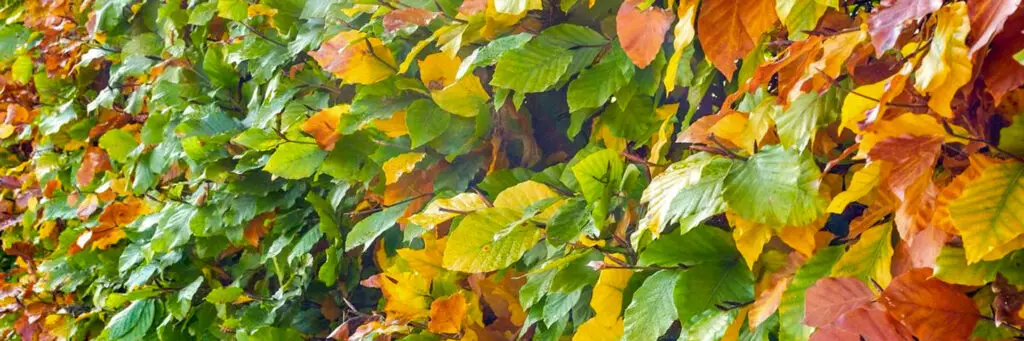
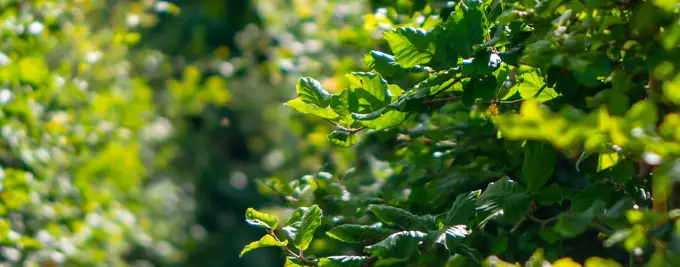
Beech has smooth grey bark and oval leaves with a gently wavy edge. New Green Beech foliage opens bright green, darkens in summer and turns yellow, orange and copper in autumn. Purple or Copper Beech develops deep red-purple to dark copper foliage, with the strongest colour in good sunlight. The Green and Purple Beech Hedging Mix combines 75% Green Beech and 25% Purple Beech for a patterned hedge.
Choosing the right Beech hedge
| Product | Appearance | Best uses | Important difference |
|---|---|---|---|
| Green Beech | Fresh green summer leaves turning copper-brown | Traditional formal hedges, privacy, boundaries and countryside-style gardens | Widest choice of sizes and the lowest-cost bare-root options |
| Purple or Copper Beech | Red-purple to deep copper summer foliage | Feature hedges, formal gardens and strong colour contrast | Needs good light for the richest colour and usually costs more per plant |
| Green and Purple Beech Mix | 75% green and 25% purple plants | Colourful formal hedges with a softer mixed effect | Sold as five-plant metre packs and currently supplied bare root |
Best Beech for privacy
Green and Purple Beech can both form dense privacy hedges. Green Beech is generally the most economical choice for a long boundary, while larger pot-grown or instant options give more immediate height. Remember that the hedge is deciduous and its winter screen consists mainly of retained dry foliage rather than living green leaves.Best Beech for formal hedging
All three products suit formal hedging. Green Beech gives the most traditional result, Purple Beech creates a bold darker boundary and the mixed pack produces an alternating colour effect. Clip the sides so the base remains slightly wider than the top, allowing light to reach lower branches.Best Beech for small gardens
Beech can be maintained at approximately 90cm or slightly lower with regular pruning, but it naturally wants to become a large tree. Leave enough width for a healthy base and access for trimming. It is not as naturally compact as Box, Euonymus Green Spire or other small hedging plants.Beech for shade
Green Beech tolerates partial shade and light shade. Deep shade beneath buildings or mature trees can produce sparse, one-sided growth and strong root competition. Purple Beech should receive more sun because its colour becomes greener and less distinctive in shade.Beech for exposed and coastal sites
Established Beech is hardy and can tolerate exposure, but young leaves and newly planted roots are vulnerable to drying wind, salt and late frost. Plant in the cooler season, establish irrigation and use temporary permeable shelter where necessary. In a severe coastal position, compare Beech with a more salt-tolerant hedge before ordering.Beech or Hornbeam on difficult soil?
Choose Beech on free-draining soil where winter leaf retention and smooth foliage are priorities. On heavy, wet clay, a frost pocket or a site prone to waterlogging, Hornbeam is often more dependable. Beech can grow on clay when its structure and drainage are good, but it does not tolerate roots sitting in saturated soil.When to plant Beech hedging
Bare-root Beech
Bare-root Green, Purple and mixed Beech is normally supplied from November into early spring while dormant. Plant promptly after delivery. Keep roots wrapped, cool and moist until they are in the ground, and do not leave bundles exposed to sun or wind.Pot-grown Beech
Pot-grown plants can be planted throughout the year when the ground is workable. Spring and summer planting creates a much greater watering commitment. Water each pot before planting and keep checking the original root ball, which can dry while surrounding soil still feels damp.Instant Beech hedging
Instant Beech is grown in metre-long troughs or established hedge units. It can provide immediate structure, but it still needs time to establish new roots in the site soil. Prepare the trench before delivery, arrange suitable handling and avoid planting during extreme heat or saturation.Where to plant Beech hedging
Light
Plant Green Beech in full sun or partial shade. Purple Beech colours most strongly in full sun but will grow in partial shade. Avoid deep shade if a dense, evenly coloured formal hedge is required.Soil and pH
Beech tolerates chalk, clay, loam and sandy soil across acid, neutral and alkaline pH ranges, provided water drains away and the soil does not dry severely. Beech grows in chalk, clay, loam and sandy soil where drainage is good and moisture remains reasonably consistent. It performs poorly in persistently waterlogged or severely dry ground. It prefers moisture-retentive but well-drained ground and performs poorly where drought or waterlogging is persistent.Frost pockets
Young spring leaves can be damaged by late frost. Avoid the lowest part of a garden where cold air collects, particularly where early morning sun rapidly thaws frozen foliage. If the site is repeatedly affected, Hornbeam may give a more reliable result.Walls, fences and boundaries
Set the centre line far enough back to allow the finished width and access for trimming. Beech roots are relatively shallow and a hedge planted directly beneath a wall overhang may stay dry. Check underground services, neighbouring access, highway visibility and any planning or conservation restrictions before planting or renovating a mature boundary.How to prepare the planting area
How to plant a Beech hedge
- Set out the plants at the correct density. Use the live product variation rather than one universal spacing.
- Dig a continuous trench or suitable individual holes. Make the cultivated area wider than the roots but no deeper than the root system.
- Check the planting depth. The root flare or previous soil mark should finish level with the surrounding ground.
- Prepare the roots. Spread bare roots naturally and gently loosen tightly circling pot roots.
- Position the plants upright. Keep the best-developed side facing the main viewing direction if this does not distort the stem.
- Backfill in stages. Work soil between roots and remove large air pockets.
- Firm carefully. Use your heel around each plant so it is stable without compacting the whole trench.
- Water thoroughly. Wet the root system and surrounding soil even when planting in winter.
- Apply mulch. Add a 5–7cm layer of Hedge Bio Mulch, leaving a clear gap around stems.
- Protect from browsing. Use suitable spiral rabbit guards, rabbit netting or broader plant protection where risk is known.
- Prune only where needed. Well-branched plants need little initial cutting; shorten sparse leaders and long side shoots by up to one third in winter to encourage branching.
Beech hedge spacing and plants per metre
| Product and size | Plants or units per metre | Approximate spacing |
|---|---|---|
| Green Beech bare root 30–50cm | 7 | About 14cm |
| Green Beech bare root 40–60cm | 6 | About 17cm |
| Green or Purple Beech bare root 60–90cm | 5 | 20cm |
| Green or Purple Beech bare root 90–120cm | 5 | 20cm |
| Green or Purple Beech bare root 120–150cm | 4 | 25cm |
| Green Beech bare root 150–200cm | 3 | About 33cm |
| Green Beech pot grown 40–90cm | 4 | 25cm |
| Green Beech pot grown 90–200cm | 3 | About 33cm |
| Purple Beech pot grown | Depends on the height of plants | Confirm the recommended density for the selected pot-grown size before ordering. |
| Green or Purple instant Beech | 1 metre-long unit | 100cm |
| Green and Purple Beech metre pack | 5 plants | Two rows 30cm apart, plants about 40cm apart along each row |
Single or double row?
A single row is suitable for most formal garden hedges. The Green and Purple metre pack is specifically designed for two staggered rows. A broader double row may also be chosen for a thick landscape boundary, but it uses more space and plants and should follow a clear planting plan rather than simply doubling a single-row figure.How to calculate plant quantity
Multiply the hedge length in metres by the stated plants-per-metre density. A 10m run using 60–90cm bare-root Beech at five per metre needs 50 plants. A 10m mixed Green and Purple hedge needs ten metre packs containing 50 plants. Ten instant units cover approximately 10m.Watering and establishment
Immediately after planting
Water slowly until the original roots and surrounding prepared soil are moist. Recheck the line and correct any plants that have sunk or leaned. Winter rain should not be assumed to have wetted a sheltered trench beneath a wall or dense tree canopy.First and second growing seasons
Check beneath the mulch at least weekly in dry weather. Continue watering through prolonged dry periods in the second summer. Grass and weeds are serious competitors, so maintain a clear strip rather than trying to compensate with more frequent irrigation.Sandy and clay soils
Sandy soil dries quickly and benefits from organic matter, mulch and smaller but more frequent checks. Clay stores water longer, so inspect before irrigating and stop if the trench remains saturated. Beech roots require both moisture and air.Hot, windy and dry weather
Wind removes moisture from foliage and can dry bare-root planting lines quickly. Water early or late in the day at soil level. Temporary permeable shelter may help a newly planted exposed hedge. Do not rely on overhead leaf spraying.Winter watering
Dormant bare-root plants normally need little additional water when winter soil is moist. Newly planted pot-grown or instant hedging may need watering during prolonged dry, mild or windy periods. Never add water to frozen or saturated soil.Using irrigation
A correctly positioned hedge irrigation system is useful for long domestic, landscape and commercial runs. Test delivery at the far end and inspect several root zones. A timer can fail, and a blocked pipe can leave only one part of the hedge watered.Signs of drought stress
- Wilting or curling new leaves
- Crisp brown leaf margins
- Premature leaf fall
- Shoots stopping growth
- Dry soil below the mulch
Signs of excess water
- Yellowing leaves while soil remains wet
- Weak growth in low sections
- Dark or soft roots
- Standing water after rain
- Progressive dieback where the trench forms a sump
How and when to feed Beech hedging
Beech usually requires little fertiliser in reasonably fertile soil. Good drainage, moisture, weed control and mulch are more important during establishment. If spring growth is weak or the soil is poor, apply a balanced Hedge Feed as a top dressing according to the product label.
Spread feed over moist soil around the root zone rather than placing it against the stems. Water if rain is not expected. Do not apply a strong dose to a drought-stressed or waterlogged hedge, and avoid high-nitrogen feeding in late summer because soft growth may be damaged by cold.
An annual organic mulch in late winter or spring improves soil structure and moisture retention. Purple foliage becoming greener is usually caused by shade rather than a simple lack of fertiliser.
How and when to prune a Beech hedge
When to trim an established hedge
Trim established Green, Purple and mixed Beech hedges once in August. Late-summer trimming removes the current season’s extension while allowing the newest leaves to mature and remain on the hedge after they turn brown. If August is missed, a light trim can be made in late winter or early spring after checking for nests and severe frost.Formative pruning for a new hedge
Well-branched plants need little initial pruning. If the plants are sparse, shorten the leader and long side shoots by up to one third during winter or just after planting. Repeat in the second winter if needed. Begin shaping the sides while the hedge is young, but delay cutting the top at its final level until the desired height is nearly reached.Creating a dense base
Shape the hedge so its base is slightly wider than the top. This tapered profile allows light to reach lower branches and reduces bare growth near the ground. Keep weeds away from the base and avoid setting the hedge so close to a wall that one side is permanently shaded.How much growth to remove
On a maintained hedge, remove most of the current season’s extension back to the established outline. Do not move the cutting line further out every year unless you intend the hedge to grow wider. Use a string line for a level top and sharp tools for clean cuts.Renovating an overgrown Beech hedge
Carry out major reduction in February while the hedge is dormant, postponing work during severe cold. If reducing the height or width by half or more, renovate over two seasons. Cut one side and the top in the first winter, allow regrowth, then reduce the other side in the following winter or later if recovery is slow.Bird nesting checks
Inspect carefully for active nests before every cut. Wild birds, eggs and active nests are protected by law, and nesting can occur outside simplified calendar dates. Agricultural hedgerows are subject to additional cutting restrictions, generally including 1 March to 31 August unless an exemption applies.Beech hedge growth rate and eventual size
Beech is naturally a large tree, but as a hedge it is normally maintained at a practical height of approximately 90cm–2.4m, or taller where sufficient space is available.
How long until a new Beech hedge fills out?
Small plants at the recommended density may begin to join after two or three growing seasons, with a fuller hedge developing over approximately four to six years. Larger plants give more immediate height but can establish more slowly and require closer watering attention.Seasonal Beech hedge care calendar
| Period | Main tasks | Checks |
|---|---|---|
| January–February | Plant bare root when ground is workable; renovate overgrown hedges; formative prune sparse young plants | Frozen soil, waterlogging, wind-rock and active nests |
| March–April | Finish dormant planting; mulch; water new plants; apply spring feed only where needed | Late frost, dry roots and weeds |
| May–June | Monitor new leaves and irrigation; keep planting strip clear | Aphids, mildew, drought and browsing |
| July | Continue establishment watering and prepare tools for August trim | Heat stress and active nests |
| August | Give established formal hedges their main annual trim | Nests, uneven sides and a top wider than the base |
| September–October | Allow foliage to colour; plan new bare-root planting and prepare ground | Drainage, boundary access and irrigation repairs |
| November–December | Plant bare-root Beech; replace failures; mulch and protect young stems | Root drying, poor firming, rabbits and deer |
Beech hedge pests, diseases and common problems
| Symptom | Likely causes | How to check | First action |
|---|---|---|---|
| Yellow leaves | Waterlogging, drought, root damage, nutrient stress or normal autumn colour | Check season and moisture below the mulch | Correct water conditions before feeding |
| Brown leaf edges in summer | Drought, wind scorch, salt or root restriction | Inspect exposure and original root ball | Water deeply if dry and improve shelter |
| Leaves fall during winter | Normal variation, young hedge, exposure, late pruning or stress | Check buds and stem tissue | Improve care and use an August trim next season |
| White fluffy colonies beneath leaves | Beech woolly aphid | Look for white waxy material and curled foliage | Tolerate light populations and encourage natural predators |
| White powder on leaves | Powdery mildew | Check for a surface coating and dry root conditions | Improve watering consistency and airflow |
| Sparse growth at base | Top-heavy shape, shade, weeds or weak formative pruning | Check hedge profile and lower light | Taper the sides and use staged pruning |
| Section dies suddenly | Dry roots, waterlogging, honey fungus, Phytophthora or physical damage | Inspect roots, bark, drainage and nearby woody plants | Obtain diagnosis before replacing a long section |
| Bark removed from young stems | Rabbit, deer or other browsing damage | Look for tooth marks and stripped bark | Install suitable guards or fencing |
Beech woolly aphid
Beech woolly aphids form white waxy colonies, often beneath leaves, and can cause curling and sticky honeydew. Established hedges normally tolerate light infestations. Encourage predators and avoid unnecessary broad-spectrum insecticides. Severe repeated damage on newly planted stock may justify professional identification and current label-based control.Beech bark scale and beech bark disease
Beech bark scale feeds through the bark and may contribute to a disease complex when fungi invade damaged tissue. Look for white scale coverings, cracked bark and localised decline. Do not diagnose from one symptom alone. Seek arboricultural or plant-health advice where mature stems are affected.Powdery mildew
Powdery mildew produces a pale powdery coating and is often worse where roots are dry but foliage is crowded. Improve deep watering and airflow, clear badly affected fallen material and avoid late nitrogen feeding. Mild attacks are usually cosmetic.Honey fungus and root disease
Honey fungus and Phytophthora can cause progressive dieback. Honey fungus may produce white fungal sheets beneath bark, black bootlace-like strands or autumn mushrooms. Phytophthora is associated with damaged roots and wet soil. Because symptoms overlap with drought and waterlogging, obtain a reliable diagnosis before removing and replanting a long hedge.Late frost damage
New leaves may turn black or brown after a late frost. Wait for secondary buds to grow before pruning all affected shoots. Water during dry weather and avoid high-nitrogen feeding. Repeated frost damage suggests the position is unsuitable for Beech.Why is the hedge losing its winter leaves?
Winter leaf retention is strongest on young, regularly clipped growth. Older, untrimmed, exposed or stressed hedges may shed more leaves. Trimming in August helps retain the latest flush, but no Beech hedge can be guaranteed to keep every leaf until spring.Can a damaged Beech hedge recover?
Yes, Beech often recovers if roots and lower stems remain alive. Scratch a small area of bark to check for green tissue. Correct drought, drainage or browsing first, then prune dead material back to healthy wood. Replace plants whose roots are dead or repeatedly saturated.Is the hedge dead or dormant?
Beech may remain bare until mid or late spring, particularly after a cold winter. Healthy buds should be firm, stems flexible and tissue green beneath the bark. Brittle stems and dry brown tissue to the base indicate failure.Wildlife and environmental value
A dense Beech hedge provides nesting cover, shelter and a protected route for birds, insects and small mammals. Its foliage supports invertebrates, while mature unclipped Beech trees can produce mast eaten by wildlife. Regularly clipped hedges produce fewer flowers and nuts, so their main value is structural habitat rather than fruit.
A living Beech boundary can trap airborne particles, reduce wind speed, intercept rainfall and soften noise. These benefits depend on hedge height, depth, health and the local setting, so avoid promising complete soundproofing or a universal percentage reduction.
Check for active nests before pruning. Leaving a mulch layer and avoiding unnecessary pesticide use supports soil organisms and natural predators.
Beech care by root type
Bare-root Beech
Plant while dormant, keep roots damp and firm the soil well. Small bare-root whips are economical and often establish rapidly, but they need protection from rabbits and consistent watering during their first spring and summer.Pot-grown Beech
Pot-grown plants provide year-round flexibility. Water before planting, loosen circling roots and monitor the original pot compost. Larger plants require fewer per metre but can need more water while they establish.Instant Beech
Instant units provide immediate cover. Prepare the trench before delivery, handle the root system carefully and water every metre. Their established appearance does not reduce the need for two seasons of establishment care.Green and Purple Beech metre packs
The current mix is supplied bare root as five plants for each metre. Plant in two staggered rows, spread the Purple Beech evenly and treat “one per metre” in the product calculator as one complete pack rather than one individual plant.Frequently asked questions about Beech hedging
Is Beech hedging evergreen?
No. Beech is deciduous, but clipped hedges commonly retain dry copper-brown leaves through winter. These leaves are pushed off by new growth in spring. Winter retention varies, so Beech should not be described as a guaranteed green evergreen screen.
When is the best time to plant Beech hedging?
Plant bare-root Beech from late autumn to early spring while dormant. Pot-grown and instant plants can be planted year-round in suitable conditions, although autumn and spring make watering easier. Avoid frozen, waterlogged or very dry ground.
How many Beech hedge plants do I need per metre?
The number varies from seven small 30–50cm bare-root Green Beech plants per metre to three large plants per metre. Green and Purple mixed packs contain five plants per metre, and instant units cover one metre each. Use the exact density beside the selected product.
How far apart should Beech plants be?
Current Hedging Plants Direct spacings range from about 14cm for 30–50cm bare-root whips to roughly 33cm for large plants. The mixed pack uses two staggered rows 30cm apart, with plants about 40cm apart along each row.
How quickly does a Beech hedge grow?
Beech commonly grows about 20–40cm a year once established. The first year may be slower while roots develop. Water, soil drainage, light, plant size, weeds and pruning all affect the actual rate.
How long does Beech take to form a dense hedge?
A correctly spaced young hedge can begin to join after two or three growing seasons and become substantially denser over four to six years. Larger plants provide immediate height but do not remove the need for careful establishment watering.
When should a Beech hedge be trimmed?
Trim an established Beech hedge once in August. This encourages a neat outline and helps the latest leaves remain on the hedge after turning brown. Use February for major renovation while the hedge is dormant, avoiding severe frost.
Can Beech be cut back hard?
Yes, an established Beech hedge can usually recover from hard dormant pruning. Reduce a very large hedge over two seasons, cutting one side and the top first and the other side later. Delay the second stage if regrowth is weak.
Does Beech grow in shade?
Green Beech grows in sun or partial shade, but deep shade can produce sparse growth. Purple Beech needs stronger light for deep colour. Avoid planting directly beneath dense mature trees where root competition is severe.
Can Beech grow in clay soil?
Yes, if the clay drains and is not compacted or permanently wet. Improve a broad planting strip and avoid planting during saturated conditions. Hornbeam is generally safer where heavy clay stays wet or the site is a frost pocket.
Why are my Beech leaves turning brown in summer?
Summer browning commonly indicates drought, drying wind, salt exposure or root damage. Check the soil beneath the mulch and inside the original root ball. Water deeply if dry and improve temporary shelter before applying fertiliser.
Why is my Beech hedge turning yellow?
Yellowing may be caused by waterlogging, drought, root stress, normal autumn colour or nutrient shortage. Check soil moisture and drainage first. Feeding a saturated or drought-stressed hedge will not correct the underlying problem.
Why has my Beech hedge lost its winter leaves?
Leaf retention varies with age, pruning, weather and exposure. Young August-trimmed shoots usually hold leaves most strongly. A stressed, open or infrequently clipped hedge may shed more. The plant can remain healthy even when winter retention is poor.
Which is better, Green Beech or Purple Beech?
Choose Green Beech for a traditional bright green hedge and economical long runs. Choose Purple Beech for dark summer colour and a stronger feature. Both need similar free-draining soil and August pruning, but Purple Beech develops its best colour in full sun.
Can Green and Purple Beech be mixed?
Yes. The supplied mix contains 75% Green Beech and 25% Purple Beech. Distribute the purple plants evenly along two staggered rows to create a balanced patterned hedge rather than a single dark block.
Does Beech need feeding?
Usually not in reasonable garden soil. Apply a balanced spring hedge feed only where growth is weak or soil is poor. Mulch, weed control and correct watering normally make a greater difference during establishment.
Is Beech suitable for wildlife?
Yes. A dense Beech hedge provides nesting cover, shelter and habitat for invertebrates and small animals. A clipped hedge produces few nuts, so its main wildlife benefit is structure rather than a large food crop.
Related hedge advice
Useful planting, pruning and hedge-care advice from our nursery.
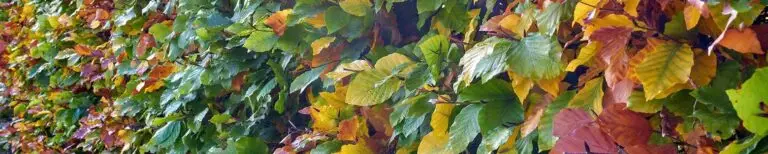
Beech Hedge Pruning – Tips and Tricks for Optimal Results
Are you looking to prune your beech hedge but don't know where to start? Learn how to get optimal results with our beech hedge pruning tips and tricks.
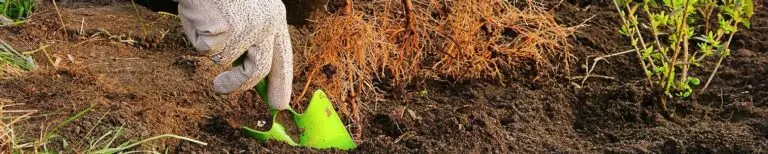
How to Plant a Hedge – Growing and Caring for Hedging Plants
Learn how you can easily plant a hedge with our comprehensive step-by-step guide. From picking the right species to planting techniques and after care.
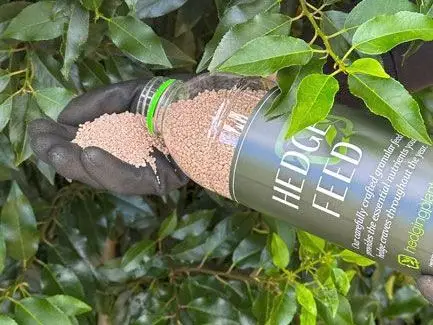
How to Fertilise a Hedge – Essential Tips for Healthy Growth
Enjoy healthy, lush hedges with our comprehensive guide on how to fertilise your hedge. Discover the importance of using the right types of hedge fertiliser
More Beech questions
Useful answers from our Beech hedging knowledge base.
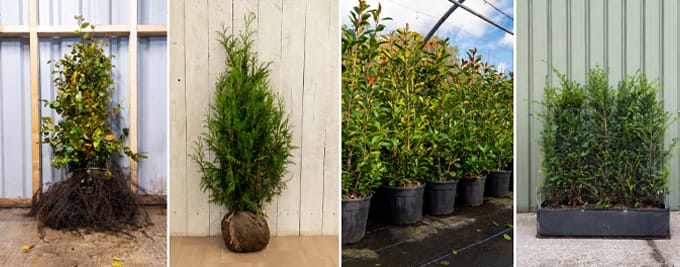
What Are the Different Hedging Root Types?
Bare root, root ball, pot-grown and instant hedging suit different budgets, planting times and levels of initial coverage. Understanding how each is supplied makes it easier to choose the right format for your project.
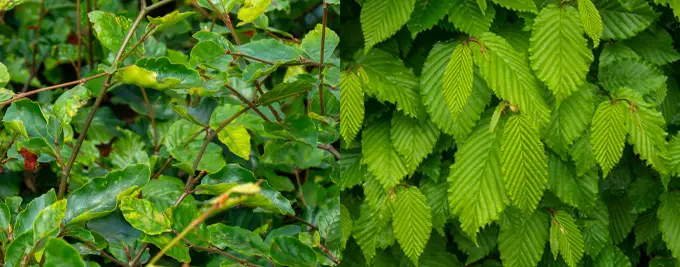
Beech or Hornbeam: Which Hedge Is Better?
Beech and Hornbeam create similarly dense, traditional-looking hedges, but they perform best in different conditions. The right choice depends mainly on your soil, exposure, shade and preferred winter appearance.
How Do I Make a Beech Hedge Thicker?
A thin Beech hedge is often caused by weak formative pruning, shade at the base, dry roots, weed competition or gaps between plants. The right correction depends on whether the hedge is young, established,…
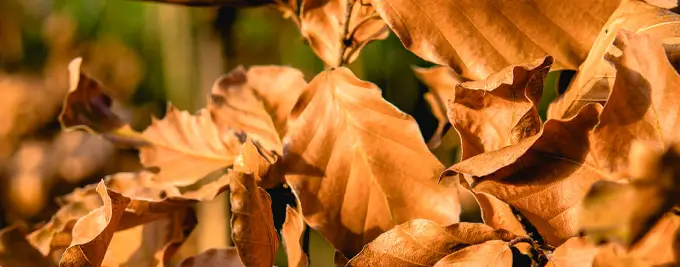
Is Beech Evergreen? What Does a Beech Hedge Look Like in Winter?
Beech hedging changes noticeably with the seasons, developing fresh green or purple foliage in spring and warm copper-brown tones during autumn. Its winter appearance can resemble an evergreen hedge from a distance, but the…
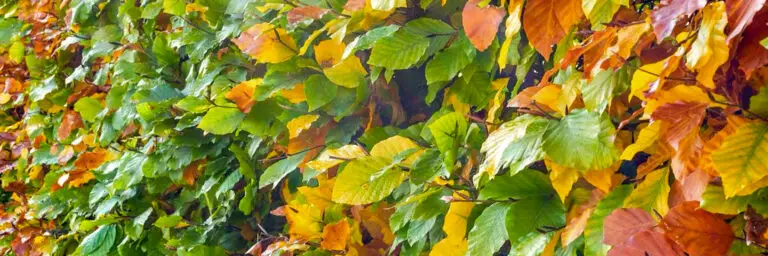
When Does a Beech Hedge Turn Green?
Beech hedges spend winter covered in copper-brown foliage, so the appearance of fresh leaves is one of their clearest seasonal changes. The exact timing can vary between gardens and sometimes between different sections of…
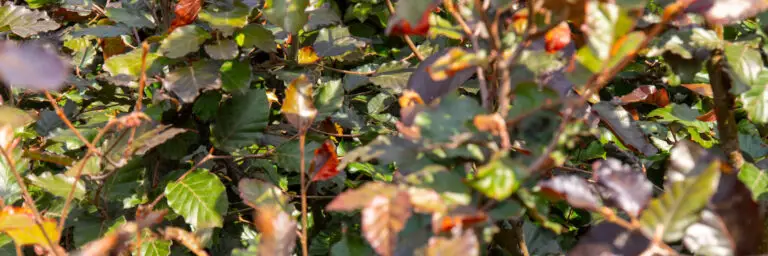
Why Are My Beech Hedge Leaves Turning Brown in Summer?
A Beech hedge should normally remain green or purple through most of the summer, so premature browning is worth investigating. The pattern of the damage and the condition of the root zone usually reveal…