
Why Are My Beech Hedge Leaves Turning Brown in Summer?
A Beech hedge should normally remain green or purple through most of the summer, so premature browning is worth investigating. The pattern of the damage and the condition of the root zone usually reveal whether the cause is environmental stress, a planting problem or something affecting the foliage.
Quick Answer
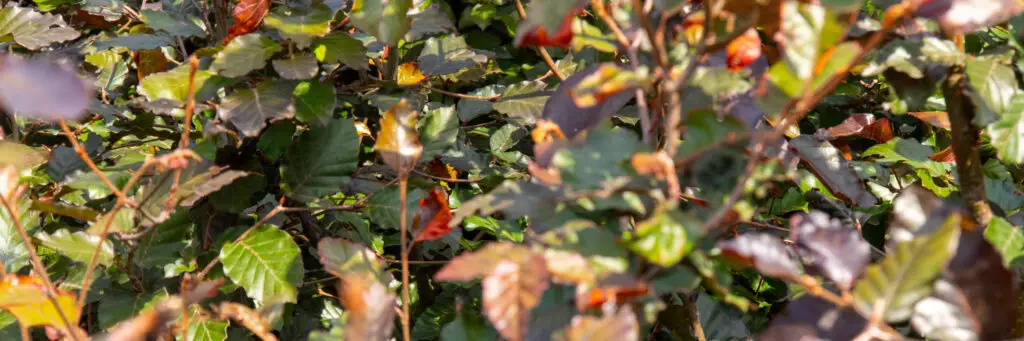
Beech hedge leaves turning brown in summer most often indicate drought stress, especially on a newly planted hedge or where the original root ball has dried out. Drying winds, salt exposure, damaged or restricted roots, waterlogging and late frost can produce similar symptoms. Check the soil within the root zone before feeding. Water slowly and thoroughly if it is dry, improve shelter where needed, and inspect the leaves for white woolly aphids, unusual spotting or progressive branch dieback.
Quick Facts
| Most common cause | Drought or an inadequately watered root ball |
|---|---|
| First thing to check | Moisture within the original root zone |
| Highest-risk plants | Newly planted hedges in their first two growing seasons |
| Crisp brown leaf edges | Commonly associated with drought, drying wind, salt or root restriction |
| White fluff beneath leaves | Usually Beech woolly aphid |
| Brown growth after spring frost | Often late frost damage |
| Will damaged leaves turn green again? | No, judge recovery from healthy buds and new growth |
| Should the hedge be fed immediately? | No, correct dry or waterlogged root conditions first |
Is summer browning normal on a Beech hedge?
Beech, or Fagus sylvatica, is deciduous. Its leaves naturally change from green to yellow, orange and copper during autumn, and a regularly clipped hedge may retain dry brown foliage through winter. Widespread browning during spring or the main part of summer is different and normally indicates that the leaves or roots have been placed under stress.
A small number of damaged or older leaves is not necessarily serious. However, crisp margins across several plants, premature leaf fall or complete sections turning brown should be investigated before the hedge is fed, pruned or watered again.
What causes Beech hedge leaves to turn brown in summer?
Drought and a dry original root ball
Water stress is the most common cause, particularly on a hedge planted within the previous two growing seasons. Young Beech plants have a developing root system and are more vulnerable to dry soil than an established hedge. Beech is also relatively shallow rooted and can suffer badly during prolonged drought.
Pot-grown and instant Beech can develop a particularly misleading problem. The surrounding garden soil may feel moist while the original pot compost at the centre of the root system has become dry. Water may then run around the root ball rather than soaking into it.
Typical drought symptoms include:
- crisp brown leaf margins
- curling or wilting leaves
- premature leaf fall
- shoots that stop extending
- dry soil beneath the mulch
- several plants struggling in the driest part of the hedge
Do not judge the moisture level from the soil surface alone. Use a trowel to check within and beside the original root area.
Hot weather and drying winds
Beech leaves lose moisture more quickly during hot, windy weather. A newly planted hedge beside an open field, exposed boundary, reflective wall or paved area may therefore brown even when the same watering routine has worked elsewhere.
Wind scorch often affects the exposed face or upper part of the hedge more severely. Temporary permeable wind protection can help a young hedge establish, but solid sheeting should be avoided because it can create damaging turbulence. Water at soil level rather than relying on spraying the foliage.
Direct salt spray, salty runoff or repeated exposure to road salt can produce similar crisp brown margins. Damage is usually greatest on the side facing the source.
Waterlogging and damaged roots
Dry conditions are not the only possible cause. Beech needs moisture, but it does not tolerate soil that remains saturated or deprived of air. Compacted clay, a planting trench acting like a sump or excessive irrigation can damage the roots and eventually lead to yellowing, browning and dieback.
Check whether the affected plants are in a low section of the hedge or somewhere water collects after rain. Soil that is continually wet, sticky or foul smelling should not be watered again simply because the leaves look dry.
Root stress can also result from:
- planting too deeply
- roots drying before planting
- circling or restricted roots
- damage during cultivation or building work
- competition from grass, weeds or established trees
- loose plants moving in the wind before roots establish
If one plant is affected while the rest of the hedge remains healthy, a localised root or planting problem is more likely than a general shortage of water.
Late frost damage
A late spring frost can blacken or brown newly opened Beech leaves. The affected growth may shrivel quickly, but healthy plants often produce a secondary flush from undamaged buds a few weeks later. This type of damage normally appears soon after a cold night and may also affect other frost-sensitive plants nearby.
Avoid cutting all the affected growth off immediately. Wait to see which buds begin growing before removing genuinely dead shoots.
Pests and diseases
Pests and diseases should be considered, but they are less commonly responsible for a whole young hedge turning uniformly brown than drought, drainage or establishment problems.
Beech woolly aphid produces distinctive patches of white, waxy fluff beneath the leaves. The foliage may curl or become sticky with honeydew. Established hedges usually tolerate light infestations without lasting damage, although young or already stressed plants should be monitored more carefully.
Powdery mildew creates a pale or white coating across the leaf surface and is often more noticeable where the foliage is crowded and the roots are dry. Improving watering consistency and airflow is usually more useful than treating a white coating as the sole cause of decline.
Distinct brown spots with defined darker edges may indicate a leaf-spot problem rather than simple drought scorch. Progressive death of whole branches or plants can also be associated with damaged roots, honey fungus or Phytophthora. These problems should not be diagnosed from brown leaves alone.
How can I identify the most likely cause?
Work through the hedge in a consistent order.
1. Look at the pattern
Brown edges across the exposed face suggest drought or wind scorch. One isolated plant suggests a local root problem. Damage concentrated in a low, wet area may indicate poor drainage. Distinct spots, white deposits or sticky foliage point towards a foliage problem.
2. Check below the soil surface
Use a trowel to inspect the soil around several plants, including the original root area. Check plants at both ends and in the middle of a long hedge because water delivery can vary along the row.
3. Check the original root ball
This is particularly important for recently planted pot-grown or instant Beech. Surrounding soil can feel damp while the original compost remains dry.
4. Inspect both sides of the leaves
Look beneath the leaves for white woolly aphids, sticky honeydew, insects or unusual spotting. Light aphid populations on an otherwise healthy established hedge normally do not require treatment.
5. Check the stems
Lightly scratch a small area of bark on a questionable stem. Green, moist tissue beneath the surface indicates that the stem is still alive. Brittle stems that are dry and brown beneath the bark are more likely to have died back.
What should I do if my Beech hedge is turning brown?
If the root zone is dry, water slowly and thoroughly so moisture reaches the original roots and the surrounding prepared soil. A single deep watering is generally more useful than repeatedly wetting only the surface. Recheck the soil afterwards rather than assuming that the water has reached the centre of the root ball.
For long hedges or exposed planting lines, a correctly positioned hedge irrigation system can improve consistency. Test the system at the far end and check several root zones manually, as blocked pipework or uneven pressure can leave part of the hedge dry.
Keep a weed-free strip around young plants. Grass and weeds compete directly for water, particularly during the first two summers. Apply an organic mulch while the soil is moist to reduce evaporation, but leave a small clear space around each stem rather than piling mulch against the bark.
Where wind is contributing to the damage, consider temporary permeable shelter while the hedge establishes. Check that taller plants are firm in the soil and are not rocking backwards and forwards in strong winds.
Do not apply a strong fertiliser to a hedge that is drought-stressed or waterlogged. Feeding does not correct damaged roots or a lack of moisture and can encourage soft growth before the plant has recovered. Beech normally needs relatively little fertiliser in reasonable garden soil.
Avoid hard summer pruning simply to remove every brown leaf. Correct the underlying cause first and wait to see which buds and shoots remain healthy. Dead material can then be removed back to living wood.
Will a brown Beech hedge recover?
A Beech hedge can often recover from temporary drought, wind scorch or frost damage if the roots and lower stems remain alive. Existing brown tissue will not become green again, so judge recovery from healthy buds, flexible stems and the production of new growth.
Some damaged leaves may remain attached until autumn or until new foliage pushes them away the following spring. This does not necessarily mean the plant is dead.
Recovery will be less certain where roots have completely dried out, remained waterlogged for a prolonged period or developed serious decay. Continue monitoring affected plants and replace them only after confirming that there is no green living tissue beneath the bark.
When should I seek further advice?
A more detailed diagnosis is sensible where:
- browning continues despite suitable soil moisture
- whole branches or plants die rapidly
- the soil remains saturated for prolonged periods
- roots are black, soft or decaying
- bark is cracking, bleeding or developing unusual growth
- mushrooms or black bootlace-like strands appear near the roots
- several established plants decline without an obvious weather-related cause
- the hedge is valuable, mature or large enough to present a safety concern
The complete Beech hedging care guide contains further advice on watering, feeding, pruning, pests, diseases and establishment.
Gwynne's Grower's Tip
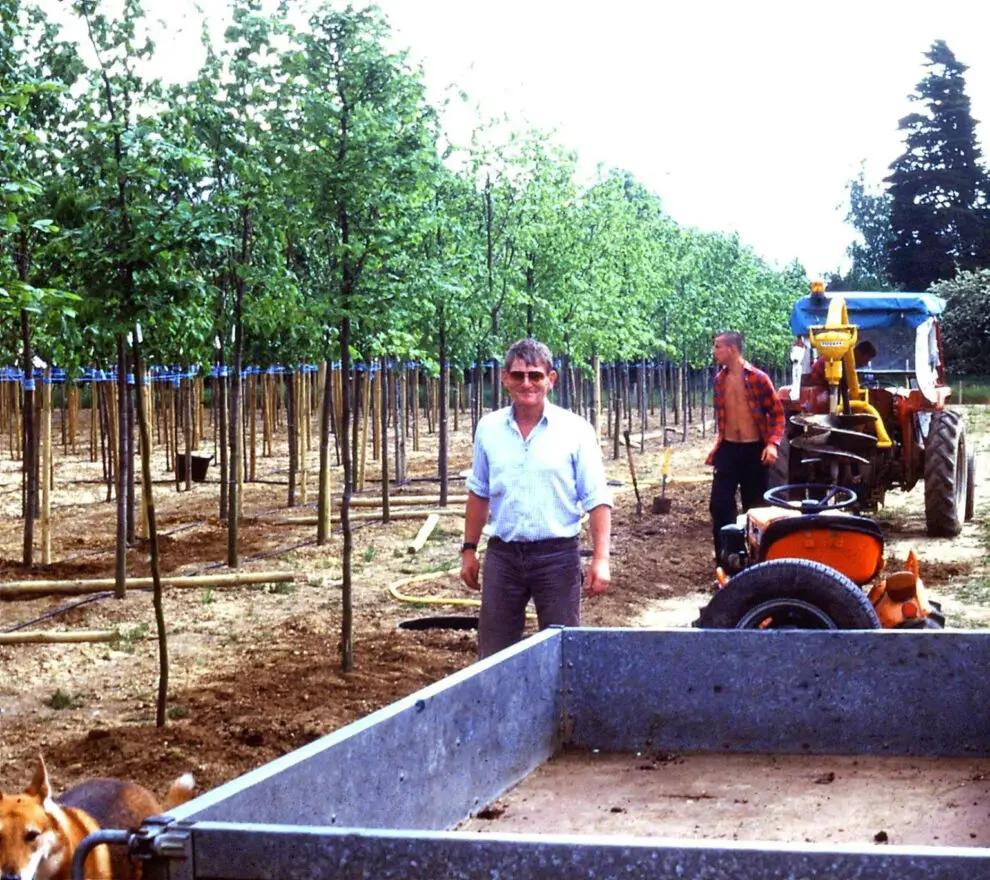
When we see a young Beech hedge browning in summer, I check the centre of the original root ball rather than just the loose soil beside it. Pot compost can become dry and resist water even when the surrounding ground looks damp. Water slowly at several points, then check again later to confirm that moisture has reached the roots. On a long row, inspect plants at both ends and in the middle because irrigation can be uneven. I would not feed the hedge until the moisture problem has been corrected and the plants have started to recover.
More Beech Advice
For more detailed growing advice or to view the plants available from our nursery, use the links below.
Useful Planting Essentials
Selected products that may help with planting, establishment and ongoing hedge care.
Rootgrow Mycorrhizal Fungi
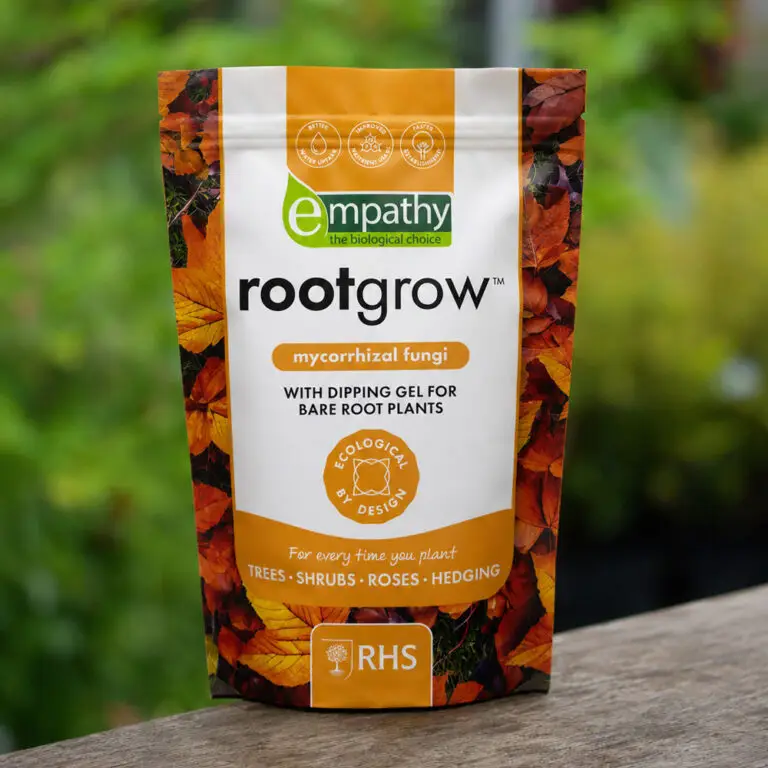
Rootgrow can be applied at planting so the product is in direct contact with the roots, where appropriate for the plant and planting method.
View product
Hedge Feed
Hedge Feed provides balanced nutrition where established hedging would benefit from feeding as part of normal care.
View product
Hedge Irrigation
A hedge irrigation system can make it easier to water a new hedge consistently, particularly on longer runs and during dry weather.
View product
Hedge Compost & Mulch
Compost and mulch can support soil preparation, moisture retention and weed suppression when used appropriately around new hedging.
View product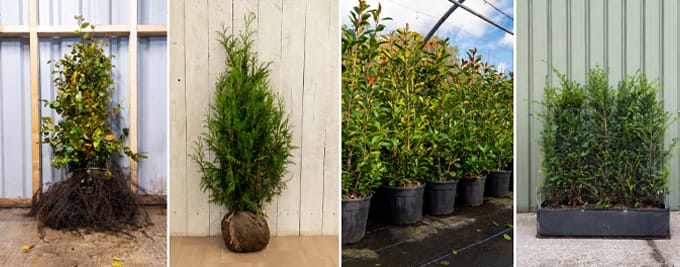
What Are the Different Hedging Root Types?
Bare root, root ball, pot-grown and instant hedging suit different budgets, planting times and levels of initial coverage. Understanding how each is…
Read answer
Beech or Hornbeam: Which Hedge Is Better?
Beech and Hornbeam create similarly dense, traditional-looking hedges, but they perform best in different conditions. The right choice depends mainly on your…
Read answer
Is Beech Evergreen? What Does a Beech Hedge Look Like in Winter?
Beech hedging changes noticeably with the seasons, developing fresh green or purple foliage in spring and warm copper-brown tones during autumn. Its…
Read answer
How Do I Make a Beech Hedge Thicker?
A thin Beech hedge is often caused by weak formative pruning, shade at the base, dry roots, weed competition or gaps between…
Read answer
What Problems Can Photinia Red Robin Have in Pots?
Photinia Red Robin can grow well in containers, but a pot makes the roots more dependent on careful watering, drainage and regular…
Read answer
Why Doesn’t My Blackthorn Hedge Produce Many Sloes?
A healthy Blackthorn hedge does not produce the same crop of sloes every year. The first question is whether the hedge flowered…
Read answer
Can Frost or Wind-Damaged Green Spire Recover?
Evergreen Green Spire can show brown leaf edges, scorched foliage or leaf drop after cold drying winds. The visible damage can look…
Read answer
How Do I Stop Blackthorn Suckers Spreading Into Lawns and Borders?
Suckering is part of Blackthorn's natural growth habit rather than a sign that the hedge is unhealthy. Regular early removal is usually…
Read answer