Pot Grown Hedging Plants

Pot Grown Hedging Plants

Shop pot grown hedging plants direct from our established family-run nursery. Flexible planting for gardens, landscaping and commercial projects across the UK.

Buy Pot Grown Hedging Direct from the Nursery

Pot grown hedging is a practical choice when you want greater flexibility over when you purchase and plant your new hedge. Each plant is grown and supplied in its own container, keeping the roots and growing medium together until it is ready to go into the ground.

Our range includes pot grown hedge plants for small garden boundaries, formal hedges, privacy screens and larger landscaping schemes. Use the filters above to narrow the selection by growth rate, eventual height, soil type, position and plant features.

We supply homeowners, gardeners, landscapers, trade customers and commercial planting projects. For larger orders, contact our nursery team with the length of hedge, preferred height and planting conditions, and we can help you work out suitable options and quantities.

Why Choose Pot Grown Hedge Plants?

Flexible Planting Times

Pot grown hedging can generally be planted throughout the year, provided the ground is not frozen or waterlogged and the plants can be watered properly after planting.

This makes potted hedging particularly useful when you need to plant outside the traditional bare root or root ball season.

Planting during very hot or dry weather will require more frequent watering, especially while the plants are establishing.

Roots Protected Until Planting

Because the roots are contained within the pot and growing medium, they remain protected during handling, transport and storage.

The plant can be removed from its container immediately before planting, helping to minimise unnecessary disturbance to the root system.

A Broad Choice of Species and Sizes

Pot grown hedge plants are available in a wide selection of evergreen and deciduous varieties. Depending on the species, you can choose plants for privacy, formal clipping, seasonal colour, flowers, berries or wildlife value.

Pot grown stock is also available in different plant and container sizes, making it easier to balance your budget against the height and impact you want at the time of planting.

Suitable for Gardens and Larger Projects

Potted hedging can be used for anything from a short front garden boundary to a longer commercial planting scheme.

Smaller plants can be easier to handle and economical for longer hedge lines, while larger plants provide more height and structure from the outset. Check each product page for available sizes, recommended planting density and current prices.

If you are choosing the hedge species before deciding on root type, explore our hedging species A-Z.

Choosing the Right Pot Grown Hedge

Before ordering, consider what you want the finished hedge to achieve. The right choice will depend on the planting position, soil, available space and the amount of maintenance you are comfortable with.

Pot Grown Hedging for Privacy

For privacy screening, look for a species with dense growth and an eventual height suitable for your boundary.

Evergreen varieties retain their foliage throughout the year, while some deciduous and semi-evergreen hedges can also provide effective screening when planted and maintained correctly.

Remember to consider the mature width as well as the height. A vigorous hedge may provide quicker coverage but will generally need more frequent trimming.

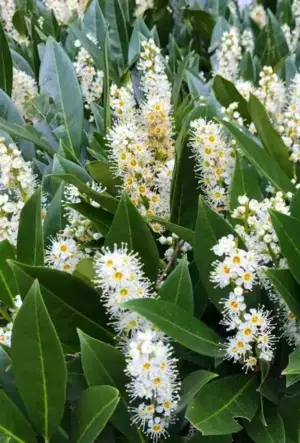
For year-round screening, Cherry Laurel hedging is one of our most popular pot-grown choices, combining broad evergreen foliage with vigorous growth to create a dense privacy hedge.

Pot Grown Hedges for Formal Gardens

Species with smaller leaves and a good response to clipping are often best suited to neat, formal hedges.

Slower growing varieties can require less frequent trimming, although they may take longer to reach the required height. Faster growing plants will usually create coverage sooner but need more regular maintenance.

Hedging for Flowers, Berries and Wildlife

Potted hedging is also available in flowering and berry-producing varieties that provide seasonal interest and can offer food or shelter for wildlife.

Use the plant feature filters above to find flowering hedges, wildlife friendly plants and varieties that produce berries.

Pot Grown, Bare Root or Root Ball Hedging?

The best root type will depend on when you are planting, the size of plant required and your available budget.

Pot Grown Hedging

Pot grown hedge plants offer the greatest flexibility because they can usually be purchased and planted across the seasons. They are available in a broad choice of species and sizes, although they can cost more than smaller seasonal plants.

Bare Root Hedging

Bare root hedge plants are supplied without soil around the roots and are normally available during the dormant season. They can offer good value for longer hedge lines and larger planting projects, particularly when smaller plants are suitable.

Root Ball Hedging

Root ball hedge plants are field-grown and lifted with soil retained around the root system. They are seasonal and are often available in larger, more established sizes.

Pot grown hedging is generally the better option when you need to plant outside the dormant season or require a species that is not currently available as bare root or root ball stock.

How to Plant Pot Grown Hedging

Water the plants thoroughly before removing them from their containers. Prepare a planting trench or individual holes wide enough to accommodate the root systems without forcing or compressing them.

Carefully remove each pot and check the roots. If roots are tightly circling the inside of the container, gently loosen the outer roots before planting.

Position each plant at approximately the same depth it was growing in the pot. Backfill with the excavated soil, firm it gently and water thoroughly.

Follow the recommended number of plants per metre shown on the individual product page. Spacing varies according to the species and size selected.

Continue watering during dry weather, particularly throughout the first growing season. Applying mulch around the plants can help retain moisture and reduce weed growth, but keep the mulch away from direct contact with the stems.