Pleached Trees

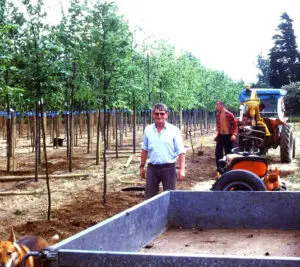
Create privacy and structure above fences, walls and garden boundaries with our range of pleached trees. Choose from evergreen and deciduous species, available to buy directly from our established family-run nursery for gardens, landscaping schemes and commercial projects.

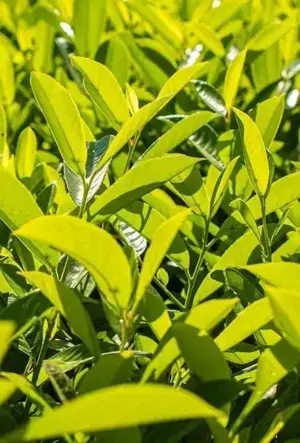
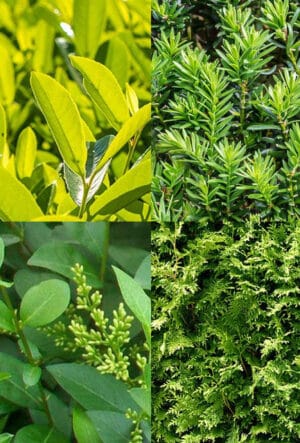
  • Our pleached cherry laurel are one of our most popular evergreen species of pleached tree, ideal for creating privacy screens and very low maintenance.

    Price From £425.00 Shop Now This product has multiple variants. The options may be chosen on the product page
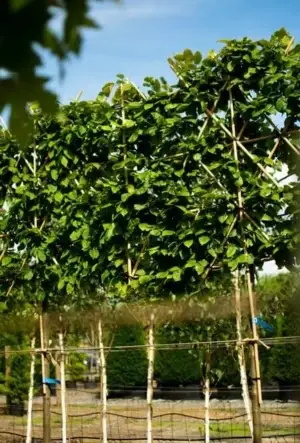
  • Pleached Hornbeam is the most popular pleached tree used in the UK. It has really nice soft lime green leaves which arrive in early spring, turning golden during autumn and...

    Price From £485.00 Shop Now This product has multiple variants. The options may be chosen on the product page
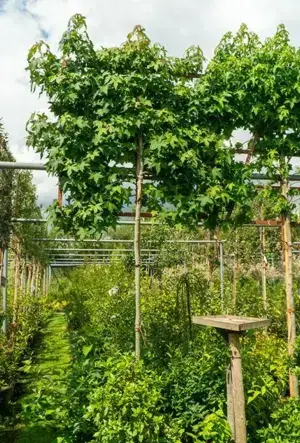
  • Pleached Liquidambar Sweet Gum Trees have bright green foliage that turns to shades of yellow, orange, and red in the autumn. An ideal choice for formal gardens.

    Price From £395.00 Shop Now This product has multiple variants. The options may be chosen on the product page
  • Photinia Red Robin is a stunning evergreen pleached tree, with glossy green leaves that are brilliant red when the trees are young.

    Price From £395.00 Shop Now This product has multiple variants. The options may be chosen on the product page

Buy Pleached Trees Direct from the Nursery

Pleached trees provide an attractive way to add height and screening without creating a dense hedge from ground level. Their clear stems leave valuable space beneath the canopy, while the trained branches form a raised screen above.

This makes them particularly useful for screening neighbouring properties, overlooking windows and views beyond an existing fence or wall. They can also be planted in rows to create a formal pleached hedge, frame a garden or divide one area from another.

We supply retail, trade and commercial customers throughout the UK. Browse the available pleached tree species above or contact our nursery team with your required screen length, preferred height and planting conditions.

What Are Pleached Trees?

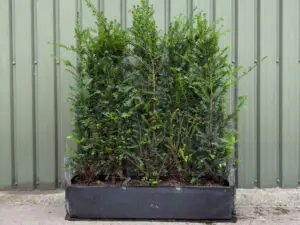
Pleached trees are trained trees with a clear lower stem and a flat head of branches supported on a framework. As the branches develop, they are tied, trimmed and encouraged to grow across the frame.

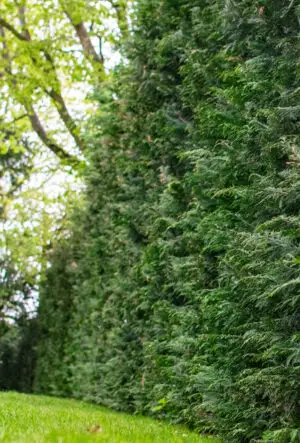
When several trees are planted in a row, their trained canopies can meet to create an elevated screen. This appearance is sometimes described as a pleached hedge or a hedge on stilts.

A pleached tree differs from a conventional hedge because the foliage is concentrated above the clear stems rather than growing from ground level. This allows light, planting and movement beneath the canopy while providing screening at a greater height.

Why Choose a Pleached Hedge?

Privacy Above a Fence or Wall

Pleached trees are often selected where the existing boundary provides sufficient screening at ground level but additional privacy is needed higher up.

The clear stems can be positioned alongside a fence or wall, with the trained heads forming an elevated screen above it. This can help obscure upper-floor windows or unwanted views without taking up as much ground-level space as a broad hedge.

Check the clear stem height and the height of the trained head before ordering. The total tree height alone does not show where the screening will begin.

Structure Without a Wide Ground-Level Hedge

A traditional hedge normally fills the available space from the soil upwards. Pleached trees concentrate their foliage higher up, leaving a relatively narrow line of clear stems beneath.

This can work well in smaller gardens, beside patios and along boundaries where planting width is limited. The available space must still be sufficient for the roots, trunks and developing canopy.

A Formal, Architectural Appearance

The straight stems, repeated frames and level canopies give pleached trees a strong, structured appearance.

They can be used to line paths, frame seating areas, define boundaries and introduce height into formal or contemporary garden designs. Regular trimming helps the individual tree heads grow together and maintains the intended shape.

Evergreen and Deciduous Options

Evergreen pleached trees retain foliage throughout the year and are generally the first choice where consistent screening is important.

Deciduous pleached trees provide spring growth, summer foliage and seasonal autumn colour. Their trained branch framework continues to provide structure after the leaves have fallen, but winter screening will be more limited.

The right choice will depend on the planting position, soil, required privacy and the appearance you prefer.

Choosing the Right Pleached Tree

Pleached trees are available in different species, dimensions and stages of development. Check the complete product specification rather than comparing trees by total height alone.

Clear Stem Height

The clear stem is the distance between the ground and the point at which the trained head begins.

Compare this measurement with the height of your fence or wall. Ideally, the leafy head should begin close to the level where additional screening is required.

Remember that planting depth and differences in ground level can affect the final position of the canopy.

Trained Head Size

The head size describes the approximate height and width of the trained canopy and its supporting frame.

A wider head can reduce the number of trees required along a boundary, but spacing must be based on the actual product dimensions. Check whether the width given refers to the frame, the current foliage or the expected maintained size.

Stem Girth

Tree girth is normally measured around the trunk and provides an indication of stem thickness and maturity.

A tree with a heavier girth will usually be larger and more substantial to handle than a younger tree with a slimmer stem. It may also require more careful planning for unloading, movement and planting.

Fresh or More Established Pleaching

Some pleached trees have relatively young heads with visible framework and space between the trained branches. Others have been grown and trained for longer, providing a fuller canopy from the outset.

A younger pleached tree can offer better value but will require time, trimming and training to produce a dense screen. More established specimens generally provide greater initial coverage but are usually heavier and more expensive.

Product photographs and specifications should be checked carefully so you understand the stage of development being supplied.

Choosing a Pleached Tree Species

Evergreen Pleached Trees

Evergreen choices are suitable where year-round foliage and consistent screening are priorities.

Our range may include evergreen species such as Pleached Photinia Red Robin and Pleached Cherry Laurel. Photinia provides colourful red young growth, while Cherry Laurel produces larger, glossy green foliage.

The final choice should take account of the available space, exposure, soil and the amount of trimming required.

Deciduous Pleached Trees

Deciduous species offer attractive seasonal changes and can allow more light through the garden during winter.

Pleached Hornbeam is a traditional choice with green summer foliage and autumn colour. Pleached Liquidambar provides distinctive foliage with changing autumn tones.

Although the trained framework remains visible in winter, deciduous species should not be expected to provide the same year-round privacy as an evergreen screen.

How Many Pleached Trees Do I Need?

The number required depends mainly on the width of the trained head and the recommended spacing for the particular product.

For example, a row of trees with heads approximately 1.2 metres wide will require a different number from trees trained onto 1.5 metre frames. Do not assume that all pleached trees should be planted at the same distance.

Measure the complete planting line and check the width stated on the individual product page. The trees are usually positioned so that the frames are close enough for the branches to meet as they develop, without forcing the root systems or trunks together.

Contact our nursery team if you would like help calculating the number of trees required.

Planning Delivery and Access

Pleached trees are tall, wide and often heavy. Before ordering, consider how the delivery vehicle will reach the property and how the trees will be moved from the unloading point to the planting area.

Check gates, paths, overhead cables, buildings and narrow access points. The trained frames can make the trees considerably wider than their root balls or pots.

Larger specimens may require several people or suitable lifting equipment. The trees should be carried and supported by the root ball or container and trunk, not lifted by the bamboo frame or trained branches.

Preparing the planting holes and support system before delivery can reduce the time the trees spend waiting above ground.

How to Plant Pleached Trees

Prepare the Planting Positions

Mark out the complete row before digging so the stems, frames and finished canopy will be properly aligned.

Remove weeds, grass, old roots and building debris from the planting area. Dig each hole wider than the pot or root ball, while keeping the depth suitable for the original soil level of the tree.

Loosen compacted soil around the sides and base of the hole. Pleached trees should not be planted too deeply, as burying the lower trunk can cause problems.

Improve the Soil with Hedge Planting Compost

Mix Hedge Planting Compost with the excavated soil where additional organic matter or improved soil structure is needed.

Our peat-free Hedge Planting Compost is intended as a soil conditioner and improver. It should be combined with the existing soil rather than used to create a complete pocket of compost around the roots.

Good drainage remains important. Compost should not be used to disguise a waterlogged or heavily compacted planting position.

Apply Rootgrow During Planting

Apply Rootgrow mycorrhizal fungi in accordance with the instructions supplied with the product.

Rootgrow must come into direct contact with the roots. Apply it immediately before positioning the tree, rather than mixing it throughout the entire volume of backfill soil.

Rootgrow is used at planting and does not replace correct soil preparation, staking or regular watering.

Position and Align the Trees

Carefully remove pots and other non-biodegradable packaging. Where a tree is supplied root balled, follow the instructions provided for the hessian and any supporting wire basket.

Place each tree at approximately the same depth it was previously growing. Check the trunk vertically from more than one direction and make sure all the frames are positioned at a consistent height and angle.

Backfill around the root system with the prepared soil, firming gently to remove large air pockets. Avoid excessive compaction.

Water thoroughly after planting.

Stake and Support Pleached Trees

Pleached trees have a large, trained canopy that can catch the wind, so appropriate support is particularly important while the roots establish.

Use a suitable staking system for the size of tree and the conditions on the site. Stakes and ties should secure the trunk without rubbing against the bark or restricting future growth.

Where several trees form a continuous pleached hedge, the frames may also need to be connected or supported to maintain a straight, level screen. Check ties and supports regularly and loosen or replace them as the trunks develop.

Irrigation and Watering

Newly planted pleached trees require thorough, consistent watering while their roots establish in the surrounding soil.

Water the complete root area rather than applying a small amount to the soil surface. The frequency required will depend on the tree size, root type, weather, soil and planting season.

A porous pipe or drip irrigation system can make it easier to water a complete row evenly. Position the irrigation around the root zones rather than against the tree trunks and test the system before applying mulch.

Do not rely on light rainfall, particularly where the canopy, fences or nearby structures prevent rain from reaching the roots. Check the soil regularly and adjust watering to suit the conditions.

Protecting Pleached Trees from Rabbits

Where rabbits are present, protect the clear stems from browsing and bark damage.

Use suitable spiral guards or temporary rabbit fencing for the size of tree and level of pressure at the site. Protection should not rub against the bark, trap excessive moisture or restrict the trunk as it thickens.

Inspect guards regularly and adjust or remove them when they are no longer needed. Where deer, livestock or other animals are present, a stronger form of fencing may be required.

Feeding Pleached Trees After Planting

Hedge Feed can be used as part of the tree’s aftercare once it has been planted.

Apply the granular feed around the root area in accordance with the instructions on the packaging. Keep concentrated fertiliser away from direct contact with the trunk and do not place it against exposed roots.

Water the area after applying the feed. Using more than the recommended amount will not compensate for poor watering, compacted soil or unsuitable drainage.

Further feeding should be based on the time of year, tree species, soil conditions and product instructions.

Caring for a Pleached Hedge

Training the Canopy

As new shoots grow, selected branches can be tied gently to the supporting frame to help fill gaps and connect adjoining tree heads.

Use soft ties that do not cut into the stems. Check existing ties regularly and remove or loosen any that have become tight.

Trimming Pleached Trees

Trim the trained heads to maintain a level, balanced shape and encourage denser branching.

The correct timing will depend on the species. Avoid applying one pruning schedule to every pleached tree, particularly where flowering or seasonal growth needs to be considered.

Checking Stakes and Frames

Inspect stakes, ties and frames after strong winds and throughout the growing season.

The support should hold the trees securely without damaging the trunks. Bamboo or timber framework may need occasional repair or replacement as the tree develops.

Weed and Moisture Control

Keep grass and weeds away from the root area while the trees establish, as they compete for water and nutrients.

A suitable mulch can help retain moisture and reduce weed growth. Leave a clear space immediately around each trunk rather than piling mulch against the bark.