Noise Reducing Hedge Plants
Noise reduction & screening

Noise Reducing Hedge Plants

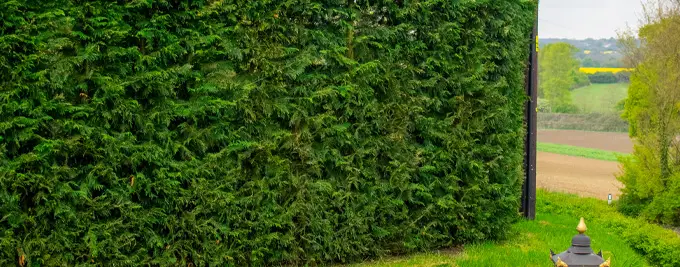
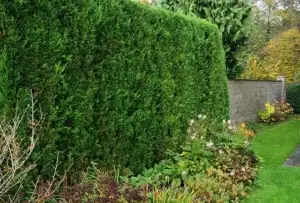
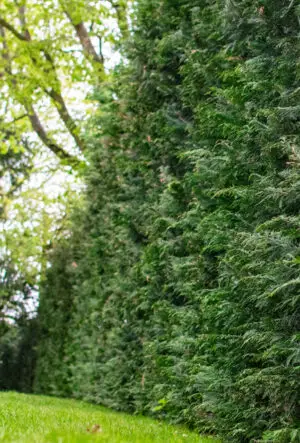
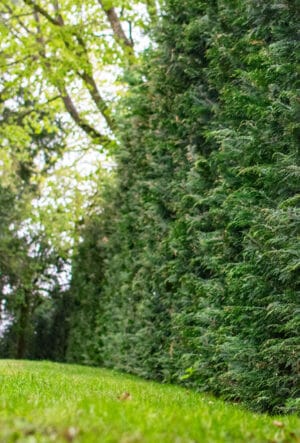
Shop noise-reducing hedge plants for gardens beside roads, neighbouring properties and other busy spaces. Dense, well-clipped hedging can help absorb, scatter and soften unwanted sound, with evergreen species giving the most consistent year-round screen. For the best result, prioritise foliage density, hedge depth and suitable height rather than growth rate alone. Compare broad-leaved, conifer and instant hedging options below, and choose a species that also suits your soil, available width and level of maintenance.
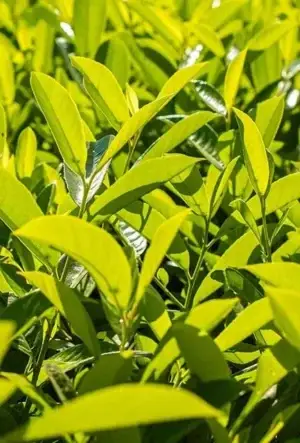
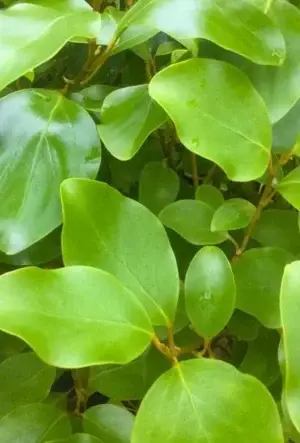
  • SALECherry Laurel (Prunus laurocerasus)Cherry Laurel HedgePrunus laurocerasus RotundifoliaCherry Laurel combines large evergreen leaves, fast growth and good density for a broad year-round sound buffer.EvergreenFast 30-60cm per yearBare RootRoot BalledPot GrownInstant HedgingPrice From £2.60Shop now
  • SALEPrivet Hedging Plants (Ligustrum ovalifolium)Common Privet HedgeLigustrum ovalifoliumCommon Privet is a popular form of evergreen / semi evergreen hedge. Very fast growing with dark green ovate leaves and lovely white flowers that are produced in…FloweringFast 30-60cm per yearBare RootRoot BalledPot GrownInstant HedgingPrice From £1.60Shop now
  • SALEEnglish Holly hedging plantsEnglish Holly HedgeIlex aquifoliumEnglish Holly is an attractive, native evergreen hedging plant with spiky glossy green foliage and produces white flowers in the spring.EvergreenSlow 10-20cm per yearRoot BalledPot GrownInstant HedgingPrice From £3.50Shop now
  • SALEEnglish Yew hedging plantsEnglish Yew HedgeTaxus baccataEnglish Yew forms an exceptionally dense evergreen hedge and can be maintained more narrowly where garden width is limited.EvergreenMedium 20-40cm per yearBare RootRoot BalledPot GrownInstant HedgingPrice From £3.75Shop now
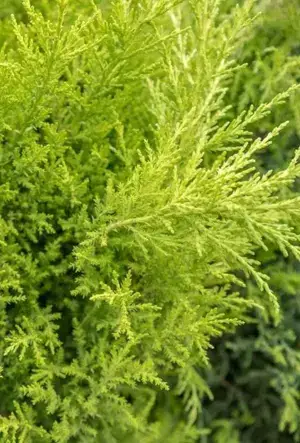
  • Golden Leylandii hedging plantsGolden Leylandii Hedgex Cupressocyparis leylandii 'Castlewellan Gold'Golden Leylandii is a fast growing evergreen hedging plant, with golden yellow foliage that creates a dense screen.Colourful FoliageVery Fast 60cm+ per yearPot GrownPrice From £7.95Shop now
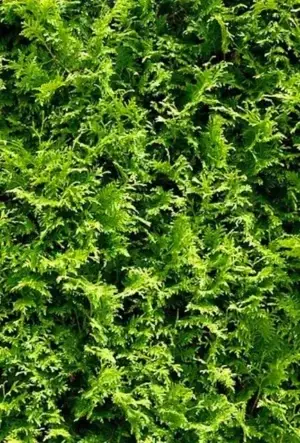
  • Green Leylandii hedging plantsGreen Leylandii Hedgex Cupressocyparis leylandiiGreen Leylandii is a very fast growing evergreen hedging plant, with fragrant green foliage that creates a dense screen.EvergreenVery Fast 60cm+ per yearPot GrownPrice From £8.95Shop now
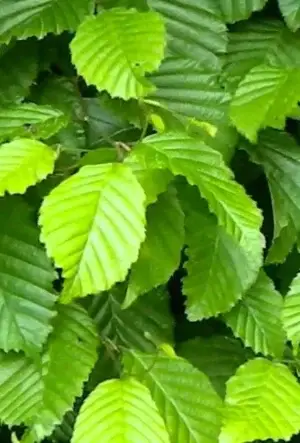
  • SALEHornbeam hedging plantsHornbeam HedgeCarpinus betulusHornbeam (Carpinus betulus) is a hardy deciduous hedge plant for dense traditional boundaries, particularly useful on heavier clay and in partial shade. Available as bare-root, pot-grown and instant…DeciduousMedium 20-40cm per yearBare RootPot GrownInstant HedgingPrice From £1.15Shop now
  • SALENew Zealand Privet (Griselinia) hedging plantsNew Zealand Privet HedgeGriselinia littoralisGriselinia is a dense evergreen hedging plant with attractive glossy apple green leaves and thrives in coastal positions.EvergreenMedium 20-40cm per yearPot GrownPrice From £8.95Shop now

Cherry Laurel or English Yew for Noise Reduction?

Both create dense evergreen screens, but they suit different spaces, budgets and timescales.
CompareCherry LaurelEnglish Yew
FoliageLarge, glossy evergreen leaves create a substantial broad-leaved screenFine evergreen foliage forms a very dense, tightly clipped screen
SpeedFaster to build height and bulkSlower growing, so larger starting plants may suit urgent screening
Hedge widthBest where there is room for a broader hedgeCan be maintained as a relatively narrow formal hedge
AppearanceLush, bold and less formalTraditional, refined and highly formal when clipped
BudgetOften a practical route to faster bulk and coverageUsually a slower, more premium route to a dense long-lived hedge
Choose whenYou want faster broad-leaved evergreen screening with plenty of depthYou want maximum density and control where available width matters
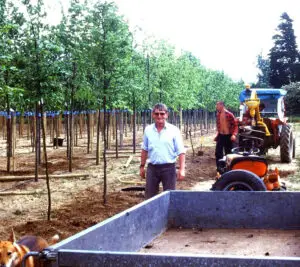
Gwynne Bodsworth, founder and grower at Hedging Plants Direct
Expert nursery advice

Gwynne's Grower's Tip

For noise, do not choose on height alone. The useful part of a hedge is the dense foliage from ground level upwards, and extra depth usually matters more than a thin, tall line. If space allows, a wider hedge or staggered double row gives more plant material for sound to pass through. Evergreen species are usually the first choice where winter performance matters. I would also be careful about promising silence: a hedge can soften and filter noise, but a solid fence or wall is usually more effective against low-frequency road traffic. Where noise is a major issue, combine a dense hedge with a solid barrier and use the planting to add depth, screening and a more natural finish.
Helpful answers

Frequently asked questions

01What Is the Best Hedge for Reducing Road or Garden Noise?

Dense evergreen hedging is normally the best starting point because it keeps foliage through winter. Cherry Laurel, English Yew, Western Red Cedar and Leylandii are useful choices where the site suits them, while Privet can provide a more economical dense screen.

For low-frequency traffic noise, a hedge should be expected to soften rather than eliminate sound. If maximum reduction is required, combining dense planting with a solid fence or wall is usually more effective.

02Does a Wider Hedge Reduce More Noise?

In general, density and depth are useful because sound has more foliage, stems and branches to pass through. A thin line of tall plants is not automatically better than a well-filled hedge that is dense from the base upwards.

If space allows, a wider hedge or staggered double row can provide more depth. Always follow the spacing recommendation for the exact species and plant size you buy rather than crowding plants simply to close the hedge faster.

03Are Evergreen Hedges Better Than Deciduous Hedges for Noise Reduction?

Evergreen hedges are usually the stronger choice when year-round noise filtering matters because they keep their foliage through winter. Dense deciduous or leaf-retaining hedges such as Beech and Hornbeam can still be useful, but their seasonal performance is less consistent.

The best choice also needs to suit your soil, exposure, available width and the final height you can maintain.

Choosing a Hedge to Soften Garden Noise

Start with the source of the noise and the space available for planting. A dense hedge can absorb, scatter and soften some sound while also improving privacy and the appearance of a boundary. For persistent low-frequency road noise, a continuous fence or wall normally provides the stronger acoustic barrier, with hedging adding useful depth and screening around it.

Prioritise Density, Depth and Year-Round Cover

Fast growth is useful, but it should not be the only buying criterion. A hedge that stays full from ground level upwards is more useful than a tall, open screen. Evergreen species such as Cherry Laurel, Yew, Western Red Cedar and Leylandii provide winter foliage, while Beech and Hornbeam offer a more seasonal option.

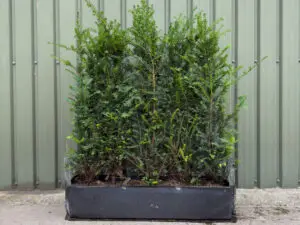
Choose a Starting Size That Matches the Job

Larger pot-grown, root-balled or instant hedging gives more immediate foliage mass, while smaller plants can be a more economical way to establish a long boundary. Whichever route you choose, match the species to the soil and exposure, allow enough final width, and follow the spacing recommendation shown for the exact plants you order.