




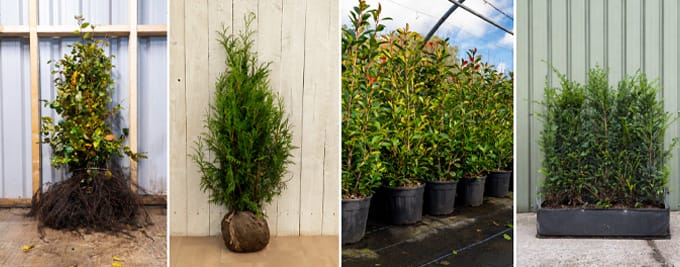
How to Choose the Right Fast Growing Hedge
The best fast growing hedge is not always the plant with the highest possible annual growth. Your choice should also reflect the available space, soil conditions, final hedge height and the amount of pruning you are prepared to carry out.
Before ordering, consider:
- Whether you need year-round or seasonal screening
- The desired maintained height and width
- Sun, shade and exposure
- Soil type and drainage
- The available space for roots and branches
- How frequently the hedge can be trimmed
- Whether flowers, berries or wildlife value are important
- How the new hedge will be watered during establishment
Growth rates are guides rather than guarantees. Soil preparation, plant size, weather, watering, competition from grass and the timing of pruning will all influence how quickly a hedge develops.
Fast Growing Evergreen Hedges
Evergreen hedges retain their foliage throughout winter, making them popular for year-round screening and wind protection.
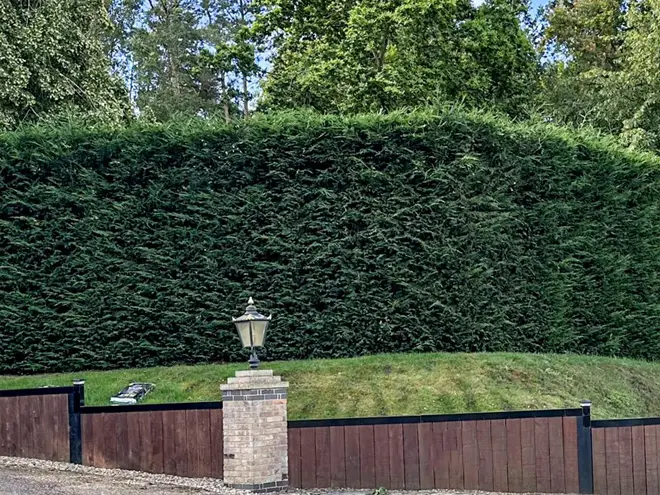
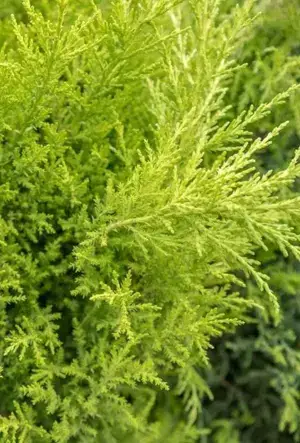
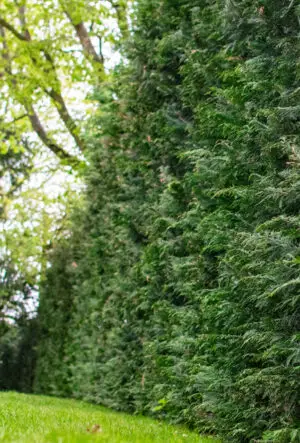
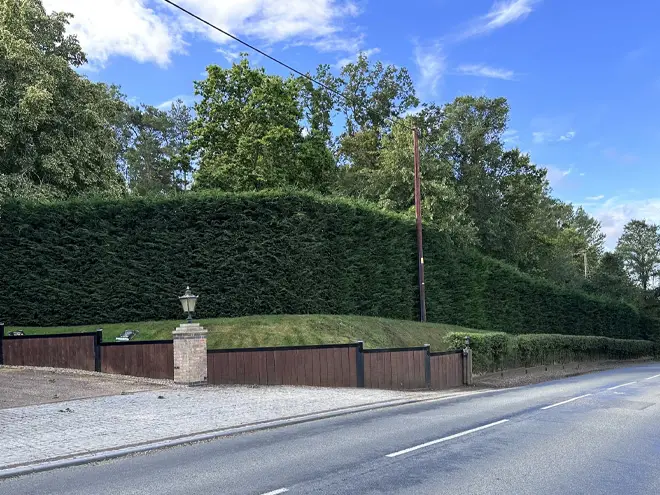
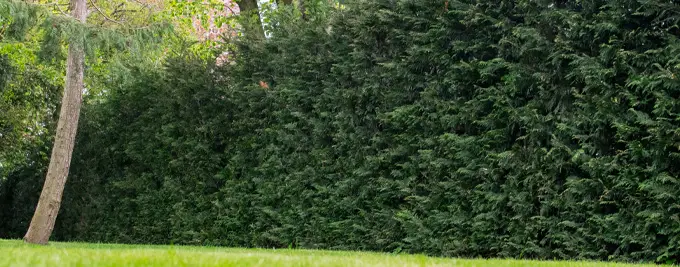
Green Leylandii is one of the fastest-growing evergreen options in the range. Its dense conifer foliage can form a tall privacy screen, but it needs regular trimming before it exceeds the required height or width. Avoid cutting deeply into old brown growth, as Leylandii may not regenerate from it.
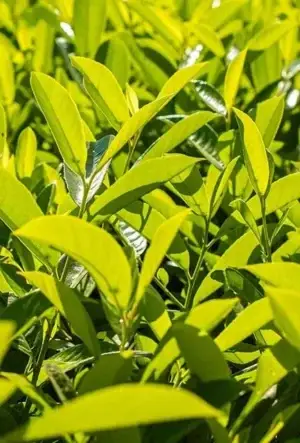
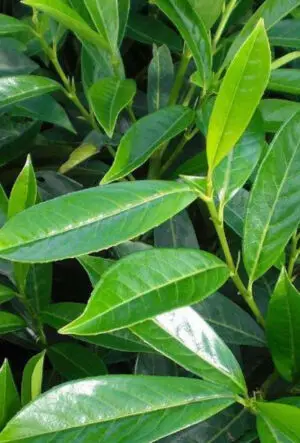
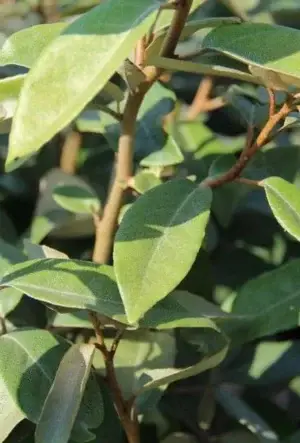
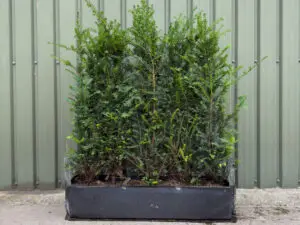
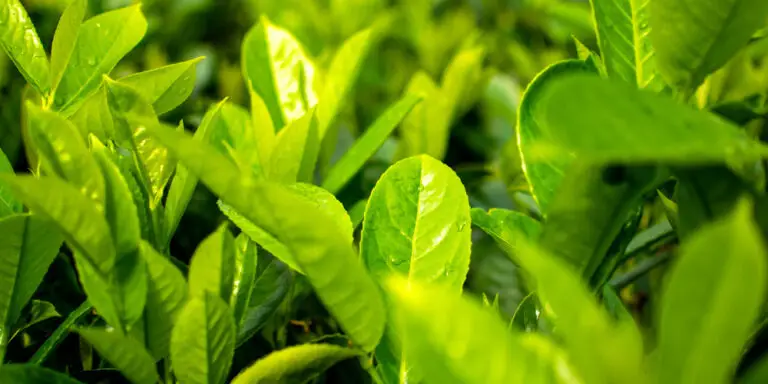
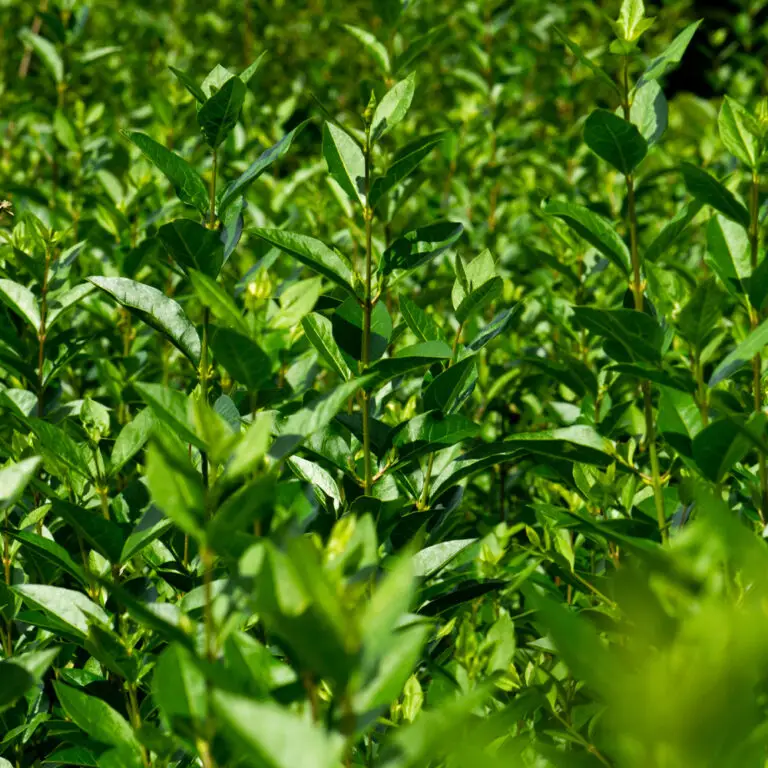
Cherry Laurel has large, glossy evergreen leaves and vigorous growth. It is particularly well suited to medium and larger gardens where there is enough space for a broad, substantial hedge.
Upright Laurel provides similar evergreen foliage with a narrower and more upright habit, making it useful where planting width is more restricted.
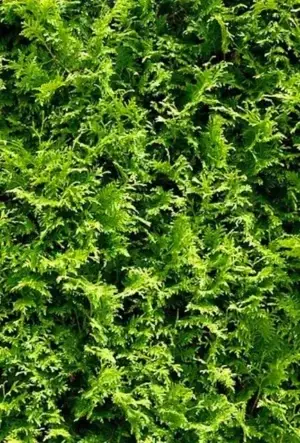
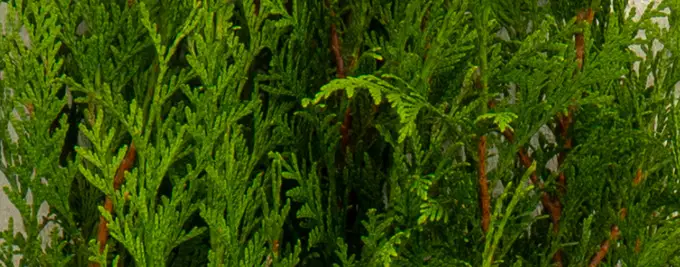
Western Red Cedar is another vigorous evergreen conifer suitable for screening and wind protection. It has a different foliage texture from Leylandii and should still be kept at the chosen size through regular maintenance.
Browse all our evergreen hedging plants or compare the complete Laurel hedging range.
For detailed planting, watering and pruning advice, read our Laurel Hedging Care Guide.
Privet for Fast Formal Hedging
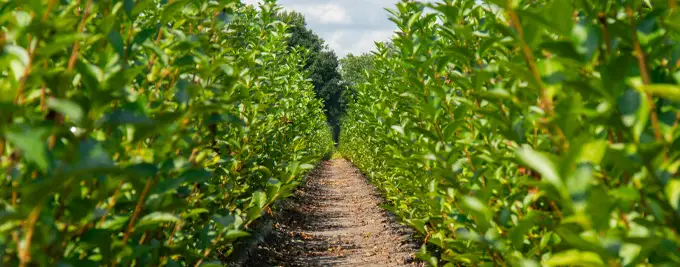
Common Privet is a vigorous, semi-evergreen hedge plant that responds well to regular clipping. It can create a dense formal boundary and is available in several root types and starting sizes.
Privet may retain much of its foliage through a mild winter but can lose more leaves in cold or exposed conditions. It should not therefore be described as a guaranteed fully evergreen screen throughout the UK.
Golden Privet provides brighter variegated foliage, while Wild Privet offers a looser, more natural appearance.
Browse the full Privet hedging range or read our Privet Hedging Care Guide for advice on spacing, watering, feeding and pruning.
Fast Growing Deciduous and Native Hedges
Deciduous hedges lose their green foliage in winter, but they can provide flowers, berries, autumn colour and useful seasonal structure.
Hornbeam hedging is a strong choice for heavier soils and exposed positions. When regularly trimmed as a hedge, it often retains some dry copper-coloured foliage during winter, although it should not be sold as equivalent to a fully evergreen plant.
Read our Hornbeam Hedging Care Guide for detailed advice on establishing and maintaining Hornbeam.
Other quick-growing native and deciduous options include Hawthorn, Field Maple, Dog Rose, Hazel and Spindle. These plants can be useful for rural boundaries, wildlife planting and mixed native hedges where seasonal interest is more important than formal evergreen screening.
Browse our wildlife hedges or Native Mixed Hedge Plants for prepared mixtures and individual native choices.