
How Can I Make a Privet Hedge Grow Faster?
A Privet hedge can grow quickly once its roots are established, but dry soil, weed competition, deep shade and unsuitable pruning can all slow it down. The best results come from improving the growing conditions and encouraging healthy branching rather than simply applying more fertiliser.
Quick Answer
Common Privet can typically produce around 30–60cm of growth per year once established in suitable conditions. To help a Privet hedge grow faster, water the full root area during dry weather, keep grass and weeds away, apply a 5–7cm organic mulch and use a balanced spring feed where the soil is poor or growth is weak. Light formative trimming encourages side shoots and creates a fuller hedge, although a newly planted Privet may make limited top growth while its roots establish.

Quick Facts
| Common Privet growth rate | Approximately 30–60cm per year once established |
|---|---|
| Golden and Wild Privet growth rate | Usually approximately 20–40cm per year |
| Best growing position | Full sun or partial shade |
| Preferred soil | Moist but well-drained soil |
| Establishment period | The first two growing seasons require the most attention |
| Feeding time | Spring, where soil is poor or growth is weak |
| Mulch depth | Approximately 5–7cm, kept clear of the stems |
| Formative pruning | Light trimming during active growth to encourage branching |
| Final routine trim | By late summer, allowing new growth to mature before winter |
Looking to buy Privet hedge plants?
Browse our Common, Golden and Wild Privet hedging plants, available in a range of sizes and root types.
View our Privet hedge plants
Check which type of Privet you are growing
The natural growth rate varies between Privet varieties. Common Privet, Ligustrum ovalifolium, is generally the quickest and can produce approximately 30–60cm of annual growth once established in good conditions. Golden Privet and native Wild Privet are often closer to 20–40cm per year.
These figures describe reasonable potential rather than guaranteed growth. Soil condition, moisture, light, weed competition, starting plant size and root establishment can all affect the result. A complete comparison of the varieties is available in our Privet Hedge Care Guide.
Keep the root area evenly moist
Reliable watering is one of the most effective ways to help a young Privet hedge establish and begin growing strongly.
Water thoroughly after planting and continue checking the root area during dry weather throughout the first two growing seasons. Apply enough water to reach the complete root system rather than repeatedly wetting only the surface.
The original root ball can sometimes remain dry even when the surrounding ground looks damp. Check beneath the surface with a finger, trowel or soil probe. Potting compost, field soil and newly added planting compost may all dry at different rates.
Long hedge runs and exposed sites can be easier to manage with a correctly positioned hedge irrigation system, but the soil should still be inspected regularly. Irrigation cannot compensate for blocked outlets, uneven pressure or poorly drained ground.
Remove grass and weeds from around the hedge
Grass and weeds compete directly with Privet roots for water and nutrients. This competition can substantially restrict young plants, especially during warm or dry weather.
Maintain a clear strip around the base of the hedge rather than allowing grass to grow directly against the stems. Remove weeds carefully so that shallow Privet roots are not damaged.
Avoid frequent deep digging around established plants. Hand weeding, shallow cultivation or a suitable mulch is normally safer.
Apply an organic mulch
A 5–7cm layer of composted bark, woodchip or another suitable organic mulch can help retain moisture, suppress weeds and gradually improve the soil as it breaks down.
Spread the mulch over the active root area but leave a small clear space around each stem. Do not pile wet material directly against the base of the plants.
Mulching is particularly useful on light or sandy soil and in exposed positions. It helps maintain steadier moisture levels, but it does not replace watering when the soil beneath it becomes dry. HPD’s Hedge Compost and Mulch range includes products for soil preparation and moisture retention.
Feed in spring only when it is needed
Privet growing in reasonable garden soil does not normally require repeated applications of fertiliser. Water, light, root health and weed control are usually more important.
A balanced granular hedge fertiliser can be applied in spring where:
- the soil is relatively poor
- the foliage is pale
- annual growth is noticeably weak
- an established hedge is recovering after substantial pruning
Apply fertiliser across moist soil over the root area, follow the stated application rate and keep concentrated granules away from the stems. Water afterwards if rain is not expected.
Hedging Plants Direct Hedge Feed is a balanced NPK 7-7-7 granular fertiliser. More fertiliser does not automatically mean more growth, and an excessive dose can damage roots or encourage soft, weak shoots. Avoid routine high-nitrogen feeding in late summer or autumn because new growth may not have sufficient time to mature before colder weather.
Trim young Privet to encourage branching
A Privet hedge that is allowed to grow upwards without formative trimming may become tall but remain thin and open near the base. Lightly shortening new shoots encourages the plants to produce side branches, helping neighbouring plants knit together.
There is a balance between gaining immediate height and building density. Each trim removes some extension growth, but it can create more growing points and produce a fuller hedge sooner.
For a young hedge:
- Remove damaged, dead or weak shoots.
- Lightly shorten vigorous new growth to encourage branching.
- Trim the sides as the plants develop.
- Keep the base of the hedge at least as wide as the top.
- Allow the hedge to gain height gradually rather than producing a few tall, unbranched stems.
Small bare-root Privet may benefit from stronger formative pruning after planting, but larger pot-grown, root-balled and instant hedging should not automatically be cut back in the same way. Follow the guidance supplied for the particular plant size and root type.
Established formal Privet can normally be trimmed two or three times during the growing season. Finish routine trimming by late summer so the final shoots have time to mature before winter.
Give the hedge sufficient light
Privet tolerates partial shade, but growth is usually stronger where the plants receive good natural light.
Deep shade from buildings, mature trees or dense overhanging branches can reduce shoot growth and produce a thinner hedge. Nearby trees may also compete for moisture and nutrients.
Where practical, reduce excessive overhanging growth and keep the top of the hedge slightly narrower than the base. This allows more light to reach the lower branches and helps prevent the bottom from becoming bare.
Golden Privet particularly benefits from a brighter position because good light supports its strongest golden foliage colour.
Do not worry if a new hedge pauses during its first year
A newly planted Privet hedge may make less visible growth than expected during its first growing season. The plants are often directing energy into replacing disturbed roots and extending them into the surrounding soil.
This is not necessarily a problem. A smaller plant that establishes a healthy root system can outperform a larger plant whose root ball repeatedly dries out.
Concentrate first on correct watering, drainage, weed control and root establishment. Stronger shoot extension should follow as the root system becomes established. Our Privet planting guide explains planting depth, soil preparation and aftercare for bare-root, pot-grown, root-balled and instant Privet.
Why is an established Privet hedge growing slowly?
If an established hedge remains weak, check the growing conditions before adding more feed.
Possible causes include:
- dry soil or a dry original root ball
- prolonged waterlogging or poor drainage
- grass and weed competition
- deep shade
- competition from nearby trees
- compacted soil
- planting that is too deep
- recent severe pruning
- pest or disease damage
- normal winter leaf loss being mistaken for decline
Yellow leaves do not automatically indicate a nutrient deficiency. Privet growing in saturated soil can turn yellow and make weak growth, while applying more water or fertiliser may make the underlying problem worse.
Check the soil moisture, drainage and stems carefully. Where damage, spotting, dieback or unusual leaf loss is present, use our Privet hedge problems, pests and diseases guide to investigate further.
Avoid trying to force rapid growth
To keep a Privet hedge healthy, avoid:
- applying fertiliser to severely dry or waterlogged soil
- exceeding the fertiliser application rate
- using repeated high-nitrogen feeds
- watering little and often without reaching the roots
- allowing grass to grow against young plants
- cutting every shoot back before the hedge gains any height
- allowing a few tall stems to grow without encouraging side branches
- trimming late in the season and producing frost-sensitive new growth
The quickest route to a useful Privet hedge is usually steady establishment rather than attempting to force a sudden flush of growth.
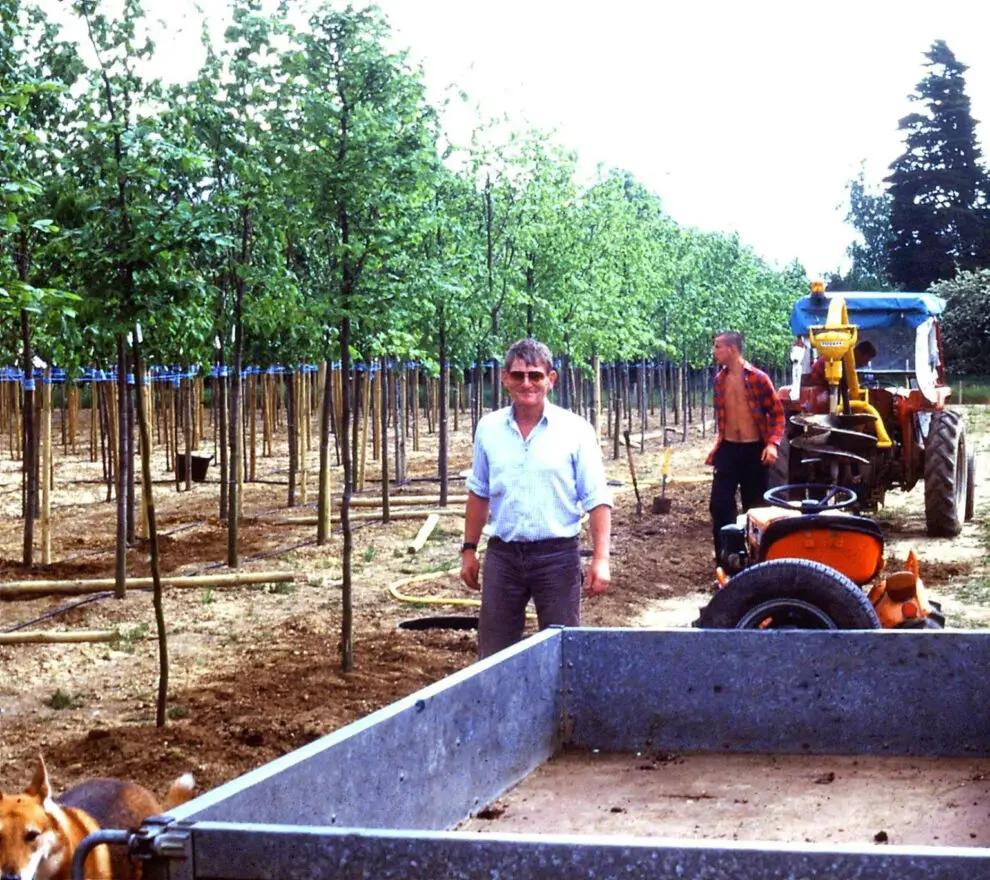
Gwynne's Grower's Tip
With young Privet, I would concentrate on the root area before reaching for more fertiliser. Keep a clear, mulched strip around the plants and check the moisture beneath the surface during dry weather. Once the plants begin extending, lightly trim the strongest shoots so that they branch instead of producing a few thin stems.
Do not be disappointed if a new hedge spends its first season establishing rather than gaining a great deal of height. A well-rooted Privet normally responds strongly once settled, and building density from the beginning usually produces a better hedge than allowing it to rush upwards and become bare at the bottom.
More Privet Advice
For more detailed growing advice or to view the plants available from our nursery, use the links below.
Useful Planting Essentials
Selected products that may help with planting, establishment and ongoing hedge care.

Rootgrow Mycorrhizal Fungi
Rootgrow can be applied at planting so the product is in direct contact with the roots, where appropriate for the plant and planting method.
View product
Hedge Feed
Hedge Feed provides balanced nutrition where established hedging would benefit from feeding as part of normal care.
View product
Hedge Irrigation
A hedge irrigation system can make it easier to water a new hedge consistently, particularly on longer runs and during dry weather.
View product
Hedge Compost & Mulch
Compost and mulch can support soil preparation, moisture retention and weed suppression when used appropriately around new hedging.
View product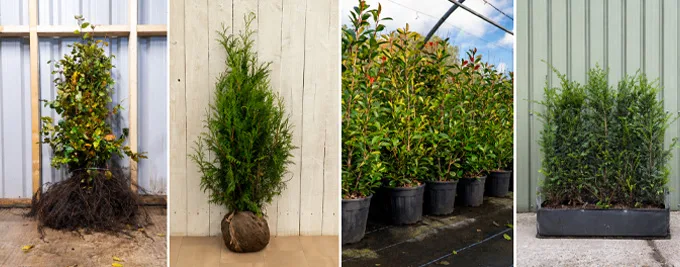
What Are the Different Hedging Root Types?
Bare root, root ball, pot-grown and instant hedging suit different budgets, planting times and levels of initial coverage. Understanding how each is…
Read answer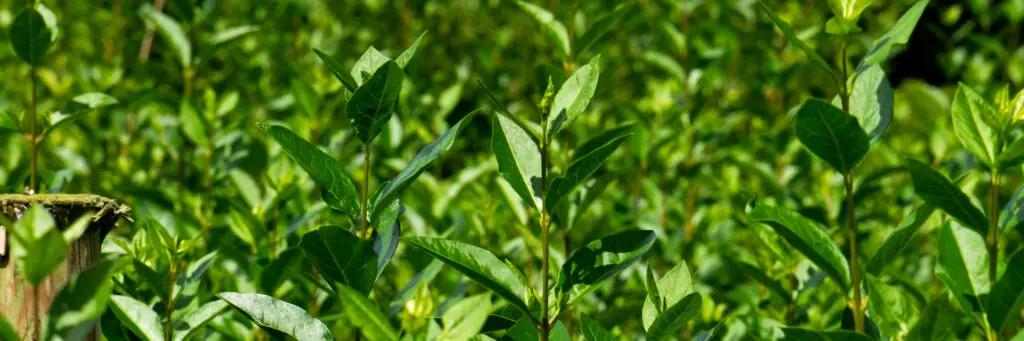
Is Privet Evergreen?
Privet is often chosen for privacy, but its winter appearance is less predictable than that of a fully evergreen hedge. The variety,…
Read answer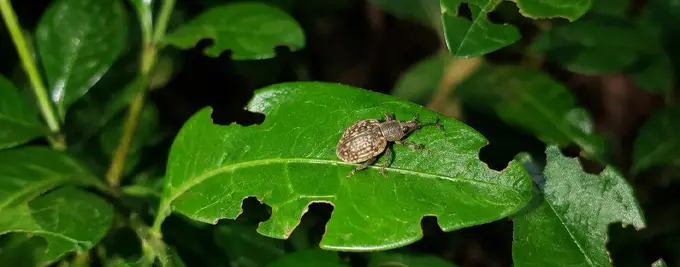
What Is Eating My Privet Hedge?
Chewed, notched or stripped Privet leaves can have several causes, and the shape of the damage is often more useful than the…
Read answer
Why Is My Privet Hedge Dying?
A Privet hedge can lose leaves, turn brown or die back for several different reasons. The position and pattern of the damage…
Read answer
Can Euonymus Green Spire Be Grown in Pots?
Green Spire's naturally upright, compact habit makes it well suited to container growing. Pots do, however, need more regular watering and root…
Read answer
How Fast Does a Hornbeam Hedge Grow?
Hornbeam is a dependable native hedging plant, but the time it takes to form a useful screen depends on more than the…
Read answer
Is Holly Fast or Slow Growing?
English Holly is valued for dense evergreen foliage rather than rapid growth. Understanding its natural growth rate helps you choose the right…
Read answer
How Fast Does a Yew Hedge Grow Annually?
English Yew is often described as slow growing, but a healthy, established hedge can still make useful progress each year. Its actual…
Read answer