
Privet Hedge Problems: Pests, Diseases and Solutions
Privet is generally a tough and adaptable hedging plant, but yellow leaves, brown patches, bare stems or sudden dieback can still develop. These symptoms do not automatically mean that the hedge has a pest or disease. In many cases, the underlying cause is drought, waterlogging, poor planting depth, damaged roots, frost, overfeeding or competition from nearby plants.
The pattern of damage is often the best starting point. A complete new hedge declining shortly after planting suggests a different problem from one established plant suddenly dying in the middle of a healthy row. Curled young leaves may indicate Privet aphid, while white fungal growth beneath bark at ground level can be associated with honey fungus.
This guide explains how to diagnose common Privet hedge problems, recognise important pests and diseases and decide what action to take. For complete advice covering varieties, planting, watering, feeding and pruning, visit our Privet Hedge Care Guide .
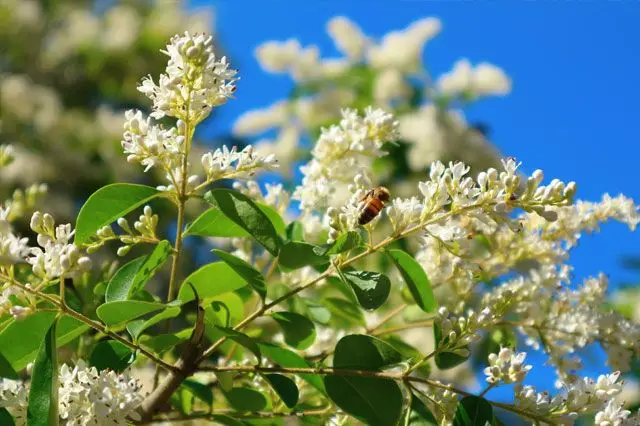
Privet hedge problems guide contents
Before diagnosing a Privet hedge problem
Similar symptoms can have very different causes. Yellow foliage can result from dry roots, saturated soil, natural winter leaf loss, nutrient availability, pests or root disease. Wilting can indicate drought, but it can also occur when waterlogged or diseased roots are no longer functioning.
Avoid choosing a treatment based only on leaf colour. Start by examining the complete hedge, the soil and the roots.
Check the pattern of damage
Consider whether the problem affects:
- One isolated plant
- Several neighbouring plants
- The complete hedge line
- Only the top or exposed side
- Only the lower branches
- Young shoot tips
- Older internal leaves
- Plants beside a wall, tree, drain or paved area
A whole hedge declining evenly usually points towards a shared environmental or aftercare problem. One plant dying among otherwise healthy neighbours may have root damage, poor planting, localised drainage problems or a root disease.
Check the root-zone moisture
Move aside any mulch and inspect the soil beneath the surface. For pot-grown or root-balled plants, check the original root ball itself rather than only the surrounding ground.
The surrounding soil can feel damp while the original root ball remains dry. Conversely, the soil surface can look dry while the deeper planting trench is saturated.
Look for:
- Dry, dusty soil around the roots
- Water standing in the planting trench
- A sour or stagnant smell
- Very soft, dark or decaying roots
- A hard, compacted layer below the surface
- Water running away without penetrating the root ball
Check the planting depth
The top of the original root system should normally finish level with the surrounding ground. Privet planted too deeply may decline slowly, while plants left too high can dry quickly and become unstable.
Move soil and mulch away from the stem base to find the top of the root system. Do not assume that the visible soil level is the original planting depth.
Check stems and bark
Inspect the lower stems for:
- Strimmer or mower damage
- Rabbit or deer damage
- Cracks and splits
- Bark that is loose or peeling
- Dark, sunken or discoloured areas
- Tight ties, wires or guards
- White fungal growth beneath the bark
- Black root-like strands around the roots or stem base
Check recent site history
Ask what changed before the symptoms appeared:
- Was the hedge recently planted or transplanted?
- Was there a period of heat, drought, frost or strong wind?
- Was the soil flooded or waterlogged?
- Was fertiliser, weedkiller or another garden product applied nearby?
- Were paving, fencing, drainage or building works carried out?
- Were the roots disturbed?
- Was the hedge cut back severely?
- Did an irrigation system stop working?
This information can be more useful than immediately searching for insects on the leaves.
Privet hedge symptom checker
| Symptom | Possible causes | What to check first |
|---|---|---|
| Yellow leaves across a new hedge | Transplant stress, dry roots, waterlogging, deep planting or natural seasonal leaf loss | Root-ball moisture, drainage, planting depth and planting date |
| Yellow leaves with green veins | Restricted nutrient uptake, root damage, unsuitable soil conditions or waterlogging | Drainage, root health and whether symptoms affect young or old leaves |
| Brown leaf tips and margins | Drought, drying wind, root damage, salt or excessive fertiliser | Moisture below the surface and recent feeding or weather |
| Brown or black young shoots after cold weather | Frost or cold wind damage | Whether damage is concentrated on exposed new growth |
| Curled and distorted young leaves | Privet aphid or other sap-feeding insects | Unroll affected leaves and inspect shoot tips |
| Sticky leaves with black surface mould | Honeydew from aphids or scale insects followed by sooty mould | Leaves, stems and branch joints for sap-feeding insects |
| White powder on foliage | Powdery mildew | Whether the coating rubs from the leaf surface and appears during warm, dry conditions |
| Brown, black or purple leaf spots | Leaf spot disease, weather damage, spray damage or physical injury | The shape, spread and timing of the marks |
| Notches around leaf edges | Adult weevil feeding | Whether plants are container-grown and whether root damage is also present |
| One plant suddenly wilting | Dry root ball, damaged roots, localised waterlogging, failed establishment or root disease | Roots, planting depth and local soil conditions |
| Several adjacent mature plants dying | Root disease, drainage problem, trench compaction or major root disturbance | Stem bases, roots, fungal signs and site drainage |
| White sheets beneath bark at ground level | Possible honey fungus | White fungal growth, black rhizomorphs and autumn mushrooms |
| Bare lower hedge with a dense, wide top | Self-shading caused by incorrect hedge shape | Whether the top is wider than the base |
| Golden Privet producing plain green shoots | Reversion | Trace green shoots back to their point of origin |
This table is a starting point rather than a definite diagnosis. More than one problem can affect the same hedge at the same time.
Why are Privet leaves turning yellow?
Yellow leaves are one of the most common Privet concerns, but they do not identify one specific problem. The age of the hedge, season, soil moisture and pattern of yellowing should all be considered.
Natural winter leaf loss
Privet is generally semi-evergreen rather than reliably evergreen in the UK. Common and Golden Privet may retain much of their foliage in mild, sheltered conditions, but can lose considerably more during cold or exposed winters. Wild Privet is naturally more deciduous.
Older foliage may yellow before falling as temperatures drop. When stems remain flexible and healthy buds begin to swell in spring, seasonal leaf loss is not normally a cause for concern.
Drought and dry root balls
Newly planted Privet can develop yellow leaves when the roots dry out. Pot-grown and root-balled plants are particularly vulnerable when the surrounding soil is damp but water has not penetrated the original root mass.
Check moisture several centimetres below the surface. Water slowly and thoroughly when the root zone is beginning to dry, then allow excess water to drain away.
Waterlogging
Prolonged saturation reduces the oxygen available to roots. Affected plants may yellow, wilt, lose leaves and eventually develop root decay.
Do not respond to wilted foliage by automatically adding more water. Check whether the soil is already saturated. Correct drainage problems and avoid compacting wet ground.
Planting too deeply
When soil or mulch covers the lower stems, oxygen movement around the root system may be reduced and the buried bark can begin to deteriorate. Gradual yellowing, weak growth and dieback may follow.
Carefully expose the top of the root system and compare it with the surrounding ground level. A badly buried or sunken plant may need to be lifted and reset during suitable conditions.
Root competition
Privet planted beneath mature trees, beside established hedges or close to dense grass can struggle for water and nutrients. This often produces uneven yellowing and reduced growth rather than the rapid collapse associated with severe root disease.
Maintain a weed-free planting strip and check moisture more frequently in areas dominated by established roots.
Nutrient availability
Yellowing can sometimes be associated with poor nutrient availability, but fertiliser should not be the first response. Waterlogging, drought, damaged roots and unsuitable soil conditions can all prevent plants from taking up nutrients that are already present.
Investigate soil moisture and root health before applying feed. Where feeding is appropriate, use a suitable hedge fertiliser in spring according to its label.
Root disease
Honey fungus, Phytophthora root rot, white root rot and Verticillium wilt can all contribute to yellowing, sparse foliage and dieback. These conditions cannot normally be confirmed from yellow leaves alone.
Look for declining vigour, decayed roots, staining within stems, fungal growth around the stem base or a pattern spreading through neighbouring plants.
Why are Privet leaves turning brown?
Drought stress
Dry roots commonly cause brown tips, brown margins, wilting and premature leaf fall. Newly planted hedges, large root balls and plants growing in light soil are particularly vulnerable.
Wind can increase water loss even when temperatures are not exceptionally high. Privet beside a wall or fence may also receive less rainfall than expected.
Check the complete rooting depth and water slowly enough for moisture to penetrate the soil. Do not rely on frequent light sprinkling.
Waterlogging and root damage
Brown leaves can also develop when roots are sitting in saturated soil. Damaged roots cannot supply the foliage effectively, so the visible symptoms may resemble drought.
If the ground remains wet for long periods, stop routine irrigation and investigate drainage. Waterlogging is particularly likely where planting trenches were dug through compacted clay.
Frost and cold wind
Young Privet growth can be damaged by late frost or cold, drying wind. Tender shoot tips may initially appear dark or water-soaked before turning black or brown.
Wait until active growth resumes before deciding how much is dead. Cut damaged shoots back to healthy growth after the main risk of severe frost has passed.
Heat and sun scorch
Recently planted or recently pruned foliage can scorch during periods of intense heat, especially where the roots are dry. Golden Privet may also show foliage damage in a very hot, exposed position.
Maintain appropriate root moisture and avoid severe pruning during hot, dry weather. Do not keep the soil continuously saturated in an attempt to prevent scorch.
Excess fertiliser or salt
Too much fertiliser can damage roots and cause leaf margins to brown. Similar symptoms may occur where de-icing salt, contaminated runoff or concentrated garden products enter the root zone.
Stop further applications and investigate what has been used nearby. Do not add another product in an attempt to reverse possible fertiliser damage.
Spray or weedkiller damage
Drift from weedkillers and other sprays can cause distorted, discoloured or dying growth. Damage may be concentrated on the side facing the treated area.
Record what was applied, when it was used and the weather conditions. Avoid removing the complete affected area immediately unless the growth is clearly dead, as the eventual pattern can help identify the cause.
Why is Privet losing its leaves?
Privet leaf loss can be normal or stress-related. The timing and condition of the stems help distinguish the two.
Seasonal leaf loss
Common and Golden Privet can lose foliage during cold winters, while Wild Privet naturally loses a greater proportion. Healthy plants usually produce replacement growth during spring.
Transplant shock
New Privet may shed leaves after planting because the root system cannot immediately support the existing foliage. This is more likely after warm-weather planting, root disturbance or delayed watering.
Check that the plant remains alive by lightly scraping a very small area of young stem. Green, moist tissue beneath the bark indicates that the stem is still living.
Severe drought or waterlogging
Both extremes can cause substantial leaf loss. Test the soil at root depth rather than diagnosing the problem from the leaves.
Pests
Heavy populations of sap-feeding pests can weaken foliage and contribute to premature leaf fall. Look for curled leaves, sticky honeydew, scale-like insects or fine mottling.
Root disease
Progressive thinning, dieback and leaf loss affecting complete branches or neighbouring plants requires closer investigation. Examine roots and stem bases and consider obtaining a professional diagnosis before replacing the hedge.
Why does a Privet hedge have bare patches?
The top is too wide
A tall hedge should normally be slightly narrower at the top than at the base. A broad top shades the lower branches, gradually causing them to become thin and bare.
Correct the shape gradually. Do not remove the top and both sides severely in one operation where the hedge requires major renovation.
Insufficient formative pruning
Young Privet allowed to grow straight upwards can produce height without developing enough low side branches. Light formative pruning encourages a denser framework.
Read our detailed guide to how and when to prune a Privet hedge .
Deep shade
A hedge beneath mature trees or between closely spaced buildings may become sparse because light is insufficient. Pruning cannot completely correct a position where the plants receive very little usable light.
Root competition or dry soil
Bare areas close to large trees, drains, paved surfaces or walls may correspond with localised drought or root competition.
Physical damage
Strimmers, mowers, rabbits, deer, vehicles and building work can damage individual stems and create gaps. Examine the base of affected plants before assuming disease.
Repeated cutting into weak areas
Do not remove the same amount from a sparse area as from vigorous sections. Leaving more green growth may help the weak section rebuild.
Why is newly planted Privet dying?
Problems developing during the first two growing seasons are more likely to involve establishment than an established pest or disease.
The root ball has dried out
A common problem with pot-grown and root-balled hedging is that the surrounding soil receives water while the original root mass remains dry. Check the root ball directly.
Bare roots dried before planting
Bare-root plants can be damaged when roots are exposed to sun or drying wind. Keep unplanted roots covered and moist and plant as soon as reasonably possible after delivery.
The plants were installed too deeply
The top of the original root system should normally be level with the surrounding ground. Deep planting can cause gradual decline.
The soil is waterlogged
A trench cut into compacted soil can collect water. Saturated roots may yellow, wilt and decay even though the foliage appears dry.
The plants were not firmed properly
Wind movement can create a socket around the stem and damage developing roots. Refirm loose plants and check whether larger stock requires temporary support.
Grass and weeds are competing with the hedge
Maintain a clear strip around young Privet. Grass can remove significant moisture from the same upper layer of soil being used by new roots.
The hedge received too much fertiliser
Concentrated fertiliser in direct contact with young roots can cause damage. Do not automatically feed newly planted Privet where soil preparation and moisture management are the real issues.
Some bare-root plants are still dormant
Bare-root plants may break dormancy at different times. Do not declare a plant dead solely because neighbouring plants have opened their leaves first.
Check for flexible stems and green tissue beneath a small area of bark. Continue monitoring moisture while allowing reasonable time for growth to begin.
For a complete establishment method, read our step-by-step Privet hedge planting guide .
Why is one Privet plant dying in an otherwise healthy hedge?
One isolated failure is often caused by a local issue rather than a problem affecting the complete hedge.
Possible causes include:
- A dry or damaged root ball
- Planting too deeply or too shallowly
- A pocket of compacted or waterlogged soil
- Old roots or building debris in the planting hole
- Damage from a mower, strimmer or animal
- A broken irrigation outlet
- Root disturbance from nearby work
- Vine weevil damage in a container-grown plant
- A root disease
Remove soil carefully from around the affected plant and compare its roots, depth and moisture with a healthy neighbour. Do not simply replace it without understanding why the first plant failed.
Common Privet pests
Healthy outdoor Privet can support insects without suffering serious harm. The presence of an insect does not always justify treatment. Identify the pest and assess the level of damage before taking action.
Privet aphid
Privet aphid is a sap-feeding insect specifically associated with Ligustrum. Colonies develop on young foliage and shoot tips, particularly during spring and summer.
Typical symptoms include:
- Leaves curling tightly downwards
- Distorted young growth
- Small pale green aphids inside curled leaves
- Sticky honeydew
- Black sooty mould growing on honeydew
The damage is usually cosmetic on an established hedge and the plant normally continues growing. Natural predators such as ladybirds, hoverfly larvae, lacewings and parasitoid wasps can reduce aphid populations.
Avoid removing large amounts of healthy growth merely to eliminate a small aphid population. On a young or heavily affected plant, distorted shoot tips can be selectively removed where no active bird nests are present.
Scale insects
Scale insects are sap-feeding insects protected by waxy or shell-like coverings. Different species vary in appearance, host range and life cycle.
Signs can include:
- Small brown, grey or pale scales attached to stems or leaves
- Sticky honeydew
- Black sooty mould
- Yellow or weak foliage where populations are heavy
- Reduced vigour on young or stressed plants
Dead scale coverings can remain attached after the insect has died, so visible scales do not necessarily prove that an infestation is active.
Inspect several parts of the hedge before deciding that treatment is required. Small populations can form part of normal garden biodiversity. Encourage natural predators and improve the general health of the hedge.
Sooty mould
Sooty mould is a black surface growth that develops on sticky honeydew produced by sap-feeding insects. It does not normally invade the living leaf tissue, but a heavy coating can reduce light reaching the leaves.
Look above and around affected areas for aphids, scale insects or other honeydew-producing pests. Managing the source of the honeydew is more useful than treating the black coating as a separate leaf disease.
Leaf-mining moths
Leaf-mining larvae feed within the leaf tissue and produce pale, brown or winding mines. Damage is normally most noticeable on individual leaves rather than causing complete hedge failure.
Remove heavily affected fallen leaves where practical and maintain overall plant health. Do not confuse internal leaf mines with surface fungal spots.
Thrips
Thrips are very small insects that feed on leaf surfaces. Damage can produce fine pale mottling, silvery patches, distorted young foliage and tiny dark deposits.
Similar markings can also be caused by mites, weather or spray injury, so use a hand lens and inspect the undersides of leaves before diagnosing thrips.
Weevil damage
Adult vine weevils and related weevils can produce irregular notches around leaf margins. Adult feeding is often mainly cosmetic.
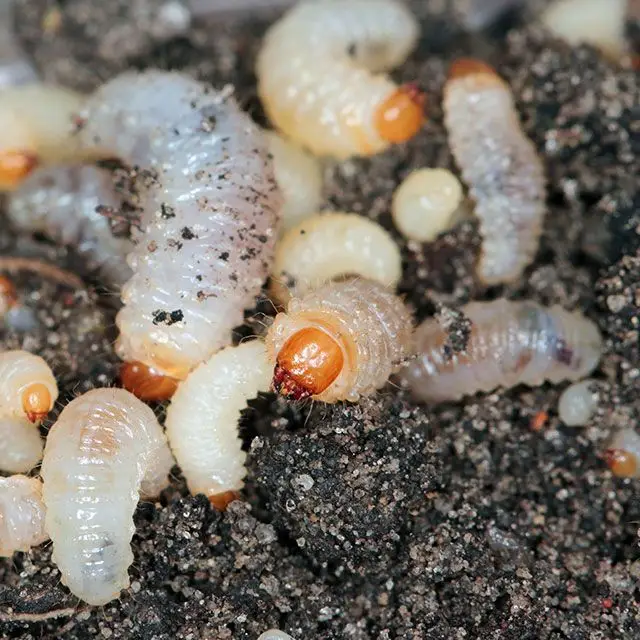
Vine weevil grubs are more important on plants grown in containers because they feed on roots. Symptoms can include unexpected wilting, poor growth and a plant becoming loose because much of the root system has been eaten.
When a recently planted pot-grown Privet fails, inspect the original root ball for cream-coloured, C-shaped, legless grubs with brown heads. Notched Privet leaves in the garden can also be caused by Privet weevil, whose larvae do not normally cause significant root damage.
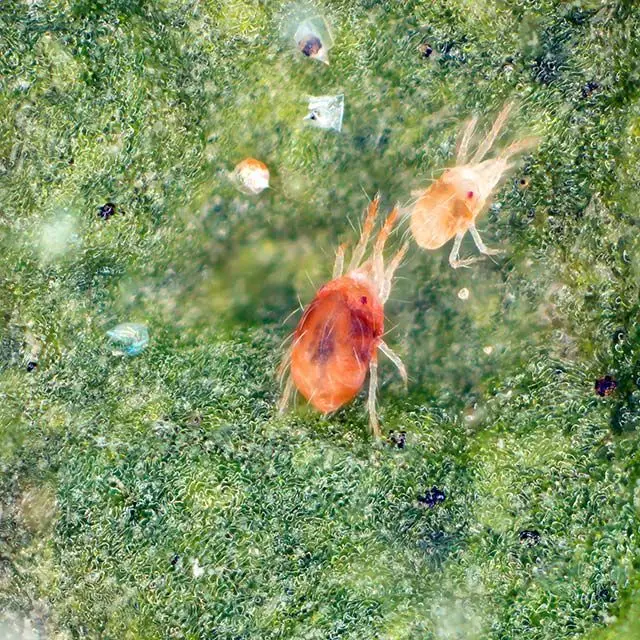
Spider mites
Spider mites are more likely to build up during hot, dry conditions, particularly on sheltered plants or stock kept in containers. They can cause fine pale mottling, dull foliage and premature leaf fall. Fine webbing may be visible when populations are high.
Do not diagnose spider mites from pale foliage alone. Inspect leaf undersides with a hand lens and rule out drought, thrips and nutrient-related yellowing.
Common Privet diseases
Powdery mildew
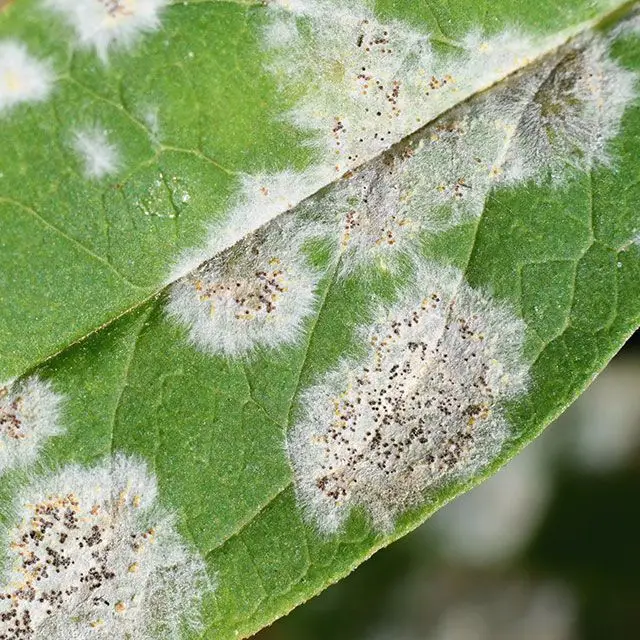
Powdery mildew appears as a white or grey powdery coating on leaves, shoots and sometimes buds. Infected young leaves may curl or become distorted.
The disease is often encouraged by dry roots, warm conditions and poor airflow around soft, crowded growth. Unlike many leaf fungi, powdery mildew does not require a film of water on the leaves to infect them.
Management includes:
- Watering the root zone during dry periods
- Avoiding repeated light watering of only the surface
- Reducing severe root competition
- Avoiding excessive high-nitrogen feeding
- Using appropriate pruning to improve airflow without creating large bare gaps
- Removing heavily affected young shoots where practical
A light infection late in the growing season may have little long-term effect on an otherwise healthy hedge.
Leaf spots
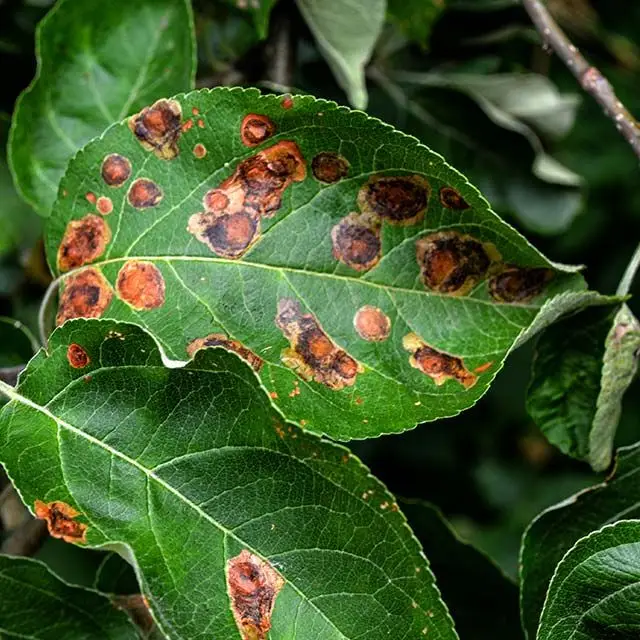
Privet can be affected by several leaf-spotting organisms. Symptoms may include brown, purple or black marks, sometimes with yellow margins. Heavily affected leaves can fall prematurely.
Leaf spots can be confused with scorch, frost, spray damage and physical injury. Note whether the marks are spreading, whether they appear on both sides of the leaf and whether affected leaves are clustered in damp, crowded areas.
To reduce repeated problems:
- Remove heavily affected fallen leaves where disease is recurring
- Avoid unnecessary overhead watering late in the day
- Improve airflow through severely congested growth
- Keep cutting tools clean
- Avoid excessive nitrogen that produces very soft growth
- Maintain suitable root moisture and general plant health
Do not assume that every brown spot requires fungicide. Accurate identification matters because several environmental problems produce similar markings.
Verticillium wilt
Verticillium is a soil-borne fungal disease that enters through the roots and affects the plant’s water-conducting tissues.
Possible symptoms include:
- Wilting despite apparently moist soil
- Yellowing foliage
- Dieback affecting one branch or section first
- Dark staining within the wood of affected shoots
- Progressive decline
These symptoms are not unique to Verticillium. Drought, damaged roots and other root diseases can look similar. Laboratory diagnosis may be needed before major action is taken.
Remove clearly dead material and avoid moving contaminated soil around the garden. Where Verticillium is confirmed, consider professional advice before replanting the same position.
Phytophthora root rot
Phytophthora species are microscopic, fungus-like organisms that can cause root and stem-base decay. Problems are particularly associated with heavy, compacted or waterlogged soil.
Symptoms can include:
- Wilting
- Yellow or sparse foliage
- Branch dieback
- Dark, decayed roots
- Discolouration beneath bark near the stem base
- Progressive decline and plant death
Improve drainage and avoid transferring wet soil from affected areas. Severely affected plants may need to be removed, but diagnosis should be confirmed where several established plants are involved.
White root rot
White root rot can affect Privet roots and cause declining growth, yellowing and dieback. White fungal growth may be associated with affected roots.
Because several root diseases produce similar symptoms, do not attempt to identify white root rot from declining foliage alone. Examine the roots and seek diagnostic advice where the cause remains unclear.
Rust-like symptoms
True rust diseases produce coloured pustules, commonly orange, yellow, brown or black, usually on the undersides of leaves. However, rust should not be assumed to be a routine or leading Privet problem.
Brown or orange markings may instead be leaf spots, insect damage or environmental injury. Obtain a reliable identification before applying treatment.
Honey fungus in Privet hedging
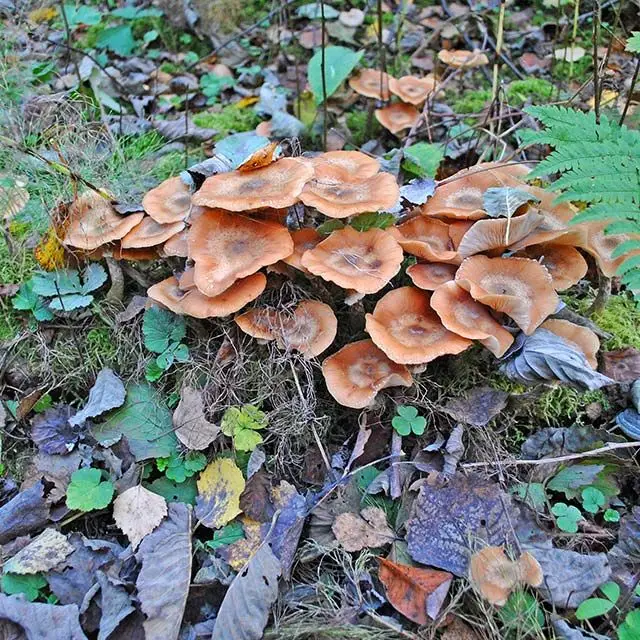
Privet is recognised as a particularly susceptible host of honey fungus. Honey fungus is caused by several Armillaria species that attack the roots and lower stems of woody plants.
Privet decline should not be labelled honey fungus simply because mushrooms appear nearby. Positive signs need to be examined carefully.
Honey fungus symptoms
Possible signs include:
- Progressive thinning and branch dieback
- Leaves becoming smaller, paler or falling early
- Sudden collapse following a period of decline
- Cracked or dying bark around the stem base
- White sheets of fungal growth between the bark and wood near ground level
- Black, bootlace-like rhizomorphs around roots or beneath bark
- Groups of honey-coloured mushrooms near affected plants or old stumps, often in autumn
All Privet roots are naturally pale internally, so normal root colour should not be confused with the characteristic white fungal sheets found beneath diseased bark.
What should be done when honey fungus is suspected?
- Record the pattern. Note which plants are declining and whether the problem is spreading through the row.
- Examine the stem base and major roots. Look for characteristic white fungal sheets and black rhizomorphs.
- Photograph temporary signs. Mushrooms may only be visible for a short period.
- Seek confirmation. Professional or laboratory diagnosis is sensible before removing a substantial established hedge.
- Remove dead and severely affected plants where confirmed. Remove as much infected root and stump material as practical.
- Do not reuse affected woody material as mulch. Dispose of it in accordance with local guidance.
- Reduce plant stress. Correct drought, waterlogging, compaction and other factors that weaken remaining plants.
- Consider the replacement species carefully. Replanting highly susceptible Privet directly into a confirmed outbreak may lead to further losses.
Honey fungus cannot normally be eliminated from an established garden simply by applying a fungicide to the soil.
Powdery Mildew
Powdery mildew is a common fungal disease that affects plants, including privet hedges. It appears as white patches on the stems and leaves of infected plants, which can cause yellowing and wilting if left unchecked.
Treating mildew requires a fungicide to be applied directly onto all affected areas of the privet hedge. It is important to follow application directions carefully as it can be easy to miss spots that may still be infected.
Additionally, it is advisable to apply a second treatment two weeks later to ensure that any new infections are also treated.
Rust and Leaf Spot
Rust and leaf spot are two fungal diseases that affect privets. Both cause spots or discolouration on the leaves of the plants, but can be distinguished by their colour — rust is reddish-orange in appearance, while leaf spots are usually yellow or brown.
If caught early, these problems can often be resolved with fungicides. However, it is important to thoroughly cover all affected areas in order to prevent further infections.
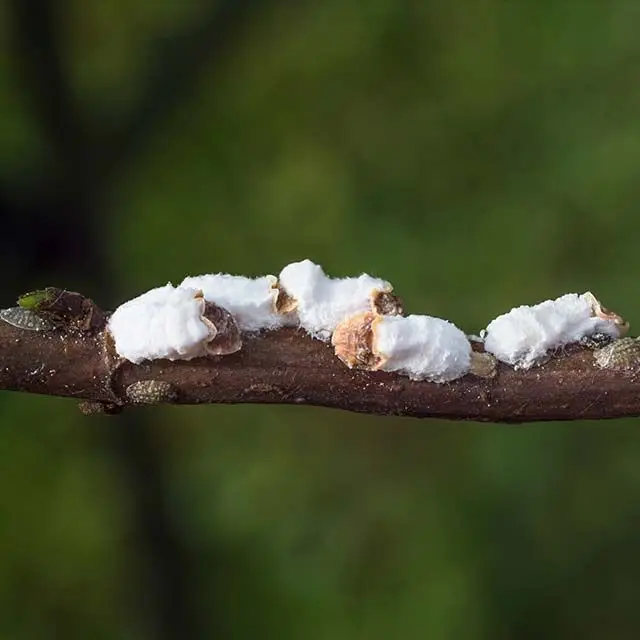
Scale Insects
Scale insects are a common problem for privet hedges. These small pests feed on the sap of the leaves and stems, which can cause significant damage over time. The main symptom is visible yellow spots on the underside of leaves or around the stem tips.
Treating scale insects can be done by using insecticidal soaps or horticultural oils. It is important to apply the treatment at least twice, as this will ensure that any newly hatched insects are also killed.
Scale Insects
Scale insects are a common problem for privet hedges. These small pests feed on the sap of the leaves and stems, which can cause significant damage over time. The main symptom is visible yellow spots on the underside of leaves or around the stem tips.
Treating scale insects can be done by using insecticidal soaps or horticultural oils. It is important to apply the treatment at least twice, as this will ensure that any newly hatched insects are also killed.
Vine Weevil
Vine weevil is a common insect pest that affects privet hedges. These beetles feed on the foliage, which can cause significant damage to the hedge. The adult beetles have a brown and black colouration with long snouts and curved antennae, while the larvae are small grubs that live in the soil around the roots of the plants.
The best way to treat vine weevil is by using an insecticide. It is important to apply the product evenly and thoroughly, as well as ensuring that any affected foliage is removed and destroyed. Additionally, it is advisable to use a soil drench around the base of the hedge in order to kill any larvae that may be present.
How to prevent Privet hedge problems
Plant at the correct depth
Keep the top of the root system level with the surrounding ground. Avoid burying stems beneath soil or mulch.
Prepare a broad rooting area
Relieve compaction along the complete planting strip. Small holes dug into hard or waterlogged ground can restrict roots and collect water.
Water according to the soil
Check moisture rather than watering automatically. Apply enough water to reach the complete root system, then allow excess water to drain.
Maintain a weed-free strip
Grass and weeds compete strongly with young hedging. Apply a suitable organic mulch over moist soil while keeping it clear of the stems.
Avoid excessive feeding
Too much nitrogen can encourage soft, vulnerable growth and will not correct poor drainage or damaged roots. Feed in spring only where soil conditions or weak growth justify it.
Prune at suitable times
Make routine trims between late spring and late summer. Stop routine trimming by late summer so new growth can mature before colder weather.
Keep tools clean and sharp
Clean cutting equipment after working on diseased material and before moving between unrelated hedges. Sharp blades produce cleaner cuts and reduce unnecessary damage.
Protect stems
Keep strimmers and mowers away from the base of the hedge. Use guards where rabbits, deer or other animals are likely to cause damage.
Inspect new plants
Check foliage, stems and root balls before planting. Keep bare roots covered and moist and inspect container-grown plants for root pests.
Support garden biodiversity
Many aphids, scale insects and other small pests are eaten by birds, ladybirds, hoverflies, lacewings and parasitic wasps. Avoid unnecessary broad-spectrum treatment that may remove beneficial predators along with the pest.
Frequently asked questions about Privet hedge problems
Why is my Privet hedge suddenly turning brown?
Check root-zone moisture first. Drought, waterlogging, frost, cold wind and root damage are common causes of sudden browning. When only one plant is affected, compare its roots, depth and local soil conditions with healthy neighbours.
Why is my Privet hedge turning yellow?
Yellowing may result from natural winter leaf loss, dry roots, saturated soil, deep planting, root competition, nutrient availability or root disease. The pattern and condition of the roots are more useful than leaf colour alone.
Is my Privet hedge dead if it has lost all its leaves?
Not necessarily. Privet is semi-evergreen and can lose substantial foliage during cold weather or after transplanting. Check whether stems remain flexible and whether green tissue is present beneath a small area of bark.
How can I tell whether Privet is overwatered?
Overwatered Privet may yellow, wilt, lose leaves and develop weak or decaying roots. The soil remains saturated and may smell stagnant. These symptoms can resemble drought, so inspect the soil below the surface before changing the watering routine.
How can I tell whether Privet is underwatered?
Dry soil, wilting, curled leaves and brown leaf margins are common signs. Check the original root ball as well as the surrounding soil. A root ball can remain dry even after the nearby ground has been watered.
What causes curled Privet leaves?
Privet aphid commonly causes young leaves to curl tightly and become distorted. Open affected leaves and look for small pale green aphids. Curling can also follow frost, drought or spray damage.
What is the sticky substance on Privet leaves?
The sticky material is likely to be honeydew excreted by sap-feeding insects such as aphids or scale insects. Black sooty mould may subsequently grow on the honeydew.
What is the black coating on my Privet hedge?
A black surface coating is often sooty mould growing on insect honeydew. Inspect the foliage and stems above the affected area for aphids or scale insects.
What is the white powder on Privet leaves?
A white, dusty coating that spreads across the leaf surface is likely to be powdery mildew. Improve root moisture and airflow and avoid excessive nitrogen feeding. A small late-season infection may cause little lasting harm.
What causes holes or notches in Privet leaves?
Irregular notches around the edges may be caused by adult weevils. Internal tunnels or pale patches can be caused by leaf-mining larvae. Minor leaf damage does not normally threaten an established hedge.
Does vine weevil kill Privet hedges?
Vine weevil grubs can seriously damage roots, particularly while Privet is growing in containers. Established plants in open ground are usually less vulnerable. Privet weevil can notch leaves, but its larvae do not normally cause noticeable garden root damage.
Why is one plant dying in the middle of my Privet hedge?
Check for a dry root ball, deep planting, waterlogging, damaged bark, irrigation failure, local compaction and root pests. A root disease is possible, but an isolated plant should not be diagnosed from foliage alone.
Why are several Privet plants dying next to each other?
A group of neighbouring failures can indicate a shared drainage problem, damaged roots, trench compaction or a spreading root disease. Examine the stem bases and roots and seek diagnosis where fungal disease is suspected.
How do I recognise honey fungus on Privet?
Characteristic signs include white fungal sheets beneath bark near ground level, black bootlace-like rhizomorphs and groups of honey-coloured mushrooms. The hedge may also show thinning, dieback and premature leaf loss.
Can honey fungus be cured?
There is no simple garden treatment that removes honey fungus from established soil. Confirm the diagnosis, remove dead and severely affected plants where appropriate, remove as much infected woody root material as practical and reduce stress on remaining plants.
Should I spray my Privet hedge with fungicide?
Do not spray solely because leaves are yellow, brown or spotted. Drought, waterlogging, frost and root damage often produce similar symptoms. Identify the likely cause first and use only products currently authorised for the intended plant and problem, following the complete label.
Should I spray insects on Privet?
Small populations of aphids, scale and other insects can form part of normal garden biodiversity and are often controlled by predators. Treatment should only be considered where a reliably identified pest is causing unacceptable damage.
Why does Golden Privet have green branches?
Plain green shoots are reverted growth. They can be more vigorous than the variegated sections. Trace each green shoot back to its point of origin and remove it with clean secateurs.
Why is Golden Privet losing its yellow colour?
Golden Privet normally develops its strongest colour in good light. Deep shade can make the foliage appear greener. New growth, season and general plant health can also affect colour.
Why is my Privet hedge bare at the bottom?
A top-heavy shape often shades the lower branches. Deep shade, drought, root competition and insufficient formative pruning can also contribute. Gradually correct the hedge shape and address the underlying growing conditions.
Will a brown Privet hedge grow back?
Privet often regrows when stems and roots remain healthy. Remove dead growth only after the extent of damage is clear, correct moisture or drainage problems and allow time for new shoots to develop. A hedge affected by severe root decay may not recover.
Can a failed Privet plant be replaced in the same place?
Yes, when the cause was physical, such as drought, poor planting or stem damage, provided the problem is corrected. Replanting may be unsuitable where a serious soil-borne disease has been confirmed.
Choose healthy Privet hedging plants
Our Privet hedging range includes fast-growing Common Privet, colourful Golden Privet and native Wild Privet in a selection of sizes and root types.
For complete advice on choosing, spacing, watering, feeding and maintaining Privet, return to our Privet Hedge Care Guide .