
Hedging Plants for Sandy Soil
Hedging for light, free-draining ground

Hedging Plants for Sandy Soil

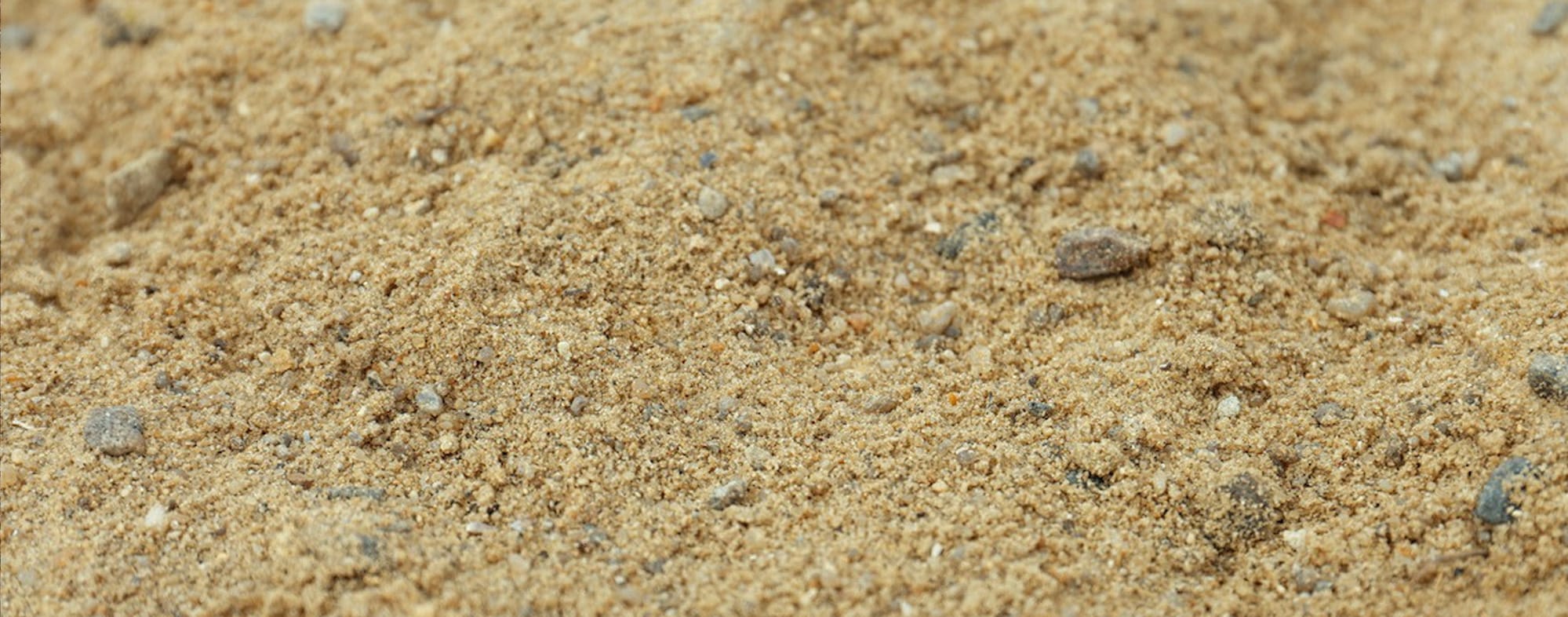
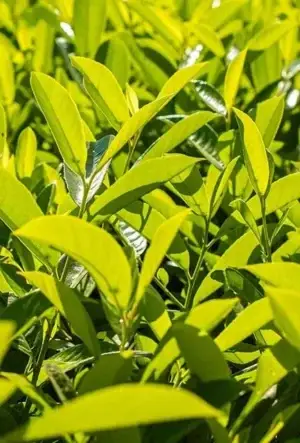
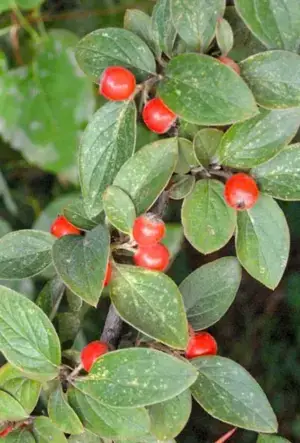
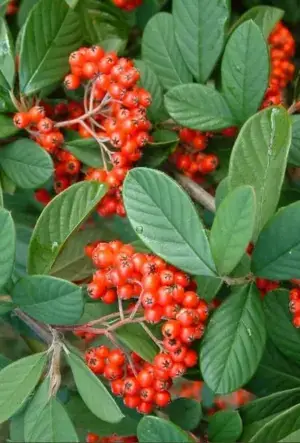
Shop hedging plants for sandy soil, including evergreen, deciduous and native options for light, free-draining ground. Sandy soil warms quickly and is easy to work, but it can lose moisture and nutrients faster than heavier soils. Common Privet, English Yew, Beech, Hawthorn, Cherry Laurel and Oleaster are useful choices where the site suits them. Choose by the level of summer dryness, exposure, available width and whether you need year-round screening.

English Yew or Privet for Sandy Soil?

Both cope with free-draining ground, but they suit very different budgets, growth rates and hedge styles.
CompareEnglish Yew HedgingPrivet Hedging
Growth rateSlow to moderate, building a very dense hedge over timeFaster growing and quicker to fill a new boundary
Winter foliageFully evergreenUsually semi-evergreen and may lose more leaves in colder winters
Sandy soilLikes good drainage but benefits from moisture retention during establishmentAdaptable and generally dependable on light, free-draining soils
Hedge styleFormal, refined and very tightly clippedVersatile, practical and suitable for formal or informal boundaries
MaintenanceSlower growth usually means less frequent trimmingFaster growth normally means more regular clipping
Choose whenYou want a premium evergreen hedge and are happy to wait for slower growthYou want quicker, economical coverage on a light soil
Gwynne Bodsworth, founder and grower at Hedging Plants Direct
Expert nursery advice

Gwynne's Grower's Tip

With sandy soil, the important question is how quickly it dries once the weather warms up. Good drainage gives you plenty of hedge choices, but newly planted roots can lose moisture surprisingly quickly in a light soil. I would choose a species that genuinely suits the site, then concentrate on getting the first couple of growing seasons right rather than assuming a drought-tolerant hedge needs no help. Yew, Privet, Beech and Oleaster can all work well in the right sandy site, but their growth rate and final character are very different. If the position is also windy or coastal, that extra exposure should influence the choice just as much as the soil type.
Helpful answers

Frequently asked questions

01What Is the Best Hedge for Sandy Soil?

Common Privet, English Yew, Beech, Hawthorn, Cherry Laurel and Oleaster can all be useful hedging choices for sandy or free-draining soil. The best option depends on how dry the site becomes in summer, whether it is exposed and whether you need evergreen screening.

New plants in sandy ground still need careful establishment because moisture can move through the soil quickly.

02Can Evergreen Hedges Grow in Sandy Soil?

Yes. Yew, Laurel, Oleaster, Holly, Privet and several conifers can grow successfully in sandy soil where the site suits them. Good drainage is usually an advantage, but very light ground can dry quickly and may need more attention while the hedge establishes.

Choose the species according to exposure, available width and final hedge height as well as soil type.

03Is Sandy Soil the Same as Dry Soil?

Not exactly. Sandy soil is defined by its texture and free drainage, while a dry site is one where the root zone regularly lacks enough moisture. Many sandy soils become dry quickly in summer, but some receive enough rainfall or irrigation to remain suitable for a wide range of hedge plants.

Judge the site by how quickly the soil dries after rain as well as by its texture.

Helpful next steps

Growing Advice for Hedging Plants for Sandy Soil

Browse all Q&A

Choosing Hedging Plants for Sandy Soil

Sandy soil is usually light, free-draining and easy to work, but it can lose moisture and nutrients quickly during warm weather. The best hedge is therefore not simply the plant that likes drainage, but one that suits the actual level of summer dryness and exposure on the site. Privet, Yew, Beech, Hawthorn, Laurel and Oleaster all offer useful options in suitable conditions.

Free-Draining Does Not Mean Drought-Proof

Established hedges may cope well on light ground, but newly planted roots still need reliable moisture while they spread into the surrounding soil. Very sandy sites can dry quickly after rain, particularly beside walls, paving or in exposed positions. Species choice should reflect that risk rather than relying on a general sandy-soil label.

Choose by Hedge Style and Site

Use Privet where faster economical screening is important, Yew for a dense formal evergreen hedge, Beech for a traditional deciduous boundary and Oleaster where a tough evergreen is needed. If the site is also coastal, windy or unusually dry, treat those conditions as additional selection factors rather than choosing on soil texture alone.