Sweet Bay Laurel Hedge
Laurus nobilis
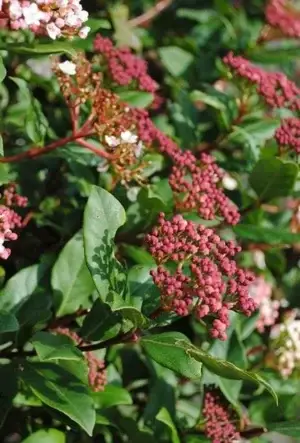
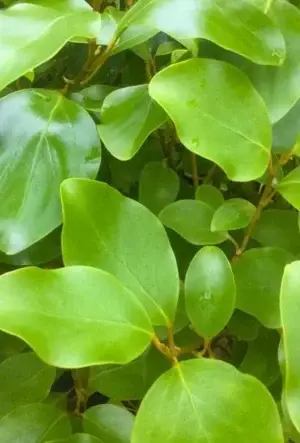
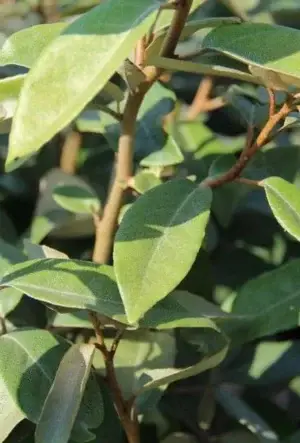
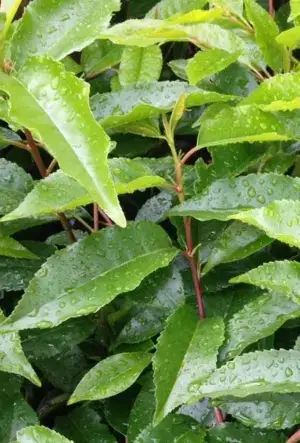
Sweet Bay, Laurus nobilis, also called Bay Laurel or Bay Tree, makes a dense, aromatic evergreen hedge with glossy dark green leaves that you can also pick for the kitchen.
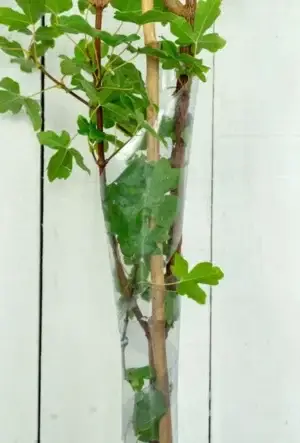
It is slow growing, typically 10–20cm a year, which means it holds a crisp clipped shape for a long time with little trimming. That makes it a smart choice for formal hedges, courtyard and patio screens and topiary in a sheltered, well-drained spot. Supplied pot grown in 70–150cm sizes, so it can be planted for most of the year.
Compare all our Laurel hedging, including faster-growing Cherry and Portuguese Laurel.
- ✓Aromatic evergreen leaves
- ✓Holds a formal shape
- ✓Leaves for the kitchen
- ✓Pot grown, 70–150cm
Key product facts
Sweet Bay Laurel Hedge Root Types
Choose from our range of Sweet Bay Laurel Hedge sizes and root types below.
Pot grown Sweet Bay Laurel hedging
Availability
- In Season
- Pre Order
- Out Of Season
- Jan
- Feb
- Mar
- Apr
- May
- Jun
- Jul
- Aug
- Sep
- Oct
- Nov
- Dec
Choose your height
Pick a height to see the relevant single-plant and bulk-buy options.
70-90cm
- £14.95
£14.95 per plant
90-120cm
- £22.95
£22.95 per plant
120-150cm
- £34.95
£34.95 per plant
Choosing your Bay hedge plants
Because Bay grows slowly, the size you plant is roughly the size of hedge you will have for the next few years. Choose a height close to the hedge you want rather than relying on fast growth to fill the gap.
| Size | Plants per metre | Best for |
|---|---|---|
| 70–90cm | 3 | Low formal hedges, edging and borders |
| 90–120cm | 3 | Waist to chest-height hedges and patio screens |
| 120–150cm | 3 | Taller formal hedges and more screening straight away |
All our Bay hedging is pot grown, so it can be planted for most of the year when the ground is workable. Avoid planting in frozen ground or just before a hard frost. For a single feature, see our Bay Laurel half-standard tree.
Why choose a Bay hedge?
Formal, aromatic and evergreen
Bay keeps its leathery, dark green leaves all year and releases its familiar scent when the leaves are brushed or cut. Its slow, dense growth clips into neat lines, cubes and domes, which is why it has been used for formal hedges and topiary for centuries.
Leaves you can cook with
Sweet Bay, Laurus nobilis, is the culinary bay leaf, so trimmings can go straight to the kitchen. This is not true of other laurels: Cherry and Portuguese Laurel are a different genus and their leaves are poisonous, so never cook with them.
Bay compared with other laurels
| Sweet Bay | Cherry Laurel | Portuguese Laurel | |
|---|---|---|---|
| Botanical name | Laurus nobilis | Prunus laurocerasus | Prunus lusitanica |
| Growth | Slow | Fast | Moderate |
| Leaves | Aromatic, culinary | Large, glossy, poisonous | Smaller, dark, poisonous |
| Hardiness | Best in sheltered, milder gardens | Very hardy | Very hardy |
| Best for | Formal hedges, patios, topiary | Fast privacy screening | Formal screening, chalky soil |
For a faster or hardier screen, compare Cherry Laurel hedging or Portuguese Laurel hedging.
Choosing the right hedge
Is a Bay hedge right for you?
A great choice if you want:
- ✓A neat, formal evergreen hedge
- ✓Aromatic leaves you can cook with
- ✓Patios, courtyards and town gardens
- ✓Topiary shapes and clipped edges
- ✓A hedge that needs little trimming
- ✓A sheltered, well-drained spot
Consider another hedge if:
- ×You need fast screening
- ×Your garden is cold, exposed or a frost pocket
- ×The ground stays wet in winter
- ×You want a tall hedge on a tight budget
Where does Bay grow best?
Shelter matters most
Bay is happiest in a sheltered spot out of cold, drying winds. In very hard winters, or in exposed and frost-prone gardens, the leaves can be scorched and young plants can be damaged. It does well in town gardens, courtyards, south and west-facing boundaries and milder coastal areas.
Soil and light
Plant in well-drained soil in sun or partial shade. Bay dislikes heavy ground that stays wet in winter, so on clay, improve the drainage along the whole planting strip before planting.
Planting, growth and trimming
How fast does Bay grow?
Bay typically grows around 10–20cm a year once established, so a clipped hedge needs only light, occasional trimming to stay sharp.
Planting and spacing
Plant pot-grown Bay at 3 per metre in a single row, at the same depth it was growing in its pot, and water well through its first spring and summer. In a cold spell in the first winter, a layer of horticultural fleece over young plants gives useful protection.
Trimming
Trim in late spring and summer with secateurs rather than hedge trimmers, cutting individual shoots so the large leaves are not left half-cut and browned. Avoid cutting while birds are nesting. Our how to prune a laurel hedge guide covers technique, and our Laurel care guide covers watering and feeding.
Buying help
Buying FAQs
How many Bay plants do I need per metre?+
Plant pot-grown Bay at 3 plants per metre in a single row for all of our sizes, 70–90cm, 90–120cm and 120–150cm.
What size Bay hedge plants should I buy?+
Because Bay grows slowly, buy close to the height you want. 70–90cm suits low formal hedges and edging, 90–120cm suits patio screens and garden boundaries, and 120–150cm gives the most screening from the start.
How fast does a Bay hedge grow?+
Bay typically grows around 10–20cm a year once established. That slow growth is why it keeps a formal shape so well, but it is not the right choice if you need a tall screen quickly.
Is Bay hardy in the UK?+
Bay is hardy in most of the UK in a sheltered position, but cold, drying winds and very hard frosts can scorch the leaves and damage young plants. Plant it out of exposed, frost-prone spots, and protect young plants with fleece in a severe cold spell.
Can I cook with leaves from a Bay hedge?+
Yes. Sweet Bay, Laurus nobilis, is the culinary bay leaf, so you can use the leaves and trimmings in cooking. Only do this with Sweet Bay: Cherry and Portuguese Laurel leaves are poisonous.
Is Bay Laurel the same as Cherry Laurel?+
No. Bay Laurel is Laurus nobilis, an aromatic, slow-growing evergreen with edible leaves. Cherry Laurel is Prunus laurocerasus, a much faster, larger-leaved hedge whose leaves are poisonous. They share a common name but are not related.
Helpful guides
More help with Bay and Laurel
Related hedge plants
Compare Laurel hedging plants and similar screening hedges with different foliage, growth habits, mature sizes and planting options.
- Price From £4.50 Shop Now This product has multiple variants. The options may be chosen on the product page
Portuguese Laurel is a dense evergreen hedge with glossy, dark green pointed foliage on red stems that is perfect for reducing road noise and providing privacy.
- Price From £15.95 Shop Now This product has multiple variants. The options may be chosen on the product page
Osmanthus × burkwoodii is a slow-growing evergreen hedge plant with small, dark-green leaves and fragrant white flowers in spring. It suits neat garden boundaries and grows in sun or partial shade in well-drained soil.
- Price From £12.95 Shop Now This product has multiple variants. The options may be chosen on the product page
Viburnum tinus hedge is a winter flowering evergreen form of hedging. Its dense bushy form has dark shiny leaves that shows off scented flowers in the winter months.
- Price From £3.50 Shop Now This product has multiple variants. The options may be chosen on the product page
English Holly is an attractive, native evergreen hedging plant with spiky glossy green foliage and produces white flowers in the spring.
- Price From £8.95 Shop Now This product has multiple variants. The options may be chosen on the product page
Griselinia is a dense evergreen hedging plant with attractive glossy apple green leaves and thrives in coastal positions.
- Price From £19.95 Shop Now This product has multiple variants. The options may be chosen on the product page
Oleaster Hedge is an attractive, variegated evergreen species with silvery green leaves that are silvery white underneath and has fragrant white flowers in the autumn.
Planting essentials
Give your new hedge the best possible start with the planting products we recommend for establishment and healthy growth.
- Price From £14.95 Shop Now This product has multiple variants. The options may be chosen on the product page
Support the establishment of newly planted hedges, trees and shrubs with Rootgrow mycorrhizal fungi. The beneficial fungi form a secondary root system that helps plants access water and nutrients from the surrounding soil.
The included dipping gel makes Rootgrow particularly convenient for bare-root hedging, while the dry granules can be applied directly to the roots of pot-grown and root-balled plants.
Choose from 360g, 1kg and 2.5L Professional packs for domestic gardens, longer hedge lines and trade or commercial planting projects.
- Price From £8.25 Shop Now This product has multiple variants. The options may be chosen on the product page
Feeding your hedging with our granular ‘Hedge Feed’ the ultimate solution for nurturing and rejuvenating your beloved hedge. Our carefully crafted long lasting granular hedge fertiliser provides the essential nutrients your hedge needs to thrive.
- Price From £0.95 Shop Now This product has multiple variants. The options may be chosen on the product page
As well as supplying high quality plants we also provide a complete Irrigation package to make sure your investment thrives.
- Price From £8.00 Shop Now This product has multiple variants. The options may be chosen on the product page
Our Hedge Planting Compost is a natural, peat free soil conditioner/improver.
- Price From £0.29 Shop Now This product has multiple variants. The options may be chosen on the product page
Our bamboo canes provide support to your hedge and ensures that plants fitted with a rabbit guard will grow nice and straight. They are 90cm long (3ft) and made from 100% bamboo.
- Price From £0.58 Shop Now This product has multiple variants. The options may be chosen on the product page
Our Hedging Spiral Guards help protect your hedge from damage by rabbits.