Hedging Plants for Clay Soil
Hedging for heavier ground

Hedging Plants for Clay Soil

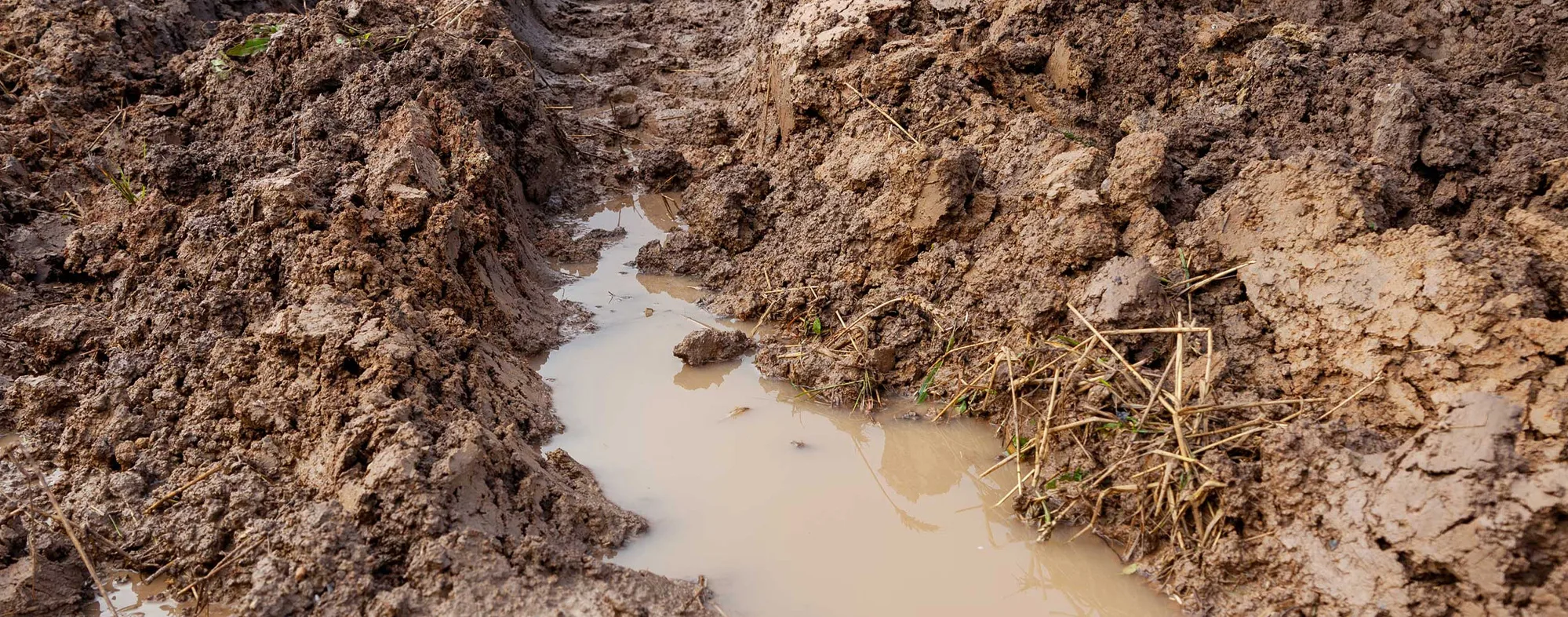
Shop hedging plants for clay soil, including formal, native and evergreen options for heavier moisture-retentive ground. Clay can be fertile and productive, but the right hedge depends on how compacted the soil is and whether excess water can drain after rain. Hornbeam is one of the strongest choices for heavy clay, while Hawthorn, Field Maple, Dogwood, Privet and selected evergreens also suit many clay sites. If water stands for long periods, treat that as a wet-ground problem rather than ordinary clay soil.
  • SALEBlackthorn hedging plantsBlackthorn HedgePrunus spinosaBlackthorn or Sloe is a thorny, native deciduous hedge plant which produces white flowers in spring, followed by attractive green leaves and Sloe's in the autumn.CoastalDeciduousBare RootPot GrownPrice From £0.95Shop now
  • SALEBox Leaf Honeysuckle hedging plantsBox Leaf Honeysuckle HedgeLonicera nitidaBox Leaf Honeysuckle Hedge is a dense, fast growing species with small glossy green leaves, scented white flowers in the spring and purple berries in the autumn. Ideal…CoastalBox AlternativeBare RootPot GrownPrice From £2.10Shop now
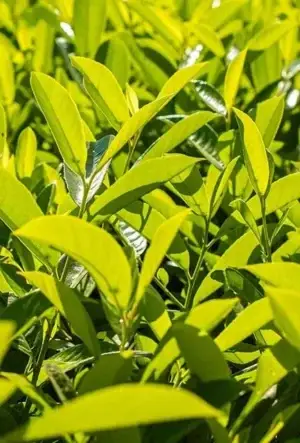
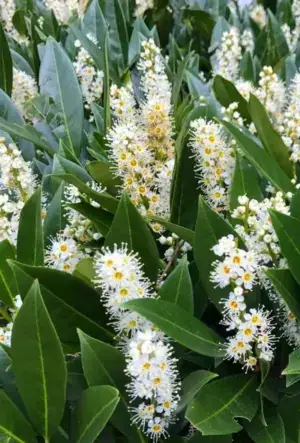
  • SALECherry Laurel (Prunus laurocerasus)Cherry Laurel HedgePrunus laurocerasus RotundifoliaCherry Laurel is a hugely popular vigorous, dense evergreen hedge with large glossy bright green leaves that is perfect for reducing road noise and providing privacy.CoastalEvergreenBare RootRoot BalledPot GrownInstant HedgingPrice From £2.60Shop now
  • Common Dogwood hedging plantsCommon Dogwood HedgeCornus sanguineaCommon Dogwood is best known for its bright orange stems that offer a splash of colour throughout the winter. It has green ovate leaves turning deep red in…Full SunColourful FoliageBare RootPot GrownPrice From £1.20Shop now
  • SALEPrivet Hedging Plants (Ligustrum ovalifolium)Common Privet HedgeLigustrum ovalifoliumCommon Privet is a popular form of evergreen / semi evergreen hedge. Very fast growing with dark green ovate leaves and lovely white flowers that are produced in…CoastalFloweringBare RootRoot BalledPot GrownInstant HedgingPrice From £1.60Shop now
  • SALECompact Laurel hedging plantsCompact Laurel HedgePrunus laur. 'Otto Luyken'Compact Laurel is a dense, evergreen hedge with glossy dark green pointed foliage and an abundance of scented white flowers in the spring followed by black berries in…ExposedEvergreenPot GrownPrice From £18.95Shop now
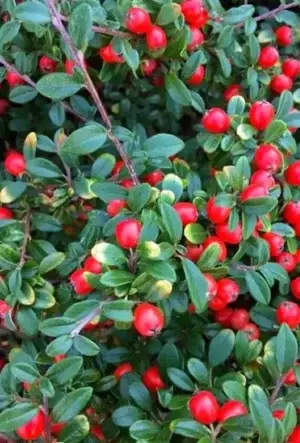
  • Cotoneaster dammeri hedging plantCotoneaster dammeri HedgeBearberry CotoneasterBearberry Cotoneaster is a vigorous, flat growing, evergreen shrub that will spread to around 2m, with small, rounded ovate leaves and small white flowers in early summer, followed…Full SunEvergreenPot GrownPrice From £14.95Shop now
  • Cotoneaster franchetii hedging plantsCotoneaster franchetii HedgeFranchet's CotoneasterCotoneaster franchetii is a fast growing dense evergreen hedging plant with grey-green ornate foliage. It produces blush white flowers in the spring which are followed by attractive orange…CoastalColourful FoliageBare RootPot GrownPrice From £2.20Shop now

Hornbeam or Beech for Clay Soil?

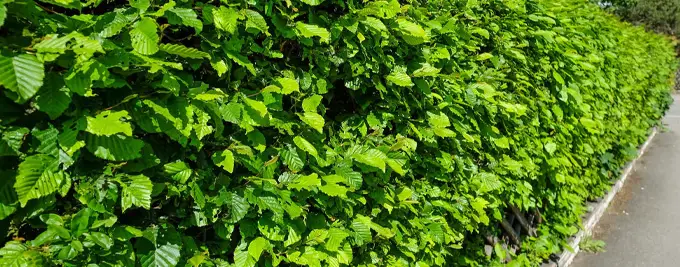
Both make traditional deciduous hedges, but heavier clay is one of the clearest reasons to choose Hornbeam over Beech.
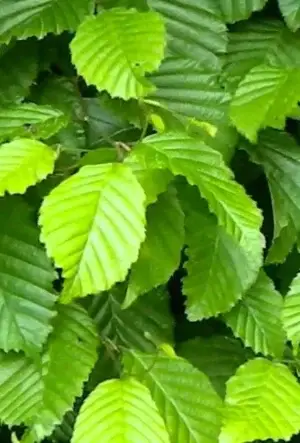
CompareHornbeam HedgingBeech Hedging
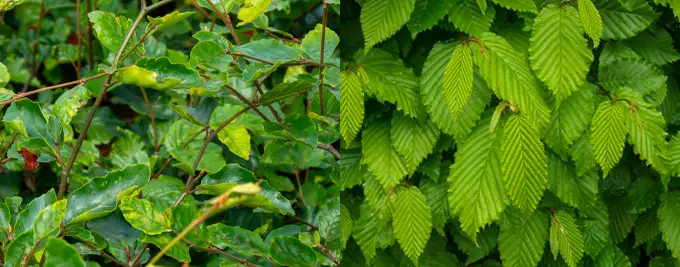
Heavy clayOne of the strongest formal choices for heavy, moisture-retentive clayBetter where clay has been improved and drains reliably
Damp groundMore tolerant of seasonally damp and moisture-retentive conditionsLess dependable where the soil remains persistently wet
Winter foliageMay retain some dry brown leaves after late-summer clippingUsually retains copper-brown winter leaves more consistently
AppearanceTextured, ribbed foliage with a slightly more natural characterSmoother foliage and a more uniform formal appearance
Shade & coldUsually stronger in partial shade, colder sites and frost pocketsBest in brighter positions with freer-draining soil
Choose whenYour priority is reliability on heavier clayYour clay drains well and winter leaf retention matters more
Gwynne Bodsworth, founder and grower at Hedging Plants Direct
Expert nursery advice

Gwynne's Grower's Tip

The first thing I look at on a clay site is not the colour of the soil but what happens after heavy rain. If it is sticky and slow to work but the water eventually drains, you have plenty of good hedge choices. Hornbeam is one of my favourites for heavier ground and is usually a safer formal choice than Beech. If water is still standing in the planting line days later, that is a drainage or wet-ground problem rather than simply 'clay soil'. Also avoid choosing the biggest plants purely for instant impact: smaller, well-rooted plants can establish very reliably in difficult ground when the species is properly matched to the site.
Helpful answers

Frequently asked questions

01What Is the Best Hedge for Heavy Clay Soil?

Hornbeam is one of the strongest formal hedge choices for heavy, moisture-retentive clay. Hawthorn, Field Maple and Dogwood are also useful native options, while Privet and several evergreen hedges can perform well where drainage remains adequate.

The best choice still depends on the amount of standing water, light, exposure and the style of hedge you want.

02Can Evergreen Hedges Grow in Clay Soil?

Yes. Several evergreen hedges can grow successfully on clay soil provided the planting area is not permanently saturated. Yew, Laurel, Holly, Oleaster and other evergreen options can suit clay sites, but their tolerance of standing water varies.

Where winter drainage is poor, choose the species according to the actual moisture level rather than selecting on evergreen foliage alone.

03Is Clay Soil the Same as Wet or Waterlogged Ground?

No. Clay soil naturally holds more moisture and drains more slowly than lighter soil, but it can still provide healthy growing conditions. Waterlogged ground remains saturated for long periods and leaves too little air around the roots for many hedge plants.

If water remains standing in the planting area well after rain, address the drainage or choose specifically for wet-ground conditions rather than relying on a general clay-soil recommendation.

Helpful next steps

Growing Advice for Hedging Plants for Clay Soil

Browse all Q&A
Hornbeam HedgingCare GuideHornbeam Hedging Care Guide: Planting, Spacing and PruningHornbeam Hedging Care Guide: Planting, Spacing and Pruning Hornbeam hedging grows best when it is planted at the correct depth in fertile soil that holds moisture without remaining…Read care guide Mixed native hedge beside an informal country garden in the UKCare GuideNative Mixed Hedging Care Guide: Planting, Spacing and PruningNative Mixed Hedging Care Guide: Planting, Spacing and Pruning A mixed native hedge establishes successfully when the species suit the site, the planting line is thoroughly prepared, the…Read care guide Established Laurel hedge with glossy evergreen foliageCare GuideLaurel Hedging Care Guide: Planting, Spacing and PruningLaurel Hedging Care Guide: Planting, Spacing and Pruning Laurel hedging establishes best when you choose the right type for the site, plant it at the same depth it…Read care guide Privet HedgingCare GuidePrivet Hedging Care Guide: Planting, Spacing and PruningPrivet Hedge Care Guide: Planting, Spacing and Pruning Privet hedging establishes best in moist but well-drained soil when it is planted at the same depth it was growing…Read care guide Dogwood hedge - CornusCare GuideDogwood Hedge Care Guide: Planting, Spacing and PruningPractical UK advice for planting, spacing, watering, feeding, pruning and maintaining Dogwood hedging, including winter stem colour, wildlife value and common problems.Read care guide cotoneaster franchetiiCare GuideCotoneaster Hedge Care Guide: Planting, Spacing and PruningPractical UK advice for planting, spacing, watering, feeding, pruning and maintaining Cotoneaster hedging, including Franchetii, Lacteus, Dammeri and common problems.Read care guide

Choosing Hedging Plants for Clay Soil

Clay is not automatically poor soil. It can hold useful moisture and nutrients, but its dense structure means the best hedge is one that tolerates slower drainage and heavier ground. Hornbeam is particularly dependable for formal hedging, while Hawthorn, Field Maple, Dogwood and mixed native hedging give strong options for rural or wildlife-focused boundaries.

Clay Soil or Waterlogged Ground?

The distinction matters. A clay planting line that becomes sticky after rain but drains again can support a wide range of hedges. Ground that stays saturated or holds standing water for long periods is more restrictive. In those conditions, the drainage problem and the actual moisture level should guide the plant choice.

Choose the Hedge Style as Well as the Soil Match

Once you know the site is suitable, decide whether you want formal structure, evergreen screening, a native boundary or a mixed wildlife hedge. Beech can work on improved, better-drained clay, but Hornbeam is generally the safer traditional choice on heavier ground. Evergreen species such as Privet, Laurel, Yew and Oleaster can also be considered where the clay drains sufficiently.