
Beech or Hornbeam: Which Hedge Is Better?
Beech and Hornbeam create similarly dense, traditional-looking hedges, but they perform best in different conditions. The right choice depends mainly on your soil, exposure, shade and preferred winter appearance.
Quick Answer
Neither is universally better. Choose Beech for free-draining soil, smoother foliage and stronger copper-brown winter leaf retention. Choose Hornbeam for heavy clay, moisture-retentive ground, colder gardens, frost pockets or a more shaded position. Both are deciduous, respond well to formal clipping and can create a dense boundary. In most cases, the soil and growing conditions should decide between them rather than appearance alone.
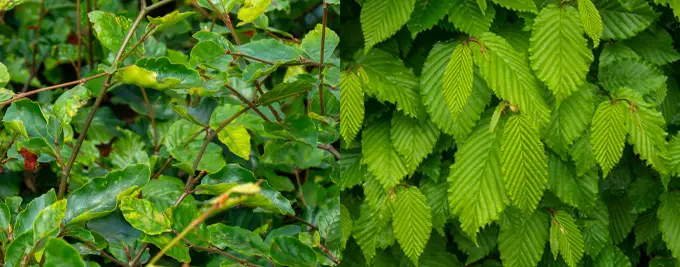
The Q&A should help you decide between Beech and Hornbeam
Beech and Hornbeam can both form attractive, dense hedges with fresh green summer foliage, autumn colour and some winter structure. They can also be maintained as neat formal boundaries or allowed to develop a broader, more natural appearance.
The most important difference is how they respond to the planting site. Beech generally performs best in reasonably fertile soil that drains freely. Hornbeam is usually more dependable where the soil is heavy, moisture retentive, colder or more difficult. Neither plant is suitable for ground that remains permanently flooded or stagnant.
Before choosing between them, examine the ground after prolonged rain. Soil that remains sticky, compacted and wet for long periods normally favours Hornbeam. Lighter loam, chalk or improved clay with reliable drainage may suit Beech well.
Beech vs Hornbeam: quick comparison
| Feature | Beech | Hornbeam | Best choice |
|---|---|---|---|
| Soil | Best in fertile, free-draining soil | Better suited to heavy, moisture-retentive clay | Hornbeam for heavier ground |
| Drainage | Dislikes persistently wet, airless soil | Tolerates wetter ground better, but not permanent waterlogging | Hornbeam |
| Winter leaf retention | Usually retains more copper-brown leaves when regularly clipped | Can retain dry leaves, but generally less reliably | Beech |
| Cold and frost-prone sites | Suitable, but young growth can be more vulnerable | Usually more dependable in colder gardens and frost pockets | Hornbeam |
| Shade | Performs well in sun or partial shade | Generally the safer choice where the planting line receives more shade | Hornbeam for the more difficult site |
| Exposure | Best on sheltered to moderately exposed sites | Usually better suited to exposed inland positions | Hornbeam |
| Leaf appearance | Smooth leaves with gently waved edges | Strongly veined, serrated and more textured foliage | Personal preference |
| Autumn and winter colour | Strong copper, bronze and reddish-brown tones | Yellow, gold and brown autumn colour | Beech for copper winter colour |
| Typical annual growth | Approximately 20–40cm once established | Approximately 20–40cm once established | Similar when planted in suitable conditions |
| Formal hedging | Excellent, with a smooth and uniform clipped finish | Excellent, but with a more textured appearance | Beech for a classic formal look |
| Difficult sites | Less forgiving of wet, compacted ground | More adaptable to heavy soil, cold and moisture | Hornbeam |
| Overall | Best where drainage is good and winter leaf retention matters most | Best where soil, cold, moisture or exposure make the site more challenging | Choose according to the site |
In simple terms: choose Beech for the more refined appearance and stronger copper-brown winter leaf retention. Choose Hornbeam where the soil is heavier, the garden is colder or the planting position is more difficult. Where both will grow well, appearance and winter colour can make the final decision.
When is Beech the better hedge?
Choose Beech where the soil drains reasonably well and winter leaf retention is an important part of the desired appearance.
Green Beech, Fagus sylvatica, produces smooth foliage with gently waved edges. The leaves emerge fresh green, deepen during summer and develop warm copper and bronze shades in autumn. A regularly clipped hedge commonly retains a substantial proportion of this dry foliage through winter before the new spring growth pushes it away.
Beech is particularly suitable for:
- traditional formal garden hedges
- free-draining loam, chalk or improved soil
- customers wanting strong copper winter colour
- sheltered or moderately exposed boundaries
- sites in sun or partial shade
- gardens where smooth, uniform foliage is preferred
Beech is deciduous rather than evergreen. Its winter screening comes from retained dry leaves and its dense branch structure, so complete coverage cannot be guaranteed during every winter. Leaf retention varies with hedge age, pruning, health, exposure and weather.
Customers can compare Green, Purple and mixed options through the Beech hedging range. Purple or Copper Beech has broadly similar growing requirements but develops its strongest colour in a brighter position.
When is Hornbeam the better hedge?
Hornbeam, Carpinus betulus, is usually the safer choice for heavy clay, colder gardens, frost pockets and ground that holds more moisture.
Its foliage has deeply impressed veins and sharply serrated edges, giving the hedge a more textured appearance than Beech. The leaves emerge fresh green before developing yellow, gold and brown autumn colour. A clipped hedge may retain some dry foliage through winter, although it generally holds less than a comparable Beech hedge.
Hornbeam is particularly suitable for:
- heavy or moisture-retentive clay
- cold and frost-prone gardens
- partially shaded boundaries
- exposed inland positions
- rural or less formal planting schemes
- customers who prefer strongly textured foliage
Hornbeam tolerates damp ground better than Beech, but this does not make it a plant for permanent waterlogging. Compacted soil and standing water should still be corrected before planting.
The Hornbeam hedging range includes bare-root, pot-grown and instant options, depending on the size and season. Its complete Hornbeam Hedge Care Guide covers planting, watering, spacing and pruning in more detail.
Which hedge gives better winter privacy?
Beech normally wins for winter leaf retention. A regularly maintained Beech hedge commonly keeps more of its copper-brown foliage and often holds it for longer.
Hornbeam can also retain dry leaves, particularly on young growth that has been clipped in late summer. Its winter cover is generally more variable, however, and exposed plants may lose their foliage sooner.
Neither species should be sold or planted as a true evergreen. Customers requiring dependable green foliage throughout winter should consider an evergreen hedge instead.
The choice is therefore:
- Choose Beech for the stronger chance of copper-coloured winter screening.
- Choose Hornbeam where difficult soil or exposure matters more than maximum leaf retention.
- Choose an evergreen where year-round green coverage is essential.
Which hedge has the better appearance?
Appearance is a matter of preference rather than performance.
Beech has smoother, slightly glossy leaves with gently waved margins. It clips into a uniform hedge and often suits formal gardens, entrances and neatly structured boundaries.
Hornbeam has ribbed, toothed foliage that creates a more textured surface. It works equally well as a clipped hedge, but often has a slightly more natural or rustic character.
Beech also provides more colour options. Alongside traditional Green Beech, customers can choose Purple or Copper Beech or a Green and Purple mixture. Hornbeam is primarily selected for its dependable performance and golden autumn colour rather than a choice of foliage colours.
Does Beech or Hornbeam grow faster?
Under suitable conditions, the difference is unlikely to be large enough to make growth rate the main deciding factor.
HPD’s current care guidance uses approximately 20–40cm of annual growth as a realistic typical range for established Beech and Hornbeam hedges. Stronger extension growth is possible in favourable conditions, while newly planted hedges may produce less top growth as their roots establish.
A correctly matched hedge will normally outperform the wrong species planted on an unsuitable site. Hornbeam in heavy clay may therefore establish and grow more reliably than Beech, even where published growth figures appear similar.
Good soil preparation, watering, weed control and correct planting depth have more influence during establishment than choosing one species because it is described as slightly faster.
Which is easier to maintain?
Beech and Hornbeam have broadly similar maintenance needs. An established formal hedge is normally trimmed once in mid to late summer. This encourages a dense surface and the young growth that is most likely to retain dry leaves during winter.
Both plants respond well to regular clipping and can be renovated if they become overgrown, although major reductions should be planned carefully.
Maintenance differences are more likely to arise from the site than the species:
- Hornbeam planted in fertile, moisture-retentive soil may produce vigorous growth.
- Beech growing in dry ground may require more establishment watering.
- Either species may become sparse in deep shade beneath mature trees.
- A very tall hedge of either species will require more equipment and labour.
Which is better for wildlife?
Both Beech and Hornbeam provide shelter, nesting structure and feeding opportunities for garden wildlife. Their dense branches can offer cover for birds and small mammals, while leaves and plant debris contribute to habitat beneath the hedge.
A broad hedge with a dense base is generally more useful than one repeatedly cut into an extremely narrow shape. Wildlife value can also be improved by keeping the ground beneath the hedge free from herbicide, allowing some leaf litter to remain and avoiding trimming while active bird nests are present.
The ecological difference between Beech and Hornbeam is usually less important than the hedge’s width, management and connection to other garden habitats.
Can Beech and Hornbeam be planted together?
They can grow beside one another, but mixing them in a formal hedge is not normally necessary.
The two species differ in leaf texture, autumn colour, vigour and winter retention. This may create an uneven appearance, particularly where one species performs better in sections of the planting line.
For a consistent formal hedge, select the species best suited to the whole site. If the ground changes substantially along a long boundary, using Beech in the freer-draining section and Hornbeam in the heavier area may be practical, but the change should be deliberate rather than alternating individual plants.
Customers wanting a mixed-colour hedge with consistent growth may prefer HPD’s Green and Purple Beech Hedging Mix, which combines two colour forms of the same species.
Which hedge should you choose?
Choose Beech where:
- the soil drains freely
- copper winter foliage is a priority
- you prefer smooth, uniform leaves
- you want Green, Purple or mixed colour options
Choose Hornbeam where:
- the soil is heavy or moisture retentive
- the garden is cold or frost prone
- the planting line receives more shade
- you prefer a textured, strongly veined leaf
Where the conditions suit both plants, Beech is often selected for appearance and stronger winter leaf retention. Where the site is difficult, Hornbeam is usually the more dependable choice.
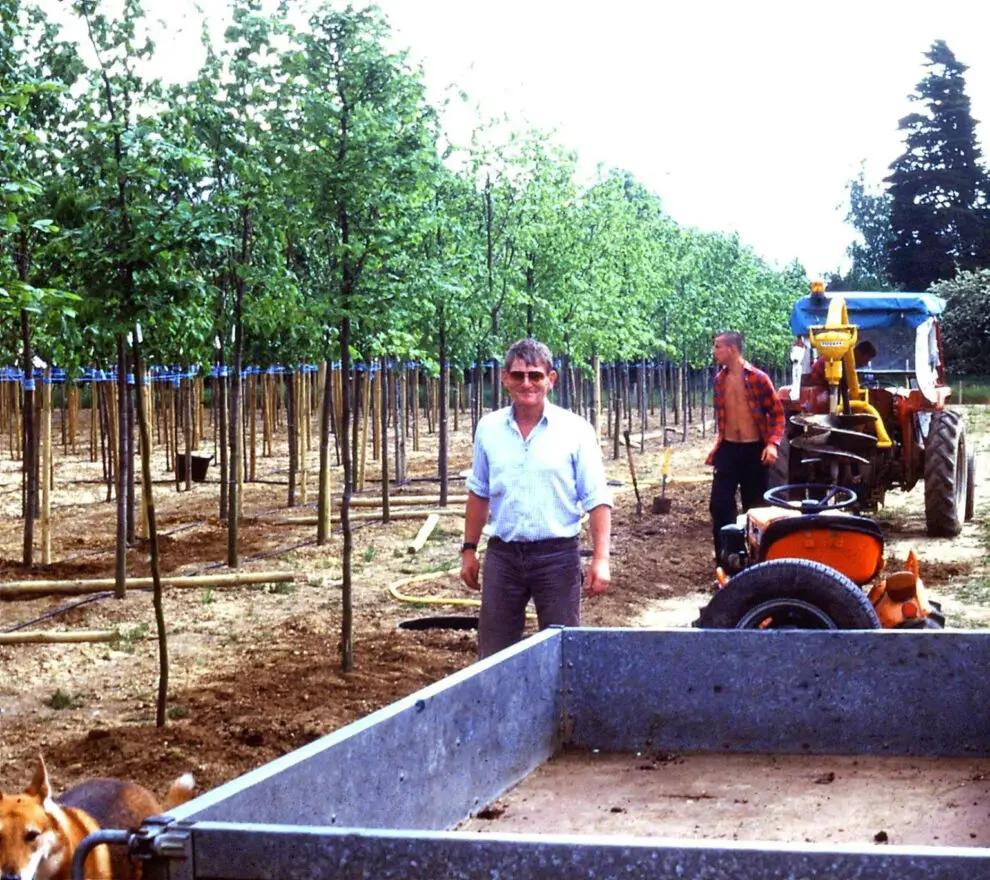
Gwynne's Grower's Tip
I would always look at the soil before deciding between Beech and Hornbeam. Customers often choose Beech because they like its copper winter foliage, but it can struggle if the planting trench stays wet and airless after prolonged rain.
Dig a test hole and inspect it the following day after wet weather. If water remains in the bottom or the soil is dense, sticky clay, I would normally lean towards Hornbeam and improve the complete planting line before planting. On freer-draining ground, Beech is an excellent choice and will usually provide the stronger winter leaf display.
More Beech Advice
For more detailed growing advice or to view the plants available from our nursery, use the links below.
Related Products
Products from our nursery that are relevant to this advice.


Useful Planting Essentials
Selected products that may help with planting, establishment and ongoing hedge care.
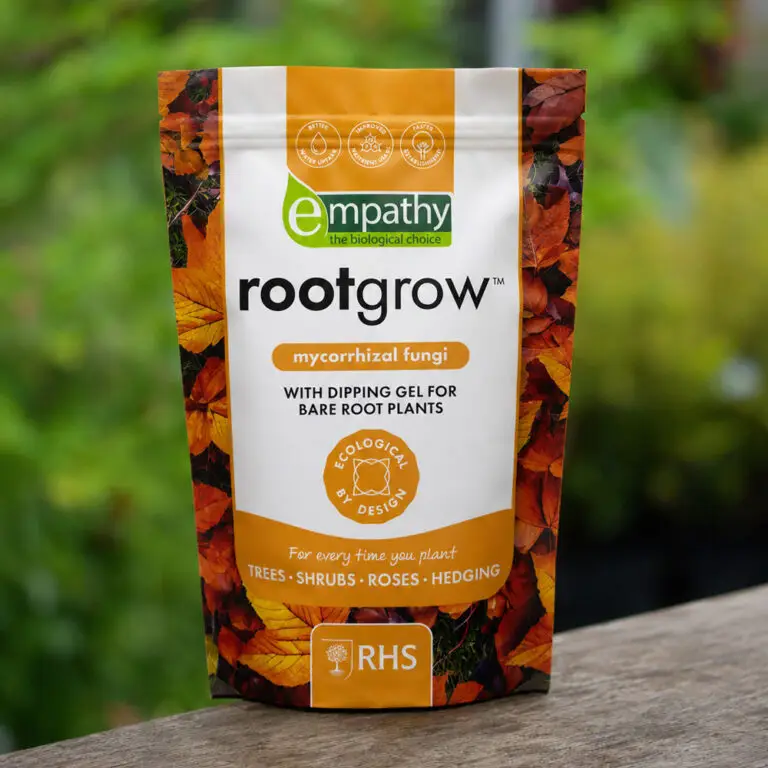
Rootgrow Mycorrhizal Fungi
Rootgrow can be applied at planting so the product is in direct contact with the roots, where appropriate for the plant and planting method.
View product
Hedge Irrigation
A hedge irrigation system can make it easier to water a new hedge consistently, particularly on longer runs and during dry weather.
View product
Hedge Compost & Mulch
Compost and mulch can support soil preparation, moisture retention and weed suppression when used appropriately around new hedging.
View product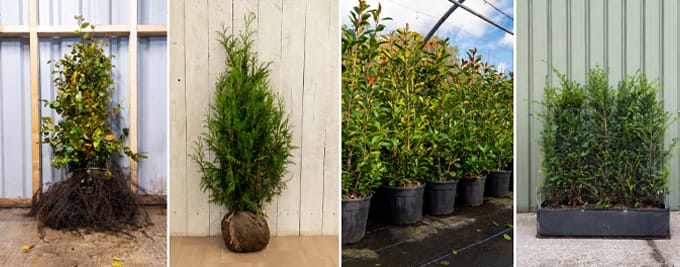
What Are the Different Hedging Root Types?
Bare root, root ball, pot-grown and instant hedging suit different budgets, planting times and levels of initial coverage. Understanding how each is…
Read answer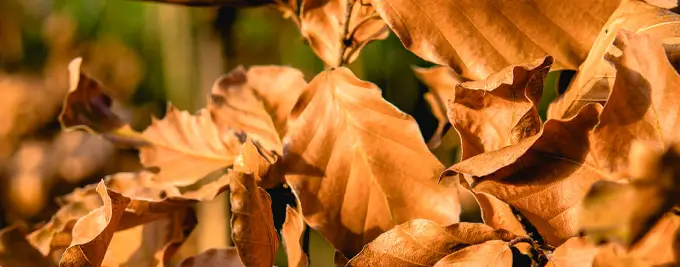
Is Beech Evergreen? What Does a Beech Hedge Look Like in Winter?
Beech hedging changes noticeably with the seasons, developing fresh green or purple foliage in spring and warm copper-brown tones during autumn. Its…
Read answer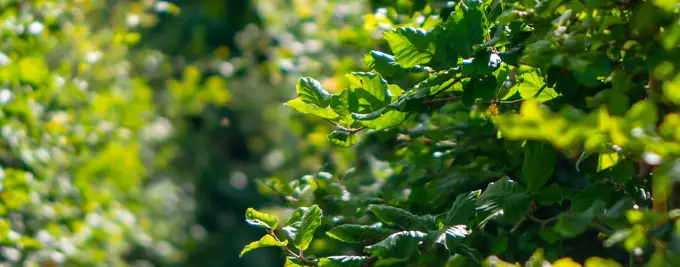
How Do I Make a Beech Hedge Thicker?
A thin Beech hedge is often caused by weak formative pruning, shade at the base, dry roots, weed competition or gaps between…
Read answer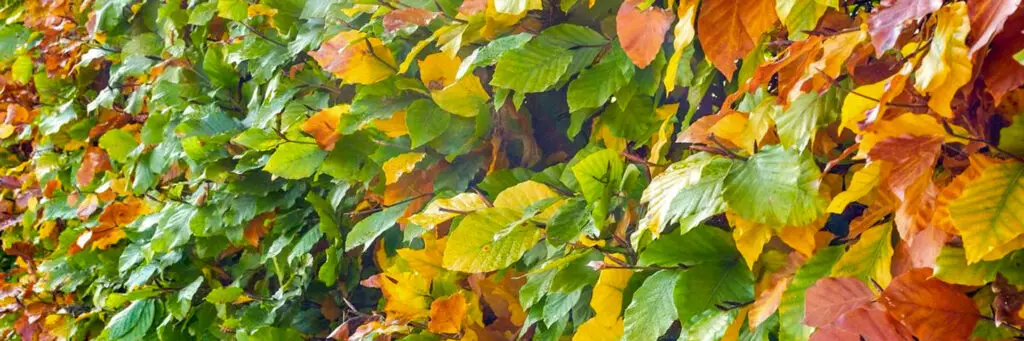
When Does a Beech Hedge Turn Green?
Beech hedges spend winter covered in copper-brown foliage, so the appearance of fresh leaves is one of their clearest seasonal changes. The…
Read answer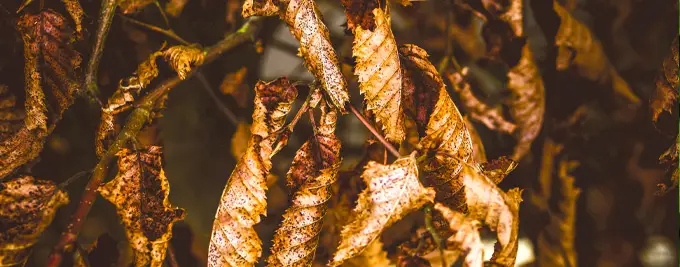
Is Hornbeam Evergreen? What Does It Look Like in Winter?
Hornbeam is valued for its fresh green summer foliage, warm autumn colour and strong winter structure. Understanding how its leaves behave after…
Read answer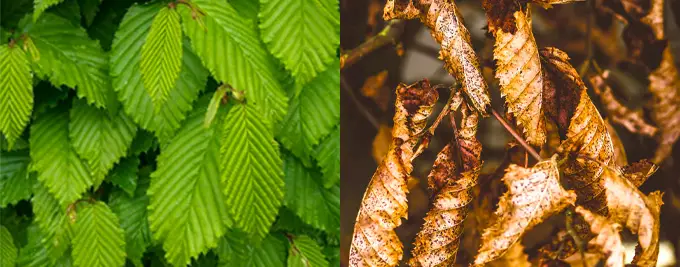
What Do Hornbeam Leaves Look Like?
Hornbeam has distinctive textured foliage that changes noticeably through the seasons. Learning to recognise the leaf shape, veins and toothed edges can…
Read answerWhat Are the Different Hedging Root Types?
Bare root, root ball, pot-grown and instant hedging suit different budgets, planting times and levels of initial coverage. Understanding how each is…
Read answer
Is Privet Evergreen?
Privet is often chosen for privacy, but its winter appearance is less predictable than that of a fully evergreen hedge. The variety,…
Read answer