
What Do Hornbeam Leaves Look Like?
Hornbeam has distinctive textured foliage that changes noticeably through the seasons. Learning to recognise the leaf shape, veins and toothed edges can also help you distinguish Hornbeam from similar-looking Beech hedging.
Quick Answer
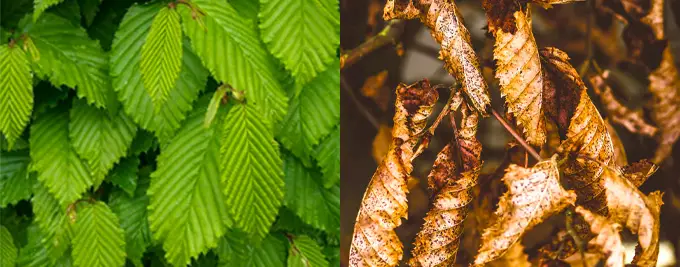
Hornbeam leaves are oval or egg-shaped with pointed tips, sharply serrated edges and deep, straight veins that give them a ribbed or pleated appearance. Mature leaves are typically around 5–8cm long. They emerge fresh green in spring, deepen in colour during summer and turn yellow, gold and brown in autumn. A regularly clipped Hornbeam hedge may retain some dry brown leaves during winter, although the amount varies between plants and growing positions.
Quick Facts
| Botanical name | Carpinus betulus |
|---|---|
| Typical leaf length | Approximately 5–8cm |
| Leaf shape | Oval or egg-shaped with a pointed tip |
| Leaf edge | Finely and sharply serrated |
| Leaf surface | Deeply ribbed, veined or pleated |
| Spring colour | Fresh, light green |
| Summer colour | Deeper mid-green |
| Autumn colour | Yellow, gold and eventually brown |
| Winter foliage | Some dry leaves may remain on clipped growth |
How can you identify a Hornbeam leaf?
The leaves of common Hornbeam, Carpinus betulus, have several features that make them relatively easy to identify once you know what to look for.
A healthy leaf normally has an oval or slightly egg-shaped outline, a pointed tip and a short stalk attaching it to the twig. The leaf is broadest around its middle before narrowing towards the tip and base.
The most noticeable feature is often the pattern of deep veins. Straight side veins run outwards from the central midrib, producing a strongly ribbed or corrugated surface. These veins can make the leaf look as though it has been carefully folded or pleated.
What do the edges of Hornbeam leaves look like?
Hornbeam leaves have clearly toothed or serrated edges. The small teeth point outwards around most of the leaf margin and are generally more pronounced than the gently wavy edge found on a Beech leaf.
The combination of a pointed oval shape, deep veins and sharp serrations is one of the most reliable ways to recognise Hornbeam foliage.
How large are Hornbeam leaves?
Mature common Hornbeam leaves are typically around 5–8cm long, although individual leaves can vary with the age of the shoot, growing conditions and position on the plant.
Fresh growth on a closely clipped hedge may produce slightly smaller leaves than vigorous growth on an unpruned tree. Leaf size alone should therefore not be used for identification. The veins, texture and serrated margin are usually more useful.
What colour are Hornbeam leaves through the year?
Hornbeam is deciduous, so its appearance changes considerably with the seasons.
Spring
New Hornbeam leaves emerge fresh, light or lime green. They are often soft when they first open, but the characteristic veins and serrated edges quickly become visible.
Hornbeam generally comes into leaf during spring, replacing any dry foliage that has remained attached over winter.
Summer
The foliage becomes a deeper mid-green as it matures. The ribbed texture remains clearly visible, particularly when sunlight falls across the leaf surface.
A healthy Hornbeam hedge develops dense, textured foliage when it is established and regularly maintained.
Autumn
The leaves gradually change from green to yellow and gold before becoming brown. Exact timing and colour vary according to the weather, exposure, soil moisture and the condition of the hedge.
Autumn colour on Hornbeam is generally yellow or golden rather than the stronger orange and copper colouring commonly associated with Beech.
Winter
Hornbeam is not evergreen. Its leaves die in autumn, but some dry brown foliage may remain attached to young, regularly clipped shoots during winter.
This delayed leaf fall is known as marcescence. Leaf retention is variable and tends to be less consistent on older, untrimmed or exposed growth. A Hornbeam hedge should therefore provide seasonal structure and partial winter screening rather than guaranteed evergreen cover.
What is the difference between Hornbeam and Beech leaves?
Hornbeam and Beech are frequently confused because both produce oval leaves and can retain dry foliage when maintained as hedges. Examining the leaf surface and edge normally reveals the difference.
Hornbeam leaves:
- Have sharply serrated or toothed edges
- Show deep, straight and prominent veins
- Have a distinctly ribbed or pleated surface
- Commonly turn yellow or gold before becoming brown
- May retain some dry leaves during winter
Beech leaves:
- Have smoother, gently wavy edges
- Have a flatter and usually glossier surface
- Do not have the same deeply corrugated appearance
- Commonly develop stronger golden, orange or copper colours
- Usually retain winter leaves more consistently when regularly clipped
Hornbeam is the more textured and strongly veined of the two. Woodland Trust identification guidance similarly distinguishes Hornbeam by its smaller, deeply furrowed leaves and toothed edges, compared with the wavier leaf margins of Beech.
Do Hornbeam hedges and Hornbeam trees have the same leaves?
A Hornbeam hedge and a free-growing Hornbeam tree are the same species and have the same fundamental leaf characteristics.
Regular pruning changes the plant’s growth habit rather than the basic form of its leaves. A clipped hedge normally produces a greater number of short young shoots, creating dense foliage with many closely spaced leaves. An unpruned tree develops longer branches, a broader canopy and may produce more noticeable catkins and hop-like seed clusters.
Customers choosing plants from our Hornbeam hedging range should therefore expect the same serrated, strongly veined foliage whether the plant is supplied bare root, pot grown or as established instant hedging.
What should healthy Hornbeam leaves look like?
Healthy Hornbeam leaves should normally be evenly green during spring and summer, allowing for the lighter colour of very fresh growth.
Normal autumn yellowing and browning should not be mistaken for a problem. However, leaves developing dry, crispy edges during spring or summer may indicate drought, drying winds or root stress. Widespread yellowing during the growing season can be associated with excessively wet ground, drought, soil compaction or establishment difficulties.
Check moisture below the surface before applying fertiliser. Recently planted pot-grown Hornbeam can have a dry original root ball even when the surrounding soil feels damp.
More detailed advice on seasonal care, watering, pruning and common symptoms is available in the Hornbeam Hedging Care Guide.
Gwynne's Grower's Tip
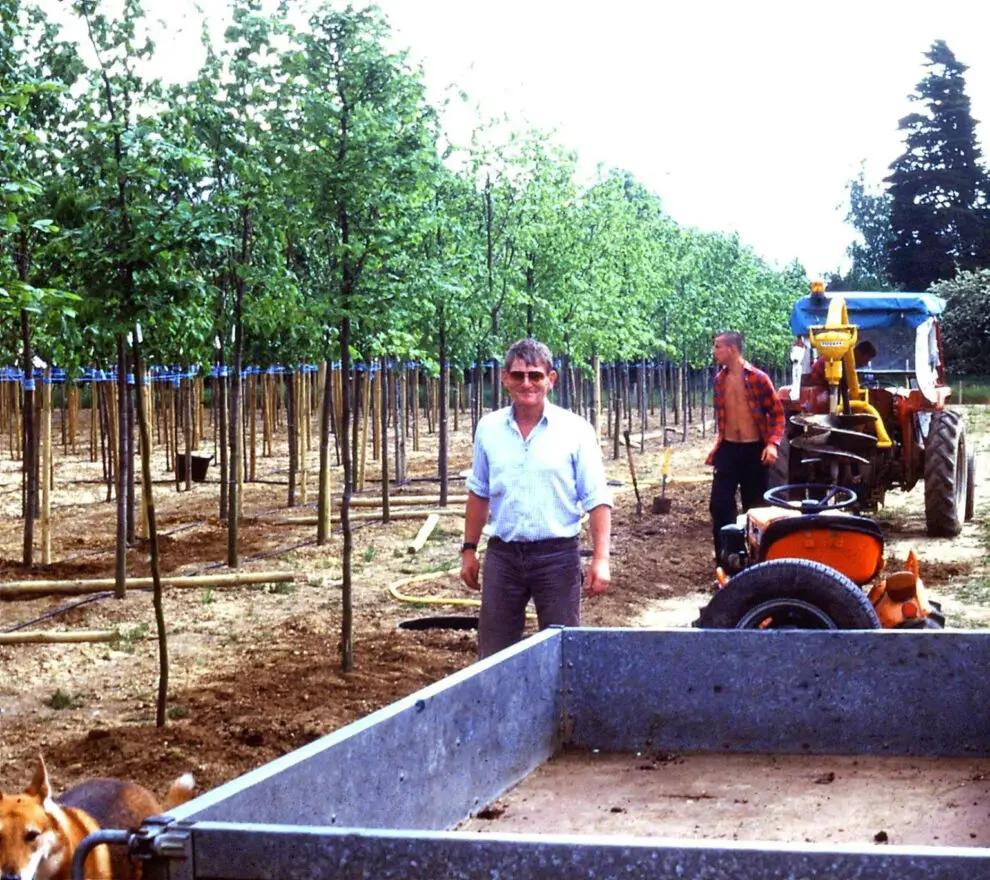
When checking newly planted Hornbeam in early spring, do not judge the plant only by the old brown leaves still attached to the stems. Look closely at the buds along the young shoots. Healthy buds should begin to swell before opening into fresh green foliage as temperatures rise. Hornbeam can leaf up unevenly after a cold winter, particularly where one part of the hedge is more exposed than another, so give slower plants time before deciding that they have failed.
More Hornbeam Advice
For more detailed growing advice or to view the plants available from our nursery, use the links below.
Related Products
Products from our nursery that are relevant to this advice.

Useful Planting Essentials
Selected products that may help with planting, establishment and ongoing hedge care.
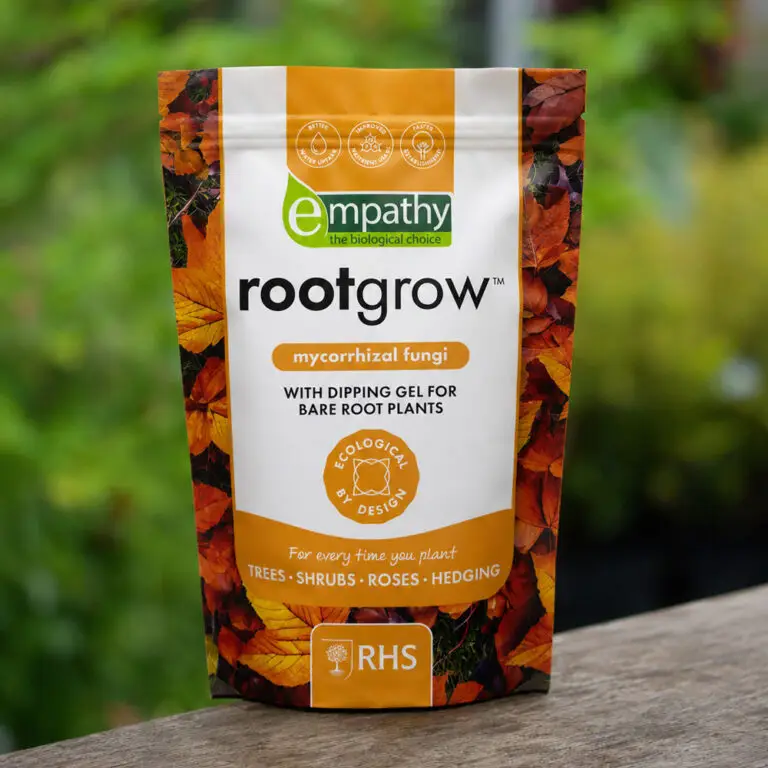
Rootgrow Mycorrhizal Fungi
Rootgrow can be applied at planting so the product is in direct contact with the roots, where appropriate for the plant and planting method.
View product
Hedge Feed
Hedge Feed provides balanced nutrition where established hedging would benefit from feeding as part of normal care.
View product
Hedge Irrigation
A hedge irrigation system can make it easier to water a new hedge consistently, particularly on longer runs and during dry weather.
View product
Hedge Compost & Mulch
Compost and mulch can support soil preparation, moisture retention and weed suppression when used appropriately around new hedging.
View product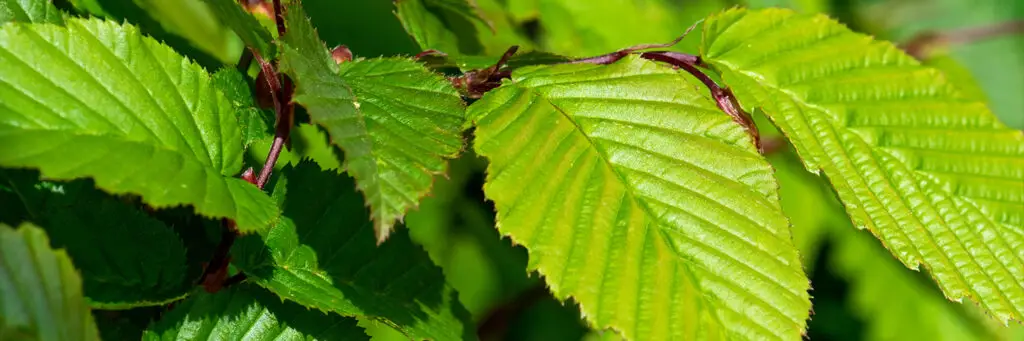
When Is the Best Time to Plant Hornbeam Hedging?
Hornbeam can be planted in several different forms, and the best planting time depends mainly on whether the plants are supplied bare…
Read answer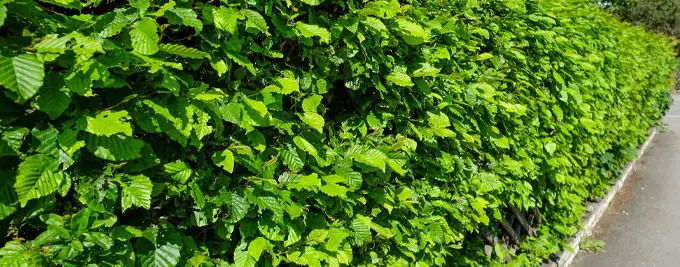
How Fast Does a Hornbeam Hedge Grow?
Hornbeam is a dependable native hedging plant, but the time it takes to form a useful screen depends on more than the…
Read answer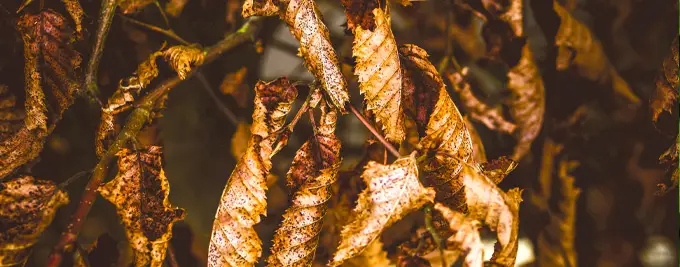
Is Hornbeam Evergreen? What Does It Look Like in Winter?
Hornbeam is valued for its fresh green summer foliage, warm autumn colour and strong winter structure. Understanding how its leaves behave after…
Read answer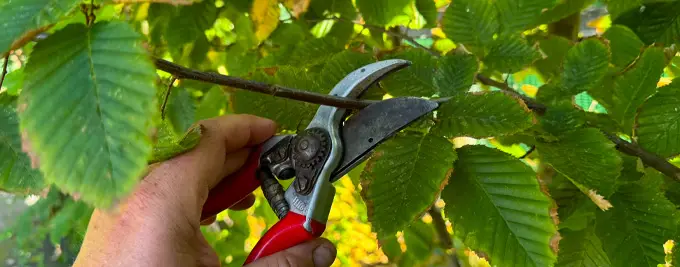
When Should I Prune a Hornbeam Hedge?
Hornbeam responds well to regular clipping, but routine trimming, formative pruning and major renovation are best carried out at different times. Choosing…
Read answerIs Hornbeam Evergreen? What Does It Look Like in Winter?
Hornbeam is valued for its fresh green summer foliage, warm autumn colour and strong winter structure. Understanding how its leaves behave after…
Read answer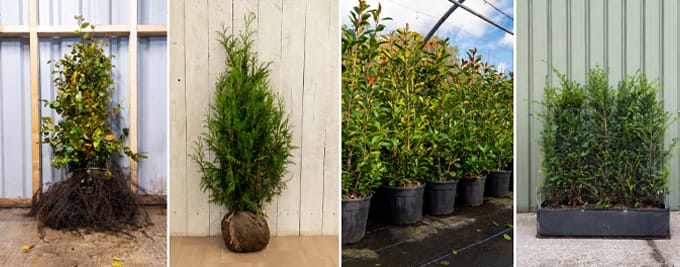
What Are the Different Hedging Root Types?
Bare root, root ball, pot-grown and instant hedging suit different budgets, planting times and levels of initial coverage. Understanding how each is…
Read answer
Is Privet Evergreen?
Privet is often chosen for privacy, but its winter appearance is less predictable than that of a fully evergreen hedge. The variety,…
Read answer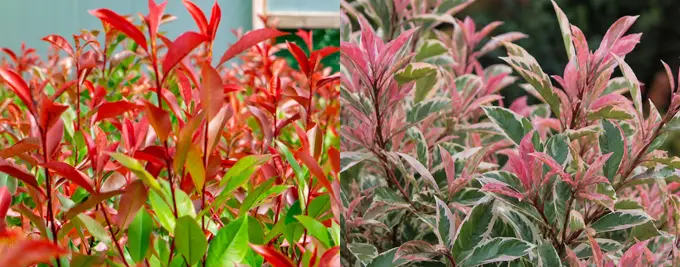
Photinia Pink Marble vs Red Robin: Which Is Better for Hedging?
Photinia Pink Marble and Red Robin are both evergreen Photinia cultivars, but they create very different hedges. Red Robin is the more…
Read answer