
When Is the Best Time to Plant Hornbeam Hedging?
Hornbeam can be planted in several different forms, and the best planting time depends mainly on whether the plants are supplied bare root, pot grown or as instant hedging. Choosing suitable soil and weather conditions is just as important as choosing a date.
Quick Answer
The best time to plant bare-root Hornbeam hedging is during the dormant season, normally from November to March or early April. Pot-grown and instant Hornbeam can be planted throughout much of the year, although autumn and early spring are usually the easiest periods for establishment. Delay planting if the soil is frozen, waterlogged or extremely dry, and make sure reliable watering is available when planting during warmer weather.
Quick Facts
| Best overall planting period | Autumn to early spring |
|---|---|
| Bare-root Hornbeam | Normally November to March or early April |
| Pot-grown Hornbeam | Can be planted throughout the year |
| Instant Hornbeam | Can be installed throughout much of the year |
| Best conditions | Cool weather and workable, moist soil |
| Avoid planting | Frozen, waterlogged or extremely dry ground |
| Summer planting | Suitable for pot-grown and instant plants if watering is reliable |
| After delivery | Plant bare-root Hornbeam promptly and keep roots protected |
Does the best planting time depend on the root type?
Yes. Hornbeam, Carpinus betulus, is available as bare-root plants, pot-grown plants and established instant hedging. Each format has a different planting window.
Before ordering, compare the available sizes and root formats in the Hornbeam hedging range. The best choice will depend on the time of year, the length of the hedge, the available budget and how much immediate height is required.
Bare-root Hornbeam
Bare-root Hornbeam should be planted while the plants are dormant, after leaf fall and before strong spring growth begins. In most years, the practical planting season runs from November until March or early April, depending on the weather and nursery availability.
Plant bare-root Hornbeam promptly after delivery. Until planting begins, keep the roots wrapped, cool and moist. Do not leave open bundles exposed to sunshine, frost or drying wind.
Bare-root plants are particularly useful for long hedge runs because they are economical, light to handle and available in a wide range of starting heights. However, they cannot be planted during the normal summer growing season.
Pot-grown Hornbeam
Pot-grown Hornbeam can be planted throughout the year whenever the ground is workable and adequate water is available.
Autumn and early spring are normally the easiest periods because temperatures are moderate and the soil is less likely to dry rapidly. Pot-grown plants can also be planted during late spring or summer, but they will need more frequent moisture checks.
Water the pot thoroughly before planting. Once the plant is in the ground, check the moisture inside the original pot compost as well as the surrounding soil. A root ball can remain dry even when the surface of the planting area appears damp.
Instant Hornbeam hedging
Instant Hornbeam is supplied in established sections and can be installed throughout much of the year. Autumn and spring are usually the most straightforward planting periods, but installation is also possible during summer if sufficient water and labour are available.
The concentrated root systems of instant hedging need careful handling and thorough watering. Prepare the complete trench before the plants arrive and avoid breaking the root mass while moving each section.
Is autumn or spring better for planting Hornbeam?
Both autumn and early spring are suitable.
Autumn planting gives bare-root and pot-grown Hornbeam time to settle before the following growing season. Rainfall is often more dependable, temperatures are cooler and less water is lost through the leaves.
Early spring is also an excellent time, particularly where heavy clay becomes saturated during winter. It is better to wait for the soil to become workable than to force plants into a sticky, waterlogged trench.
Spring-planted Hornbeam has less time before warmer, drier weather arrives, so watering may need to begin sooner. Plant as early as ground conditions allow rather than waiting until the hedge has started producing a large amount of new foliage.
When should Hornbeam planting be delayed?
Do not plant simply because the calendar says that the season is correct. Delay planting when the ground cannot be prepared and firmed properly.
Avoid planting in:
- Frozen soil that cannot be broken apart
- A trench that remains full of water after rain
- Extremely dry or baked ground
- Very wet clay that smears into solid trench walls
- Prolonged hot weather without reliable irrigation
- Strong drying winds, particularly with larger plants
- A period when the site will be inaccessible for aftercare
Hornbeam tolerates heavier and more moisture-retentive soil better than Beech, but that does not mean it should be planted with its roots standing in stagnant water.
If water remains in the proposed trench for several days, improve the drainage, alter the planting position or wait until conditions improve.
Can you plant Hornbeam hedging in summer?
Pot-grown and instant Hornbeam can be planted during summer, but summer planting requires more attention than autumn or early spring planting.
Water every plant thoroughly before it is installed and soak the complete root zone after backfilling. Continue checking the soil frequently during warm, dry or windy weather.
A light surface spray is not enough. Water needs to reach the full depth of the original root system and the surrounding soil.
Long garden boundaries, landscape schemes and commercial planting projects may benefit from a properly installed hedge irrigation system. Check several points along the line to make sure the far end receives as much water as the section nearest the supply.
Do not attempt to plant ordinary bare-root Hornbeam during summer. Bare-root plants need to be lifted, supplied and planted while dormant.
What should you do if bare-root planting is delayed?
Keep unopened bundles in a cool, sheltered position and prevent the roots from drying out. Leave the protective wrapping around the roots until each bundle is required.
If the delay is only brief, moist wrapping and protection from sun and wind may be sufficient. For a longer delay, temporarily plant the Hornbeam closely together in a spare trench and cover the roots completely with soil. This is known as heeling in.
Do not store bare roots in standing water. The roots need to remain moist, but prolonged submersion can deprive them of air and encourage deterioration.
What matters after the Hornbeam has been planted?
Correct aftercare has more influence on establishment than selecting one exact planting date.
Water the complete hedge thoroughly immediately after planting. Keep a weed-free strip around the plants because grass and established weeds compete strongly for moisture.
A suitable layer of mulch can help retain moisture and reduce weed growth. Where the existing soil needs improvement, use hedge compost and mulch across the prepared planting strip rather than creating isolated pockets of soft compost in heavy clay.
Continue checking the root zone during dry periods for the first two growing seasons. Larger pot-grown plants and instant hedging usually need greater volumes of water than small bare-root whips.
Avoid placing concentrated fertiliser directly against new roots. Good soil preparation, correct planting depth, weed control and consistent watering should come first.
For complete advice on trench preparation, planting depth, spacing, watering and formative pruning, use the dedicated Hornbeam hedging care guide supplied in the plugin field below.
Gwynne's Grower's Tip
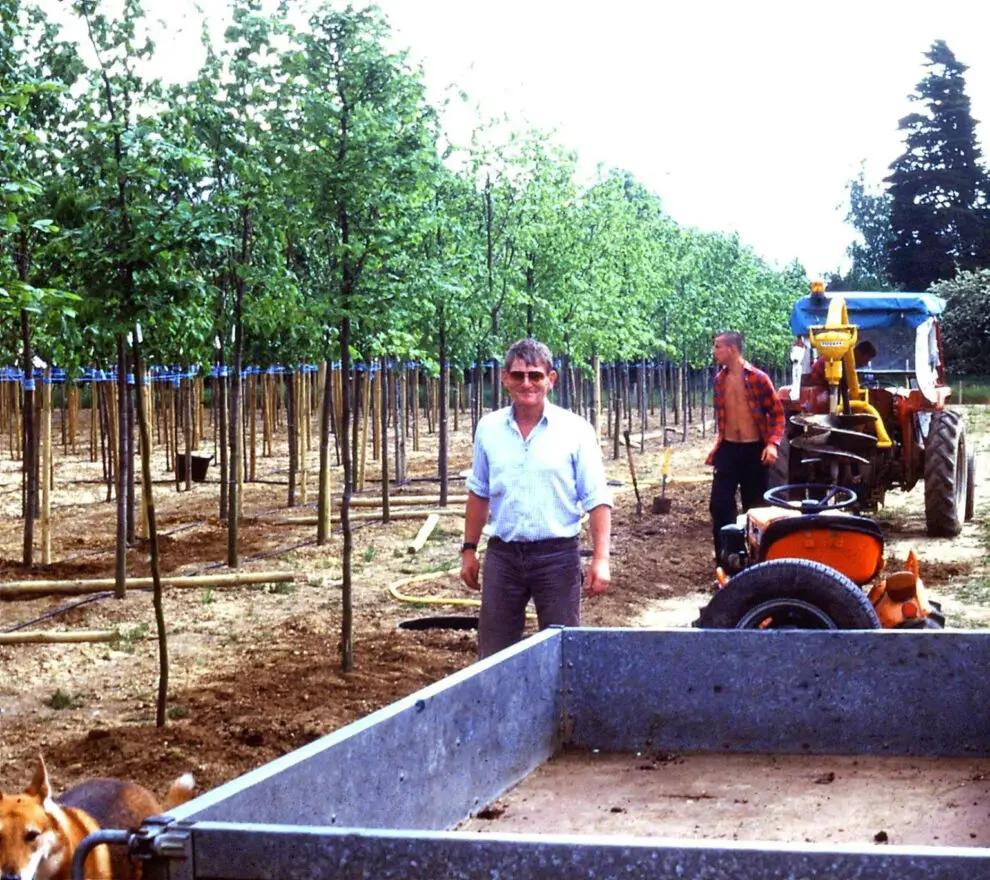
On heavy clay, I would judge the soil rather than rely entirely on the calendar. If the ground sticks to the spade, smears into solid sides or leaves water sitting in the trench, wait until it becomes workable. Planting a week or two later is usually better than forcing roots into compacted, saturated ground. When planting a long run of bare-root Hornbeam, open one bundle at a time and keep the remaining roots covered. Firm every plant carefully, water the whole line after planting and keep grass away while the hedge establishes.
More Hornbeam Advice
For more detailed growing advice or to view the plants available from our nursery, use the links below.
Related Products
Products from our nursery that are relevant to this advice.

Useful Planting Essentials
Selected products that may help with planting, establishment and ongoing hedge care.
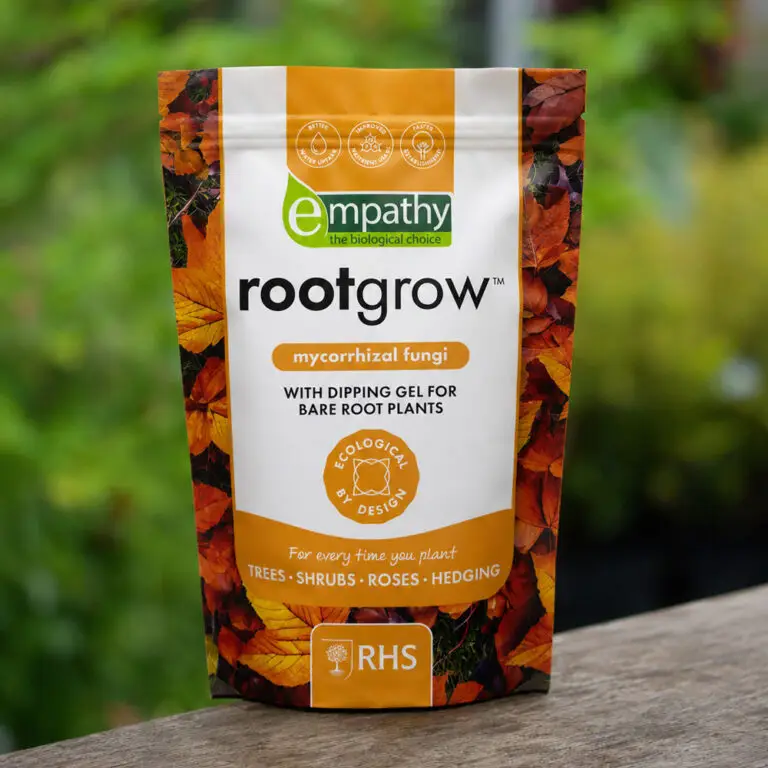
Rootgrow Mycorrhizal Fungi
Rootgrow can be applied at planting so the product is in direct contact with the roots, where appropriate for the plant and planting method.
View product
Hedge Feed
Hedge Feed provides balanced nutrition where established hedging would benefit from feeding as part of normal care.
View product
Hedge Irrigation
A hedge irrigation system can make it easier to water a new hedge consistently, particularly on longer runs and during dry weather.
View product
Hedge Compost & Mulch
Compost and mulch can support soil preparation, moisture retention and weed suppression when used appropriately around new hedging.
View product
How Fast Does a Hornbeam Hedge Grow?
Hornbeam is a dependable native hedging plant, but the time it takes to form a useful screen depends on more than the…
Read answer
Is Hornbeam Evergreen? What Does It Look Like in Winter?
Hornbeam is valued for its fresh green summer foliage, warm autumn colour and strong winter structure. Understanding how its leaves behave after…
Read answer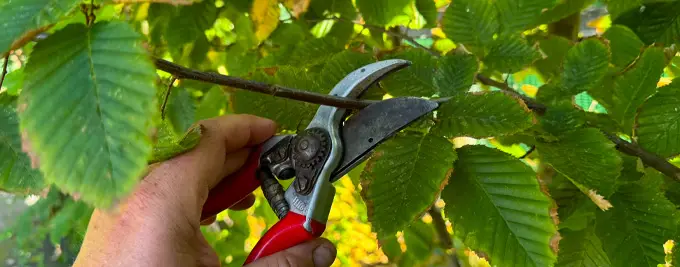
When Should I Prune a Hornbeam Hedge?
Hornbeam responds well to regular clipping, but routine trimming, formative pruning and major renovation are best carried out at different times. Choosing…
Read answer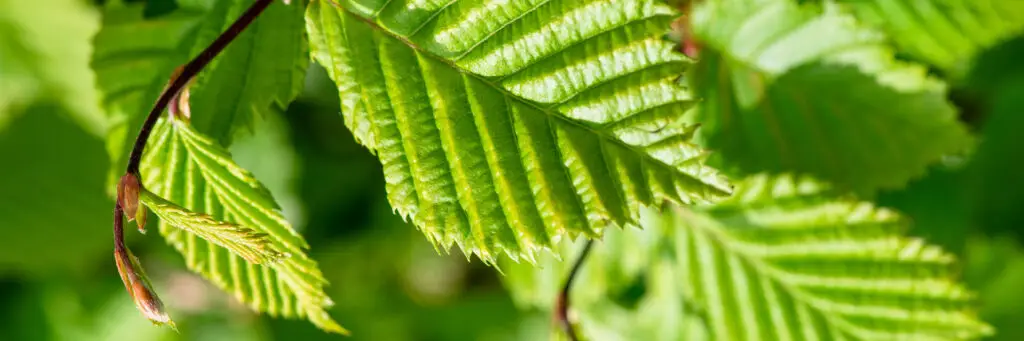
Is Hornbeam Good for Wildlife?
Hornbeam is a native deciduous hedge with a dense structure that can support birds, insects and small mammals. Its wildlife value depends…
Read answer
Can I Replace a Box Hedge With Green Spire After Box Blight?
Green Spire is one of the closest Euonymus alternatives to a neat low Box hedge. A previous box-blight outbreak does not infect…
Read answer
How Much Mycorrhizal Fungi Should I Use?
The correct amount of mycorrhizal fungi depends on the size and root type of the plants being treated. Calculating the quantity before…
Read answer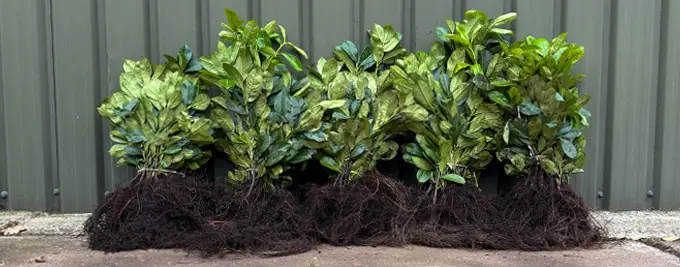
How Long Can Bare-Root Plants Be Stored?
Bare-root plants are vulnerable once they have been lifted because their exposed roots can dry out quickly. Correct temporary storage can protect…
Read answer
How Do I Plant a Staggered Double-Row Hedge?
A staggered double row creates a broader hedge by arranging plants in a zigzag rather than directly opposite one another. Correct spacing…
Read answer