
Is Hornbeam Good for Wildlife?
Hornbeam is a native deciduous hedge with a dense structure that can support birds, insects and small mammals. Its wildlife value depends partly on how broadly it is grown and how frequently it is clipped.
Quick Answer
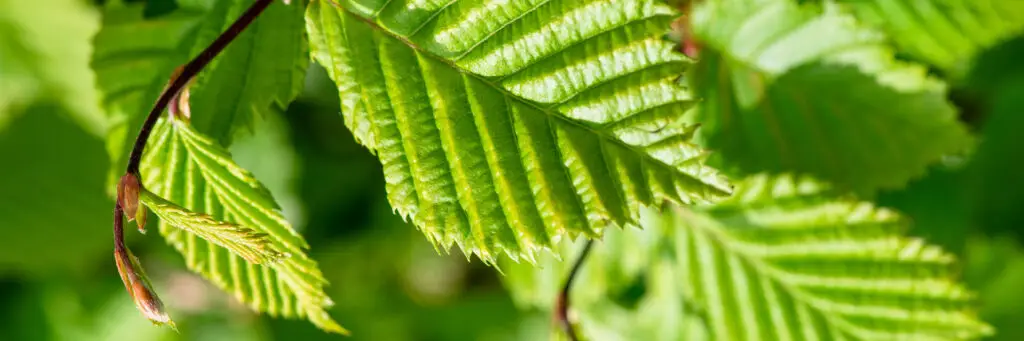
Yes. Hornbeam, Carpinus betulus, is a good wildlife hedge. Its dense branches provide shelter, nesting and roosting places, its leaves feed the caterpillars of several moth species, and its seeds are eaten by finches, tits and small mammals. A broad, less tightly clipped Hornbeam hedge offers more habitat than a narrow formal hedge. For the greatest variety of flowers, fruit and seasonal food, a mixed native hedge is usually even better.
Quick Facts
| Botanical name | Carpinus betulus |
|---|---|
| Wildlife value | Good native single-species wildlife hedge |
| Benefits for birds | Dense nesting and roosting cover, with seeds eaten by finches and tits |
| Benefits for insects | Leaves provide food for the caterpillars of several moth species |
| Benefits for small mammals | Shelter, protected movement and autumn seeds |
| Best wildlife management | Maintain a dense base and avoid clipping every section too tightly |
| Compared with mixed native hedging | Hornbeam provides useful habitat, but a mixed hedge normally offers a wider range of food |
Why is Hornbeam valuable to wildlife?
Hornbeam is valuable because it provides both habitat and food. When it is grown as a hedge, its closely spaced stems develop into a dense network of branches that birds and small mammals can use for shelter, nesting, roosting and protected movement through the garden.
A regularly clipped Hornbeam hedge may retain some dry, golden-brown leaves during winter. The amount varies according to the age of the hedge, its exposure, weather conditions and when it was last trimmed. Hornbeam is deciduous rather than evergreen, but its branches and retained foliage can still provide useful winter structure. Hornbeam provides shelter for birds
The dense framework of an established Hornbeam hedge gives birds places to hide, rest and build nests. A broad hedge with well-branched growth near ground level will generally provide better cover than a very narrow hedge with a bare or shaded base.
Hornbeam is not thorny, so it does not offer the same physical protection from predators as Hawthorn or Blackthorn. However, a mature Hornbeam hedge can still provide substantial cover when it is kept dense and is not repeatedly cut back to a thin line.
Hornbeam leaves and seeds provide food
Hornbeam leaves are eaten by the caterpillars of several moth species, including the nut-tree tussock. These caterpillars and other insects can then become food for insect-eating birds.
The small winged Hornbeam seeds that develop during autumn are eaten by birds, including finches and tits, as well as small mammals. Hawfinches are particularly associated with Hornbeam seeds, although they are uncommon visitors to many gardens. Lightly clipped hedge may produce fewer catkins and seeds because new flowering growth is regularly removed. Allowing selected areas to grow slightly more informally can increase the opportunity for fruits and seeds to develop.
Does a formally clipped Hornbeam hedge still help wildlife?
Yes. A neatly clipped Hornbeam hedge can still provide valuable shelter, nesting structure and insect habitat. Its wildlife value does not disappear simply because it is maintained as a formal garden hedge.
The main difference is that frequent, close clipping may reduce the number of mature shoots, catkins and seed clusters. A hedge cut hard on every side can also become narrower and less useful as cover.
Where space allows, maintain a slightly wider base and avoid removing every new shoot. Even a formal hedge can be managed so that it remains thick, healthy and connected from ground level upwards.
For available sizes and root types, see the Hornbeam hedging range. Hornbeam can be maintained as a formal boundary or allowed to form a broader, more informal hedge. Is Hornbeam better than a mixed native hedge for wildlife?
Hornbeam is a good wildlife hedge, but a species-rich mixed native hedge will normally support a greater variety of wildlife.
A Hornbeam hedge mainly provides dense shelter, leaves for caterpillars and seeds for birds and small mammals. A mixed hedge can combine this with early blossom, nectar, pollen, berries, hips, nuts and different types of foliage across a longer part of the year.
Species such as Hawthorn, Blackthorn, Hazel, Field Maple, Dogwood, Spindle and Guelder Rose each provide different resources. Planting several suitable species therefore creates a more varied habitat than relying on Hornbeam alone. nbeam may still be the more practical choice where:
- A neat, uniform hedge is required.
- The soil is heavy or moisture-retentive.
- The planting position receives partial shade.
- A thornless boundary is preferred.
- The hedge needs to tolerate regular clipping.
- Some winter structure and leaf retention are wanted.
For a more varied boundary, customers can compare the wildlife hedging range, which includes individual native species and mixed wildlife hedging packs. How can you make a Hornbeam hedge better for wildlife?
Encourage a dense base
Young Hornbeam should be allowed and encouraged to branch close to ground level. Formative pruning can help thin young plants develop side shoots, while keeping the bottom of the hedge slightly wider than the top allows more light to reach the lower branches.
Avoid allowing the top to become excessively wide and heavy while the base becomes narrow and bare.
Avoid clipping every section too tightly
An established Hornbeam hedge is commonly trimmed in mid to late summer. Where wildlife is a priority, consider leaving selected sections slightly less tightly clipped or alternating which sections receive the closest trim each year.
This allows some shoots to mature while the rest of the hedge remains tidy. It can also preserve more cover and increase the chance of catkins and seeds developing.
Check carefully for active bird nests
Inspect the complete hedge before using hand shears or powered cutting equipment. Wild birds, their eggs and nests are protected by law while a nest is being built or used. If an active nest is found, postpone work around that part of the hedge until it is no longer in use. arate cutting restrictions apply to qualifying agricultural hedgerows in England. These hedgerows must generally not be cut or trimmed between 1 March and 31 August, although defined exemptions apply. Domestic garden boundaries are exempt from that specific agricultural hedgerow rule, but the protection given to active wild bird nests still applies. Avoid unnecessary pesticide use
Hornbeam naturally supports caterpillars and other insects. Minor leaf damage is not automatically a sign that treatment is required, particularly where the aim is to create a wildlife-friendly hedge.
Use pesticides only where there is a clearly identified problem that requires treatment. Broad or preventative spraying can remove insects that form part of the food supply for birds and other garden wildlife.
Leave some natural material beneath the hedge
Where practical, allow a thin layer of fallen Hornbeam leaves to remain beneath the hedge. Leaf litter provides cover for small invertebrates and gradually contributes organic material to the soil.
Avoid allowing a deep, wet layer to build directly around young stems, and keep the main root area free from vigorous grass and perennial weeds while a new hedge is establishing.
Is Hornbeam the right wildlife hedge for your garden?
Hornbeam is a strong choice where you want a native, manageable hedge that provides shelter, nesting structure, insect food and autumn seeds. It is especially useful on heavier soils and in positions where Beech may be less dependable.
Choose a single-species Hornbeam hedge where a uniform or formal appearance is important. Choose a mixed native hedge where the main priority is providing the broadest possible range of flowers, fruit, seeds and shelter throughout the year.
Gwynne's Grower's Tip
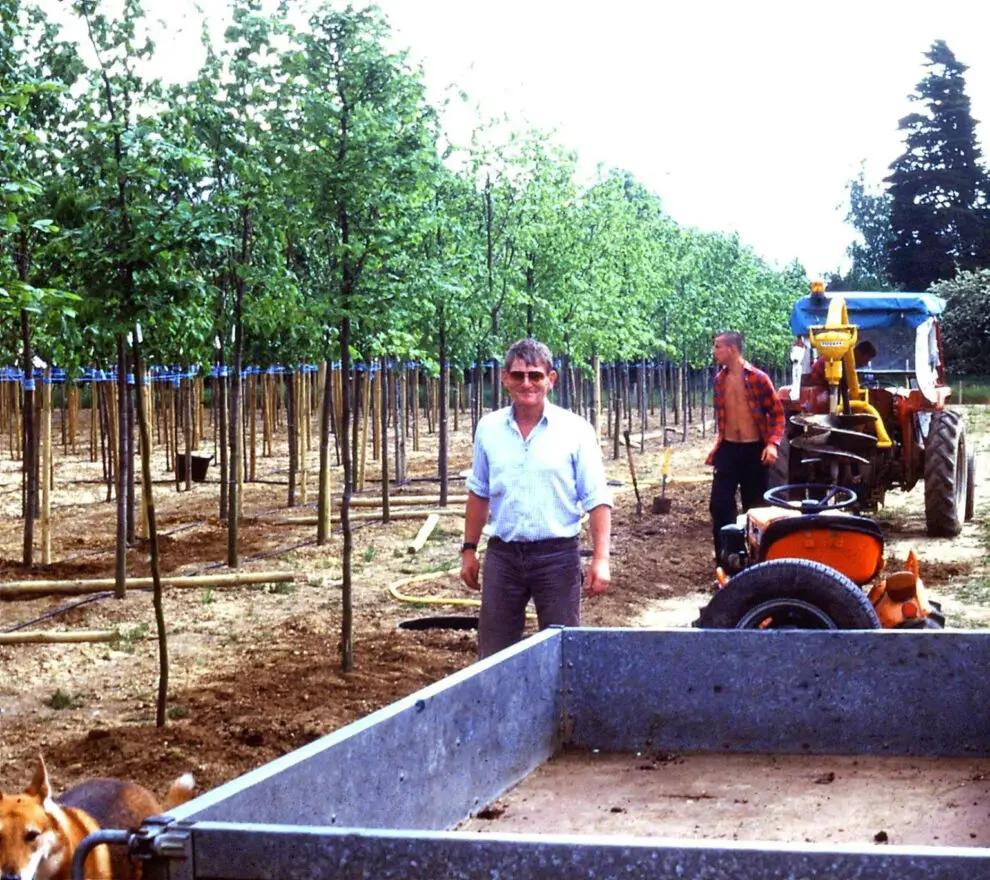
For a wildlife-friendly Hornbeam hedge, I would not clip every surface as hard as possible each year. Keep the bottom broad and well branched, then consider alternating which sections receive the closest trim so that some shoots have time to mature and carry seed. Before cutting, walk slowly along both sides and look well inside the hedge for nesting activity. Young plants still need good soil preparation, weed control and watering because a stressed or thin hedge will take much longer to develop the dense framework that wildlife needs.
More Hornbeam Advice
For more detailed growing advice or to view the plants available from our nursery, use the links below.
Related Products
Products from our nursery that are relevant to this advice.

Useful Planting Essentials
Selected products that may help with planting, establishment and ongoing hedge care.
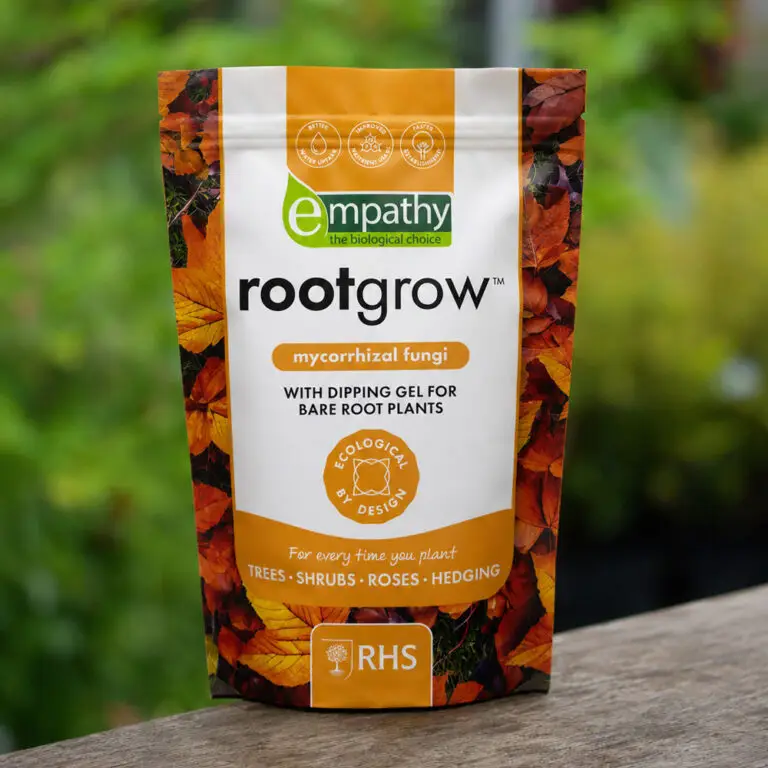
Rootgrow Mycorrhizal Fungi
Rootgrow can be applied at planting so the product is in direct contact with the roots, where appropriate for the plant and planting method.
View product
Hedge Feed
Hedge Feed provides balanced nutrition where established hedging would benefit from feeding as part of normal care.
View product
Hedge Irrigation
A hedge irrigation system can make it easier to water a new hedge consistently, particularly on longer runs and during dry weather.
View product
Hedge Compost & Mulch
Compost and mulch can support soil preparation, moisture retention and weed suppression when used appropriately around new hedging.
View product
When Is the Best Time to Plant Hornbeam Hedging?
Hornbeam can be planted in several different forms, and the best planting time depends mainly on whether the plants are supplied bare…
Read answer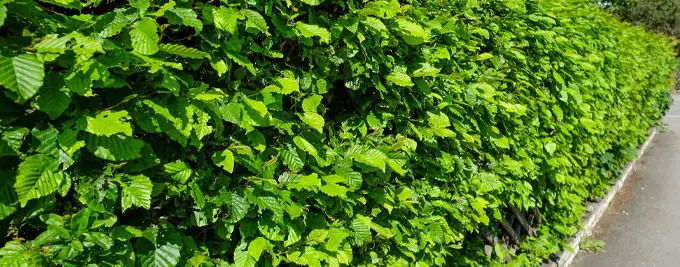
How Fast Does a Hornbeam Hedge Grow?
Hornbeam is a dependable native hedging plant, but the time it takes to form a useful screen depends on more than the…
Read answer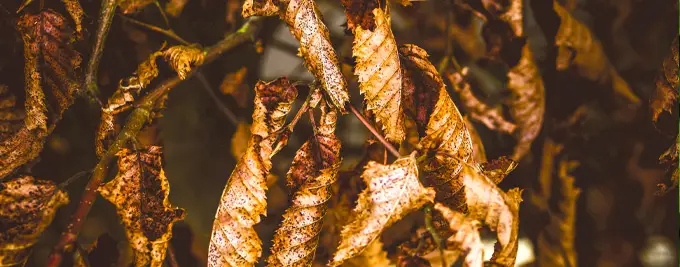
Is Hornbeam Evergreen? What Does It Look Like in Winter?
Hornbeam is valued for its fresh green summer foliage, warm autumn colour and strong winter structure. Understanding how its leaves behave after…
Read answer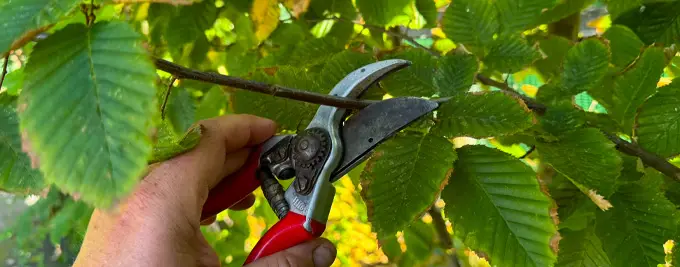
When Should I Prune a Hornbeam Hedge?
Hornbeam responds well to regular clipping, but routine trimming, formative pruning and major renovation are best carried out at different times. Choosing…
Read answer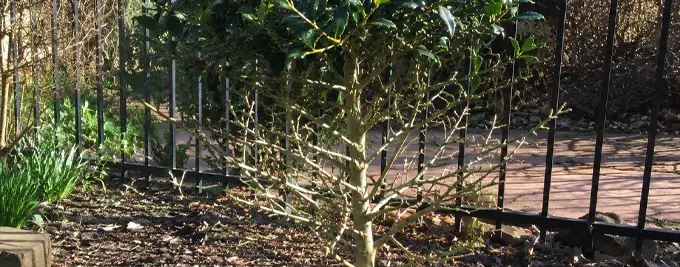
Do Deer and Rabbits Eat Holly Hedging?
Holly's tough, spiny leaves can give the impression that deer and rabbits will leave it alone. In practice, young English Holly can…
Read answer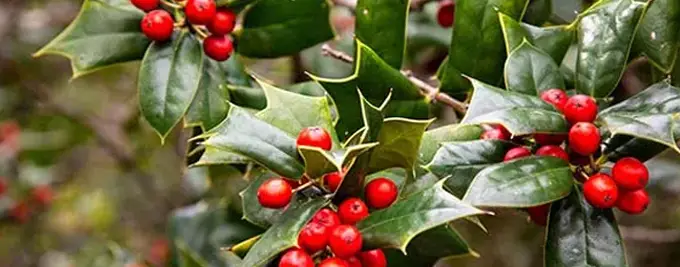
Do Birds Eat Holly Berries?
Holly berries are one of the most recognisable features of an English Holly hedge in winter. As well as providing seasonal colour,…
Read answer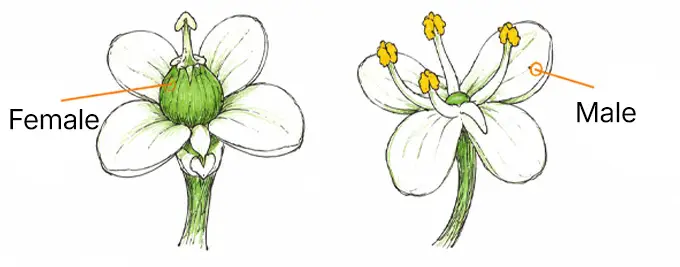
How Can You Tell Male and Female Holly Plants Apart?
Male and female English Holly plants can look almost identical for most of the year. The easiest time to tell them apart…
Read answer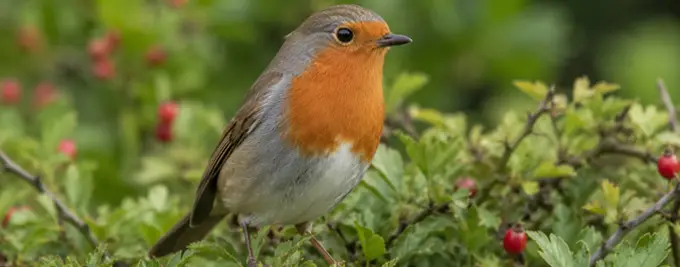
When Should Hedges Be Cut to Avoid Nesting Birds?
Hedges provide valuable nesting cover for many British garden birds. Planning routine trimming around the breeding season reduces the risk of damaging…
Read answer