
How Fast Does a Hornbeam Hedge Grow?
Hornbeam is a dependable native hedging plant, but the time it takes to form a useful screen depends on more than the figure printed on a plant label. Starting size, establishment care, soil, light and pruning all influence how quickly a new hedge gains height and fills out.
Quick Answer
A Hornbeam hedge usually grows by around 20–40cm per year once established. In fertile, moisture-retentive soil with good light and reliable watering, vigorous plants may produce 30–60cm of extension in a favourable season. Newly planted bare-root Hornbeam often makes less visible top growth during its first year while its roots establish. Plant size, soil, shade, moisture, weed competition and pruning all affect the result, so annual growth figures should be treated as practical estimates rather than guarantees.
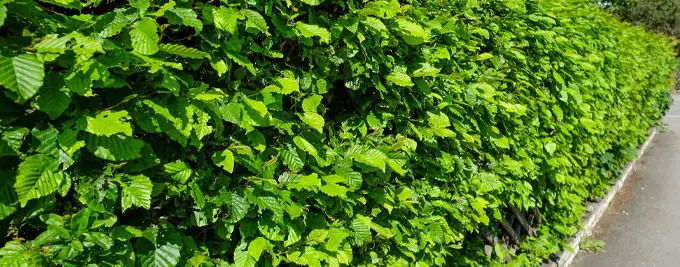
Quick Facts
| Botanical name | Carpinus betulus |
|---|---|
| Typical annual growth | About 20–40cm once established |
| Growth in favourable conditions | Approximately 30–60cm may be possible |
| First growing season | Often slower while the roots establish |
| Best soil | Fertile, moisture-retentive but not permanently waterlogged |
| Light | Full sun or partial shade |
| Typical maintained height | Around 1–5 metres |
| Effect of pruning | Encourages a denser hedge but removes some extension growth |
What growth rate should you expect from Hornbeam?
A healthy Hornbeam hedge will normally add around 20–40cm of growth in a year once it has established. Stronger shoots of 30–60cm are possible where the plants have fertile soil, sufficient moisture, good light and plenty of root space.
This explains why different nurseries and plant labels may give slightly different growth figures. The lower range is generally a more realistic expectation for a maintained hedge in ordinary garden conditions. The upper range describes what vigorous plants may achieve during a particularly favourable growing season.
Hornbeam is therefore best described as a moderate to reasonably fast-growing hedging plant. It will not produce a finished screen immediately, but it can develop into a dense, substantial hedge within a practical period when planted and cared for correctly.
How quickly does a new Hornbeam hedge establish?
A newly planted Hornbeam hedge may not immediately achieve its full annual growth rate.
Bare-root plants, in particular, can make relatively little visible top growth during their first growing season. Much of their early energy is being used to produce new roots and adjust to the surrounding soil. This is not necessarily a sign that the hedge is failing.
Growth commonly becomes more noticeable and even during the second and third growing seasons, provided that the plants have been watered properly and are not competing with grass or weeds.
Larger pot-grown or instant Hornbeam plants provide more height from the day they are planted, but their annual growth is not automatically faster. Their larger root systems require careful watering, and they may briefly pause while becoming established in their new position.
Smaller plants often establish strongly because there is less top growth for the developing root system to support. Larger plants are useful where immediate height matters, but they normally require more attentive aftercare.
How long will Hornbeam take to reach screening height?
The time required depends on the height of the plants at planting, the intended finished height and how much growth is removed during formative pruning.
The following estimates use a screening height of approximately 1.8 metres and assume average annual extension of around 20–40cm after establishment.
| Approximate planting height | Estimated time to reach 1.8 metres |
| 60cm | Around 4–7 growing seasons |
| 90cm | Around 3–5 growing seasons |
| 120cm | Around 2–4 growing seasons |
| 150cm | Around 1–3 growing seasons |
These are planning estimates rather than guaranteed timescales. A hedge on a dry, shaded or exposed site may take longer. Regular formative trimming can also lengthen the time required to reach the final height because some new growth is deliberately removed to encourage branching.
That trade-off is usually worthwhile. A hedge that is allowed to grow upwards without sufficient formative pruning may reach the required height sooner but remain open or thin near its base.
What affects the growth rate of a Hornbeam hedge?
Soil and drainage
Hornbeam grows well in a wide range of soils and is particularly useful on heavier or moisture-retentive ground. The soil should still drain adequately, as permanently waterlogged or compacted conditions can restrict root development.
Preparing a broad planting strip is normally better than placing each plant into a small isolated hole. Loosening the surrounding soil gives the roots more space to spread and makes it easier for water to move through the planting area.
Watering during establishment
Reliable watering is one of the most important influences on early growth.
New Hornbeam hedges should be watered deeply enough to moisten the complete root zone, particularly during dry spring and summer weather. Frequent light watering may only wet the soil surface and encourage shallow roots.
The plants should be monitored closely during their first two growing seasons. Larger plants, exposed sites, light soils and long hedge runs may require more frequent attention.
Sunlight and root competition
Hornbeam grows in full sun or partial shade. Growth may be slower in deep shade or where the hedge is planted close to established trees with extensive root systems.
Grass and perennial weeds can also compete strongly for moisture and nutrients. Maintaining a clean strip along both sides of a young hedge gives the roots a much better chance to establish.
Mulching
A suitable organic mulch helps retain moisture, suppress weeds and protect the soil surface during dry weather.
Apply mulch over moist soil and leave a small clear area immediately around each stem. Avoid piling compost or mulch against the base of the plants.
Starting size and root type
Bare-root Hornbeam is an economical option for planting during the dormant season and is particularly suitable for longer hedge runs. Pot-grown plants can be planted at more times of the year and provide greater flexibility, while larger pot-grown or instant hedging gives more immediate coverage.
The best option depends on whether your priority is initial height, planting budget, seasonal availability or ease of establishment. The Hornbeam hedging range includes different starting sizes and root types for domestic, landscaping, trade and commercial planting.
Pruning
Pruning affects both the speed and shape of a Hornbeam hedge.
Shortening young shoots encourages the plants to branch, helping the hedge become thicker from the bottom upwards. This may temporarily reduce its increase in height, but it normally produces a better long-term result.
Once the hedge has reached its intended dimensions, an annual trim in mid to late summer is usually sufficient to maintain a neat shape. More vigorous hedges may occasionally need additional tidying.
Can you make a Hornbeam hedge grow faster?
You cannot force healthy growth beyond what the site and weather will support, but you can remove the common restrictions that slow a hedge down.
- Prepare the complete planting strip. Loosen compacted ground and improve poor soil before planting.
- Use appropriate planting distances. Plants set too far apart take longer to meet, while overcrowding creates unnecessary competition.
- Water deeply during dry periods. Pay particular attention during the first two growing seasons.
- Keep grass and weeds away. Maintain a clean strip around the hedge rather than allowing turf to grow up to the stems.
- Apply an appropriate mulch. This helps conserve soil moisture and reduce weed competition.
- Prune for density, not height alone. Encourage branching so the hedge fills out from its base.
- Investigate weak growth before feeding. Check soil moisture, drainage, planting depth and weed competition first. Fertiliser will not correct waterlogged soil, drought or damaged roots.
The complete Hornbeam Hedge Care and Growing Guide provides further advice on planting, watering, pruning and diagnosing establishment problems.
Does buying a larger plant create a hedge more quickly?
A larger Hornbeam plant gives greater height and coverage immediately, but it does not necessarily establish or extend more quickly than a smaller plant.
A well-watered smaller plant may establish rapidly because its root system has less foliage and branch growth to support. A larger plant may take longer to settle and can require substantially more water during dry weather.
Choose larger plants when immediate impact is important. Choose smaller bare-root or pot-grown plants where economy, easy handling and strong establishment are the main priorities.
The most successful option is not always the tallest plant available. It is the plant size that can be installed properly and cared for consistently after planting.
When should slow growth be a concern?
Limited shoot growth in the first season can be normal, especially with dormant-season bare-root planting. The plants should still produce healthy buds, leaves and some signs of new root or shoot development.
Investigate more closely where you notice:
- no bud break during the normal growing season
- persistent yellowing or pale foliage
- brown or crispy leaf margins
- loose plants that have not rooted into the surrounding soil
- one consistently weak section within an otherwise healthy hedge
- soil that remains saturated or becomes extremely dry
- heavy grass or weed growth around the stems
Check moisture below the soil surface rather than judging conditions by appearance alone. Also examine planting depth, drainage, soil compaction and the condition of the stems before adding fertiliser.
Where only part of the hedge is affected, the pattern can help identify the cause. A dry section, compacted gateway, low waterlogged area or competition from a nearby tree may explain why some plants are growing more slowly than the rest.
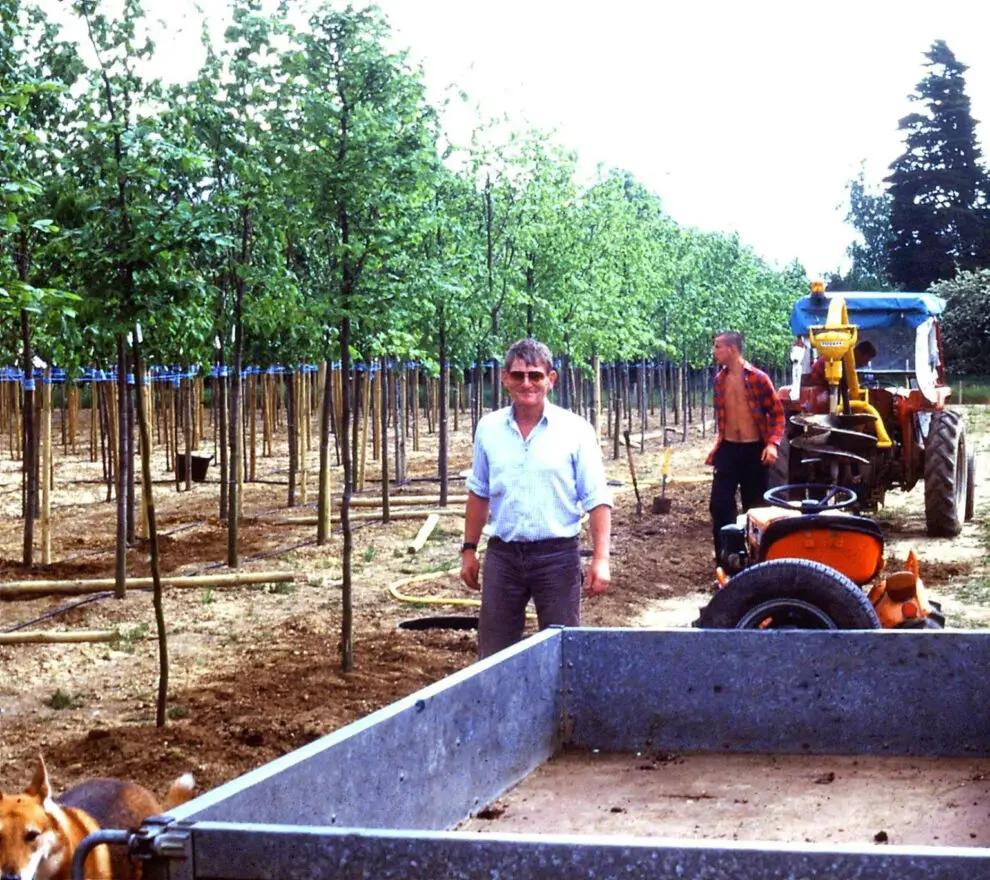
Gwynne's Grower's Tip
When customers want a Hornbeam hedge quickly, I would not judge the first season by height alone. A young hedge that has produced healthy roots and several side shoots may be progressing better than one tall, soft leader. Keep a clean strip along the planting line, water deeply rather than little and often, and shorten strong side growth during formation so the base thickens. A common mistake is reaching for more feed before checking whether dry soil, grass competition or poor drainage is the real reason for slow growth.
More Hornbeam Advice
For more detailed growing advice or to view the plants available from our nursery, use the links below.
Related Products
Products from our nursery that are relevant to this advice.

Useful Planting Essentials
Selected products that may help with planting, establishment and ongoing hedge care.
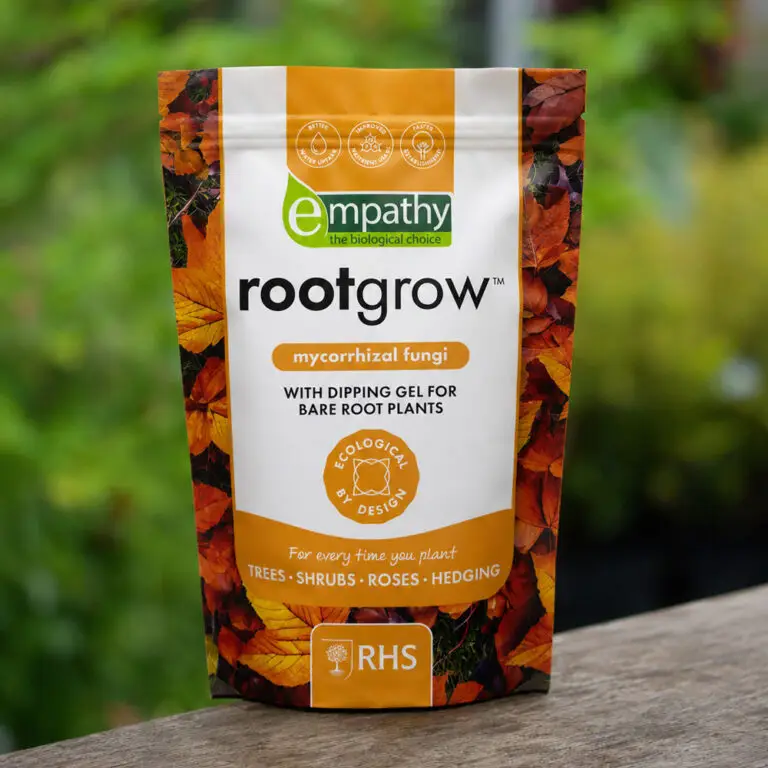
Rootgrow Mycorrhizal Fungi
Rootgrow can be applied at planting so the product is in direct contact with the roots, where appropriate for the plant and planting method.
View product
Hedge Feed
Hedge Feed provides balanced nutrition where established hedging would benefit from feeding as part of normal care.
View product
Hedge Irrigation
A hedge irrigation system can make it easier to water a new hedge consistently, particularly on longer runs and during dry weather.
View product
Hedge Compost & Mulch
Compost and mulch can support soil preparation, moisture retention and weed suppression when used appropriately around new hedging.
View product
When Is the Best Time to Plant Hornbeam Hedging?
Hornbeam can be planted in several different forms, and the best planting time depends mainly on whether the plants are supplied bare…
Read answer
Is Hornbeam Evergreen? What Does It Look Like in Winter?
Hornbeam is valued for its fresh green summer foliage, warm autumn colour and strong winter structure. Understanding how its leaves behave after…
Read answer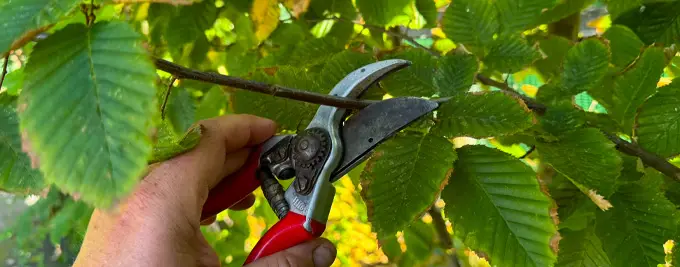
When Should I Prune a Hornbeam Hedge?
Hornbeam responds well to regular clipping, but routine trimming, formative pruning and major renovation are best carried out at different times. Choosing…
Read answer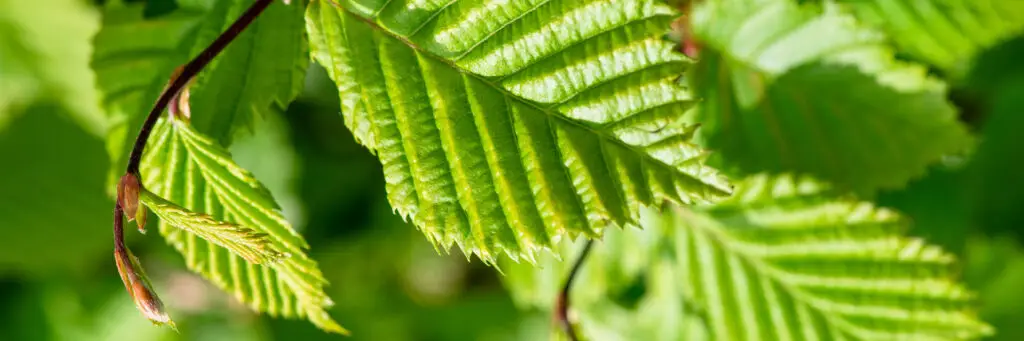
Is Hornbeam Good for Wildlife?
Hornbeam is a native deciduous hedge with a dense structure that can support birds, insects and small mammals. Its wildlife value depends…
Read answer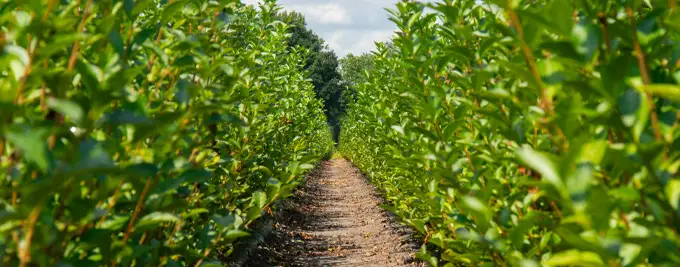
How Can I Make a Privet Hedge Grow Faster?
A Privet hedge can grow quickly once its roots are established, but dry soil, weed competition, deep shade and unsuitable pruning can…
Read answer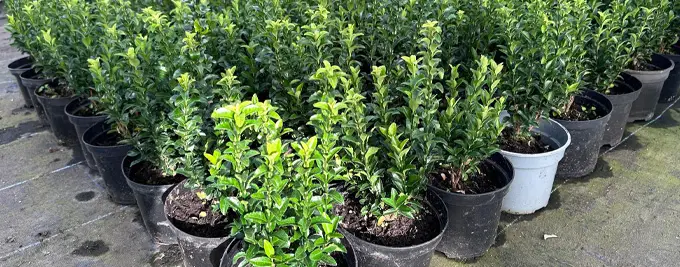
Can Euonymus Green Spire Be Grown in Pots?
Green Spire's naturally upright, compact habit makes it well suited to container growing. Pots do, however, need more regular watering and root…
Read answer
Is Holly Fast or Slow Growing?
English Holly is valued for dense evergreen foliage rather than rapid growth. Understanding its natural growth rate helps you choose the right…
Read answer
How Fast Does a Yew Hedge Grow Annually?
English Yew is often described as slow growing, but a healthy, established hedge can still make useful progress each year. Its actual…
Read answer