
When Should I Prune a Hornbeam Hedge?
Hornbeam responds well to regular clipping, but routine trimming, formative pruning and major renovation are best carried out at different times. Choosing the right pruning period helps maintain a dense, well-shaped hedge from the ground upwards.
Quick Answer
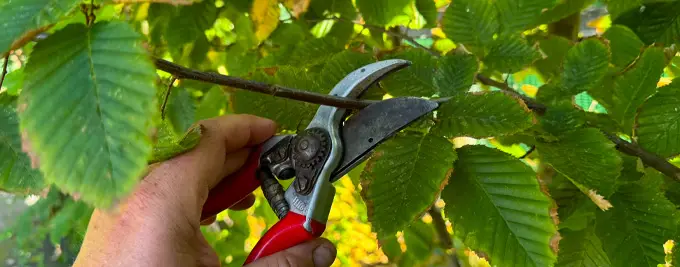
For an established Hornbeam hedge, make the main annual trim in mid to late summer, usually during August in the UK, once the season’s main growth has begun to slow. Young, thin hedges can receive formative pruning during winter, while major reduction of an overgrown Hornbeam is also best completed during dormancy. Always inspect the hedge for active bird nests before cutting and postpone the work if a nest is being built or used.
Quick Facts
| Main annual trim | Mid to late summer |
|---|---|
| Typical UK month | August |
| Established hedge frequency | Usually once a year |
| Young hedge formative pruning | Winter for the first two years, where required |
| Overgrown hedge renovation | During dormancy, normally in winter |
| Formal hedge shape | Slightly wider at the base than the top |
| Wildlife check | Inspect carefully for active bird nests before cutting |
What is the best month to prune a Hornbeam hedge?
August is usually the best month to prune an established Hornbeam hedge in the UK. By mid to late summer, the main flush of new growth has normally slowed, allowing you to restore the hedge’s shape without immediately producing another large amount of soft extension growth.
The exact date should be guided by the hedge and local conditions rather than the calendar alone. In a warm area, the hedge may be ready earlier in August. In a cooler or exposed garden, it may still be growing strongly later in the month.
Most established Hornbeam hedges only need one proper trim each year. This timing is also recommended by the RHS for formal Hornbeam, or Carpinus betulus, hedges.
Does pruning time change with the age of the hedge?
Yes. A newly planted Hornbeam hedge is pruned differently from one that has already reached its intended height and density.
Pruning a young Hornbeam hedge
During the first two winters after planting, a thin or poorly branched Hornbeam hedge can benefit from formative pruning. Shorten selected leading and side shoots by approximately one third, cutting just above a well-positioned bud.
This encourages shoots to develop lower down the stems and helps create a dense framework close to ground level. The objective is not to cut every newly planted Hornbeam automatically. A naturally bushy plant may only need damaged or badly positioned growth removed.
Formative pruning is normally carried out during winter because the hedge is dormant and its branch structure is easier to see.
Pruning an established Hornbeam hedge
Once the hedge has developed a good framework and is close to its planned size, move to one main maintenance trim in mid to late summer.
Remove most of the untidy current-season extension while retaining a small amount of young growth. This keeps the hedge within its intended dimensions without repeatedly cutting back into its older framework.
A tightly maintained formal hedge may need a light tidy earlier in summer, but this should not replace the main August trim. Avoid repeatedly cutting a young hedge across the top before it has reached the required height, as this can slow upward development.
Can I prune Hornbeam during winter?
Routine trimming of an established Hornbeam hedge is better left until mid to late summer. Winter is mainly used for formative pruning, structural work and renovation.
This distinction is important. Advice stating that Hornbeam should be pruned in winter may be referring to a young hedge that needs to branch out or an old hedge that requires a substantial reduction. It does not normally mean that every established Hornbeam hedge needs its annual surface trim during winter.
Remove broken, dead or dangerous growth when necessary, but postpone non-urgent winter pruning during hard frost or when stems are frozen and brittle.
When should I cut back an overgrown Hornbeam hedge?
Hornbeam responds well to renovation and can usually produce new shoots from older wood. Major reductions are best carried out while the hedge is dormant, after leaf fall and before strong spring growth begins.
Where a hedge needs a substantial reduction in both height and width, completing the work in stages can be less stressful than cutting every side back severely at once. For example, reduce one side and the top first, allow the hedge to recover, and complete the remaining side during a later dormant period.
Remove dead, damaged and crossing branches as part of the work. After renovation, give the hedge time to produce new shoots before attempting to create a fine, tightly clipped finish.
Does late-summer pruning help Hornbeam retain its leaves?
A Hornbeam hedge trimmed in late summer will often retain some of its dry golden-brown leaves through winter. This is known as marcescence.
Leaf retention is variable and should not be treated as guaranteed winter screening. It depends on the hedge’s age, shelter, exposure, vigour, pruning time and winter weather. Hornbeam will also normally retain fewer winter leaves than a comparable Beech hedge.
Late-summer trimming helps maintain the dense network of young shoots on which retained leaves are most noticeable, but Hornbeam remains a deciduous plant rather than an evergreen hedge.
How should I shape a Hornbeam hedge?
Keep the base slightly wider than the top so sunlight can reach the lower branches. A hedge that becomes wider across the top can shade its own base, eventually creating thin growth or bare lower stems.
Trim the sides carefully, working upwards, and finish the top with the help of a string line where a straight formal appearance is required. Sharp shears or a well-maintained hedge trimmer can be used for fine annual growth, while secateurs or loppers are better for thicker individual stems.
Avoid taking more height off than necessary when the hedge is still developing. Once it reaches the intended height, regular trimming of the top will help it fill out and maintain a level outline.
What should I check before pruning?
Inspect the complete hedge for signs of nesting birds before starting work. Under the Wildlife and Countryside Act 1981, it is an offence to damage or destroy the nest of a wild bird while that nest is in use or being built.
March to August is generally treated as the main nesting period, but the presence of an active nest matters more than the date. Birds can nest outside the usual period, so there is no calendar date on which cutting an occupied hedge automatically becomes acceptable.
Separate cutting restrictions can apply to qualifying hedgerows on or beside agricultural land in England. These generally prohibit cutting from 1 March to 31 August, subject to specified exemptions. Domestic garden boundaries are exempt from those particular agricultural hedgerow rules, but the protection given to active bird nests still applies.
Gwynne's Grower's Tip
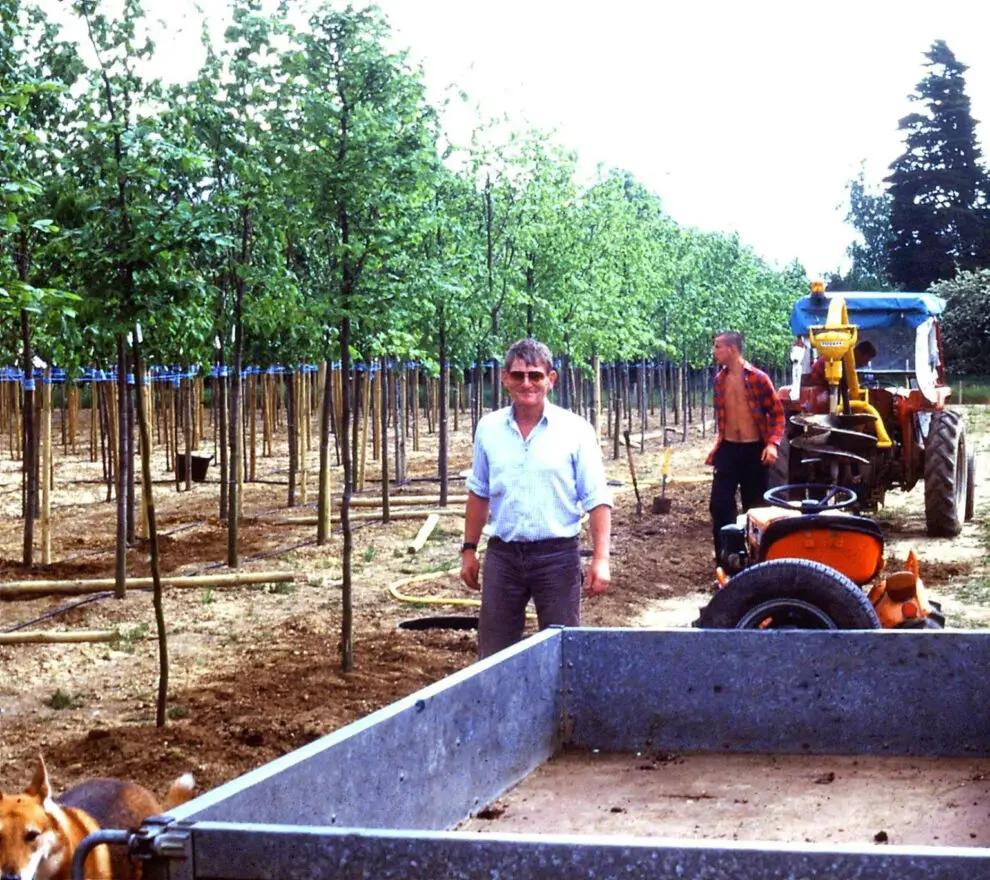
A common mistake is allowing a young Hornbeam hedge to race upwards without first developing enough growth near the ground. Where the plants are thin, I would shorten selected leading and side shoots by about one third during winter, cutting just above a well-placed bud. Once the hedge has developed a dense framework and is close to its intended height, switch to one tidy trim during August. Always keep the base fractionally wider than the top. That small difference allows more light into the lower branches and helps prevent the hedge developing bare legs as it matures.
More Hornbeam Advice
For more detailed growing advice or to view the plants available from our nursery, use the links below.
Useful Planting Essentials
Selected products that may help with planting, establishment and ongoing hedge care.

Rootgrow Mycorrhizal Fungi
Rootgrow can be applied at planting so the product is in direct contact with the roots, where appropriate for the plant and planting method.
View product
Hedge Feed
Hedge Feed provides balanced nutrition where established hedging would benefit from feeding as part of normal care.
View product
Hedge Irrigation
A hedge irrigation system can make it easier to water a new hedge consistently, particularly on longer runs and during dry weather.
View product
Hedge Compost & Mulch
Compost and mulch can support soil preparation, moisture retention and weed suppression when used appropriately around new hedging.
View product
When Is the Best Time to Plant Hornbeam Hedging?
Hornbeam can be planted in several different forms, and the best planting time depends mainly on whether the plants are supplied bare…
Read answer
How Fast Does a Hornbeam Hedge Grow?
Hornbeam is a dependable native hedging plant, but the time it takes to form a useful screen depends on more than the…
Read answer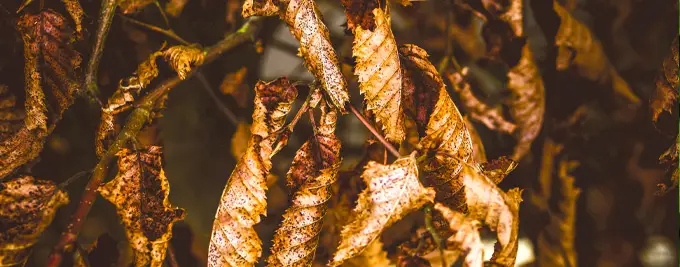
Is Hornbeam Evergreen? What Does It Look Like in Winter?
Hornbeam is valued for its fresh green summer foliage, warm autumn colour and strong winter structure. Understanding how its leaves behave after…
Read answer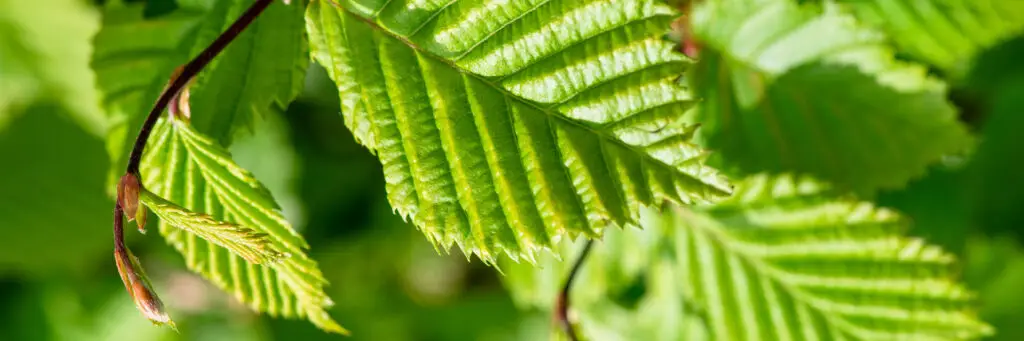
Is Hornbeam Good for Wildlife?
Hornbeam is a native deciduous hedge with a dense structure that can support birds, insects and small mammals. Its wildlife value depends…
Read answer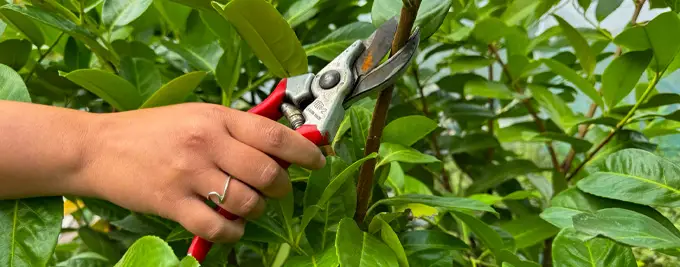
When Should I Prune a Laurel Hedge?
Laurel hedges are forgiving plants, but choosing the right time to prune helps them recover cleanly and keeps the hedge dense and…
Read answer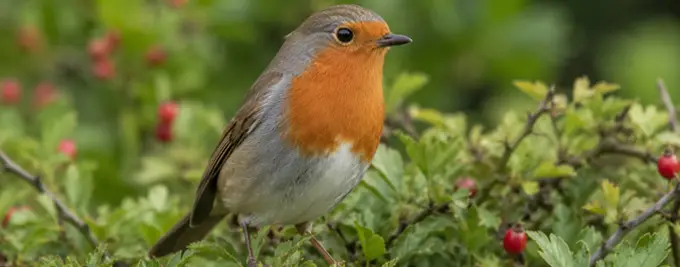
When Should Hedges Be Cut to Avoid Nesting Birds?
Hedges provide valuable nesting cover for many British garden birds. Planning routine trimming around the breeding season reduces the risk of damaging…
Read answer
When Should a Box Hedge Be Trimmed?
Box responds well to clipping, but the age of the hedge and the weather conditions both matter. Choosing the right time helps…
Read answer
How Do I Make a Beech Hedge Thicker?
A thin Beech hedge is often caused by weak formative pruning, shade at the base, dry roots, weed competition or gaps between…
Read answer