
How Long Can Bare-Root Plants Be Stored?
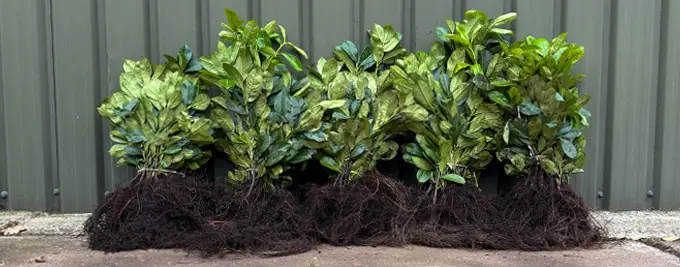
Bare-root plants are vulnerable once they have been lifted because their exposed roots can dry out quickly. Correct temporary storage can protect them while you wait for suitable planting conditions.
Quick Answer
Plant bare-root hedging within one or two days of delivery where possible. For a brief delay, keep the roots covered and slightly moist in a cool, frost-free shed or garage. If planting will be delayed for more than two days, heel the plants into a shallow trench so all the roots are covered with soil. They can normally remain heeled in for several weeks, or until conditions improve within the same dormant season, but should be moved before the buds open and active growth begins.
Quick Facts
| Ideal planting time after delivery | Within 1 to 2 days |
|---|---|
| Short-term storage | Cool, sheltered and frost-free, with roots covered |
| Delay longer than 2 days | Heel the plants temporarily into soil |
| Heeled-in storage | Several weeks if plants remain dormant and roots stay protected |
| Most important protection | Do not allow the roots to dry out |
| Final planting deadline | Before buds open or active spring growth begins |
Why do bare-root plants need careful storage?
Bare-root plants are lifted from the field while they are dormant and supplied with little or no soil around their roots. This makes them economical to transport and straightforward to plant, but it also leaves the fine roots vulnerable to drying wind, direct sunlight, frost and physical damage.
Once the roots have dried significantly, the plant may struggle to replace the moisture it has lost. The aim of temporary storage is therefore not to encourage growth. It is to keep the plant cool and dormant while protecting the roots until they can be placed in the ground.
Bare-root hedging is normally supplied during the dormant period, generally between November and April, although the exact season depends on the species, weather and ground conditions.
How should bare-root plants be stored for one or two days?
Open the outer delivery packaging promptly and inspect the plants. Keep the roots covered rather than leaving them exposed while you prepare the planting area.
For a delay of no more than a day or two:
- Keep the plants somewhere cool, sheltered and frost-free.
- A shed, garage or unheated outbuilding is usually suitable.
- Protect the roots from direct sunlight and drying wind.
- Keep the root covering slightly moist, but not saturated.
- Do not place the stems or roots next to a heater.
- Check the plants daily rather than leaving them unattended.
The roots should remain moist enough to prevent drying, but should not be left standing in water. A bucket of water can be used briefly to rehydrate dry roots before planting, but it is not suitable as a storage container for several days because roots also need oxygen. Hedging Plants Direct’s existing planting advice recommends heeling plants in when planting will be delayed for more than two days.
How do you heel in bare-root plants?
Heeling in means temporarily covering the roots with soil until the plants can be moved to their permanent position. It provides much better protection than keeping the plants bundled in a shed for an extended period.
Choose a sheltered, well-drained part of the garden that is unlikely to flood or receive strong winter sunlight.
- Dig a narrow trench approximately 30cm deep, with one side sloping at roughly 45 degrees.
- Remove plastic transit packaging and check that the roots have not dried out.
- If necessary, briefly rehydrate the roots before placing the plants in the trench.
- Lay the plants at an angle with all the roots below soil level.
- Backfill with loose soil, working it carefully around the roots so that there are no large air pockets.
- Firm the soil gently and water it to settle the soil around the roots.
- Check the trench periodically and water only if the soil around the roots is beginning to dry.
Plants can normally remain tied in manageable bundles while heeled in, provided soil reaches the roots within the middle of each bundle. For larger bundles, separating them can make it easier to ensure that every root system is properly covered.
How long can plants remain heeled in?
Heeling in is suitable for delays of several weeks. Properly protected plants may remain heeled in for the rest of the dormant planting season if weather or ground conditions prevent permanent planting.
This is not an unlimited storage period. The plants must be moved before they begin establishing strongly in the temporary trench or producing active new growth. Check regularly for swelling buds, fresh shoots or new roots growing into the surrounding soil.
The practical deadline varies with the weather, location and plant species. A mild late winter may bring plants out of dormancy earlier than expected, while colder conditions may extend the available planting period. The safest approach is still to complete the permanent planting as soon as the ground becomes workable.
Can bare-root plants be stored in a greenhouse?
A greenhouse, conservatory or warm polytunnel is generally unsuitable for storing dormant bare-root plants. Even during winter, temperatures can rise quickly on a sunny day.
Warmth and light can encourage the buds to open before the plants have been planted. Once active growth begins, the plants use their stored reserves and lose moisture more quickly, making delayed planting riskier.
Choose an unheated shed, garage or similarly cool location for a very short delay. Heel the plants into soil when a longer delay is expected.
What if the ground is frozen or waterlogged?
Do not rush to plant into unsuitable ground simply because the plants have arrived. Frozen soil cannot be prepared properly, while saturated soil can become compacted and may leave the roots without sufficient air.
Heel the plants into a separate area of workable, well-drained soil until the permanent planting position improves. If no outdoor soil can be worked, keep the plants cool and protected for the shortest possible period and contact the nursery for advice if conditions are likely to remain unsuitable.
The RHS also recommends temporary heeling in when frozen or waterlogged ground prevents immediate planting.
How can you tell if storage conditions are unsuitable?
Check stored plants for:
- Dry, brittle or shrivelled roots
- Root coverings that have dried completely
- Standing water or a sour smell around the roots
- Soft or discoloured root tissue
- Swelling buds or new leaves
- Pale new roots growing into a temporary trench
- Damage caused by frost, rodents or rough handling
Plants showing active growth should be planted promptly if conditions allow. Do not deliberately remove new buds or shoots in an attempt to return the plant to dormancy.
If the roots feel slightly dry but remain flexible, rehydrate them before planting in accordance with the instructions supplied with the plants. Severely dried, brittle or damaged plants should be photographed and reported to the supplier before planting.
Does professional cold storage change the answer?
Some nurseries use controlled cold storage to extend the bare-root supply season. This is different from keeping delivered plants in a domestic shed, garage or refrigerator.
Cold stores maintain controlled temperatures and humidity while plants are dormant. Once plants leave those conditions and are exposed to ordinary light and temperatures, dormancy may begin to break. Cold-stored plants should therefore still be planted promptly after delivery.
What should you do before final planting?
Carefully lift heeled-in plants without pulling them by their stems. Keep the roots covered while moving the plants from the temporary trench to their final planting position.
Spread the roots naturally within the prepared trench rather than bending or forcing them into a small hole. Position each plant at approximately the same depth at which it was previously growing, firm the soil carefully and water thoroughly after planting.
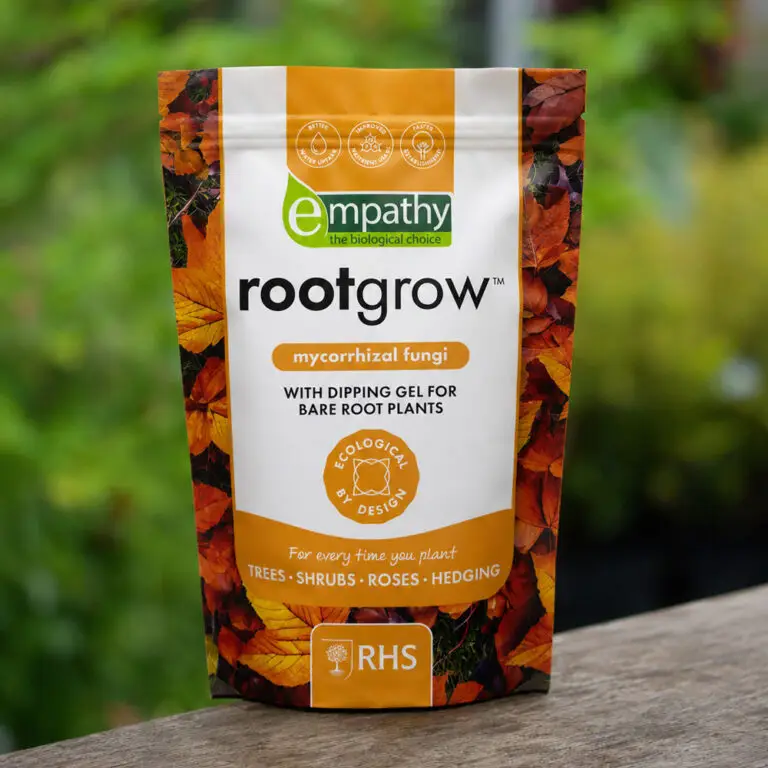
Rootgrow mycorrhizal fungi can be applied directly to the roots at planting. It does not replace correct planting, suitable soil preparation or establishment watering. For the complete process, follow the Hedging plants Direct guide to planting a hedge or browse the current bare-root hedging range.
Gwynne's Grower's Tip
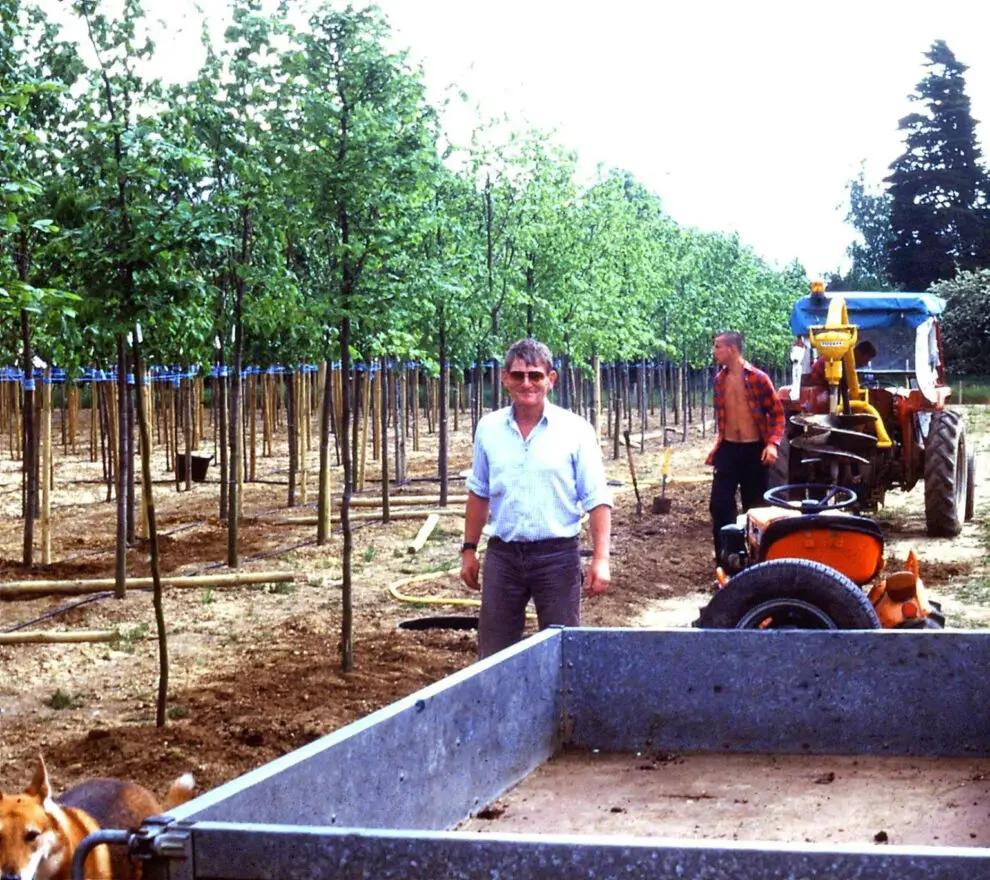
Bare-root plants are far easier to protect in the ground than they are in a bundle for an extended period. For a delay of more than a couple of days, I would heel them into a sheltered patch of soil rather than repeatedly opening the bag and trying to judge the moisture around every root. Make sure the soil reaches the roots in the middle of the bundle, not just those around the outside. Check the plants regularly and move them to their permanent position as soon as the ground is ready, particularly when the buds begin to swell.
More General Advice
For more detailed growing advice or to view the plants available from our nursery, use the links below.
Related Products
Products from our nursery that are relevant to this advice.


Useful Planting Essentials
Selected products that may help with planting, establishment and ongoing hedge care.
Rootgrow Mycorrhizal Fungi
Rootgrow can be applied at planting so the product is in direct contact with the roots, where appropriate for the plant and planting method.
View product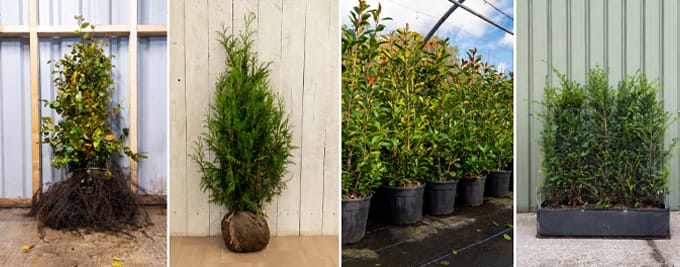
What Are the Different Hedging Root Types?
Bare root, root ball, pot-grown and instant hedging suit different budgets, planting times and levels of initial coverage. Understanding how each is…
Read answer
What Is the Best Soaker Hose for Hedges?
A well-chosen soaker hose makes it easier to water a hedge evenly without wetting the foliage or carrying a watering can along…
Read answer
What Is the Best Watering System for a Hedge?
A good hedge watering system should deliver moisture slowly and evenly along the whole planting line. The most suitable setup depends on…
Read answer
Why Is My Hedge Turning Brown?
A hedge can turn brown for several very different reasons, including dry roots, waterlogged soil, frost, wind, trimming damage or disease. The…
Read answer
Can I Replace a Box Hedge With Green Spire After Box Blight?
Green Spire is one of the closest Euonymus alternatives to a neat low Box hedge. A previous box-blight outbreak does not infect…
Read answer
When Is the Best Time to Plant Hornbeam Hedging?
Hornbeam can be planted in several different forms, and the best planting time depends mainly on whether the plants are supplied bare…
Read answer
How Much Mycorrhizal Fungi Should I Use?
The correct amount of mycorrhizal fungi depends on the size and root type of the plants being treated. Calculating the quantity before…
Read answer
How Do I Plant a Staggered Double-Row Hedge?
A staggered double row creates a broader hedge by arranging plants in a zigzag rather than directly opposite one another. Correct spacing…
Read answer