
Why Is My Hedge Turning Brown?
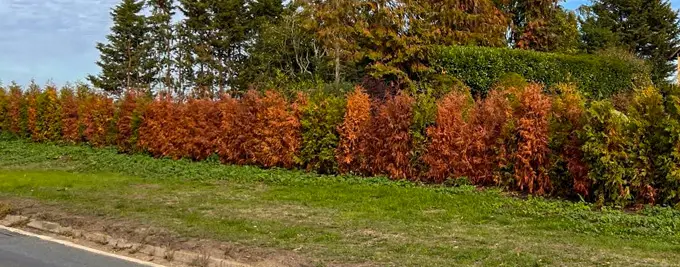
A hedge can turn brown for several very different reasons, including dry roots, waterlogged soil, frost, wind, trimming damage or disease. The pattern of browning, the age of the planting and the condition of the root zone usually provide the best clues.
Quick Answer
Brown foliage is a symptom rather than a diagnosis. Start by checking the soil moisture at root depth. Dry roots are a common cause, especially in newly planted hedges, while saturated soil can damage roots and produce similar browning. Also consider recent frost, drying wind, salt exposure, pruning, natural leaf replacement and species-specific pests or diseases. Do not automatically feed or spray the hedge. Identify and correct the underlying cause first.
Quick Facts
| First thing to check | Soil moisture at root depth and inside the original root ball |
|---|---|
| Common causes | Drought, waterlogging, establishment stress, frost, wind, pruning damage, pests or disease |
| Newly planted hedges | Most vulnerable during their first two growing seasons |
| Typical drought signs | Brown tips or margins, wilting, curling and premature leaf fall |
| Typical excess-water signs | Persistently wet soil, weak growth, yellowing or browning and dark or soft roots |
| Natural browning | Usually limited to older inner leaves or normal autumn and winter foliage |
| Conifer warning | Most conifers, apart from Yew, may not regrow from old brown wood |
| More serious warning signs | Whole plants browning, spreading dieback, cankers, black streaks, fungal growth or rotting roots |
Check the pattern before treating the hedge
Brown leaves are one of the limited ways in which a woody plant can show that something is wrong. The appearance alone does not identify the cause, so look at the pattern across the hedge before applying feed, pesticide or fungicide.
Check:
- whether the browning affects one plant, several neighbouring plants or the entire hedge
- whether it is worse on the exposed side
- whether only the tips and leaf margins are brown
- whether complete shoots or plants are dying
- whether the affected hedge was planted recently
- whether the soil is dry, damp or saturated below the surface
- whether the damage appeared after frost, strong winds, hot weather or trimming
One plant dying within an otherwise healthy row may indicate a local root, stem or planting problem. A whole section declining in a low part of the garden points more strongly towards drainage, while damage confined to the exposed face may indicate wind, frost or salt scorch.
Is the root zone too dry?
Dry roots are among the most common causes of brown leaf tips, crisp margins, curling foliage and premature leaf fall. Newly planted hedges, large root-balled plants and instant hedge units are particularly vulnerable because their roots have not yet spread far into the surrounding soil.
Do not judge moisture by looking at the soil surface. Use a trowel to inspect the soil beside the plants and check inside the original pot compost or root ball. The surrounding ground can appear damp while the original root mass remains dry.
Walls, fences, roof overhangs and established trees can create a rain shadow, meaning the hedge receives less natural rainfall than expected. Wind also increases moisture loss, even when temperatures are not especially high.
Where the root zone is dry, apply water slowly at the base so that it penetrates through the full rooting depth rather than running across the surface. Newly planted shrubs should generally be watered deeply during dry spells, with the aim of moistening the soil approximately 20 to 30cm deep.
For a long hedge or a large planting project, a properly installed hedge irrigation system can provide more consistent watering. The system should still be checked manually because blocked pipework, uneven pressure or an incorrectly set timer can leave sections dry. Hedging Plants Direct currently supplies manual and automatic irrigation options for hedging.
Could the ground be waterlogged?
Too much water can produce symptoms that look surprisingly similar to drought. When soil remains saturated, there is less oxygen available to the roots. Damaged roots then become less able to supply water to the foliage, resulting in yellowing, browning, wilting and dieback.
Possible signs include:
- standing water after rain
- consistently wet or sticky soil
- several plants declining in a low section
- a planting trench acting like a sump in compacted clay
- dark, soft or easily broken roots
- a sour or rotting smell in the soil
- progressive dieback despite regular watering
If the soil is already saturated, stop routine irrigation while the cause is investigated. Adding more water or fertiliser will not repair damaged roots. Drainage may need to be improved across the wider planting area rather than simply adding compost to the original narrow trench.
HPD’s own Privet guidance notes that waterlogged roots can cause the same visible browning as drought and recommends investigating drainage where the ground remains wet for long periods.
Is the hedge struggling to establish?
Poor establishment is especially common during the first two growing seasons after planting. Brown leaves and dying shoot tips may develop when the roots have not made good contact with the soil or have failed to grow beyond the original root ball.
Possible causes include:
- insufficient watering after planting
- an original pot root ball that repeatedly dries out
- roots damaged before or during planting
- pot-bound roots that remain tightly congested
- plants set too deeply in the ground
- compacted soil around the planting trench
- grass and weeds competing for water
- large plants with a relatively restricted root system
Check whether the plants are sitting at approximately the same depth at which they were previously growing. The stems should not disappear beneath a deep layer of soil or mulch.
Keep the planting strip free from grass and weeds. A suitable organic mulch can reduce evaporation, suppress competing weeds and gradually improve soil structure, but it should not be piled directly against the stems. Hedging Plants Direct’s compost and mulch range is intended for soil improvement, moisture retention and establishment support.
Has frost, wind or salt scorched the foliage?
Cold, drying winds can remove moisture from evergreen foliage faster than damaged, frozen or waterlogged roots can replace it. This produces dry brown edges, scorched leaves and damage that is usually most severe on the exposed or windward face of the hedge.
Frost damage often appears after a cold spell, particularly on young, soft growth. The affected leaves may turn brown or black, while protected foliage deeper inside the plant remains green.
Salt can also cause localised browning. Coastal hedges may be affected by salt-laden winds, while hedges beside roads, driveways or pavements can be damaged by de-icing salt or salty surface water. Hopes Grove’s Yew guidance, for example, identifies winter exposure and road salt as causes of browning concentrated on the affected side of the hedge.
Do not immediately remove every marked shoot after frost or exposure damage. Wait until active growth resumes so that living and dead wood can be distinguished more easily. Temporary permeable wind protection may help a newly planted hedge on a very exposed site.
Could trimming have caused the brown patches?
Trimming can leave temporary brown cut edges on broad-leaved evergreens where a hedge trimmer slices through large leaves. This is usually cosmetic and becomes less noticeable as fresh growth develops.
Conifers require more caution. With the exception of Yew, most conifers have little or no ability to produce new shoots from old brown wood. Cutting beyond the outer green foliage can therefore leave bare patches that may take years to fill, or may not fill at all. Hot, dry weather can also increase the risk of browning after trimming.
Avoid hard pruning while a hedge is already suffering from drought, waterlogging or recent root disturbance. Correct the underlying stress and allow the plant to recover before carrying out substantial reshaping.
Is some brown foliage normal?
Not every brown leaf indicates a serious problem.
Evergreens periodically replace older leaves. Natural leaf replacement is normally limited to older, lower or internal foliage, while the outer shoots remain healthy and continue growing.
Beech and Hornbeam are deciduous hedging plants. Their foliage naturally turns yellow, copper or brown during autumn, and clipped hedges may retain dry leaves through part of the winter. This should not be confused with summer drought damage or progressive dieback. Hedging Plants Direct’s Beech and Hornbeam guides both explain this normal seasonal colour change.
Internal browning may also develop where a very dense evergreen hedge shades its oldest inner foliage. This is generally less concerning than new outer growth turning brown or complete shoots dying back.
When should you suspect a pest or disease?
Pests and diseases become more likely where browning is accompanied by distinctive additional symptoms.
Look for:
- spots, holes or coloured lesions on the leaves
- a white or powdery coating
- black streaks on young stems
- sticky leaves, cast insect skins or sooty growth
- webbing or visible caterpillars
- cankers, split bark or sunken stem lesions
- mushrooms or fungal growth around the base
- soft, dark or decaying roots
- dieback spreading progressively between neighbouring plants
Brown foliage alone is not enough to identify a particular disease. Drought, waterlogging and root disease can all interfere with water uptake and produce very similar symptoms above ground.
Once the plant species and associated symptoms are known, use the appropriate Hedging Care and Growing Guide to narrow the diagnosis. The species guides cover problems specific to Laurel, Privet, Yew, Box, Photinia, Euonymus, Beech, Hornbeam and other hedging plants.
Can a brown hedge recover?
A brown leaf will not turn green again, but the plant may still recover by producing healthy new foliage if its roots and stems remain alive.
To check a suspect shoot, lightly scratch a very small area of bark. Green, moist tissue beneath the bark indicates that the stem is alive. Dry brown tissue indicates that the tested section is dead. Repeat the test farther down the branch before deciding how much material to remove.
Correct the moisture, drainage, exposure or planting problem before pruning heavily. Once the plant is actively growing, remove dead shoots back to healthy tissue. Where whole plants have brown foliage, soft roots or extensive damage at the base of the stem, replacement may be necessary after the underlying site problem has been corrected.
A practical recovery plan
- Identify the hedge species and decide whether the colour change is seasonally normal.
- Compare the brown section with a healthy section of the same hedge.
- Check moisture below the surface and inside the original root ball.
- Inspect the leaves, stems, root collar and nearby soil for additional symptoms.
- Correct drought, excess water, exposure, weed competition or planting problems.
- Avoid applying strong fertiliser or pesticide until the cause is understood.
- Wait for active growth before deciding which shoots are permanently dead.
- Follow the relevant species care guide where pests or disease are suspected.
Gwynne's Grower's Tip
When we see a newly planted hedge browning, the first thing I want checked is not the leaf but the original root ball. It is quite possible for the surrounding soil to look damp while the pot compost or soil ball inside has dried out. The opposite also happens in clay trenches, where water collects around the roots. Dig a small inspection hole beside two or three plants and compare a healthy section with a brown one. Checking the moisture through the complete root depth normally tells you much more than adding feed or spraying the foliage.
Useful Planting Essentials
Selected products that may help with planting, establishment and ongoing hedge care.
Rootgrow Mycorrhizal Fungi
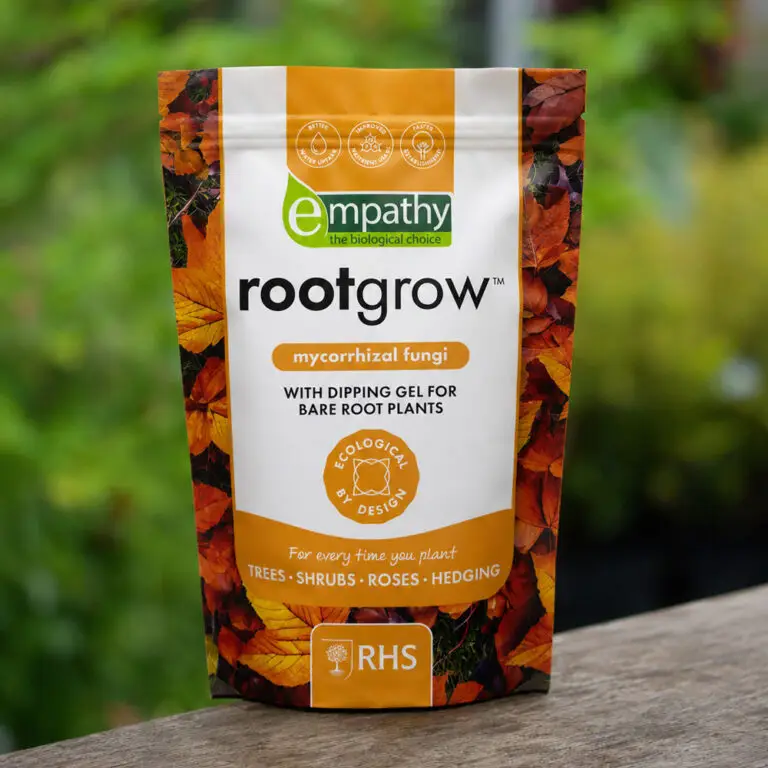
Rootgrow can be applied at planting so the product is in direct contact with the roots, where appropriate for the plant and planting method.
View product
Hedge Feed
Hedge Feed provides balanced nutrition where established hedging would benefit from feeding as part of normal care.
View product
Hedge Irrigation
A hedge irrigation system can make it easier to water a new hedge consistently, particularly on longer runs and during dry weather.
View product
Hedge Compost & Mulch
Compost and mulch can support soil preparation, moisture retention and weed suppression when used appropriately around new hedging.
View product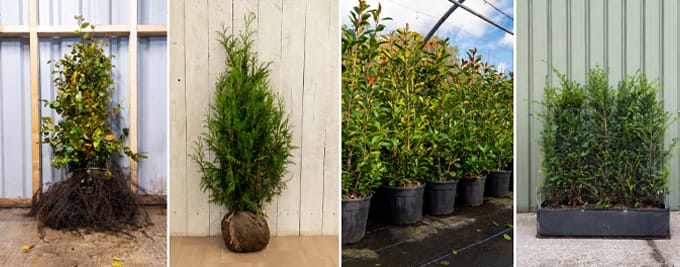
What Are the Different Hedging Root Types?
Bare root, root ball, pot-grown and instant hedging suit different budgets, planting times and levels of initial coverage. Understanding how each is…
Read answer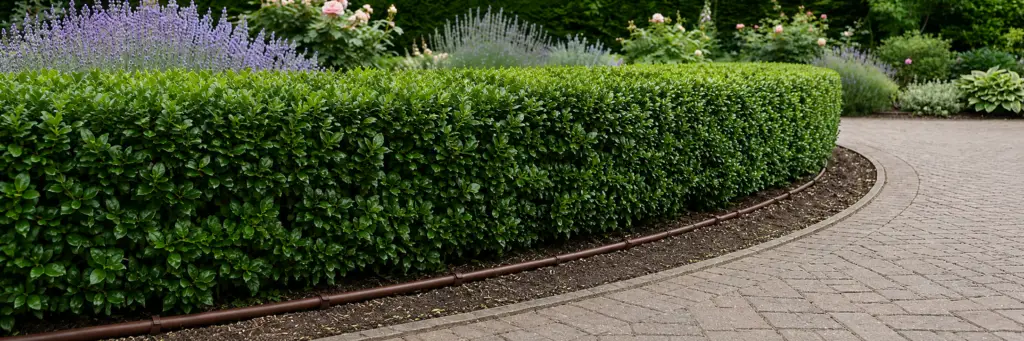
What Is the Best Soaker Hose for Hedges?
A well-chosen soaker hose makes it easier to water a hedge evenly without wetting the foliage or carrying a watering can along…
Read answer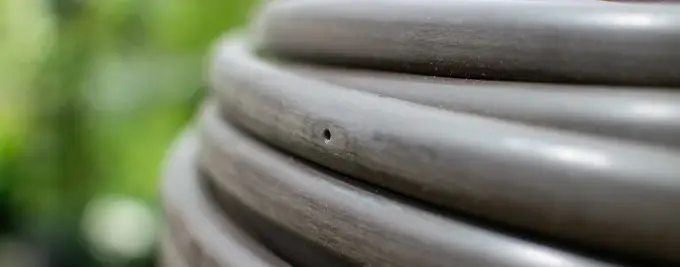
What Is the Best Watering System for a Hedge?
A good hedge watering system should deliver moisture slowly and evenly along the whole planting line. The most suitable setup depends on…
Read answer
How Much Mycorrhizal Fungi Should I Use?
The correct amount of mycorrhizal fungi depends on the size and root type of the plants being treated. Calculating the quantity before…
Read answer
Euonymus Green Spire Problems: Causes and Fixes
Green Spire is a tough, reliable hedge, but a few problems turn up regularly. Here is how to recognise each one quickly,…
Read answer
Do Deer or Rabbits Eat Euonymus Green Spire?
Green Spire should not be regarded as reliably browse-proof. The amount of damage depends heavily on local animal pressure, alternative food and…
Read answer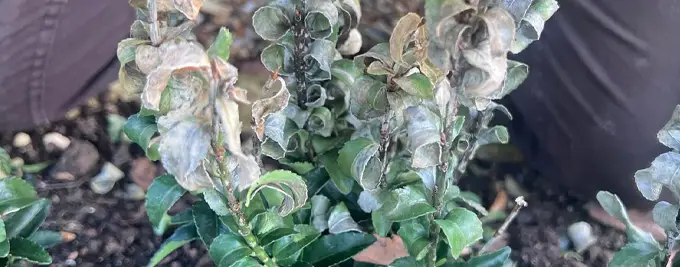
Can Frost or Wind-Damaged Green Spire Recover?
Evergreen Green Spire can show brown leaf edges, scorched foliage or leaf drop after cold drying winds. The visible damage can look…
Read answer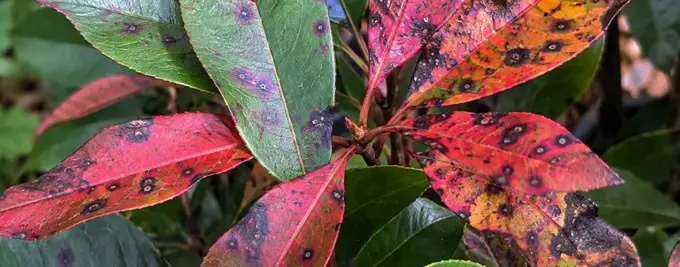
What Problems Can Photinia Red Robin Have in Pots?
Photinia Red Robin can grow well in containers, but a pot makes the roots more dependent on careful watering, drainage and regular…
Read answer