
Can Frost or Wind-Damaged Green Spire Recover?
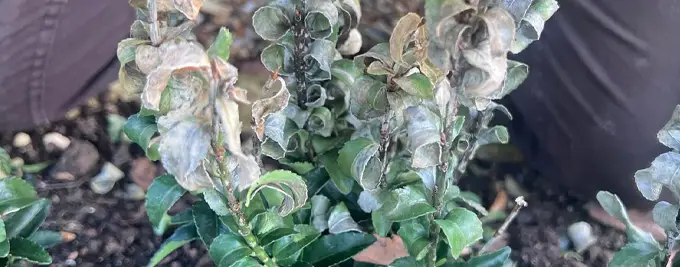
Evergreen Green Spire can show brown leaf edges, scorched foliage or leaf drop after cold drying winds. The visible damage can look severe even when the stems and roots remain capable of producing new growth.
Quick Answer
Yes, Green Spire can often recover from frost or wind damage if the roots and main stems remain alive. Brown leaf edges, scorched foliage and some leaf drop do not automatically mean the plant is dead. Keep the root zone correctly moist, protect newly planted hedging from further severe exposure where practical, and wait for new growth before cutting heavily. Once the risk of severe frost has reduced, prune back confirmed dead shoots to healthy tissue and allow fresh growth to rebuild the hedge.
Quick Facts
| Recovery possible | Yes, if roots and stems remain alive |
|---|---|
| Typical symptoms | Brown edges, scorch, leaf drop or dead shoot tips |
| Do not do immediately | Hard prune during continuing severe weather |
| Best first check | Stem condition and root-zone moisture |
| Routine shaping | Mid to late spring after severe frost risk reduces |
What does frost or wind damage look like on Green Spire?
Cold or drying wind can cause brown leaf margins, dull foliage, scorched patches and some leaf drop. Young shoot tips are often the first areas to show damage. A newly planted evergreen hedge is particularly vulnerable because the foliage continues to lose moisture before the roots are fully established.
These symptoms can look dramatic without killing the whole plant.
How can you tell whether the stems are still alive?
Wait until conditions improve and look for healthy buds or fresh shoots. Where necessary, lightly scratch a small area of bark on a suspect stem. Living tissue beneath the bark should remain green rather than dry and brown throughout.
Do not cut every discoloured shoot back immediately after a cold spell because some apparently poor foliage can be replaced while the stem itself remains viable.
When should damaged Green Spire be pruned?
Once the main risk of severe frost has reduced and new growth makes the extent of damage clear, remove confirmed dead shoots back to healthy tissue. Green Spire is normally lightly shaped in mid to late spring, with an optional light tidy later in summer.
Avoid combining severe pruning with drought, root disturbance or heavy feeding. The plant needs enough healthy foliage and root function to rebuild.
How can you help a damaged hedge recover?
Check moisture inside the original root ball rather than assuming rainfall has reached it. Wind can dry evergreen leaves rapidly, but waterlogged roots can also decline, so only water when the root zone actually needs it.
On a very exposed site, temporary permeable shelter can reduce further wind scorch while young Euonymus Green Spire hedge plants establish. Avoid solid barriers that create turbulence around their edges.
When is replacement more likely to be needed?
If stems remain brown and lifeless well into the growing season, no healthy buds develop and the root system is badly damaged or rotten, recovery becomes less likely. Check drainage and planting depth before replacing a failed plant so the same site problem is not repeated.
Gwynne's Grower's Tip
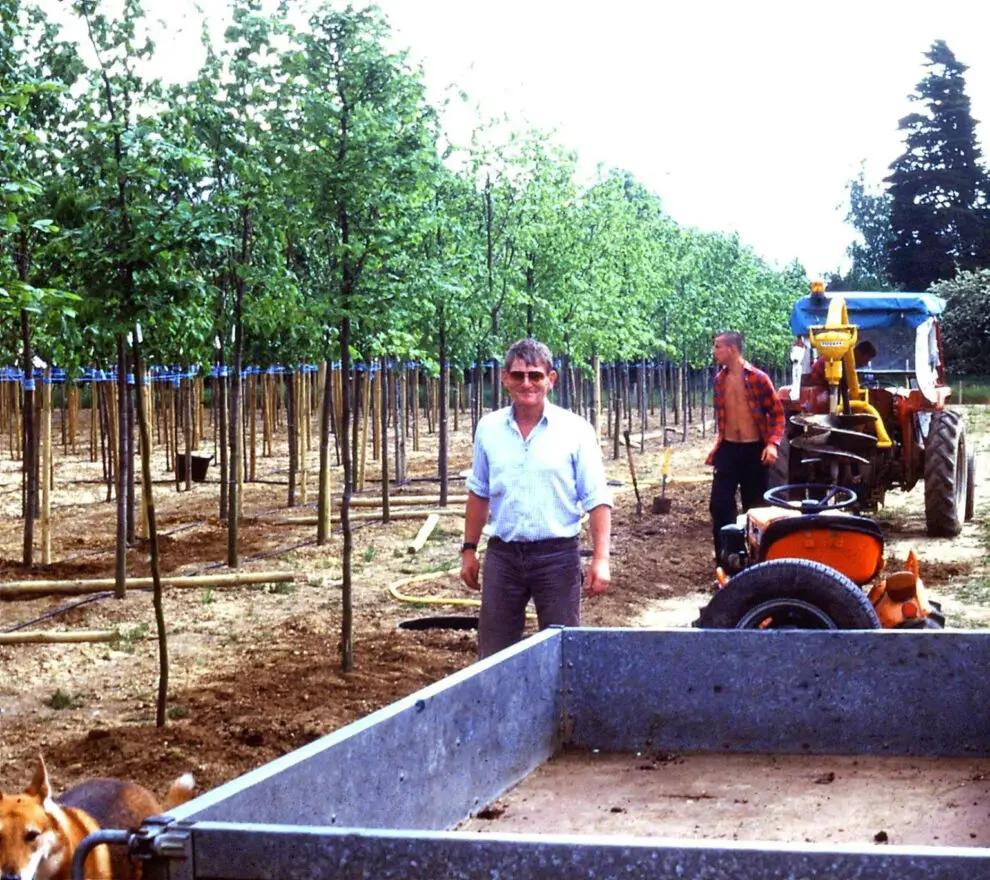
After a hard frost or drying wind, I prefer to wait for the plant to show me what is alive. If you cut Green Spire hard while cold weather is still continuing, you can remove viable wood and expose more of the plant. Keep the roots in good condition, give exposed new hedging temporary permeable shelter if needed, and make the final pruning decision once healthy spring growth has started.
More Euonymus Advice
For more detailed growing advice or to view the plants available from our nursery, use the links below.
Related Products
Products from our nursery that are relevant to this advice.

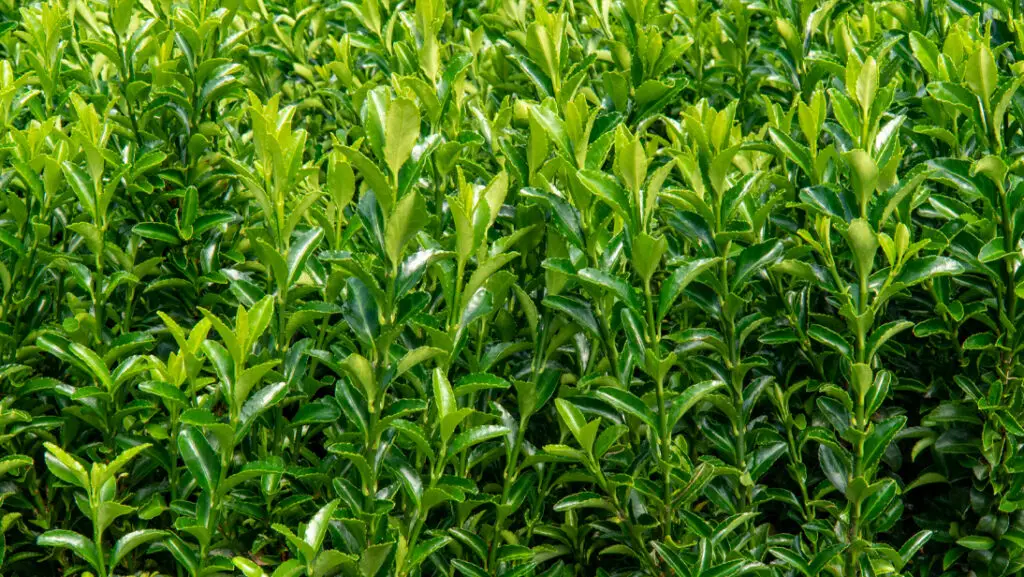
Euonymus Green Spire vs Jean Hugues: Which Hedge to Buy?
Green Spire and Jean Hugues are both dark green Euonymus japonicus varieties and both make excellent Box alternatives. The real difference is…
Read answer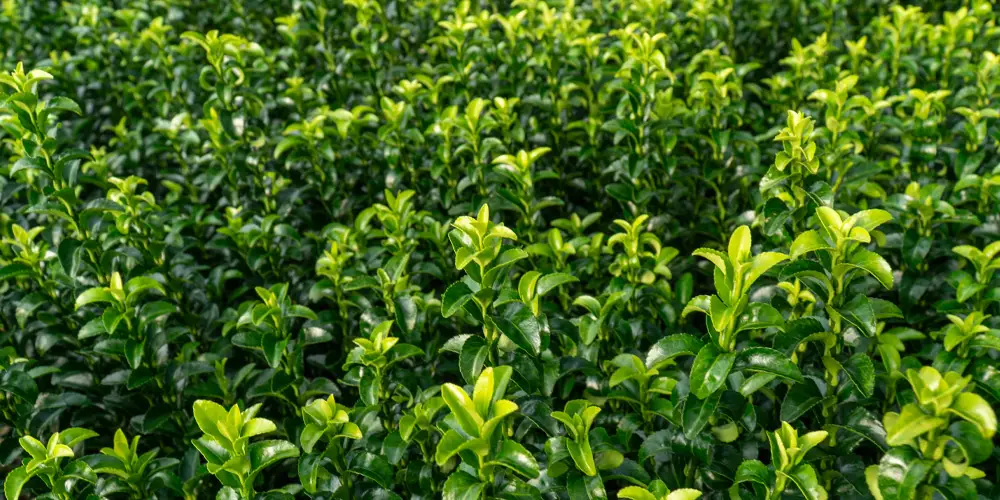
Euonymus Green Spire Problems: Causes and Fixes
Green Spire is a tough, reliable hedge, but a few problems turn up regularly. Here is how to recognise each one quickly,…
Read answer
Are Euonymus Green Spire and Green Rocket the Same Plant?
The names Green Spire and Green Rocket are often used interchangeably by nurseries, which makes buying confusing. Current authoritative plant databases do…
Read answer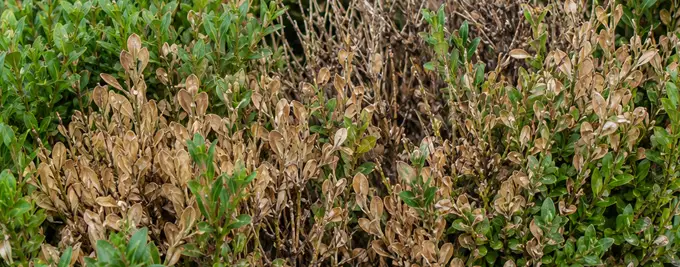
Can I Replace a Box Hedge With Green Spire After Box Blight?
Green Spire is one of the closest Euonymus alternatives to a neat low Box hedge. A previous box-blight outbreak does not infect…
Read answerEuonymus Green Spire Problems: Causes and Fixes
Green Spire is a tough, reliable hedge, but a few problems turn up regularly. Here is how to recognise each one quickly,…
Read answer
Do Deer or Rabbits Eat Euonymus Green Spire?
Green Spire should not be regarded as reliably browse-proof. The amount of damage depends heavily on local animal pressure, alternative food and…
Read answer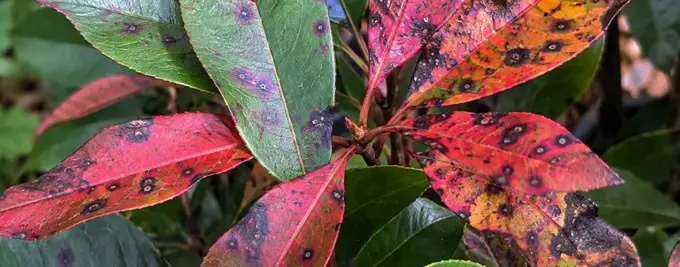
What Problems Can Photinia Red Robin Have in Pots?
Photinia Red Robin can grow well in containers, but a pot makes the roots more dependent on careful watering, drainage and regular…
Read answer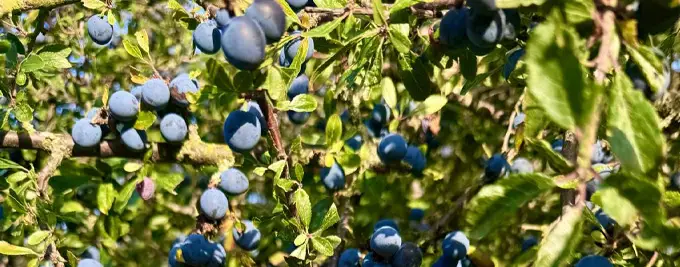
Why Doesn’t My Blackthorn Hedge Produce Many Sloes?
A healthy Blackthorn hedge does not produce the same crop of sloes every year. The first question is whether the hedge flowered…
Read answer