
When Does a Beech Hedge Turn Green?
Beech hedges spend winter covered in copper-brown foliage, so the appearance of fresh leaves is one of their clearest seasonal changes. The exact timing can vary between gardens and sometimes between different sections of the same hedge.
Quick Answer
In most UK gardens, a Green Beech hedge begins turning fresh green during April or early May, with late April to early May being particularly common. Sheltered southern sites may leaf out earlier, while colder, exposed or frost-prone positions can remain dormant until the middle or end of May. The opening buds normally push off the retained brown winter leaves. Purple or Copper Beech follows a similar timetable but its new foliage soon darkens to burgundy or purple.
Quick Facts
| Typical UK leaf-out period | April to early May |
|---|---|
| Common main flush | Late April to early May |
| Later or colder positions | Leafing may be delayed until mid or late May |
| Green Beech foliage | Opens fresh green and darkens through summer |
| Purple Beech foliage | Opens at a similar time before deepening to burgundy or purple |
| Brown winter leaves | Usually pushed off as the new buds open |
| Botanical name | Fagus sylvatica |
What happens when a Beech hedge comes into leaf?
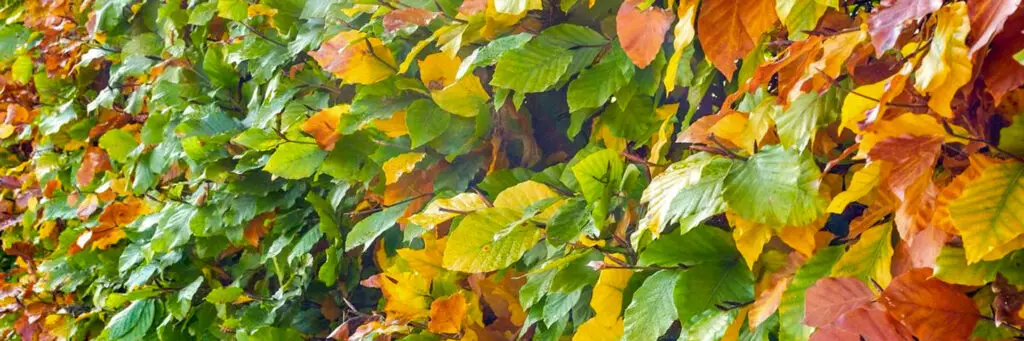
Beech is deciduous, even though a regularly clipped hedge often retains much of its dry copper-brown foliage through winter. In spring, the long, pointed buds begin to swell before opening into soft new leaves. As the buds expand, they push many of the previous year’s brown leaves away from the branches.
The new foliage of Green Beech initially appears fresh, pale or apple green. It gradually becomes a deeper green as the leaves mature through late spring and summer.
Why does one Beech hedge turn green before another?
There is no single date on which every Beech hedge will come into leaf. Bud development is influenced by spring temperatures, the amount of shelter around the hedge and local growing conditions.
Temperature and location
A hedge in a warm, sheltered garden may begin opening its buds during April. Beech growing in a colder northern garden, an exposed field, a frost pocket or a position affected by cold winds may remain dormant for several weeks longer.
Small differences can also occur along one hedge. A section beside a warm wall or in direct sunlight may leaf out before plants growing in shade or an exposed corner. A difference of several days, or occasionally a couple of weeks, does not necessarily indicate a problem.
Beech is naturally one of the later native trees to open its leaves. UK observations commonly place its main period of budburst during April and into early May.
Newly planted Beech hedging
Bare-root Beech planted during winter may open slightly later than an established hedge nearby. Newly planted plants are developing roots as well as preparing new foliage, and individual plants can begin growing at slightly different times.
Keep the planting strip free from grass and weeds, and check that the soil remains evenly moist without becoming saturated. Avoid applying excessive fertiliser simply to force the plants into leaf. Correct watering, drainage and root establishment are more important than heavy feeding during the first growing season.
How can you tell whether a bare Beech hedge is still dormant?
A Beech hedge that is still brown or bare in April is not automatically dead. Examine several plants rather than relying on the appearance of one branch.
Healthy dormant Beech usually has:
- Long, pointed buds that feel firm rather than hollow or brittle.
- Stems that bend slightly instead of snapping immediately.
- Green or pale living tissue beneath a very small scratch in the outer bark.
- Buds that gradually become larger or begin separating at the tip.
Carry out a scratch test only on a small, inconspicuous section of stem. Testing several branches at different heights gives a more reliable indication than checking one twig.
Brittle stems, shrivelled buds and dry brown tissue extending to the base of the plant are more concerning. On a newly planted hedge, also check for dry roots, waterlogged soil, loose plants or wind movement around the root system.
When should you investigate a Beech hedge that has not turned green?
In a cold or exposed garden, it can be reasonable for Beech to remain dormant into the middle or latter part of May. Concern becomes more justified when the rest of the hedge is fully green but one plant or section shows no swelling buds or living tissue.
If there is still no movement by late May or early June:
- Check several buds and stems for signs of living tissue.
- Examine the soil for severe dryness or standing water.
- Make sure newly planted roots have not become loose through wind-rock.
- Water deeply if the root area is dry, rather than repeatedly wetting only the surface.
- Avoid removing a plant until the main stems have been checked properly.
Beech can sometimes produce a later flush from secondary buds, particularly after cold weather or damage to the first spring growth.
What if the new Beech leaves turn brown?
Fresh Beech foliage is vulnerable to a late spring frost. Newly opened leaves may rapidly turn brown or black after a cold night, even though the stems and roots remain alive.
Do not immediately cut every affected shoot away. Allow time for secondary buds to develop, as a healthy hedge can often produce replacement growth within the following weeks. Keep the root area appropriately watered during dry weather and avoid encouraging soft growth with a strong nitrogen feed.
Does Purple or Copper Beech turn green in spring?
Purple or Copper Beech comes into leaf at approximately the same time as Green Beech. Its new foliage may initially contain greenish, bronze or red tones before developing its deeper burgundy and purple colouring.
The strongest purple colour normally develops in good sunlight. Plants in heavier shade can appear noticeably greener, but this does not necessarily indicate poor health or a lack of fertiliser.
Will the brown winter leaves always remain until spring?
A clipped Beech hedge commonly retains dry leaves through winter, but the amount varies. Older, infrequently trimmed, exposed or stressed hedges may lose more of their foliage before the new spring growth begins.
An August trim encourages young growth that is more likely to retain its leaves, but complete winter coverage cannot be guaranteed. A hedge can still be healthy even if most of its brown leaves fall before the new green foliage appears.
For complete planting, watering, feeding and pruning advice, see the Beech Hedge Care Guide.
Gwynne's Grower's Tip
Beech is one of the hedging plants I would avoid judging too early in spring. Look closely at the buds before deciding that a plant has failed. Healthy Beech buds are long, pointed and firm, and they normally swell before any green leaf is visible. It is quite common for one section of a hedge to open a little later because it is colder, more exposed or newly planted. If the stems remain flexible and green beneath the bark, keep the roots evenly moist and give the plant time. Avoid using a heavy feed simply to force dormant plants into growth.
More Beech Advice
For more detailed growing advice or to view the plants available from our nursery, use the links below.
Related Products
Products from our nursery that are relevant to this advice.


Useful Planting Essentials
Selected products that may help with planting, establishment and ongoing hedge care.
Rootgrow Mycorrhizal Fungi
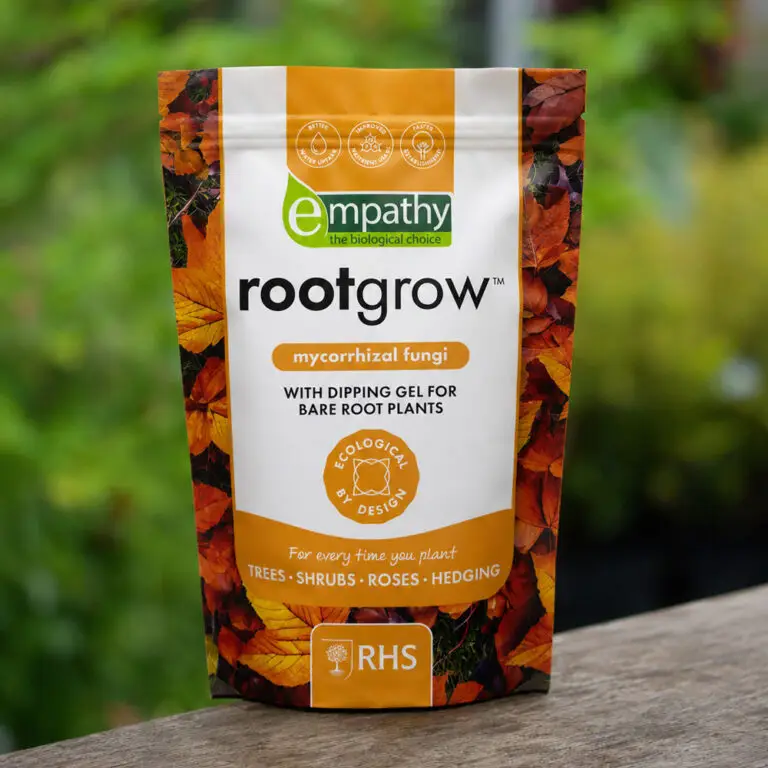
Rootgrow can be applied at planting so the product is in direct contact with the roots, where appropriate for the plant and planting method.
View product
Hedge Feed
Hedge Feed provides balanced nutrition where established hedging would benefit from feeding as part of normal care.
View product
Hedge Irrigation
A hedge irrigation system can make it easier to water a new hedge consistently, particularly on longer runs and during dry weather.
View product
Hedge Compost & Mulch
Compost and mulch can support soil preparation, moisture retention and weed suppression when used appropriately around new hedging.
View product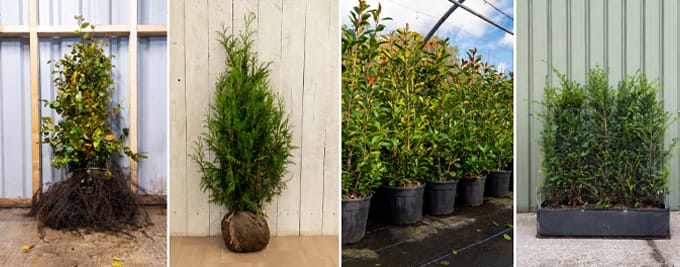
What Are the Different Hedging Root Types?
Bare root, root ball, pot-grown and instant hedging suit different budgets, planting times and levels of initial coverage. Understanding how each is…
Read answer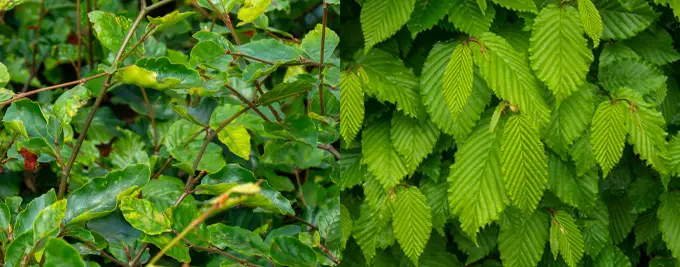
Beech or Hornbeam: Which Hedge Is Better?
Beech and Hornbeam create similarly dense, traditional-looking hedges, but they perform best in different conditions. The right choice depends mainly on your…
Read answer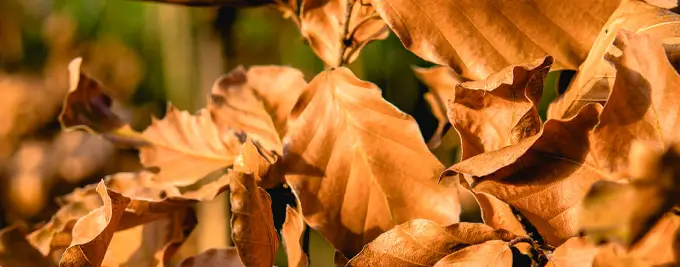
Is Beech Evergreen? What Does a Beech Hedge Look Like in Winter?
Beech hedging changes noticeably with the seasons, developing fresh green or purple foliage in spring and warm copper-brown tones during autumn. Its…
Read answer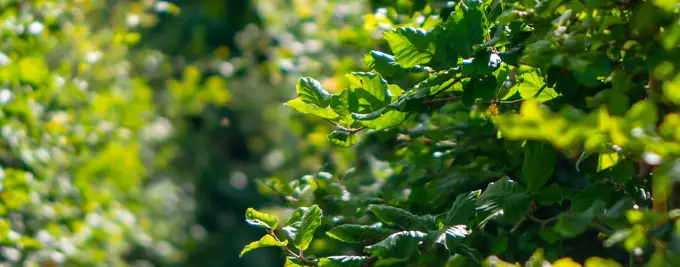
How Do I Make a Beech Hedge Thicker?
A thin Beech hedge is often caused by weak formative pruning, shade at the base, dry roots, weed competition or gaps between…
Read answer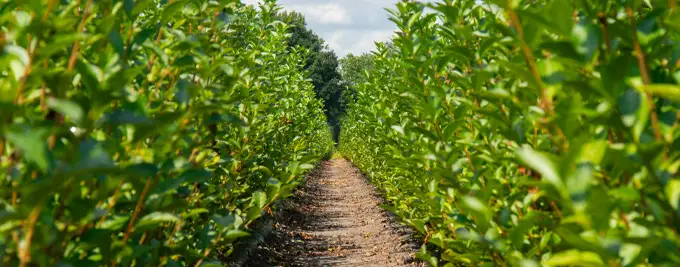
How Can I Make a Privet Hedge Grow Faster?
A Privet hedge can grow quickly once its roots are established, but dry soil, weed competition, deep shade and unsuitable pruning can…
Read answer
How Fast Does a Hornbeam Hedge Grow?
Hornbeam is a dependable native hedging plant, but the time it takes to form a useful screen depends on more than the…
Read answer
Can Euonymus Green Spire Be Grown in Pots?
Green Spire's naturally upright, compact habit makes it well suited to container growing. Pots do, however, need more regular watering and root…
Read answer
Is Holly Fast or Slow Growing?
English Holly is valued for dense evergreen foliage rather than rapid growth. Understanding its natural growth rate helps you choose the right…
Read answer