
Is Beech Evergreen? What Does a Beech Hedge Look Like in Winter?
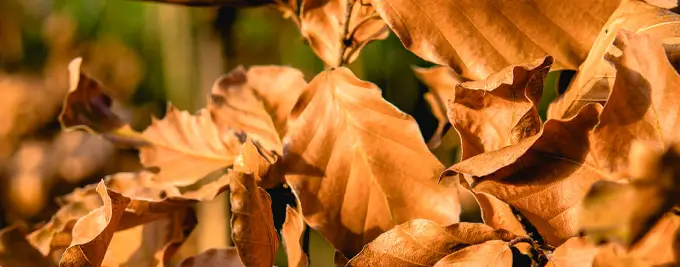
Beech hedging changes noticeably with the seasons, developing fresh green or purple foliage in spring and warm copper-brown tones during autumn. Its winter appearance can resemble an evergreen hedge from a distance, but the leaves it retains are dry rather than living and green.
Quick Answer
No, Beech is not evergreen. It is a deciduous plant, but a regularly clipped Beech hedge will often retain many of its dry copper-brown leaves through winter. This gives the hedge useful colour, structure and partial screening until fresh spring growth pushes the old leaves away. The amount of foliage retained varies with the hedge’s age, pruning, exposure, health and winter weather, so complete winter coverage cannot be guaranteed.
Quick Facts
| Botanical name | Fagus sylvatica |
|---|---|
| Plant classification | Deciduous |
| Winter foliage | Dry copper, bronze or reddish-brown leaves |
| Winter leaf retention | Common on regularly clipped hedges, but variable |
| Name for retained dead leaves | Marcescence |
| When old leaves fall | Often when new growth opens in spring |
| Recommended main trim | August for an established hedge |
| Reliable green winter screen | No |
What does a Beech hedge look like in winter?
A mature Beech hedge usually has a warm copper, bronze or brown appearance during winter. The leaves are no longer alive and green, but many can remain attached to the younger clipped shoots instead of falling immediately during autumn.
From a distance, a well-established hedge can still look fairly solid. Closer inspection shows dry, papery leaves supported by a dense framework of smooth grey stems and fine branches. This retained foliage can provide more winter colour and screening than many other deciduous hedges, although it will not look like a green evergreen hedge.
The appearance changes as winter progresses. Wind, frost and severe weather may remove some leaves, making the hedge thinner by late winter. Other hedges retain a substantial covering until their new leaves begin to open in spring.
Why does Beech keep its brown leaves during winter?
The retention of dead leaves is known as marcescence. Although the leaves die during autumn, they do not always detach from the stem immediately.
This behaviour is particularly noticeable on young Beech plants and on the juvenile growth produced by regularly clipped hedges. A mature Beech tree may lose much of its foliage higher in the canopy, while the lower branches and regularly pruned growth retain considerably more.
The retained leaves are eventually loosened by winter weather or pushed away as new buds open and fresh growth develops in spring.
Does every Beech hedge keep its leaves all winter?
No. Winter leaf retention is typical of Beech hedging, but it is not guaranteed.
The amount of foliage remaining can be affected by:
- the age and density of the hedge
- how regularly it has been clipped
- the timing of its most recent trim
- cold, exposed or windswept conditions
- unusually severe winter weather
- drought or other stress during the previous growing season
- the number of young side shoots throughout the hedge
A mature, dense hedge in a reasonably sheltered position will normally provide more winter coverage than a newly planted row of lightly branched plants.
New Beech hedging may therefore look more open during its first one or two winters. As the plants establish and regular formative trimming encourages additional side branches, the hedge normally develops a denser framework.
Is a Beech hedge suitable for winter privacy?
Beech can provide useful winter screening, but it should not be treated as a guaranteed evergreen privacy hedge.
The retained leaves and closely spaced branches can soften views, create a visual boundary and provide considerably more coverage than a completely bare deciduous hedge. The RHS describes Beech as a deciduous hedge that can retain brown leaves until spring and provide winter screening.
The level of privacy will still vary. Some hedges remain densely covered for most of the winter, while others become noticeably thinner after prolonged wind, frost or harsh weather.
Where uninterrupted green foliage is essential throughout the year, customers should compare Beech with a genuine evergreen from the evergreen hedging range. Laurel, Yew and suitable conifers are more dependable choices when green winter coverage is the main priority.
How do Green Beech and Purple Beech look in winter?
Both Green Beech and Purple or Copper Beech are forms of Fagus sylvatica. Their leaves follow a similar seasonal cycle and both are deciduous.
Green Beech normally changes from fresh green to yellow, orange, copper and brown.
Purple or Copper Beech develops dark purple or burgundy foliage during the growing season, followed by deeper copper, reddish-brown and dark bronze winter tones.
The distinction between the two can become less obvious as the leaves dry, although Purple Beech will often retain a darker overall appearance. The Green and Purple Beech Hedging Mix combines the two colours within the same hedge.
How can you encourage a Beech hedge to retain more leaves?
An established Beech hedge is normally given its main trim in August. Late-summer clipping encourages a dense network of young shoots and allows the most recent leaves to mature before winter. The RHS specifically recommends an August trim to help Beech retain its brown foliage and provide screening.
Avoid removing all the young outer growth with a hard trim during late autumn. This can reduce the amount of foliage available to remain on the hedge.
Good establishment also matters. Keep the planting strip free from competing weeds and water new Beech plants thoroughly during dry conditions. A hedge that enters winter under severe drought stress may lose more foliage than a healthy, established hedge.
These measures can improve density and leaf retention, but they cannot make Beech truly evergreen or guarantee that every leaf will remain attached.
When should you choose an evergreen hedge instead?
Choose Beech when you want a traditional formal hedge with changing seasonal colour, a dense branch structure and useful copper-brown winter foliage.
Choose a true evergreen where the project requires:
- dependable green foliage throughout winter
- the greatest possible year-round visual screening
- a consistently green boundary rather than seasonal colour
- minimal change in appearance between summer and winter
Beech remains an attractive choice for customers who value seasonal interest and are comfortable with some variation in winter coverage. Its winter appearance is one of its main attractions, but it is more accurately described as a leaf-retaining deciduous hedge than an evergreen hedge.
Gwynne's Grower's Tip
A newly planted Beech hedge will not normally look as dense in winter as a mature hedge that has been clipped for several years. Customers sometimes expect every young plant to hold a complete covering of brown leaves immediately, but the winter screen improves as side branches develop and the hedge becomes established.
Give the plants time to thicken, keep them watered during dry weather and use regular formative trimming to encourage growth from low down. An August trim is particularly useful once the hedge is established. Even then, expect the amount of retained foliage to vary between winters rather than treating it as guaranteed evergreen coverage.
More Beech Advice
For more detailed growing advice or to view the plants available from our nursery, use the links below.
Related Products
Products from our nursery that are relevant to this advice.


Useful Planting Essentials
Selected products that may help with planting, establishment and ongoing hedge care.
Rootgrow Mycorrhizal Fungi
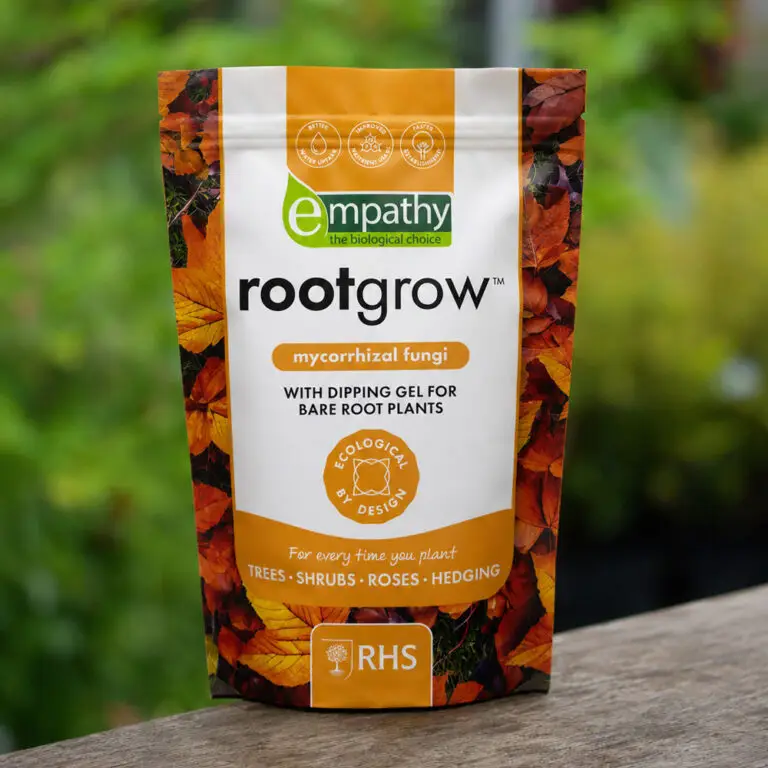
Rootgrow can be applied at planting so the product is in direct contact with the roots, where appropriate for the plant and planting method.
View product
Hedge Feed
Hedge Feed provides balanced nutrition where established hedging would benefit from feeding as part of normal care.
View product
Hedge Irrigation
A hedge irrigation system can make it easier to water a new hedge consistently, particularly on longer runs and during dry weather.
View product
Hedge Compost & Mulch
Compost and mulch can support soil preparation, moisture retention and weed suppression when used appropriately around new hedging.
View product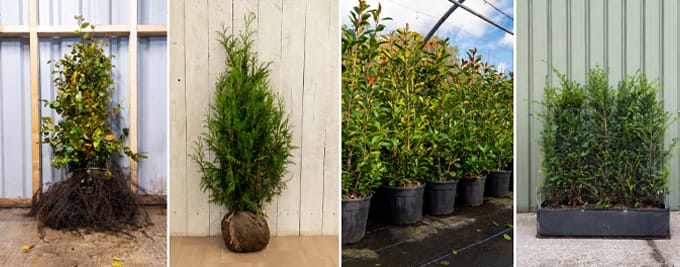
What Are the Different Hedging Root Types?
Bare root, root ball, pot-grown and instant hedging suit different budgets, planting times and levels of initial coverage. Understanding how each is…
Read answer
Beech or Hornbeam: Which Hedge Is Better?
Beech and Hornbeam create similarly dense, traditional-looking hedges, but they perform best in different conditions. The right choice depends mainly on your…
Read answer
How Do I Make a Beech Hedge Thicker?
A thin Beech hedge is often caused by weak formative pruning, shade at the base, dry roots, weed competition or gaps between…
Read answer
When Does a Beech Hedge Turn Green?
Beech hedges spend winter covered in copper-brown foliage, so the appearance of fresh leaves is one of their clearest seasonal changes. The…
Read answer
Is Hornbeam Evergreen? What Does It Look Like in Winter?
Hornbeam is valued for its fresh green summer foliage, warm autumn colour and strong winter structure. Understanding how its leaves behave after…
Read answer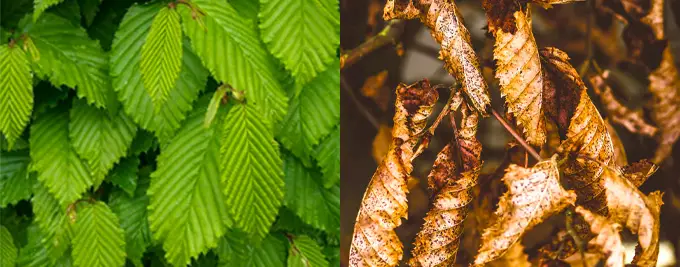
What Do Hornbeam Leaves Look Like?
Hornbeam has distinctive textured foliage that changes noticeably through the seasons. Learning to recognise the leaf shape, veins and toothed edges can…
Read answerWhat Are the Different Hedging Root Types?
Bare root, root ball, pot-grown and instant hedging suit different budgets, planting times and levels of initial coverage. Understanding how each is…
Read answer
Is Privet Evergreen?
Privet is often chosen for privacy, but its winter appearance is less predictable than that of a fully evergreen hedge. The variety,…
Read answer